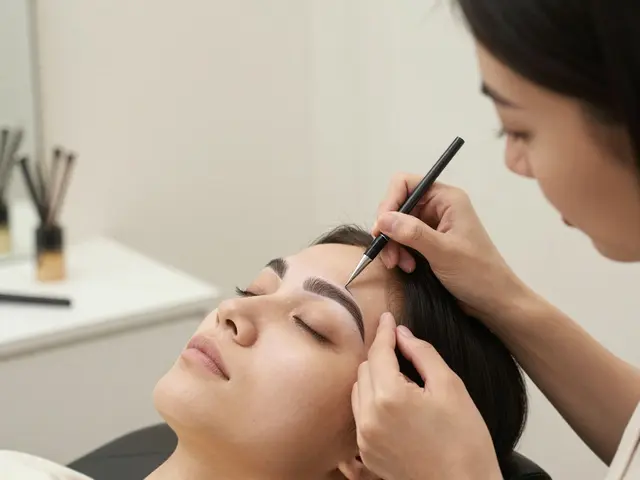

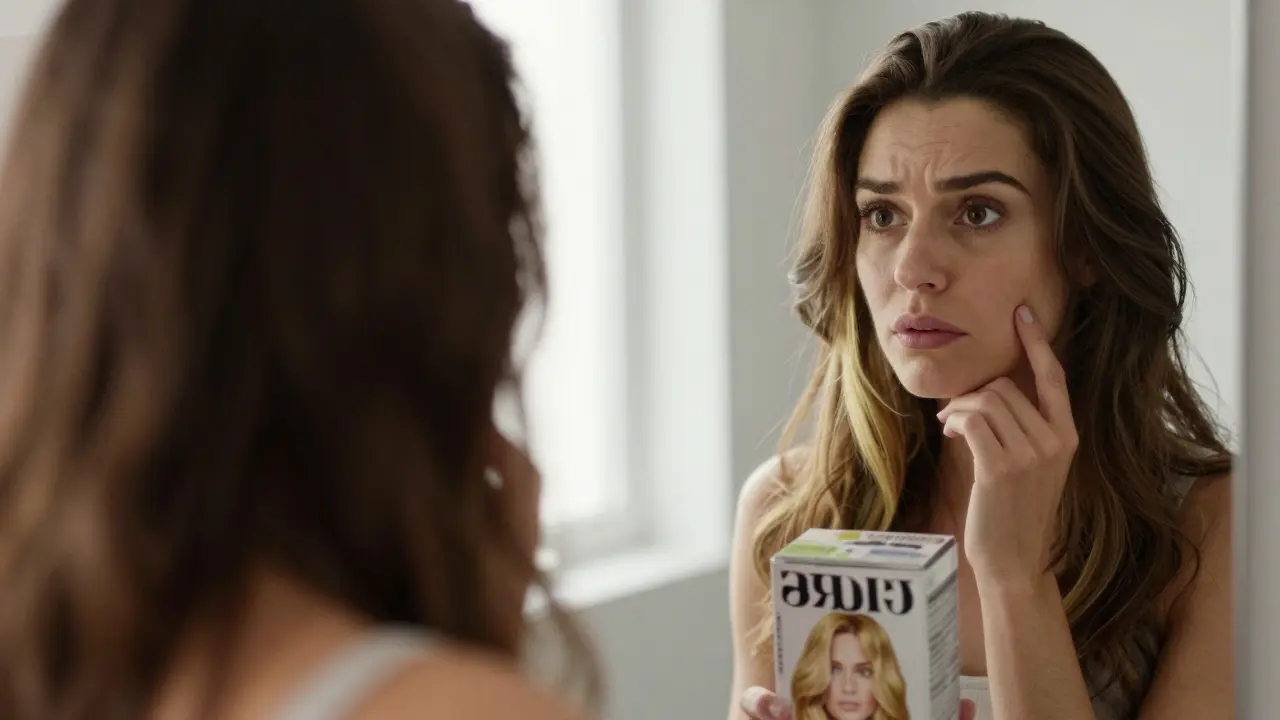
Yes, you can dye dark brown hair blonde, but it requires bleaching to lift the dark pigment. This guide explains the double-process method, developer strengths, toning for brassiness, and safer alternatives like balayage to minimize damage.
 14
14
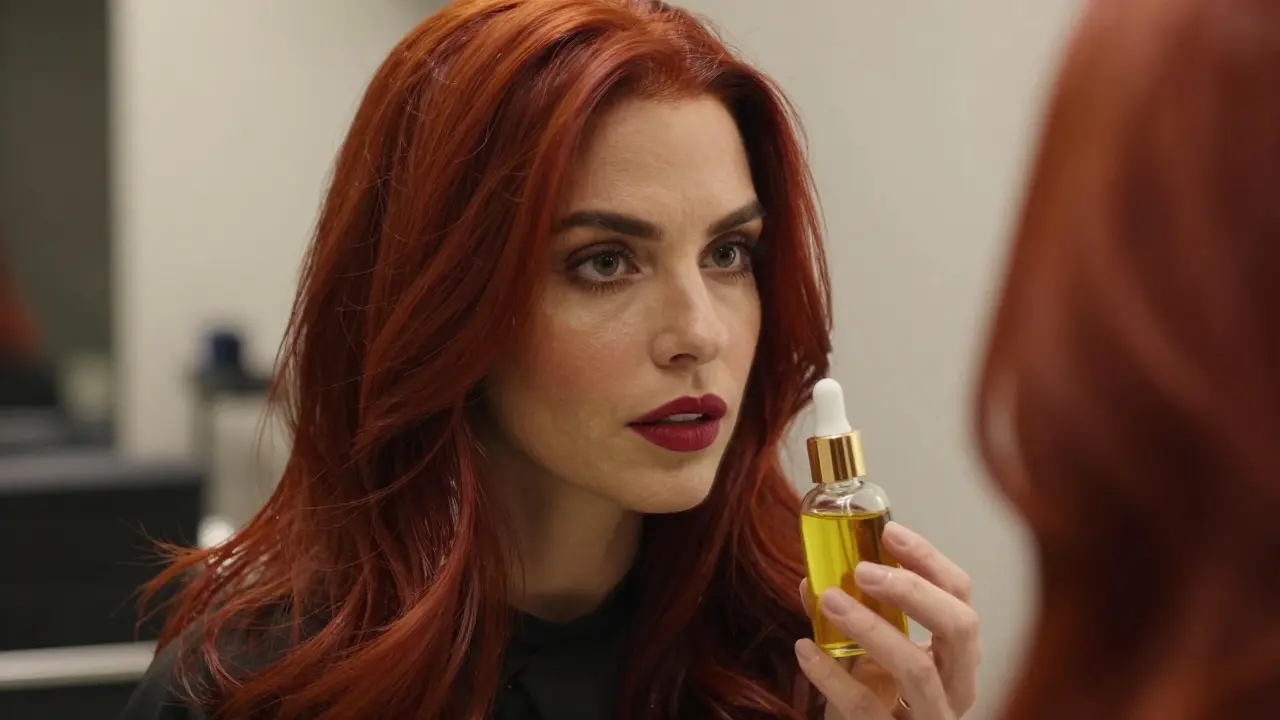
Learn when and how to safely apply oil to red-dyed hair. Discover the 72-hour rule, best oils like argan, and tips to prevent fading while keeping your vibrant color healthy.
0
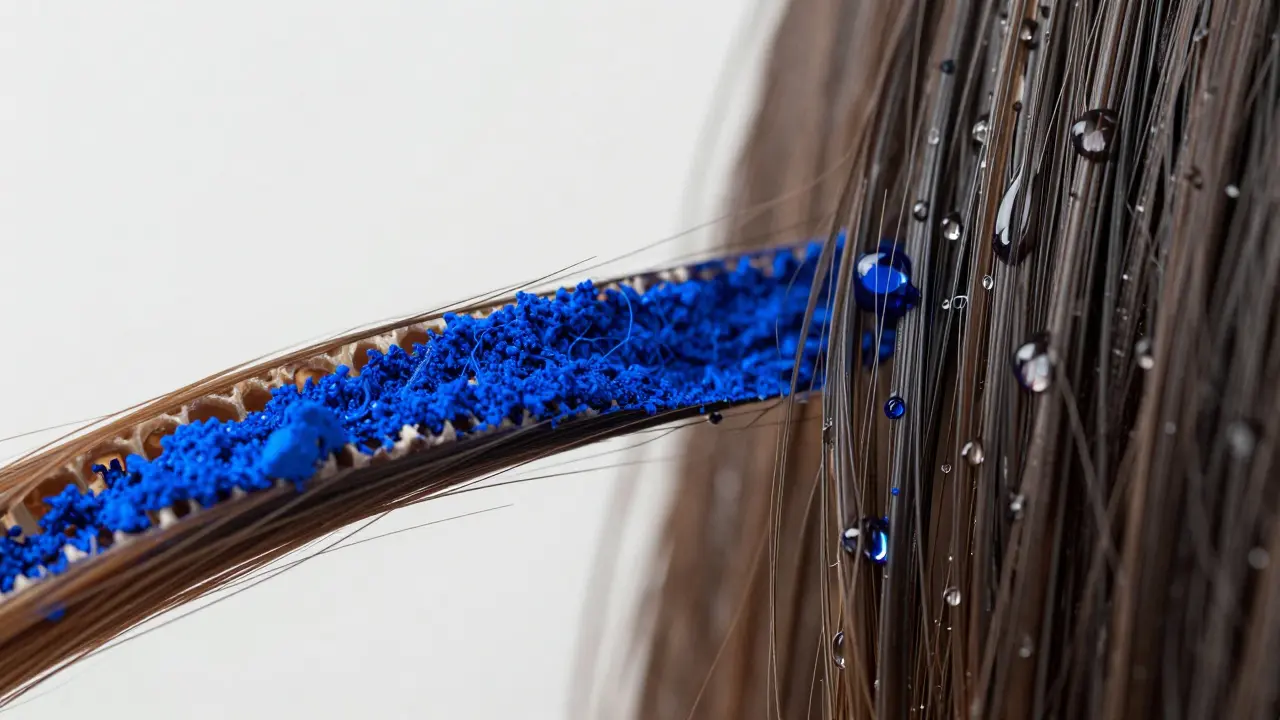
Discover why applying semi-permanent hair color to wet hair leads to patchy, faded results. Learn the science behind dry hair application and expert tips for vibrant, long-lasting color.
11
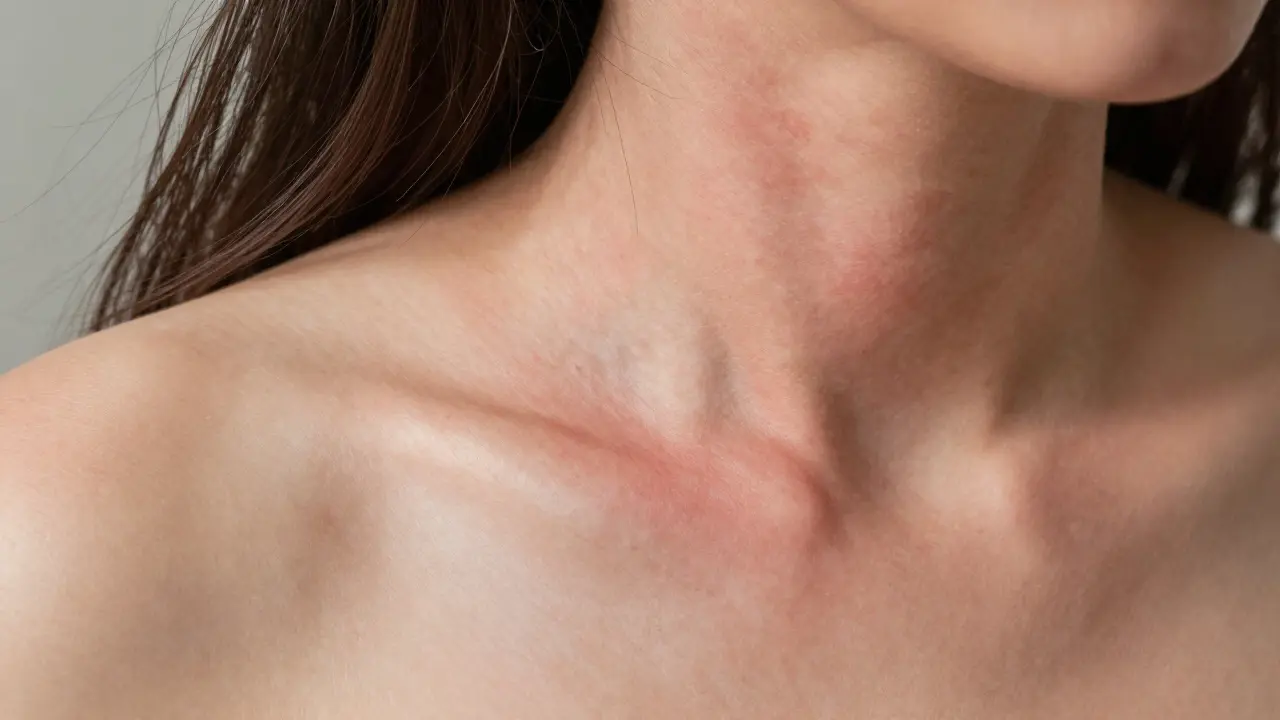
Discover the best PPD-free hair dyes for sensitive scalps. We review top brands like EcoColors, NATULIQUE ZERO, and PHYTOCOLOR, explaining how to choose safe alternatives and avoid cross-reactivity.
15
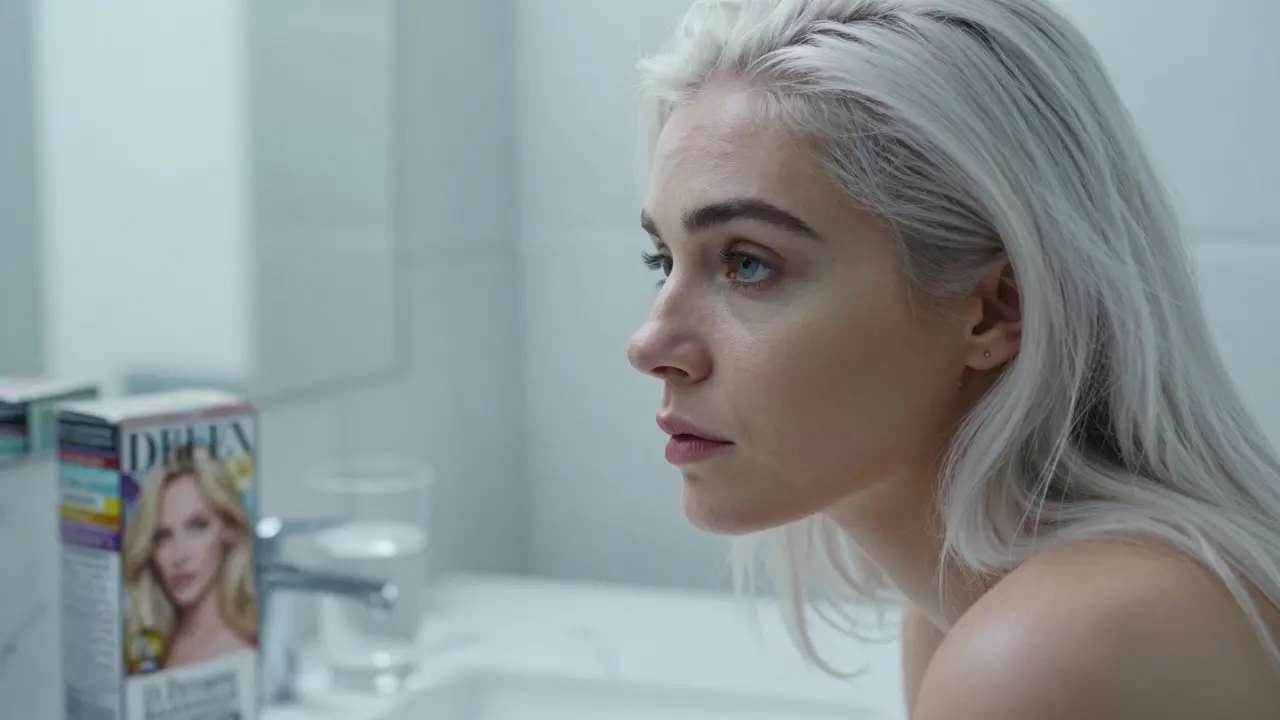
Learn how to safely use blonde box color over bleached hair in 2026. Discover expert tips on pre-pigmentation, product selection, and maintenance to avoid damage and achieve vibrant results.
0
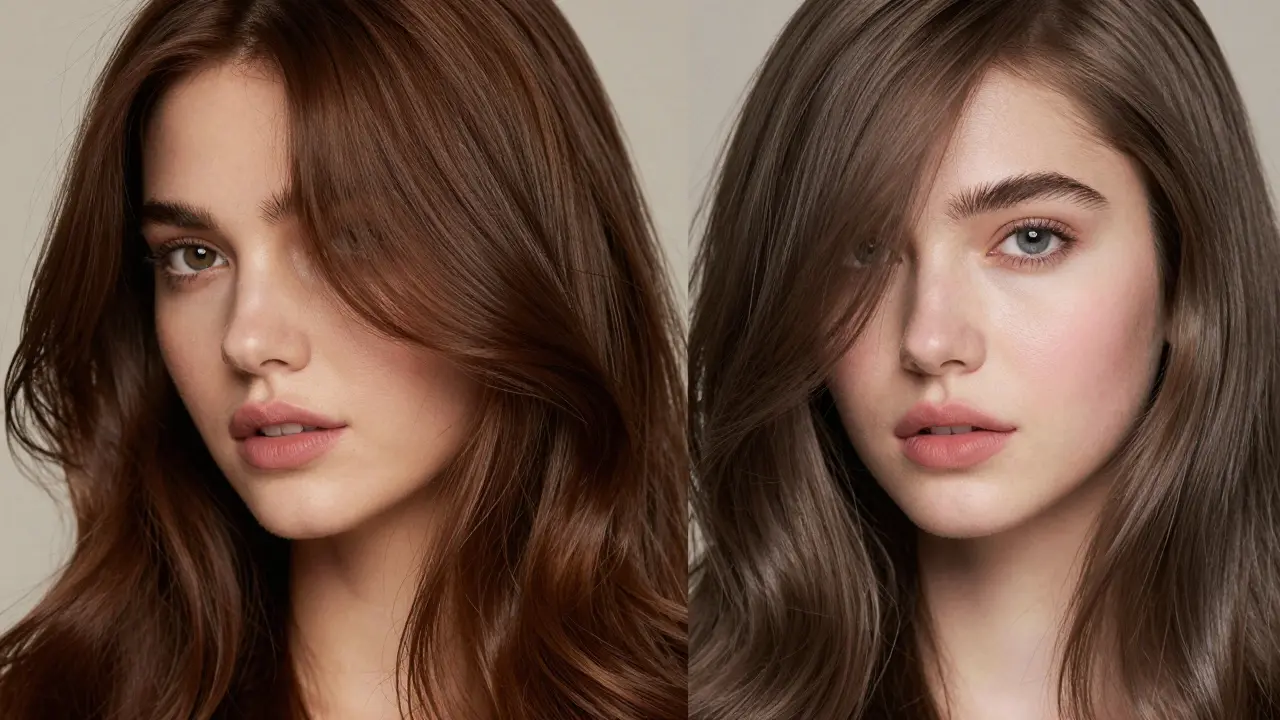
Discover if medium brown is the most attractive hair color for you. Learn how to match shades to your skin undertones and use dimensional coloring for a professional look.
14
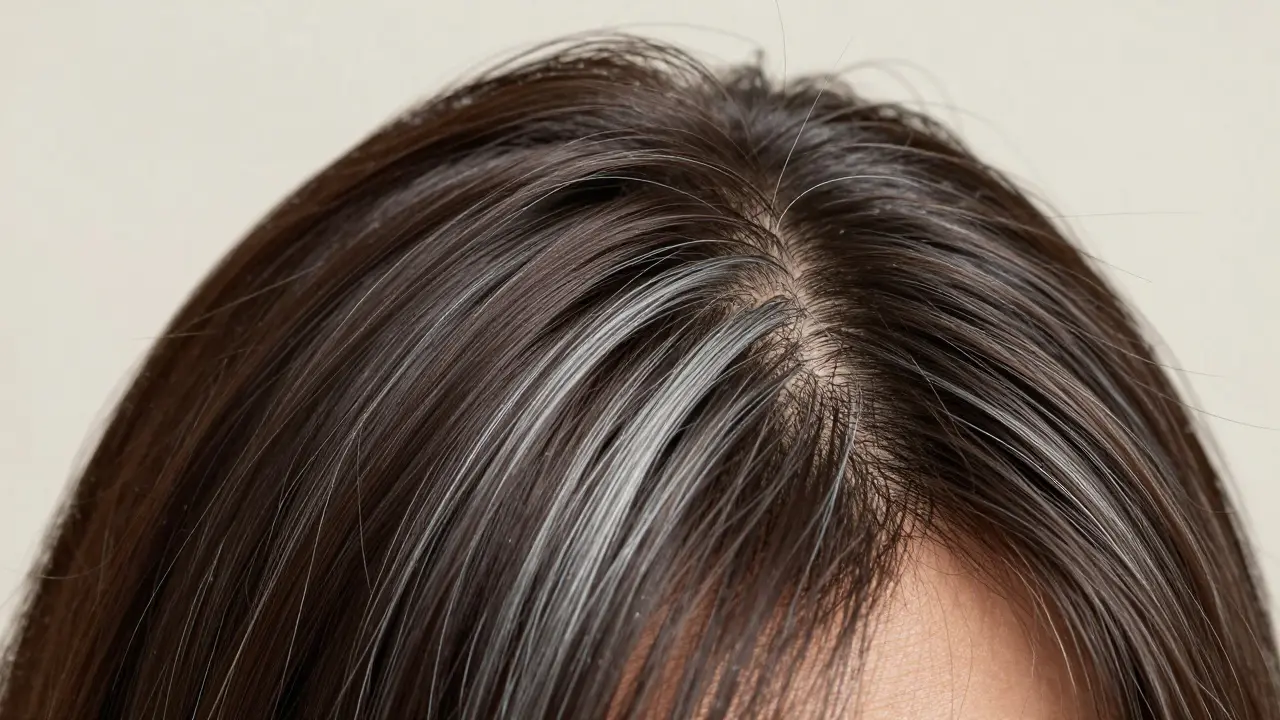
Learn how to transition from dark brown hair with gray to a natural light brown. Discover the secrets of gray blending and a multi-step plan to avoid the 'skunk stripe'.
8

Can you dye your hair again after 1 day? Learn the risks of overprocessing, the recommended waiting periods for different dyes, and safe ways to fix your hair color.
0
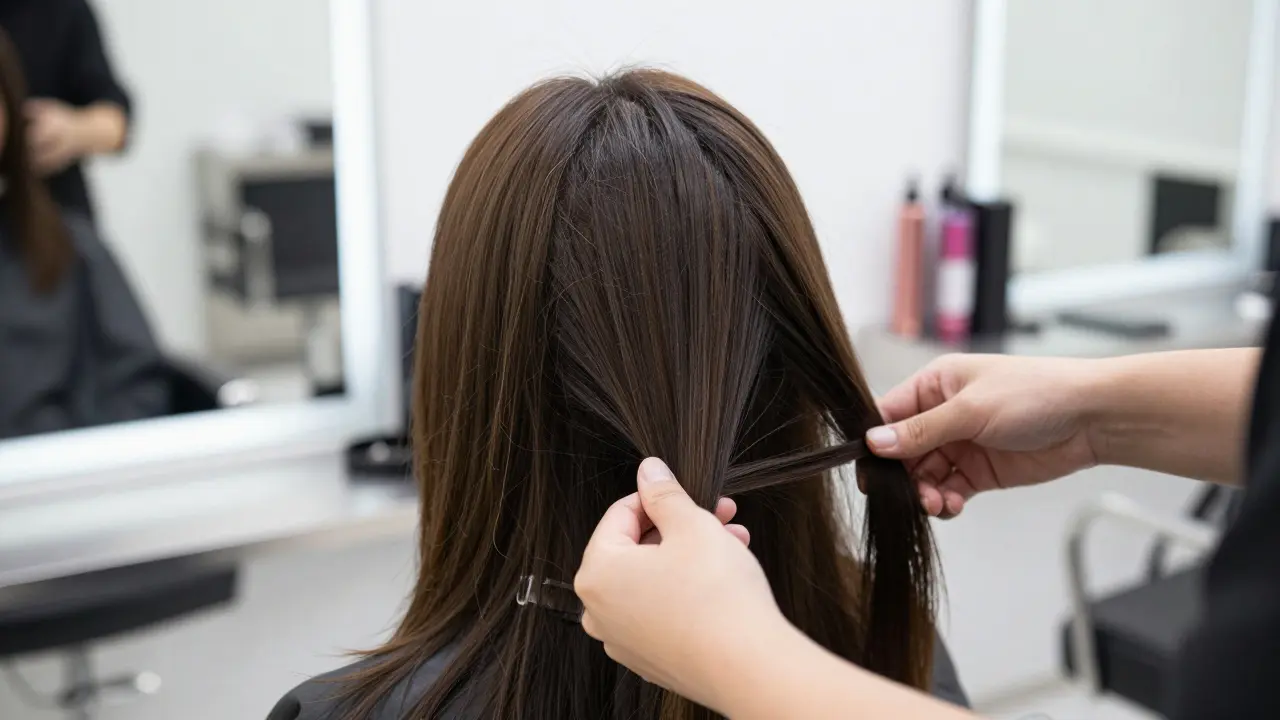
Confused about toning vs. coloring hair? Learn the key differences in process, longevity, and damage to choose the right treatment for your hair goals.
9

Stuck with a hair color mistake? Learn how to get hair dye out using gentle methods like Vitamin C and clarifying shampoo, or professional color strippers.
11