

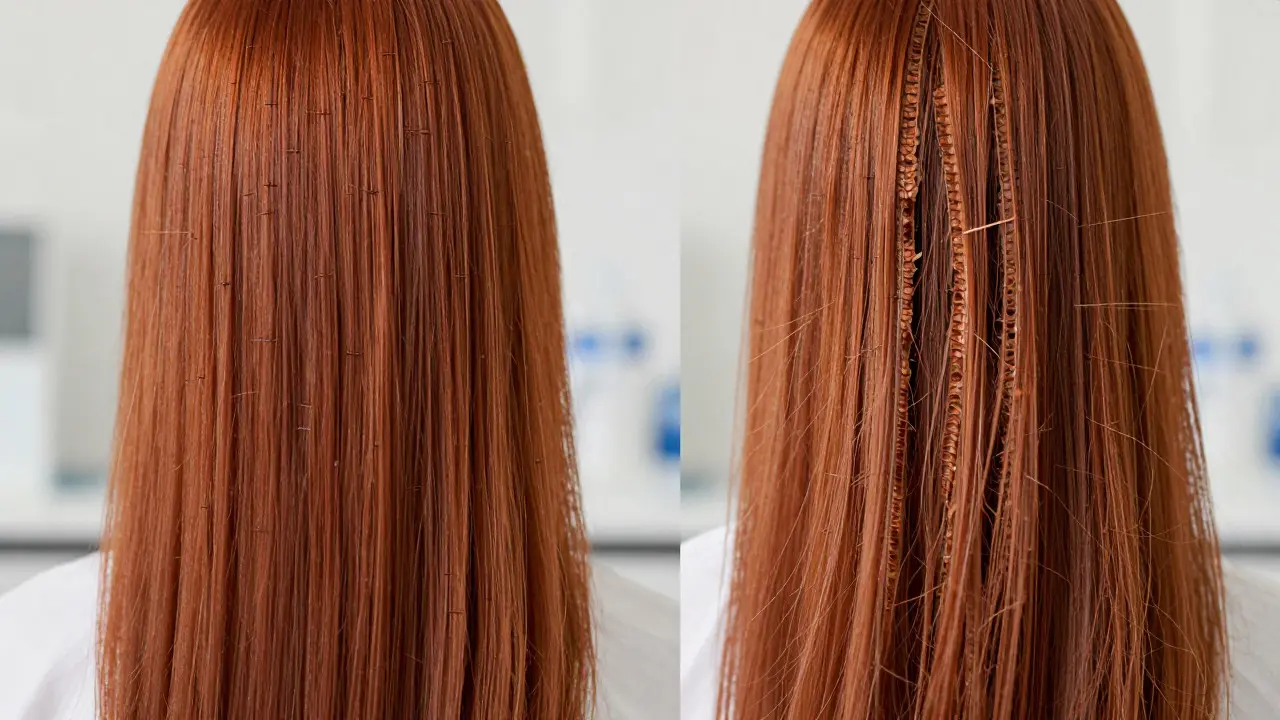
That copper glow you were born with is rare. It’s genetic, it’s vibrant, and honestly, it’s a bit of a diva when it comes to chemical treatments. You’ve probably heard the rumors: that dyeing your hair will permanently ruin your natural red pigment, or that once you go dark, you can never go back to that bright strawberry blonde. The short answer? No, hair dye does not destroy your genetics. Your roots will grow back red, no matter what you do to the lengths today. But the longer answer involves protein loss, cuticle damage, and the frustrating reality that red dye molecules are notoriously unstable.
If you’re standing in the aisle staring at a box of permanent dye, wondering if it’s worth the risk, you need to understand exactly what happens to that unique natural red hair structure when chemicals hit it. This isn’t just about aesthetics; it’s about preserving the integrity of strands that are already more fragile than average.
The Science: Why Red Hair Is Different
To understand why dye affects red hair differently, we have to look at the pigment itself. Most people have eumelanin, which gives hair brown or black tones. Natural redheads have high levels of pheomelanin. This pigment creates those stunning shades ranging from light copper (salon level 7-8) to deep auburn (levels 4-5).
Here’s the catch: pheomelanin has poor antioxidant properties compared to eumelanin. In fact, research from the University of Naples Federico II around 2013 showed that this pigment can act as a photosensitizer, generating reactive oxygen species under UV exposure. This means natural red hair is already structurally more vulnerable to environmental damage. When you introduce harsh chemicals like hydrogen peroxide, you’re attacking a fiber that’s already on edge. The result? Faster degradation of softness and mechanical resistance.
| Pigment Type | Common Hair Colors | Structural Resilience | Sensitivity to Chemicals |
|---|---|---|---|
| Eumelanin | Brown, Black | High | Low to Moderate |
| Pheomelanin | Red, Auburn, Strawberry Blonde | Low | High |
Permanent Dye: The Cuticle Crisis
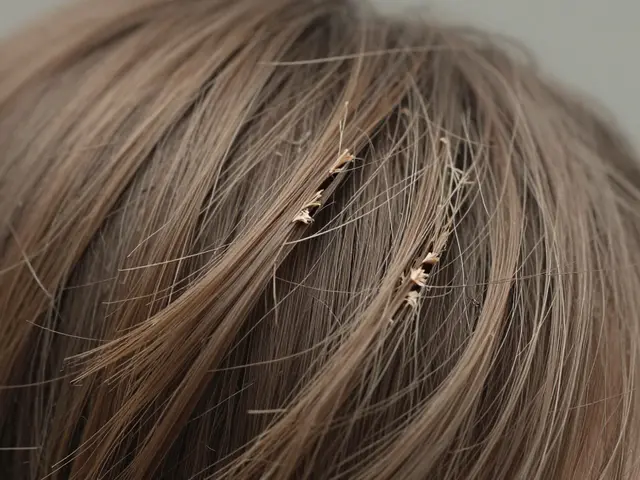
When you use a standard permanent oxidative dye, the process is aggressive. The ammonia opens up the hair cuticle, and hydrogen peroxide penetrates the cortex to oxidize your natural melanin while depositing new color molecules. A clinical evaluation published in a MedCrave dermatology journal found that these dyes can lighten or darken natural hair by up to four tones. More importantly, they cause measurable protein loss.
The study highlighted that the greater the cuticle damage during coloring, the higher the protein loss. For redheads, this translates to hair that feels brittle, looks dull, and snaps easily. If you’re aiming for an "intense red" shade using permanent formulas, you might notice visible fading after just 10 washes. The dye molecules for red are larger than those for brown or black, meaning they sit closer to the surface and wash out faster. You’re left with damaged ends and a color that’s already slipping away.
But here is the crucial distinction: this damage happens to the dead keratin tissue of the hair shaft. It does not reach the living follicle beneath your scalp. Your body doesn’t know you dyed your hair last Tuesday. New growth will emerge with the exact same genetic red pigment you started with. As noted in a 2023 survey by HowToBeARedhead.com, younger natural redheads saw their roots grow back "practically the same shade" after dyeing. The "ruin" is temporary and cosmetic, affecting only the length you currently have.
The Fading Factor: Why Red Disappears So Fast
If you’ve ever dyed your hair red-whether natural or otherwise-you know the struggle. John Frieda’s color-care experts point out that dyed red hair tends to fade the fastest among all colors. Why? Because those giant red pigment molecules cannot penetrate the central cortex as deeply as smaller pigments. They leach out quickly due to shampooing, heat styling, and UV exposure.
This rapid fading contributes to the feeling that your hair is "ruined." You spend money and time coloring it, only to watch it turn brassy or dull within weeks. Salon by Vogue Nationale emphasizes that this is normal for red hues. To combat this, you need a strict maintenance routine:
- Wash less often: Stretch your washes from daily to every 2-3 days.
- Use cool water: Hot water opens the cuticle further, letting color escape. Cool water helps seal it.
- UV protection: Wear hats or use sprays with UV filters. Sunlight breaks down red pigments rapidly.
- Avoid chlorine: Pool water is a nightmare for red tones. Rinse immediately after swimming.

Bleaching: The Highest Risk Zone
If permanent dye is risky, bleaching is dangerous territory for natural redheads. Many want to achieve pastel shades like lavender or pale pink, which requires lifting the hair to at least level 8 or 9 (light blonde). Reddit communities like r/Hair and r/HairDye are full of warnings about this process. Bleaching strips the natural pheomelanin entirely, leaving the hair porous and weak.
A 2021 discussion on r/Hair noted that achieving pastels on natural red hair is a "long process" that significantly weakens strands. While it won’t stop your roots from growing back red, the lengths may become so damaged they break off before they grow out. If you must bleach, professionals recommend test strands first. Leave the mid-lengths and ends untouched if possible, focusing only on the roots or specific sections to minimize total damage.
Semi-Permanent and Direct Dyes: A Safer Bet
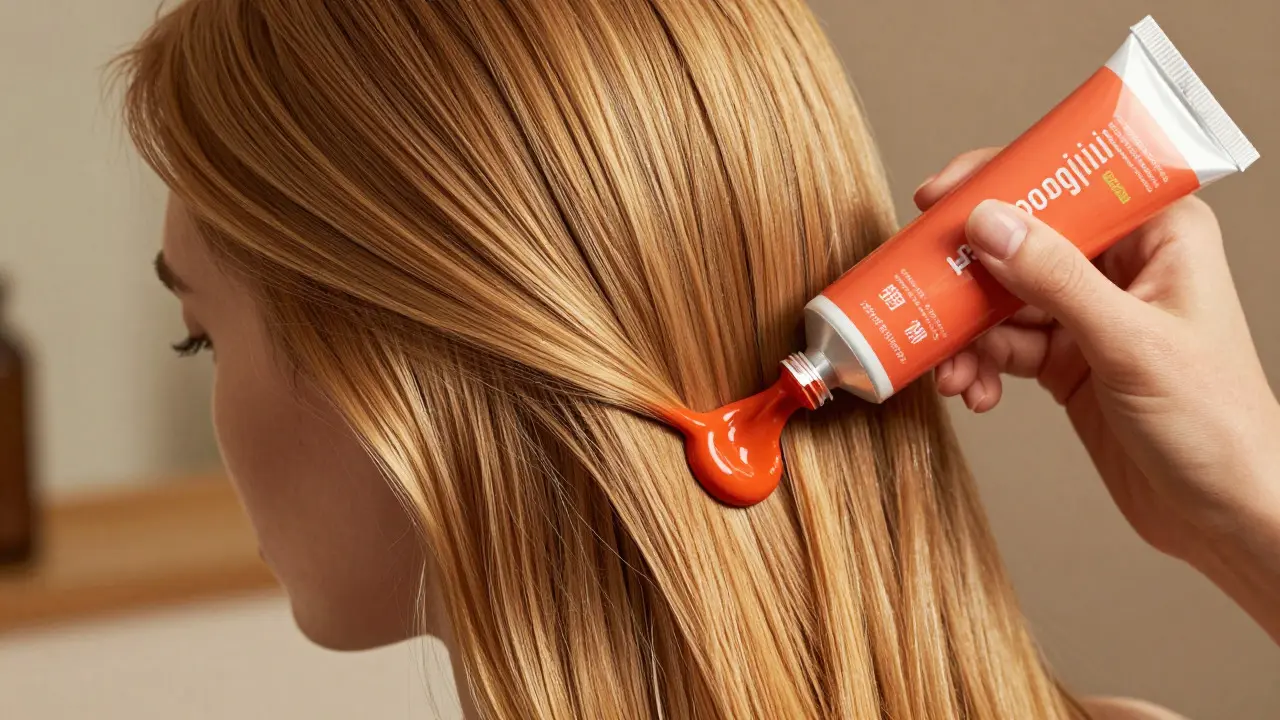
If you want to enhance your red without the structural toll of permanent dye, look into semi-permanent direct dyes. Brands like Arctic Fox, Manic Panic, and Good Dye Young are popular choices. These dyes don’t use developer (peroxide), so they don’t open the cuticle aggressively. Instead, they coat the outside of the hair shaft.
In a 2021 thread on r/FancyFollicles, users shared success stories mixing Arctic Fox "Sunset Orange" with conditioner to create a sheer orange overlay. This method adds vibrancy without stripping proteins. The color fades gradually over 5-15 washes, making it reversible. If you hate how it looks, it washes out, revealing your natural red underneath intact. This is ideal for experimenting during those peak years of vibrancy (ages 15-30) without committing to long-term damage.
Henna: The Natural Alternative with Caveats
Henna, derived from the Lawsonia inermis plant, is another option for redheads seeking long-lasting color without peroxide. It binds to the keratin in your hair, often making it feel thicker and glossier. A common recipe involves mixing Rainbow Henna shades like "Sherry" and "Copper" with water.
However, henna is not without risks. It is extremely difficult to remove. If you later decide you want to go blonde or try a different chemical dye, henna can cause unpredictable reactions, including banding or muddy tones. Some users consider this "ruining" their future flexibility. Use henna if you are committed to staying in the red/auburn spectrum for a long time. Avoid it if you plan to experiment with other colors later.
Professional Tips for Natural-Looking Results
Sometimes the goal isn’t to change your color but to make it look healthier or more dimensional. Celebrity colorist Francis suggests that anyone can embrace red if the shade suits their skin tone. For fair or warm undertones, copper bellini hues work well. For darker or olive skin, deeper red-auburn tones prevent a harsh contrast.
Another pro tip comes from colorist Will, who warns against applying too much warmth at the roots. Natural redheads often have cooler roots. Applying bright red dye directly to the scalp can create an unnatural, vibrant band. Instead, add a touch of red lower down the shaft or use complementary highlights, such as gold-blonde ribbons at level 7-8, to create dimension. This technique avoids the flat, "box-dyed" look and preserves the illusion of natural health.
Aftercare: Saving Your Strands
No matter which dye you choose, aftercare is non-negotiable for redheads. Your hair needs moisture and protein balance. Incorporate a weekly deep conditioning mask. Look for products labeled "color-safe" or specifically designed for red hair, like John Frieda’s Radiant Red range. These shampoos and conditioners help neutralize brassiness and lock in pigment.
Remember, the hair you have today is gone forever once it’s cut. But the hair growing from your scalp tomorrow is safe. Dyeing your hair is a temporary alteration of the shaft, not a permanent erasure of your genetics. With careful product selection and gentle handling, you can enjoy new shades without losing your identity as a redhead.
Will my hair grow back red after dyeing it?
Yes, absolutely. Hair dye only affects the dead hair shaft above the scalp. It does not change the DNA in your hair follicles. Your new growth will be the exact same natural red shade you were born with, regardless of whether you dyed it black, blonde, or purple.
Is permanent hair dye bad for natural red hair?
Permanent dye can be damaging because it uses peroxide to open the cuticle and strip natural pigment. Since natural red hair is already more fragile due to low eumelanin, this process can lead to significant protein loss, dryness, and breakage. However, it does not permanently alter your root color.
Why does red hair dye fade so fast?
Red dye molecules are larger than brown or black pigment molecules. They cannot penetrate deep into the hair cortex and tend to sit on the surface. This makes them prone to washing out quickly, especially with hot water, frequent shampooing, and UV exposure.
Can I use henna on natural red hair?
Yes, henna is a popular natural option that enhances red tones without peroxide. It can make hair feel thicker and glossier. However, henna is very difficult to remove and can interfere with future chemical coloring processes, so use it only if you plan to stay in the red family long-term.
What is the safest way to dye natural red hair?
Semi-permanent direct dyes (without developer) are the safest option. They coat the hair shaft rather than penetrating it, causing minimal structural damage. They fade gradually and allow your natural color to return fully as the dye washes out.
Lisa Nally
July 17, 2026 AT 16:46Let's be intellectually honest here because the nuance is often lost in these superficial discussions about cosmetic chemistry. The distinction between eumelanin and pheomelanin isn't just a trivia point; it is fact it is the foundational basis for understanding why oxidative stress affects red hair follicles differently than those with higher melanin density. When we talk about protein loss we are talking about the structural integrity of the keratin matrix which is compromised by the alkaline agents used to lift the cuticle. It is imperative that one understands the molecular weight of the dye molecules themselves as this dictates their retention time within the cortex versus the cuticle layer.
Lisa Puster
July 19, 2026 AT 04:34you people really need to stop whining about your hair being fragile its not that deep. if you cant handle a little peroxide then maybe you shouldnt be messing around with chemicals in the first place. natural selection is real and weak genes get weeded out. stop acting like victims because your hair feels dry after dyeing it. toughen up
Edward Gilbreath
July 21, 2026 AT 03:39its all a scam by the beauty industry to sell more products. they want you to believe your hair is damaged so you buy their expensive conditioners. i know what they put in tap water too. fluoride opens your pores and lets the toxins in. never trust the mainstream advice on hair care it is all controlled by big pharma and big beauty. stay woke
kimberly de Bruin
July 22, 2026 AT 09:48the essence of red hair is not in the pigment but in the spirit of the individual who wears it. to seek to change it is to deny one's true self yet the desire for transformation is also part of the human condition. perhaps the damage is not physical but existential. we dye our hair to escape the mundane reality of our genetic inheritance. is this vanity or is it a cry for help from the soul trapped in a copper cage
Edward Nigma
July 22, 2026 AT 14:11actually everyone knows that henna is the only way to go and anyone saying otherwise is lying. permanent dye is poison plain and simple. you dont need science to tell you that putting ammonia on your head is bad for you. common sense tells us that natural is better even though natural redheads are usually annoying anyway. so yeah dye your hair whatever color you want just dont complain when it turns orange
Francis Laquerre
July 22, 2026 AT 19:09I must express my profound admiration for the detailed breakdown provided in this article as it truly illuminates the complex interplay between genetics and cosmetic intervention. In my experience working with diverse clientele across various cultural backgrounds I have observed that the perception of hair health varies significantly depending on societal standards of beauty. It is fascinating how the fragility of pheomelanin-rich hair is often misunderstood as a personal failing rather than a biological reality. We must approach hair care with a holistic mindset that respects the unique structural properties of each individual's hair shaft while acknowledging the artistic desire for color expression.
michael rome
July 23, 2026 AT 03:53It is absolutely crucial that we maintain a respectful dialogue regarding these matters because every individual deserves to feel confident in their appearance without fear of judgment or misinformation. I encourage everyone to read the sections on aftercare very carefully as they provide actionable steps to mitigate potential damage. Please remember that seeking professional advice is always a wise choice when considering significant changes to your hair routine. Let us support one another in making informed decisions that prioritize both aesthetic goals and long-term hair health.
Andrea Alonzo
July 25, 2026 AT 03:32I completely understand the hesitation many people feel when considering dyeing their natural red hair because it is such a rare and cherished trait that defines so much of their identity from a young age. It is important to recognize that the fear of ruining something so special is valid and stems from a deep emotional connection to one's natural appearance. However, by educating ourselves on the scientific aspects of hair structure and the specific vulnerabilities associated with pheomelanin we can empower ourselves to make choices that enhance rather than diminish our natural beauty. The key lies in gentle handling and consistent maintenance which allows for experimentation without sacrificing the integrity of the hair shaft.
Saranya M.L.
July 27, 2026 AT 02:10The biochemical analysis presented here is quite accurate regarding the instability of red chromophores under oxidative conditions. As someone who has studied dermatological sciences extensively I can confirm that the photosensitizing nature of pheomelanin does indeed render the hair shaft more susceptible to UV-induced degradation. It is imperative that individuals with this genetic profile adhere to strict photoprotective measures to prevent cumulative damage. Furthermore the use of direct dyes which do not require alkaline developers is scientifically superior for preserving the tensile strength of the keratin matrix.
om gman
July 28, 2026 AT 05:08oh look another article telling people what to do with their own bodies. who cares about the science of hair pigment when you can just bleach it till it falls out and start over. life is short and pain is temporary. why bother with all this careful maintenance nonsense. just dye it black and let the roots grow in messy and chaotic. embrace the disorder
Jeanne Abrahams
July 28, 2026 AT 06:02In South Africa we have a different perspective on hair care due to the intense sun exposure we deal with daily. Red hair fades incredibly fast here so we tend to use more protective products and hats. It is quite amusing to see Americans worrying so much about 'ruining' their hair when they rarely wear hats outdoors. Perhaps if you protected your hair from the sun as diligently as you worry about shampoo pH levels you would find less damage overall. Just a thought from someone who actually lives in a hot climate.
Bineesh Mathew
July 30, 2026 AT 01:37The tragedy of the modern redhead is not the fading of color but the fading of spirit under the weight of societal expectations. To dye one's hair is an act of rebellion against the static nature of genetics yet it is also a surrender to the transient whims of fashion. We paint ourselves anew each week in a desperate attempt to capture the ephemeral glow of youth. But alas the roots betray us ever growing back in their stubborn crimson truth reminding us that no matter how much we alter the surface the core remains unchanged and unyielding.
Oskar Falkenberg
July 30, 2026 AT 20:30i think its really great that this article explains the difference between permanent and semi-permanent dyes because i always found it confusing why some colors last longer than others. it makes sense that red molecules are bigger and fall out easier like sand through fingers. i have tried arctic fox before and it was nice because it didnt hurt my scalp at all unlike the box dyes my mom used to buy me. maybe i will try mixing it with conditioner next time to see if it gives that sheer overlay effect mentioned here. thanks for sharing this info it helps a lot
Caitlin Donehue
August 1, 2026 AT 12:35interesting read