
There is nothing worse than waking up three weeks after a salon visit and realizing your vibrant new shade has turned into a muddy, patchy mess. You wanted bold; you got brassy. You wanted cool tones; you got swamp green. The term "ugly fade" usually refers to that awkward window where the color looks neither fresh nor natural-it’s uneven, dull, or shifted to an unwanted hue like orange or grey.
The good news? Not all colors are created equal when it comes to longevity and aesthetics as they wash out. Some shades naturally degrade into softer, flattering versions of themselves, while others crash and burn within days. If you want a color that stays pretty even as it fades, you need to understand how pigment molecules interact with your specific hair type.
Why Do Some Colors Fade Ugly?
To pick a winner, we first have to look at why some dyes fail. An ugly fade happens when the color loses its intensity unevenly or shifts tone drastically. This is often due to two factors: porosity and pigment size.
According to research cited by L’Oréal Professionnel, lighter and bleached hair is more porous than dark hair. Porous hair acts like a sponge-it soaks up color quickly but releases it just as fast. When the dye leaves, it doesn't always leave evenly. Instead, it creates splotchy patches where the underlying natural pigment (often yellow or orange) peeks through. This is why platinum blonde often turns brassy and neon pink can turn into a dusty, unflattering peach.
Additionally, the chemical structure of the dye matters. Madison Reed explains that permanent dyes penetrate the hair cortex deeply, whereas semi-permanent and fashion colors sit on the surface. Surface-level pigments wash out faster and more unpredictably. If you want a graceful exit strategy for your hair color, you generally want either deep penetration or a formula specifically engineered to fade into a pastel rather than a void.
The Safest Bet: Dark Browns and Soft Blacks
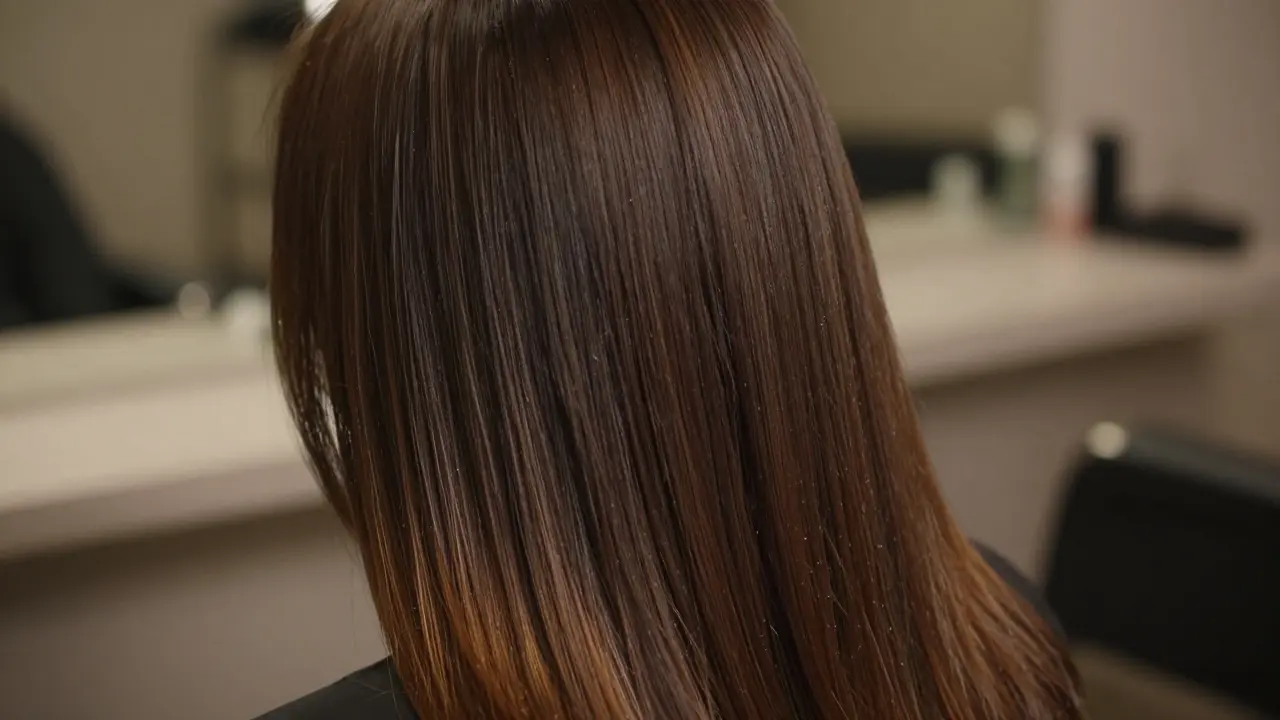
If your primary goal is low maintenance and a zero-risk fade, stick close to nature. Medium to dark browns and soft blacks are the champions of graceful aging. These shades use smaller dye molecules that bond tightly with the hair shaft. As they fade, they don’t shift tone dramatically; they simply soften. A rich chocolate brown might lose a bit of depth, but it rarely turns orange or green. It just becomes a slightly lighter brown.
The American Academy of Dermatology recommends choosing a dye within three shades of your natural color. Staying within this range minimizes damage and ensures that if the color does fade, it blends seamlessly with your roots. For brunettes, going one or two shades darker than your natural level is often the smartest move. It adds richness without creating a harsh line of demarcation as your roots grow in. You can typically go 6-8 weeks before a touch-up is needed, and during those weeks, the color remains consistent.
Blondes: How to Avoid the Brass Trap
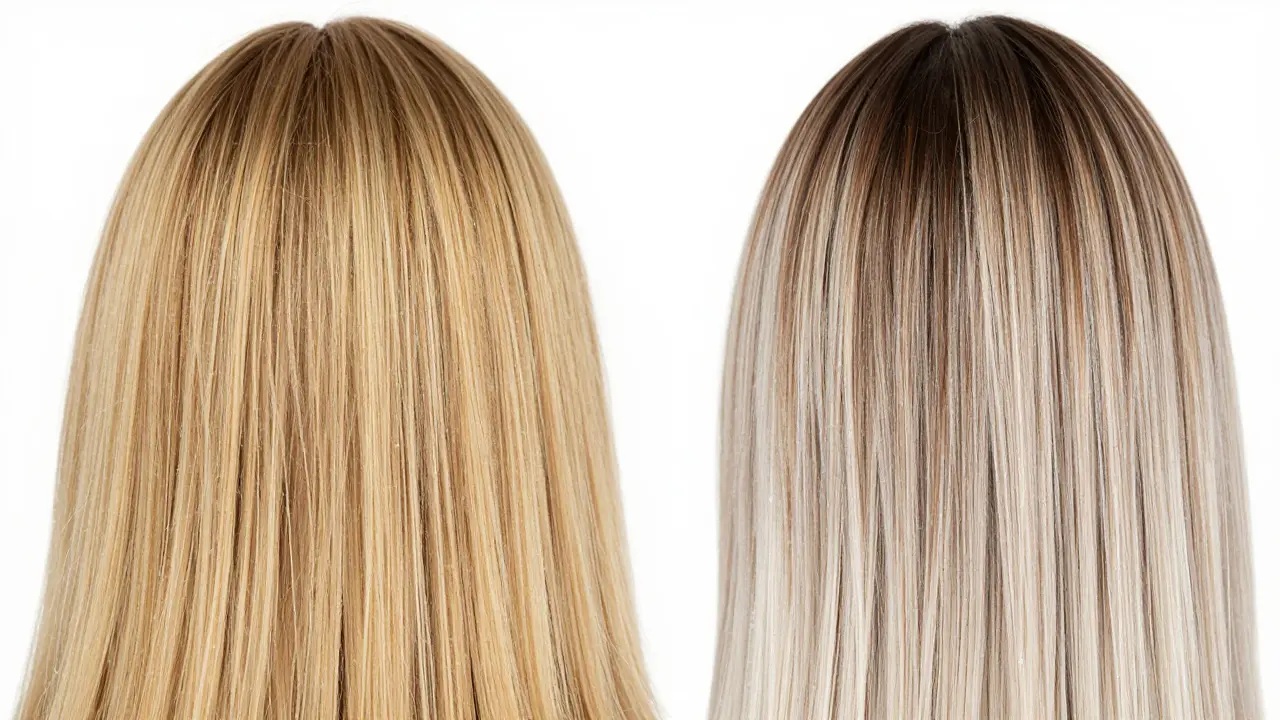
Blonde is high-risk, high-reward. Lightened hair is inherently more porous, making it vulnerable to rapid fading and tonal shifts. The biggest enemy here is brassiness-the emergence of yellow or orange tones as the cool pigments wash out. This is what most people mean when they say their blonde faded ugly.
To mitigate this, avoid solid, scalp-to-ends bleaching if possible. Instead, opt for techniques like balayage or babylights. Biolage notes that these painted-on techniques create a gradient effect. As your roots grow out, the transition is soft and intentional, not a stark contrast. Furthermore, maintaining a blonde requires active defense. Using a purple shampoo once a week helps neutralize yellow tones, keeping the fade looking icy and clean rather than muddy. If you must go light, stay within 2-3 levels of your natural shade to reduce the shock to your hair’s cuticle.
Reds: The High-Maintenance Divas
Let’s be honest: red hair is beautiful, but it is chemically unstable. Red pigment molecules are small and struggle to penetrate the hair cortex deeply. They sit loosely and wash out easily. This means bright cherry reds and vivid coppers will likely fade to orange or washed-out pink within 2-4 weeks. That orange phase is often perceived as an ugly fade because it lacks the richness of the original dye.
If you crave red but fear the fade, choose deeper auburns or red-brown blends. Adding brown base stabilizes the color. As it fades, it shifts toward a warm brunette rather than a neon orange. Brands like GK Hair emphasize that quality matters immensely here. Invest in a high-quality permanent red dye and accept that you will need to refresh the color every four weeks to keep it looking vibrant. Protect your hair from sun and heat, both of which accelerate red pigment loss.
Fashion Colors: Purple Is the King of Fading
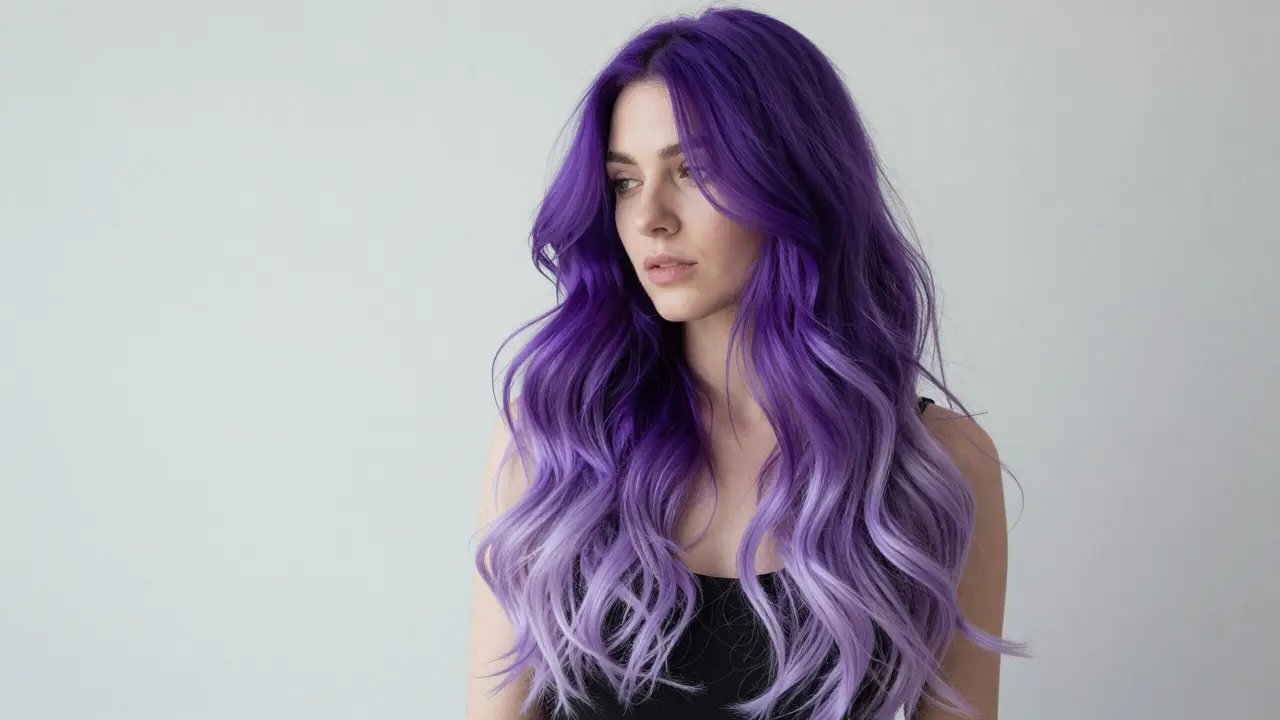
If you want something bold but aren't ready to commit to weekly salon visits, fantasy colors offer a unique solution-if you pick the right one. Community feedback from platforms like Reddit’s r/HairDye consistently points to purple as the best-looking color as it fades. Deep purples, such as those found in brands like Arctic Fox, are formulated to degrade into soft lavenders and lilacs. These pastels are generally considered flattering and stylish, avoiding the grey or muddy tones that plague other shades.
Teals and deep blues can also work well, provided they are dark enough. A jewel-tone teal may fade into a seafoam green, which many find appealing. However, caution is advised with greens and light blues. Green can fade into a murky olive, and light blue often turns into a dingy grey. Stick to saturated, dark bases for fashion colors. They provide more depth to fade through, extending the lifespan of the attractive phase from 2 weeks to potentially 6-8 weeks.
Maintenance Habits That Save Your Color
Even the best color choice will fail if your care routine is lacking. Water temperature plays a huge role. Hot water opens the hair cuticle, allowing pigment to escape. Wash your hair in lukewarm water and finish with a cool rinse to seal the cuticle. This simple step can significantly slow down fading.
Frequency of washing is another critical factor. Every shampoo session strips some pigment. Switch to sulfate-free shampoos, which are gentler on color-treated hair. Consider using dry shampoo between washes to extend the time between cleansings. Additionally, protect your hair from UV rays. Sunlight oxidizes hair dye, leading to dullness and brassiness. Wear a hat or use hair products with UV filters when spending extended time outdoors.
| Color Family | Fade Speed | Fade Appearance | Maintenance Level |
|---|---|---|---|
| Dark Brown/Black | Slow | Softens, stays true to tone | Low |
| Balayage Blonde | Moderate | Gradual lightening, potential brassiness | Medium |
| Bright Red/Copper | Fast | Shifts to orange/pink | High |
| Deep Purple | Moderate | Fades to lavender/lilac | Medium |
| Neon Pastels | Very Fast | Patchy, dull, or grey | Very High |
Choosing Based on Your Natural Shade
Your starting point dictates your options. If you are a natural brunette, sticking to shades within 1-3 levels of your natural color is the safest route. You can experiment with subtle highlights or lowlights to add dimension without risking a harsh root line. For those with dark blonde or light brown hair, beige or honey blondes applied via balayage offer a forgiving alternative to full bleaching. If you are drawn to fantasy colors, ensure your hair is pre-lightened correctly by a professional to minimize porosity issues that lead to uneven fading.
Ultimately, the "best" color is one that aligns with your willingness to maintain it. If you want set-it-and-forget-it, go dark. If you want bold but manageable, go deep purple. If you love red, budget for frequent touch-ups. Understanding these dynamics allows you to enjoy your hair color without the stress of an ugly fade ruining the vibe.
What is the least high-maintenance hair color?
Dark browns and soft blacks are the least high-maintenance. They fade slowly and gracefully, often lasting 6-8 weeks before needing a touch-up. Because they are close to natural shades, regrowth is less noticeable, and the color does not shift to undesirable tones like orange or green.
Does purple hair fade nicely?
Yes, deep purple is widely considered one of the best-fading fantasy colors. It typically fades into soft lavenders and lilacs rather than turning grey or muddy. To achieve this, choose a saturated, dark purple shade and limit washing to preserve the pigment longer.
Why does my red hair turn orange?
Red pigment molecules are small and do not penetrate the hair cortex deeply. As they wash out, the underlying warm pigments (orange and yellow) become visible. This is a natural part of the fading process for red dyes. Choosing deeper auburn tones can help mask this shift.
How can I prevent my blonde hair from fading ugly?
To prevent ugly fading, use purple shampoo regularly to neutralize brassiness, wash with lukewarm water, and avoid excessive heat styling. Opting for balayage instead of full bleaching also helps create a softer, more natural grow-out pattern.
Is permanent or semi-permanent dye better for fading?
Permanent dye is generally better for avoiding ugly fades because it penetrates the hair shaft deeply and lasts until the hair grows out. Semi-permanent dye sits on the surface and washes out faster, often leading to quicker and more uneven fading.