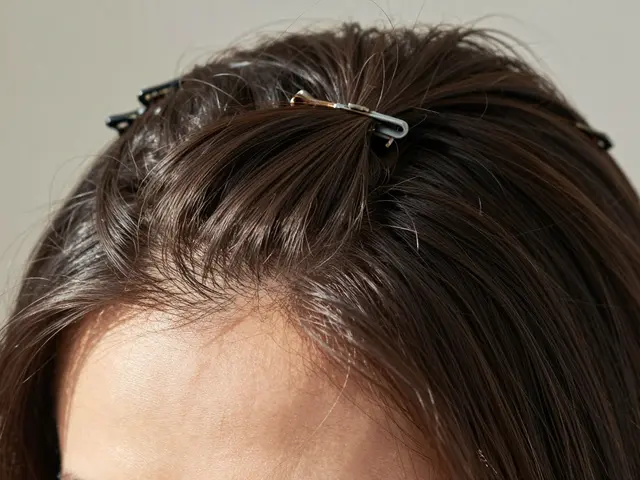

Dyeing your hair at home can be fun, but getting bold color on dark hair isn't as simple as it seems. If you've ever wondered why your brown or black hair barely picks up color, you're not alone. The trick is knowing which shades actually pop and which products get the job done. Kool-Aid? Yeah, it’s not just for drinks—some folks swear by it for quick, colorful changes.
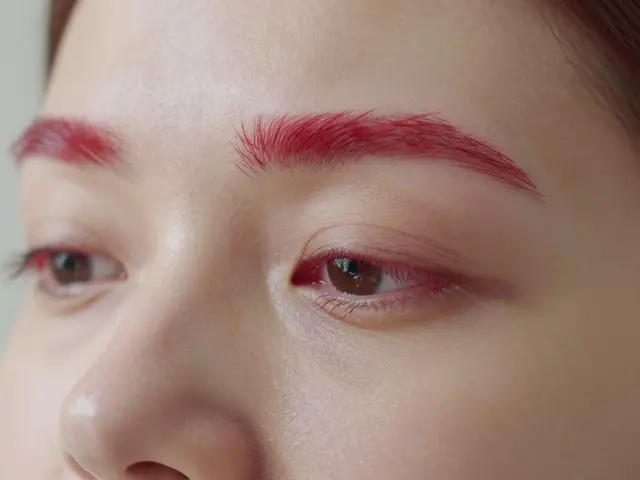
So, what colors work best with Kool-Aid on darker hair? Red, blue, and purple are the safe bets. Red Kool-Aid gives your hair a rich, sometimes purplish glow, while blue transforms into a deep navy. Purple? Expect that cool, moody vibe. Just don't reach for yellow or orange unless you love disappointment—they barely show up on dark strands.
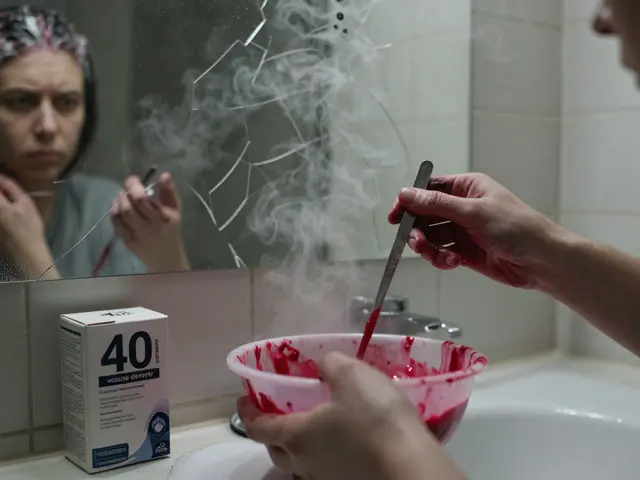
Here’s the scoop: before you mix your color, wash your hair well but skip the conditioner so the color grabs on tighter. Boil water, stir in a few packets of your chosen Kool-Aid, let it cool a bit, then dip your ends or apply it all over. Wrap your hair and let it soak for a few hours. Rinse with cool water, and you're set—no harsh chemicals, just a fun new look. But heads up, the color can last for weeks, especially if your hair’s light at the ends.
If you’re after a more permanent color fix, look for dyes labeled specifically for dark hair. These formulas are stronger and packed with pigments that actually show up. Brands even make special reds and blues that don’t need pre-bleaching. Always do a strand test first to dodge disasters.
Keep your colored hair healthy. That means deep conditioning every week, skipping shampoos filled with sulfates, and keeping away from hot styling tools when you can. Color zaps moisture out of your hair, but moisture masks can bring it right back. A silk pillowcase isn’t just hype—it really does help keep the color looking fresh longer.
Dyeing at home doesn’t have to mean dry, brittle hair or uneven color. Pick the right shades, start with clean strands, and care for your hair while rocking your bold new look. For even more hacks and honest reviews on hair products that work, check out the rest of the Halo Hair North Carolina site. Got a coloring disaster or a cool success story? Share it—we’re all learning together.
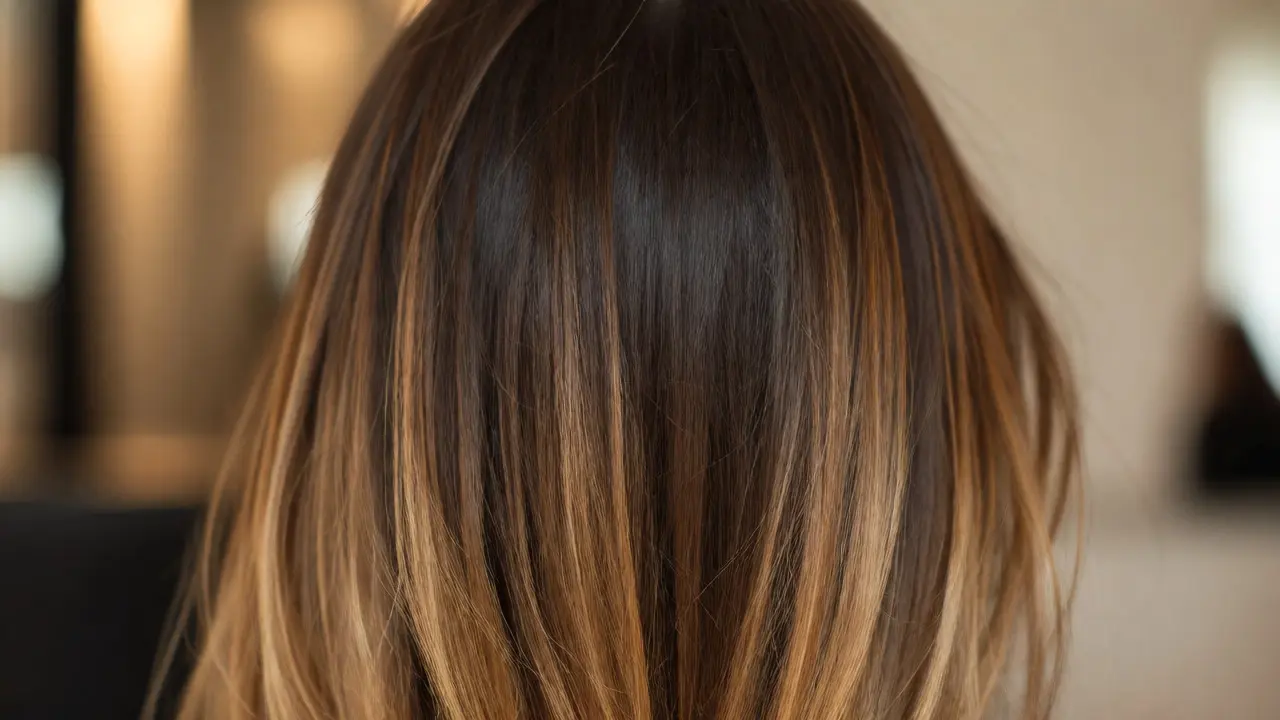
Discover which hair colors are truly low-maintenance. Learn why staying within 3 levels of your natural shade and using techniques like balayage saves time and money.
 1
1
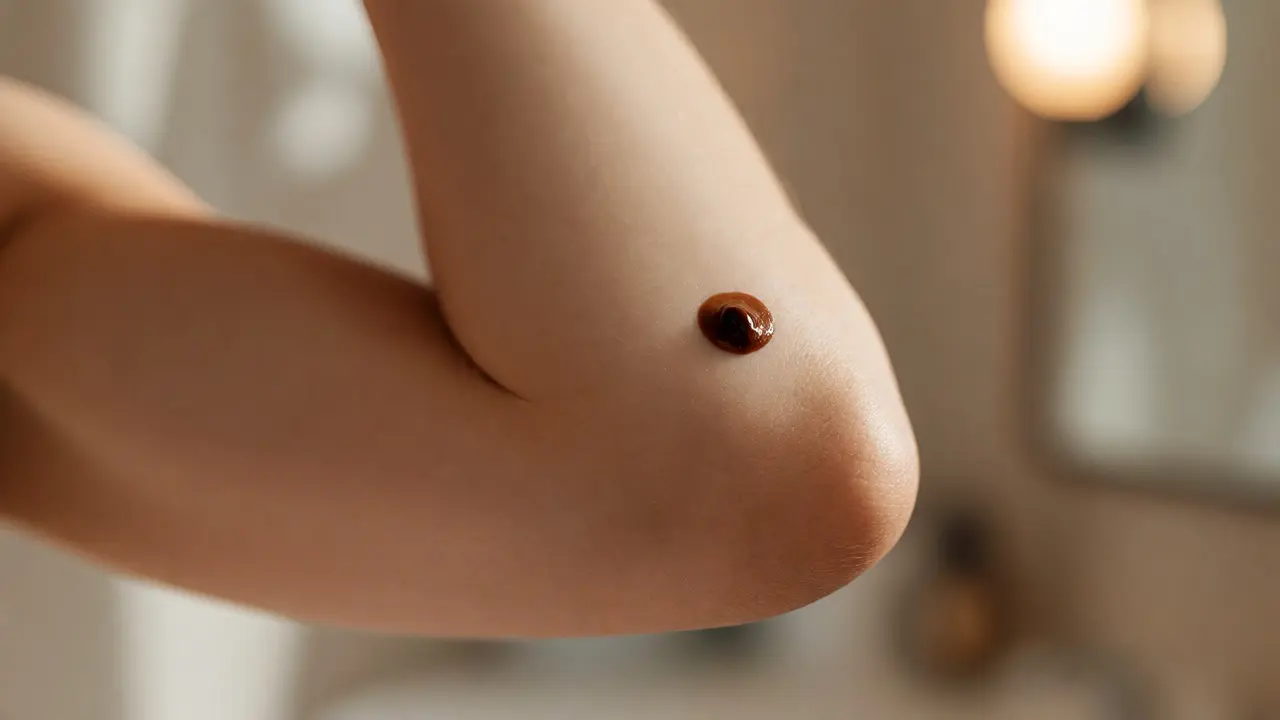
Discover the safest hair dye options for sensitive scalps. We compare PPD-free brands like Tints of Nature and Naturtint against semi-permanent dyes like Arctic Fox. Learn why patch testing is critical and how to minimize side effects.
3
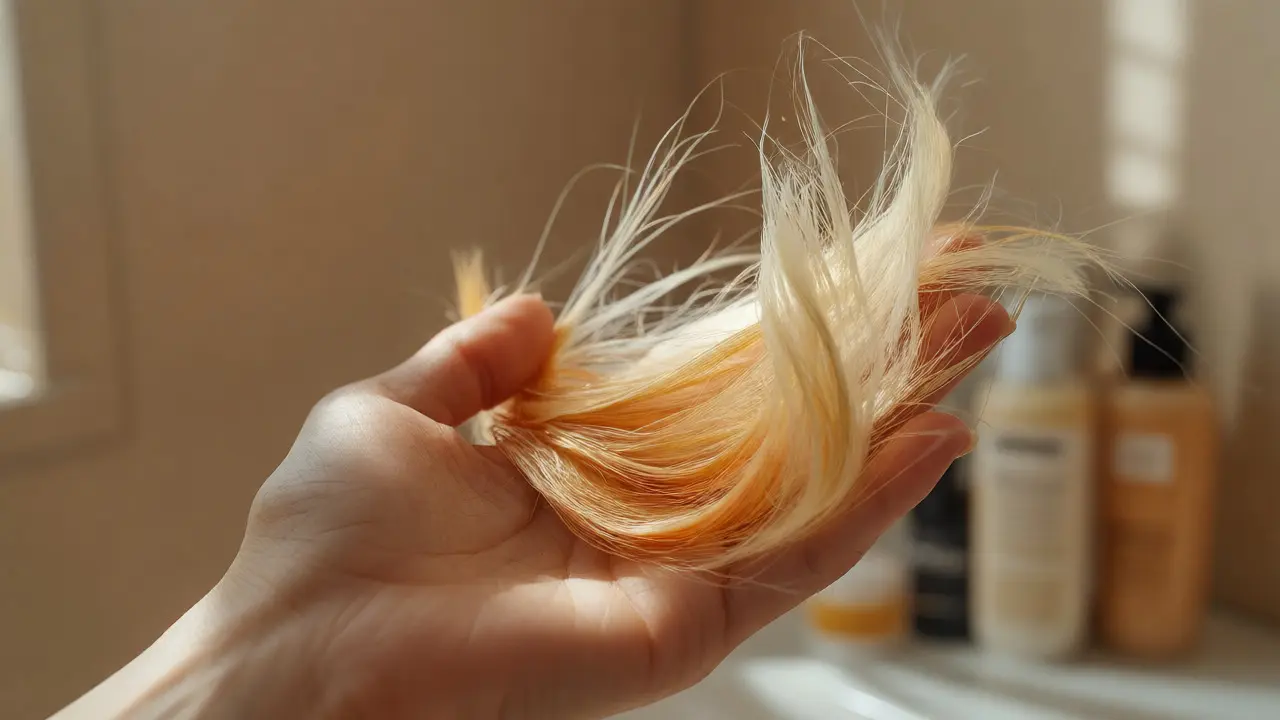
Can you use blonde hair dye instead of toner? Technically yes, but it risks damage and unpredictable results. Learn why dedicated toners are safer for neutralizing brassiness on bleached hair.
6
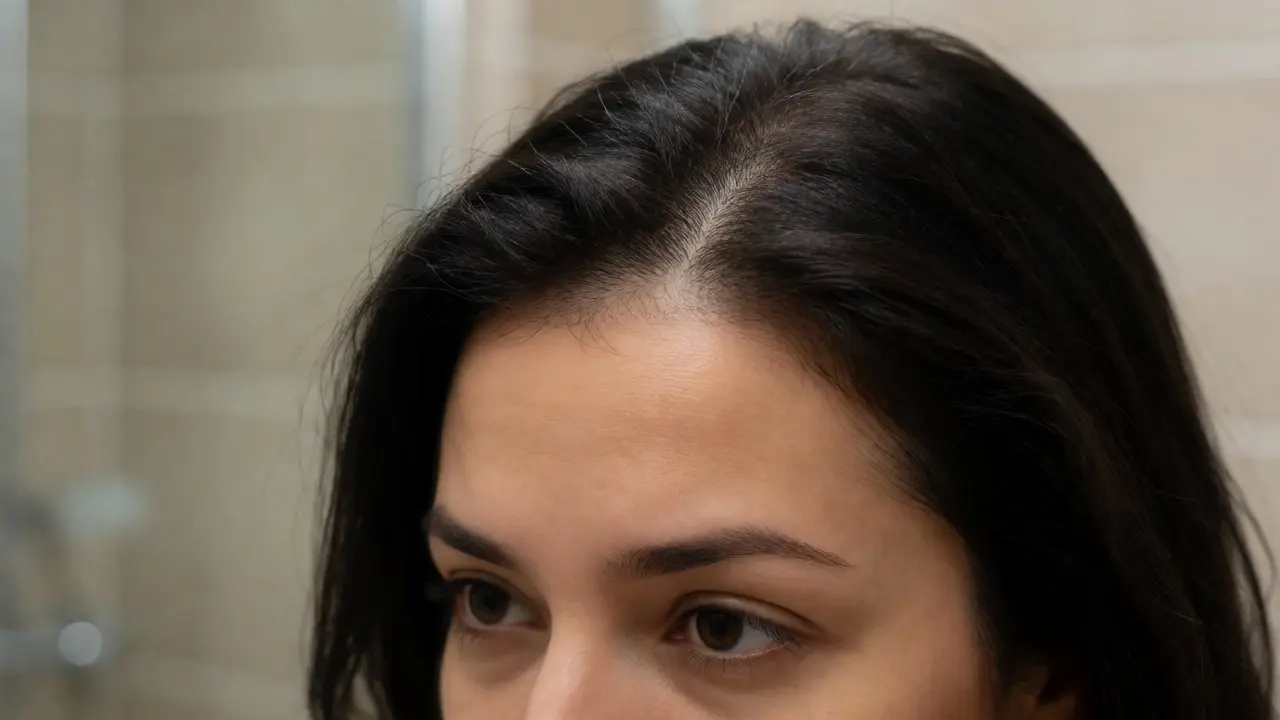
Wondering if you can dye your roots every two weeks? Discover expert advice on safe intervals for permanent vs. semi-permanent color, risks of over-processing, and tips to minimize damage.
13

Confused by semi vs. demi hair color? Learn the key chemical differences, longevity, and gray coverage capabilities to choose the right non-permanent dye for your hair.
13
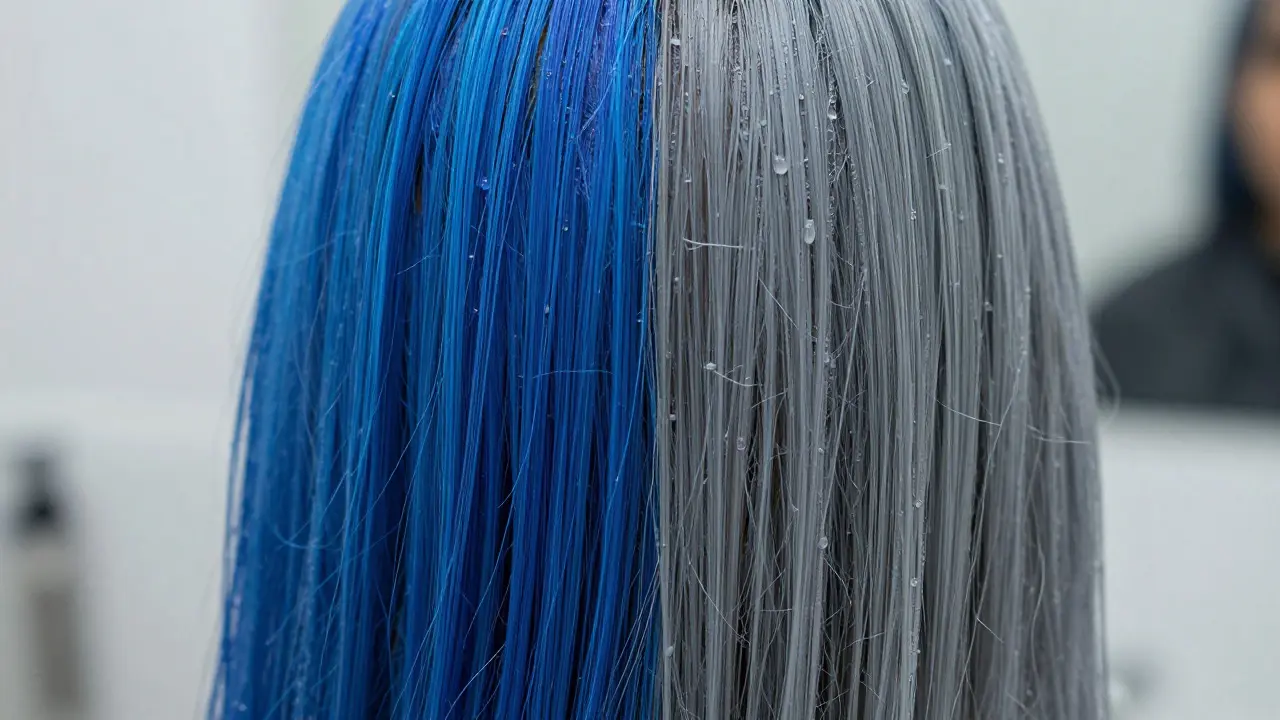
Discover the real disadvantages of temporary hair color, including allergic risks, rapid fading, and staining issues on damaged hair.
0
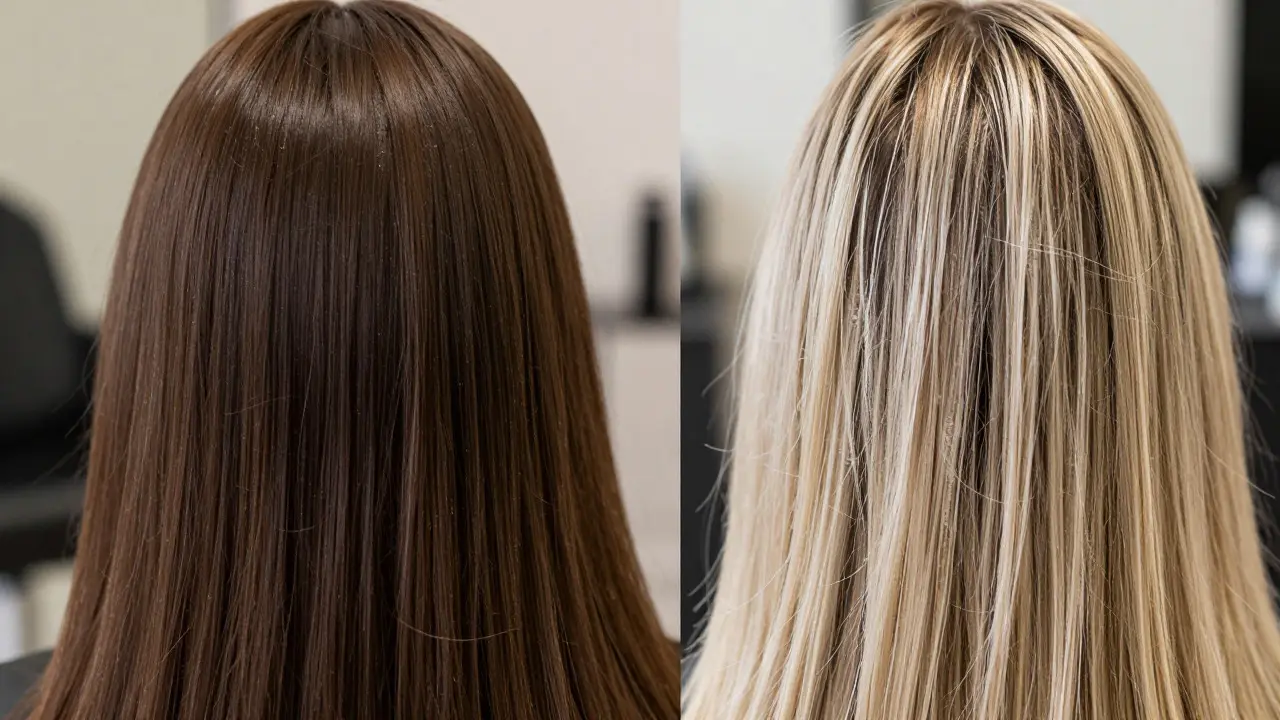
Discover whether permanent hair color or bleach highlights cause more damage. We break down the science of cuticle lifting versus bond breaking to help you choose the best option for your hair health.
0
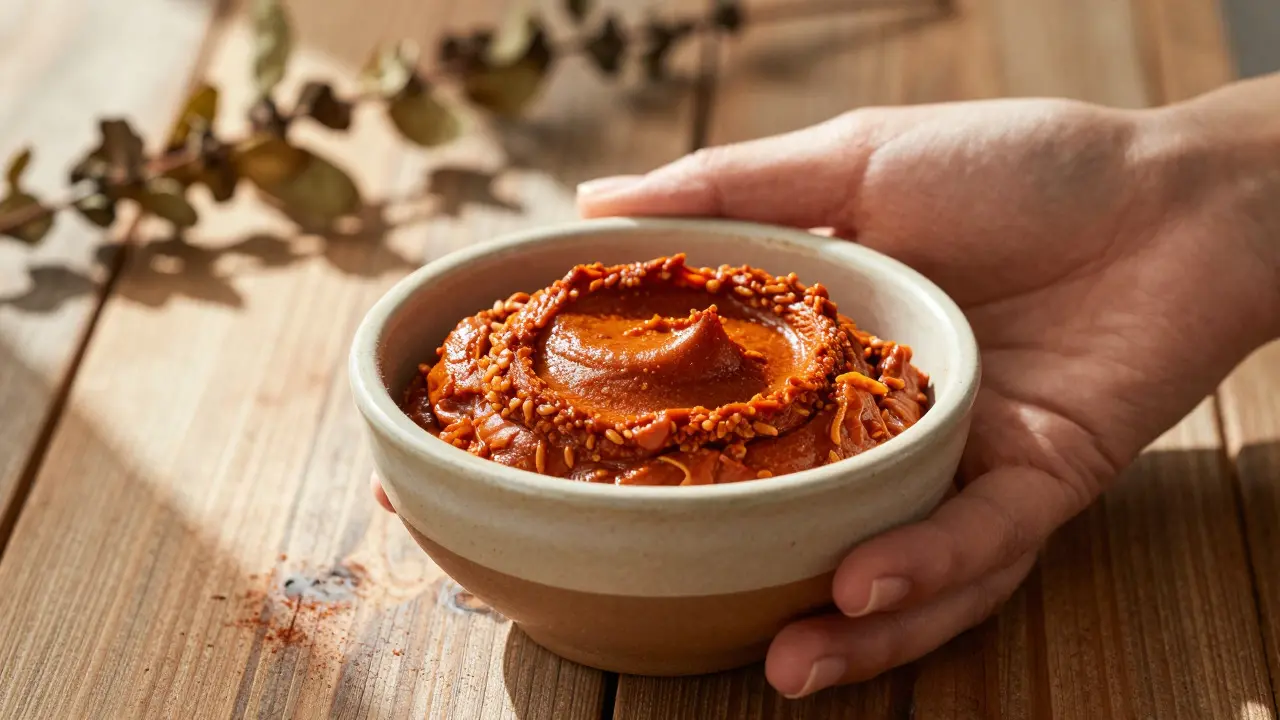
Discover the best non-chemical hair color options for 2026. Compare henna, indigo, and low-tox dyes to find the safest choice for your hair type and goals.
0

Discover which dyed hair colors are considered most obnoxious and why. We explore the science behind perception, cultural stereotypes around neon blue and green, and practical tips for handling social judgments.
14
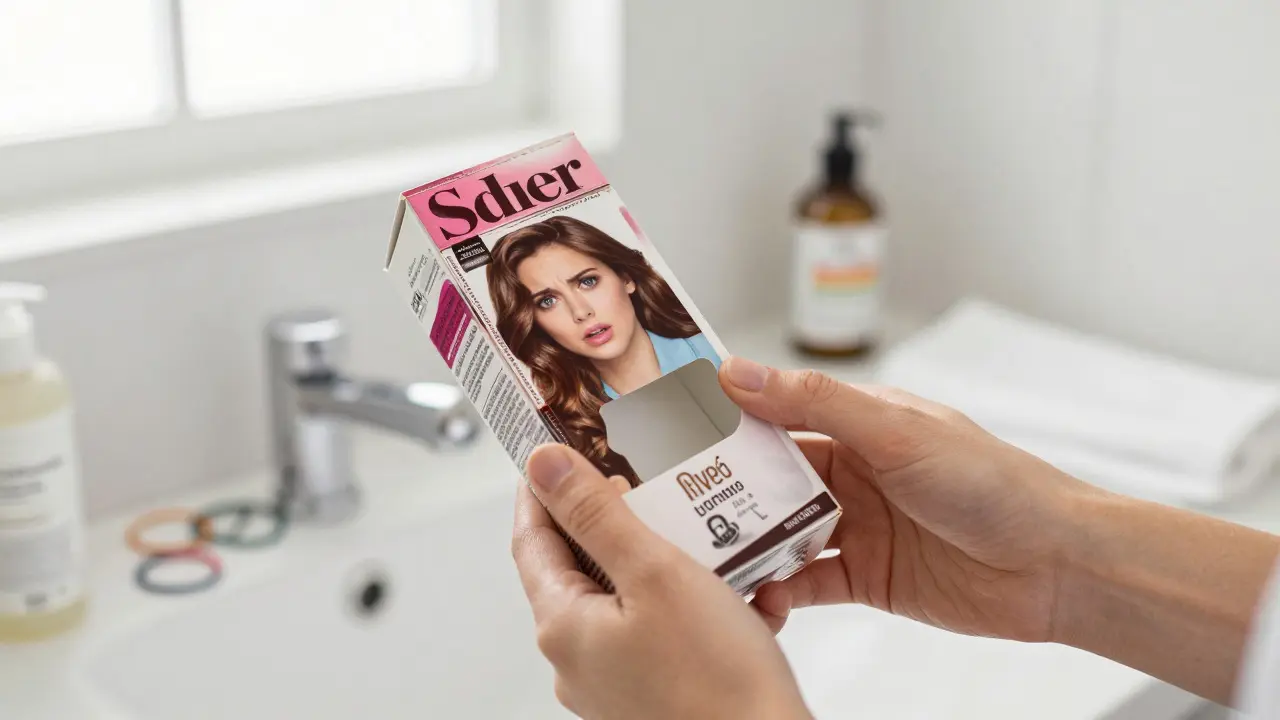
Wondering what to use if you're out of hair dye developer? We explain why conditioner fails, how to safely use hydrogen peroxide as a backup, and which dyes don't need developer at all.
0