

There is nothing quite as shocking as looking in the mirror after a DIY dye job and seeing your hair has turned a deep, swampy green. It happens more often than you might think-especially if you used an ash blonde dye on previously bleached hair or swam in a chlorinated pool. The good news? Since semi-permanent hair dye sits mostly on the outside of the hair shaft rather than penetrating deeply like permanent oxidative color, it can be removed without resorting to harsh bleach. You just need the right strategy.
Removing dark green pigment requires patience and a step-by-step approach. Jumping straight to strong chemicals can damage your hair further. Instead, we will walk through methods ranging from gentle clarifying washes to powerful Vitamin C masks and color-theory neutralization. By understanding how these pigments behave, you can fade that unwanted green safely and effectively.
Understanding Why Your Hair Turned Green
Before you start scrubbing, it helps to know why the green appeared. Green tones usually show up when warm pigments (red and yellow) are stripped away, leaving only cool blue and green undertones exposed. This is common with ash dyes, which contain blue pigments to cancel redness. If your hair was porous from previous bleaching, those blue pigments grab onto the empty spaces aggressively.
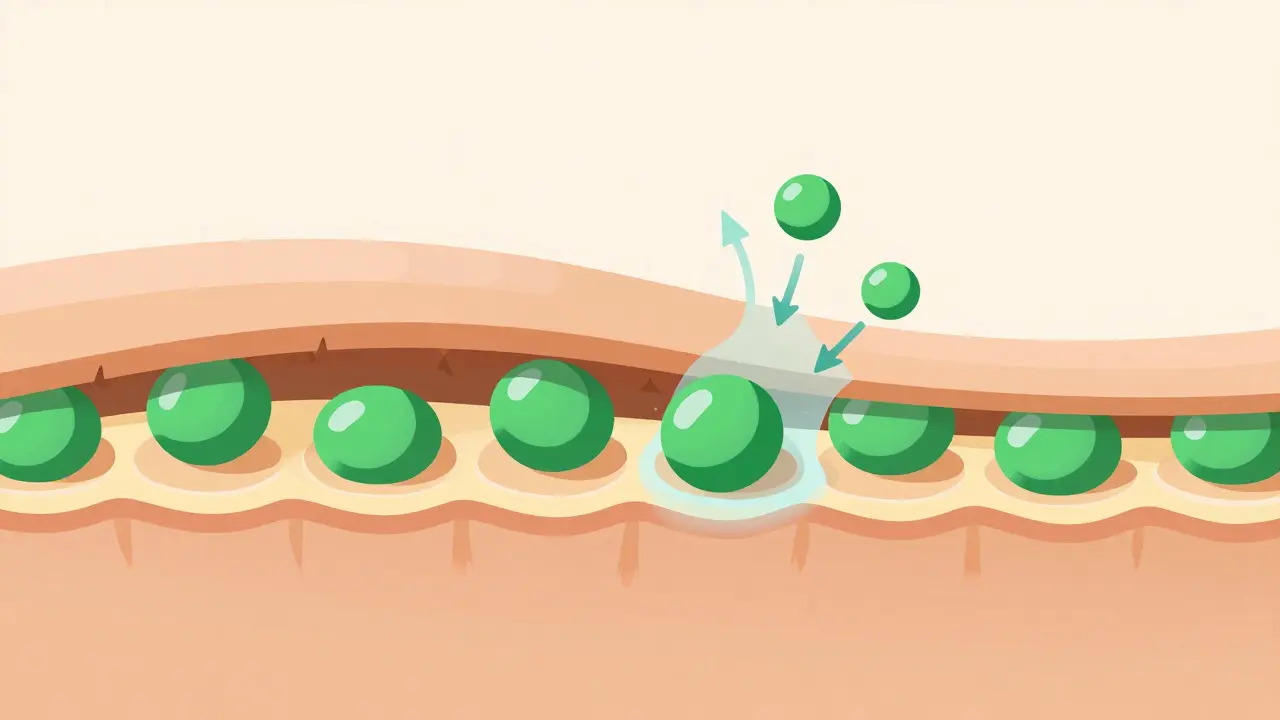
Semi-permanent dye works differently than permanent dye. It lacks ammonia and developer, meaning the color molecules are large and sit within the cuticle layer rather than opening it permanently. This makes them easier to wash out over time but also means they can cling stubbornly to porous areas. Understanding this structure is key: you want to lift the cuticle slightly to release the pigment without breaking the hair shaft.
Method 1: Clarifying and Chelating Shampoos
The least damaging way to start is by using high-detergent shampoos designed to strip buildup. Regular moisturizing shampoos won't touch semi-permanent dye because they are too gentle. You need something with stronger surfactants.
- Clarifying Shampoo: Look for products labeled "clarifying" or "deep cleansing." These are formulated to remove minerals and product residue that can trap color molecules.
- Anti-Dandruff Shampoo: Brands like Head & Shoulders contain zinc pyrithione and strong detergents that help break down dye bonds. Many users report success mixing equal parts anti-dandruff shampoo with baking soda for extra lifting power.
- Application Tip: Wet your hair thoroughly with warm water (heat helps open the cuticle). Apply the shampoo, massage it in vigorously for 3-5 minutes, and rinse. Repeat this process 2-3 times in one session if needed.
This method is slow but safe. It may take several days of daily washing to see significant fading, but it preserves your hair's integrity. For best results, follow up with a deep conditioner to replenish moisture lost during the aggressive washing.
Method 2: The Vitamin C Mask Protocol
If clarifying shampoos aren't cutting it, the next step up in effectiveness-and still relatively safe-is the Vitamin C mask. Ascorbic acid acts as a mild reducing agent, helping to break down the direct dye molecules so they rinse away more easily. This is currently one of the most popular non-bleach removal techniques among home users.
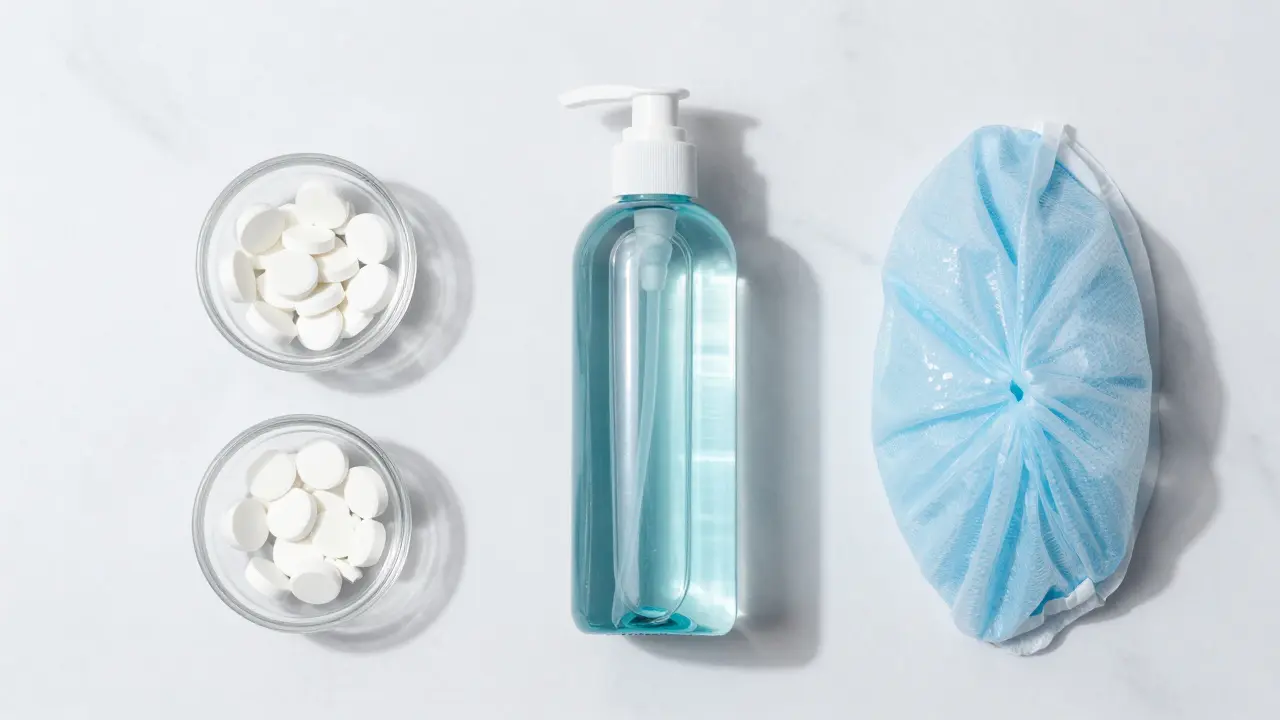
- Gather Ingredients: You will need 10-20 Vitamin C tablets (crush them into a fine powder) and a generous amount of clarifying shampoo.
- Mix the Paste: Combine the Vitamin C powder with enough shampoo to create a thick, cake-batter consistency paste.
- Apply to Hair: Section your damp hair and apply the mixture thoroughly, ensuring every strand coated in green is covered. Rub it in gently to work the acid into the cuticle.
- Trap Heat: Cover your hair with a plastic shower cap. For better results, wrap a warm towel around the cap or use a hood dryer. Heat accelerates the chemical reaction.
- Process Time: Leave the mask on for 30-60 minutes. Check your hair every 15 minutes to monitor the fade.
- Rinse and Condition: Rinse thoroughly with lukewarm water. Follow immediately with a rich, moisturizing conditioner or hair mask, as Vitamin C can be drying.
Many users find that one session significantly lightens the green, while others may need two treatments spaced 24 hours apart. Be prepared for your hair to feel dry afterward; hydration is crucial at this stage.
Method 3: Alkaline Boosters (Baking Soda & Dish Soap)
For those who need faster results and have healthy, non-bleached hair, alkaline boosters can provide a quicker fade. However, these methods are highly drying and should be used with caution.
Baking Soda Paste: Mix baking soda with a small amount of water to form a thick paste. Apply it to wet hair, focusing on the darkest green areas. Leave it on for no more than 5-10 minutes. Baking soda is highly alkaline, which raises the hair's pH and opens the cuticle widely, releasing pigment but also stripping natural oils.
Dish Soap Mix: Some people mix a few drops of Dawn dish soap with regular shampoo. Dish soap is designed to cut grease, making it effective at stripping color. Apply the mixture, let it sit for a few minutes, and rinse. Never leave dish soap on your hair for extended periods, as it can cause severe dryness and breakage.
After using either of these methods, you must deep condition. Consider using a protein treatment if your hair feels gummy or weak, as the high pH can weaken the hair structure temporarily.
Method 4: Color Theory Neutralization
Sometimes, removing all the green isn't necessary or possible without damage. In these cases, you can neutralize the green tone using color theory. On the color wheel, red is directly opposite green. Adding red pigments cancels out the green, resulting in a more neutral brown or blonde shade.
Ketchup Mask: A classic home remedy involves applying ketchup to your hair. The tomato-based product contains red pigments and acidity. Apply a thick layer of ketchup to your hair, cover with foil or a cap, and leave it on for 15-20 minutes. Rinse thoroughly. This works best for slight green tints rather than deep forest greens.
Red Toner or Semi-Permanent Dye: For a more professional result, apply a red-toned semi-permanent dye or toner over the green. Choose a shade slightly lighter than your target base color. This deposits warm pigments that counteract the cool green tones. Let it process according to the package instructions, then rinse. This method doesn't remove the dye but corrects the appearance instantly.
When to Use Commercial Color Removers
If home remedies fail, commercial color removers are the next logical step. Products like Color Oops or specialized salon-grade removers work by shrinking the color molecules so they can wash out of the hair. Unlike bleach, they do not lighten your natural pigment, making them safer for previously colored hair.
Follow the manufacturer's instructions carefully. Typically, you apply the remover, wait 10-30 minutes, and then rinse. Afterward, your hair may smell sulfurous (like rotten eggs) due to the sulfur compounds in the formula. This smell dissipates after a few washes. Always follow with a deep conditioning treatment, as these products can be drying.
Preventing Future Green Tones
Once you've successfully removed the green, protecting your hair from future discoloration is essential. Porous hair is prone to picking up environmental minerals and dye residues.
- Use Chelating Shampoos: If you swim in pools or hot tubs, use a chelating shampoo weekly to remove copper and chlorine buildup.
- Avoid Ash Dyes on Bleached Hair: If your hair is level 9 or 10 (very light blonde), avoid ash or platinum dyes unless you are experienced with toning. Opt for neutral or beige blondes instead.
- Deep Condition Regularly: Healthy, sealed cuticles resist unwanted pigment absorption better than dry, porous hair.
Will bleach remove green semi-permanent dye?
Yes, bleach will remove green dye, but it is often unnecessary and risky for semi-permanent colors. Bleach can severely damage already processed hair. Try gentler methods like Vitamin C masks or clarifying shampoos first. Reserve bleach for extreme cases where other methods have failed, and consider having a professional apply it to minimize damage.
How long does it take to remove green hair dye naturally?
Natural fading through regular washing can take 4-8 weeks depending on how often you wash your hair and the porosity of your strands. Using targeted treatments like Vitamin C masks or clarifying shampoos can speed this up to a few days. Consistency is key; multiple sessions are usually required for complete removal.
Can I use ketchup to fix green hair?
Ketchup can help neutralize slight green tints due to its red pigment content. It is not a remover but a color corrector. Apply it for 15-20 minutes under a cap. For deep green dye, ketchup alone will likely be ineffective, and you should combine it with a clarifying wash or use a professional red toner.
Is Vitamin C safe for hair?
Vitamin C is generally safe for hair when used correctly. It is milder than bleach and does not contain ammonia. However, it can be drying, so always follow a Vitamin C mask with a deep conditioner. Avoid leaving it on for longer than 60 minutes to prevent excessive dryness or cuticle damage.
Why did my hair turn green after dyeing it blonde?
Green hair often results from using ash blonde dyes on very light, porous hair. Ash dyes contain blue pigments to neutralize orange/yellow tones. If your hair lacks underlying warmth, the blue pigments remain visible, creating a green cast. Chlorine exposure can also cause green tones by depositing copper particles on the hair shaft.