
There is a specific anxiety that comes with sitting in the salon chair for three hours. You have spent money, you have blocked off your afternoon, and now you are waiting to see if the stylist has made a critical error in judgment. The biggest debate isn't about which shade of blonde looks best; it is about the order of operations. Should they snip away inches of length before applying the dye, or should they paint the chemical mixture on first and trim the ends later?
If you walk into a standard salon chain like Hair Cuttery, a brand that has been operating since 1974 and handles thousands of combined appointments weekly, you will likely find a default workflow. But does that default work for your specific hair goals? The answer depends entirely on how much length you are losing and what kind of color technique you are getting.
The Default Rule: Why Color Usually Comes First
For the vast majority of clients-those getting a simple trim and a root touch-up-the industry standard is to apply color first, then cut. Celebrity colorist George Papanikolas, quoted by Makeup.com, confirms that most salons follow this sequence. It isn't just tradition; there is chemistry involved.
Your scalp produces natural oils, known as sebum, over a 24-to-48-hour period. These oils act as a protective barrier against the harsh chemicals found in oxidative dyes and lighteners. If a stylist cuts your hair first, they typically shampoo it as part of the haircut service. That wash strips away the protective oil layer. When the color is applied immediately after, your scalp is exposed directly to ammonia or peroxide, increasing the risk of irritation, burning, or dryness during the 30-to-60-minute processing time.
Furthermore, consider the mechanics of the appointment. A color service requires at least one shampoo and often a conditioning or toning step. If you get a full precision cut and blow-dry first, the stylist would have to wet your hair again for the color, followed by another rinse and partial re-blow-dry. This doubles the mechanical stress on the hair fiber. By coloring first, the stylist can process the dye, rinse everything out once, and then perform the cut and final style in a single, efficient flow. For a routine gray coverage or gloss, this saves time and protects your scalp.
The Exception: Major Cuts and Length Removal
Now, imagine you are not getting a half-inch trim. You are going from long layers to a blunt bob, removing seven to twenty centimeters (three to eight inches) of hair. In this scenario, the "color first" rule breaks down.
Applying expensive lightener or custom color to hair that is destined for the trash bin is inefficient and potentially damaging. More importantly, drastic changes in length alter the weight distribution and movement of your hair. If you color long hair and then chop it short, the stylist cannot accurately judge how the new shape will frame your face. The color placement might look perfect on long strands but fall awkwardly on a chin-length bob.
In these cases, professionals often recommend two paths:
- The Rough Cut Method: The stylist removes the bulk of the length first (a "pre-cut") to establish the new shape. Then, they apply the color. Finally, they do a detailed refinement cut to clean up any dry ends caused by the chemicals.
- The Two-Day Split: As Papanikolas suggests, major transformations are best done on separate days. You get the cut first, let your scalp heal for a few days, and then return for the color. This reduces fatigue for both you and the stylist and ensures maximum precision.
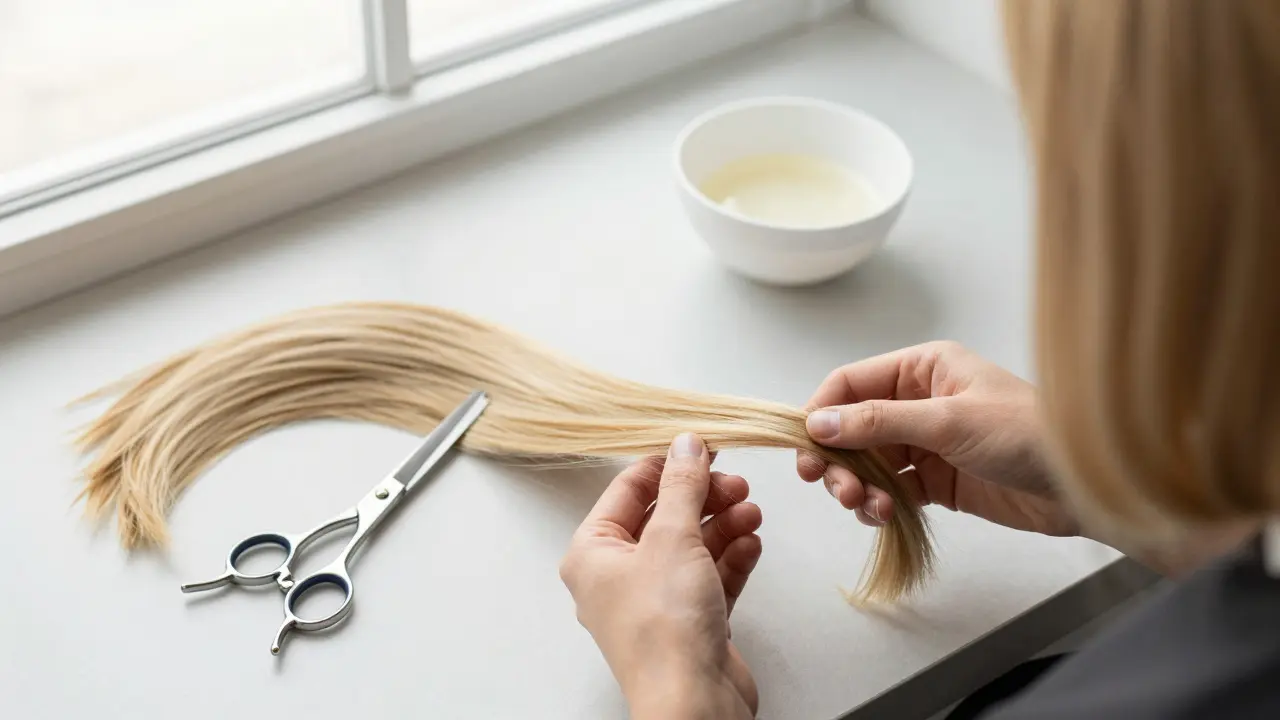
Custom Techniques: Balayage and Placement-Based Color
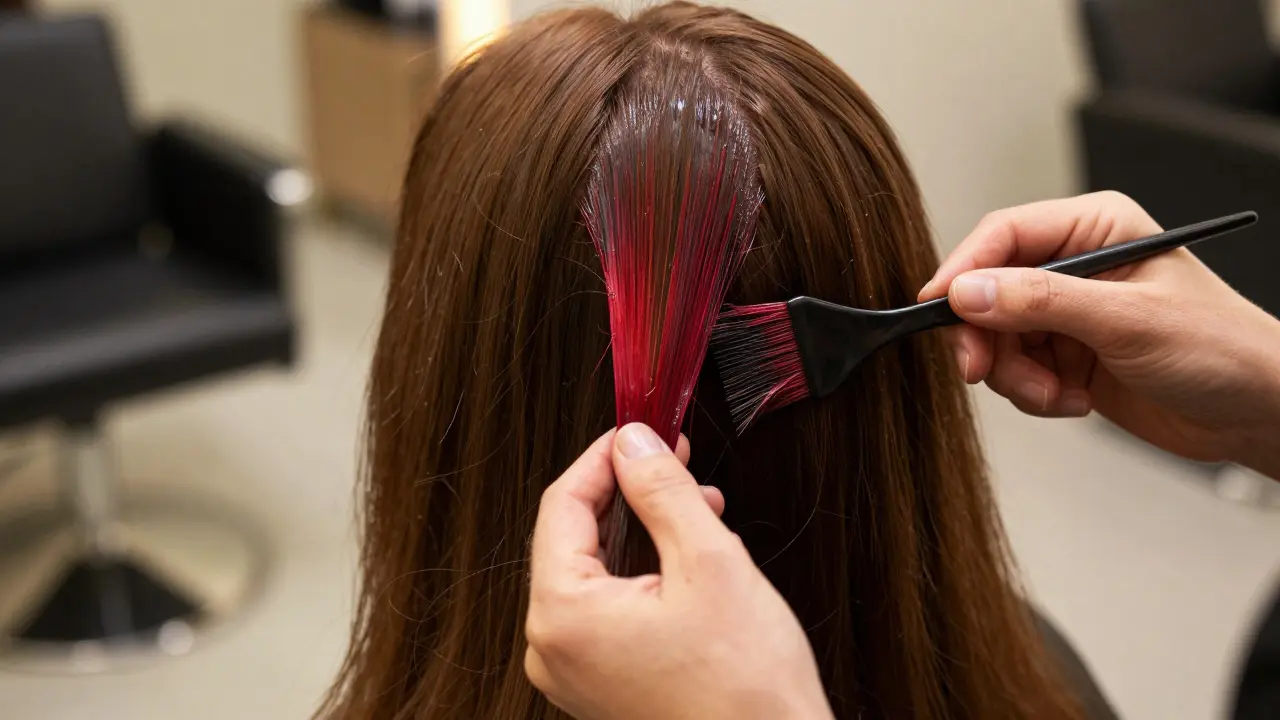
When we talk about modern techniques like balayage, a hand-painted highlighting method that creates a gradient effect, foilyage, or ombré, the conversation shifts from efficiency to artistry. These services, which can cost upwards of $80 to $200 depending on location and complexity, require strategic placement.
If you are adding significant layers or changing your fringe, many stylists prefer to cut the hair into its new silhouette first. Why? Because they need to know exactly where the ends will fall-on the collarbone, the jawline, or the shoulders-to paint the lighter pieces effectively. If they color first, they are guessing where the lightness needs to sit to complement the eventual cut. By cutting first, the stylist can map the color to accentuate the movement and texture of the new shape.
However, if the cut is subtle and the color is complex, some experts still lean toward coloring first. They argue that seeing the final tone and dimension helps them refine the cut with point-cutting or texturizing techniques that depend on how light or dark certain sections appear. There is no universal law here, which is why consultation is non-negotiable.
| Scenario | Recommended Order | Reasoning |
|---|---|---|
| Root Touch-Up + Small Trim (<1 inch) | Color First | Preserves scalp oils; efficient washing cycle; trims damaged ends after chemical exposure. |
| Major Length Change (>3 inches) | Cut First (or Separate Days) | Avoids wasting product on removed hair; allows accurate shape assessment before coloring. |
| Balayage/Ombré with New Layers | Cut First (Rough Cut) | Ensures color placement aligns with new hair movement and face-framing lines. |
| Fine, Fragile, or Over-Processed Hair | Color First | Allows immediate trimming of brittle ends weakened by lightening; minimizes handling. |
| Curly/Coily Hair Types | Consult Stylist (Often Separate) | Repeated wetting/drying disrupts curl patterns; dry cutting may be needed before color. |
Cost and Time Considerations in 2026
Let's talk numbers. According to booking platforms like Booksy in June 2026, a basic haircut starts around $20, while a single-process color hovers near $50. Partial highlights start at $40, and full highlights or balayage range from $80 upward. Most clients bundle these services, landing in the $100-to-$200 range for a combined appointment.
Salons structure their pricing and scheduling based on efficiency. A typical combined appointment lasts between 90 and 240 minutes. If the stylist follows an illogical order-such as cutting, drying, coloring, rinsing, and drying again-they lose 15 to 30 minutes of billable time. This inefficiency can lead to rushed services or higher prices. By adhering to the standard protocols (color first for maintenance, cut first for transformation), salons like Hair Cuttery and independent boutiques maintain profitability while delivering consistent results.
Additionally, product costs matter. Lighteners and developers are expensive. Using them on hair that will be cut off is a waste of resources that ultimately gets passed to the consumer. If you are chopping off six inches of hair, insist on a pre-cut to save money and reduce chemical load.
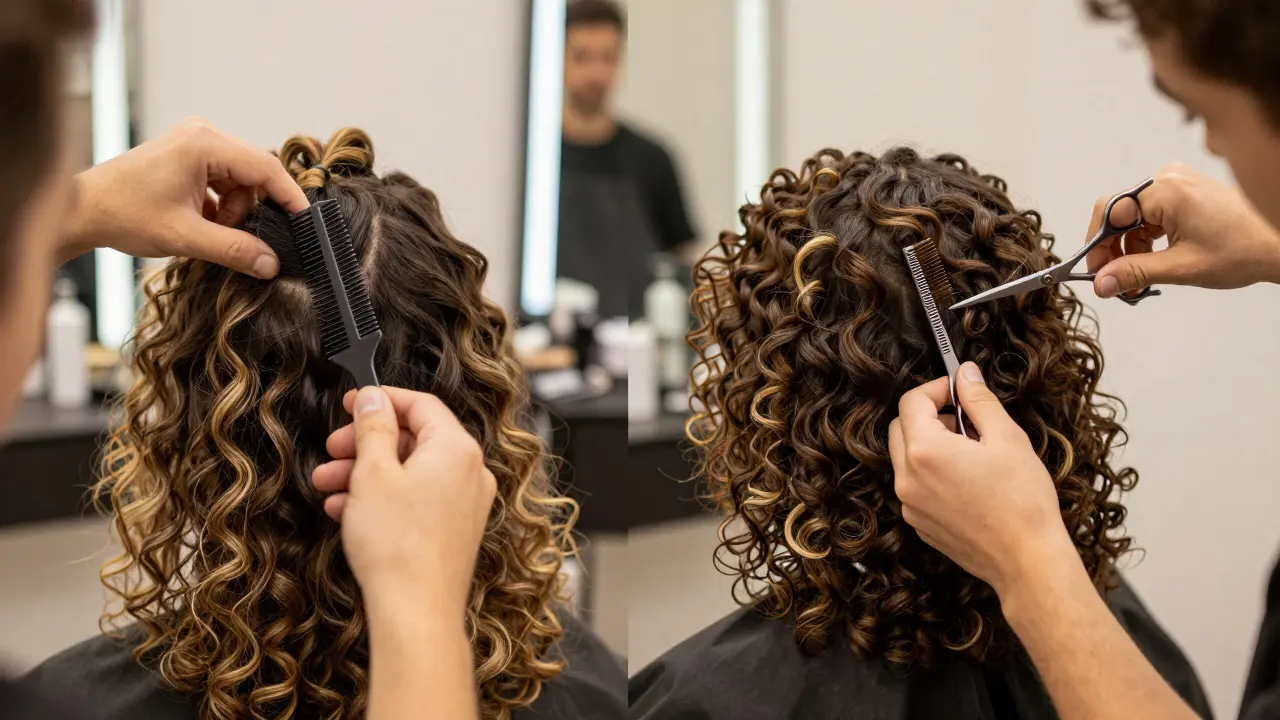
Hair Type Specifics: Curly and Fine Hair
Your hair texture plays a massive role in this decision. Clients with curly or coily hair often rely on dry cutting techniques that take 45 to 90 minutes. Repeated shampooing and detangling on the same day can disrupt curl patterns and cause frizz. Many curl specialists advise separating the cut and color services or doing a dry cut on a non-wash day before a future color appointment.
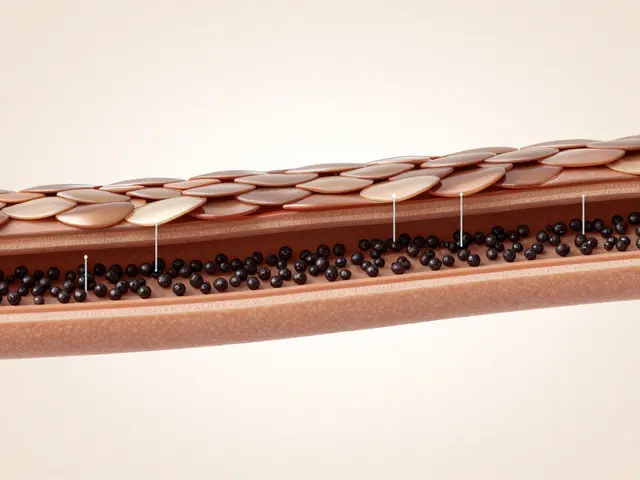
On the flip side, if you have fine, fragile, or previously over-processed hair, cutting after color is usually safer. Chemical treatments lift the cuticle and can reduce tensile strength by 10 to 30 percent. Trimming immediately after allows the stylist to remove the most compromised ends before they break off later. Pair this with a bond-building treatment, which adds 10 to 20 minutes to the service, for optimal health.
How to Navigate Your Consultation
Do not assume your stylist knows your preference. The best practice is to bring reference photos and discuss both your length and color goals in the initial 10-to-15-minute consultation. Ask direct questions:
- "I'm removing five inches of length. Should we cut first to save product?"
- "My scalp is sensitive. Will you apply color before washing my hair?"
- "Is this a job for one day, or should we split the cut and color?"
Stylists adjust sequencing based on technical constraints, artistic vision, and hair health. While the general rule is "color first, then cut" for minor updates, experienced professionals will deviate when necessary. Trust their expertise, but advocate for your comfort and budget.
Should I wash my hair before a color appointment?
Generally, no. Most stylists prefer you arrive with unwashed hair (24-48 hours old). The natural oils protect your scalp from chemical irritation. If you wash it right before, you strip this barrier, leading to potential burning or dryness during the color process.
Why do some stylists cut hair before balayage?
Balayage is placement-based. If you are changing your haircut significantly (adding layers or changing length), the stylist needs to see the new shape to paint the color correctly. Cutting first ensures the highlights accentuate the new movement and face-framing lines.
Is it better to get a cut and color on the same day?
For minor trims and root touch-ups, yes-it is efficient and convenient. For major transformations (removing more than 3 inches or drastic style changes), splitting them into two days is often better. It reduces fatigue, allows for precise shaping, and gives your scalp a break from chemical exposure.
Does the order matter for curly hair?
Yes. Curly hair often requires dry cutting techniques. Repeated wetting and drying can disrupt curl patterns. Many specialists recommend separating the cut and color services or performing a dry cut on a different day to maintain pattern integrity.
How much does a combined cut and color cost in 2026?
Prices vary by location, but in mid-sized US cities, expect to pay between $100 and $200 for a combined service. Basic cuts start around $20, single colors around $50, and balayage/highlights from $80 upward. Bundling often provides better value than booking separately.