
You stand in front of the mirror, holding two boxes of hair dye. One promises a deep, jet-black finish. The other offers a rich, dark brown. They look almost identical on the packaging, but you know that once they hit your strands, the difference will be stark. So, which one is actually better? The short answer is: neither. The real question isn't about superiority; it’s about compatibility with your skin tone, your lifestyle, and how much drama you want to carry around.
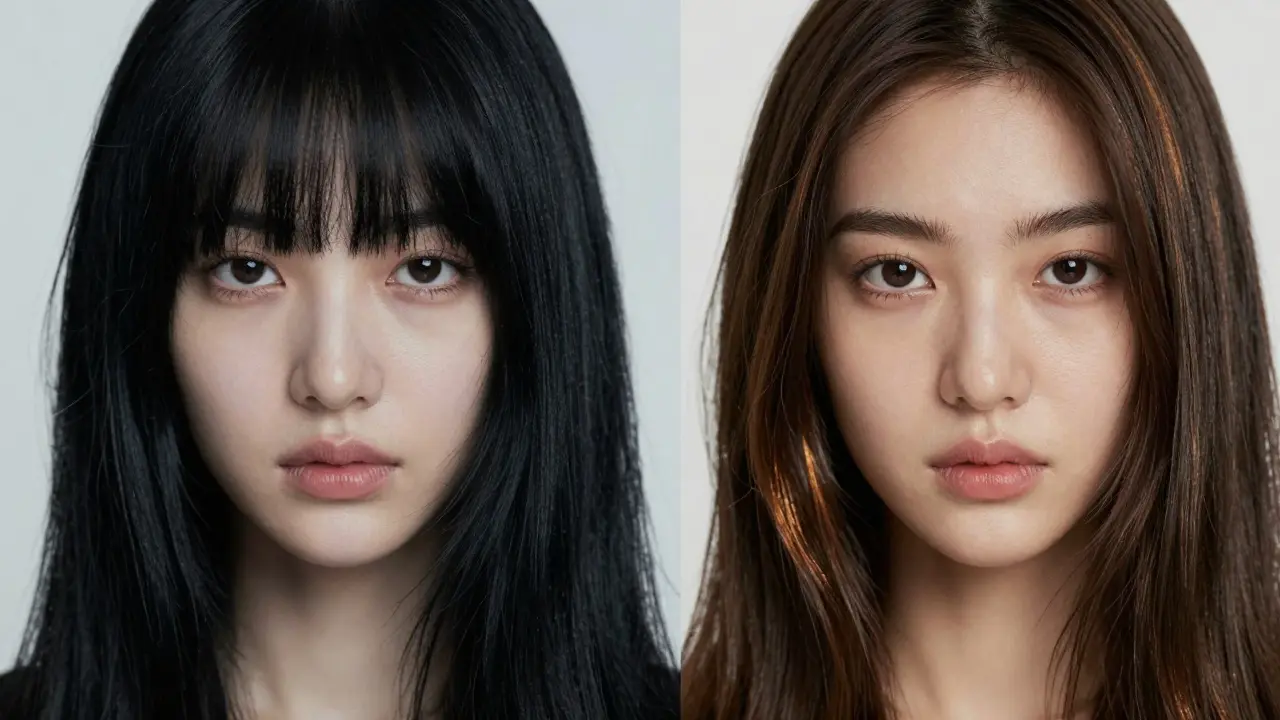
Choosing between black hair and dark brown hair is less about picking a favorite color and more about understanding the science of pigment and contrast. Black hair (Level 1) is intense, cool-toned, and unforgiving. Dark brown hair (Levels 2-3) is warmer, softer, and far more versatile. Let’s break down exactly why one might win over the other for your specific situation.
The Science of Darkness: Level 1 vs. Levels 2 & 3
To understand the difference, you have to look at professional salon charts. In the industry, hair color is measured by levels, from 1 (black) to 10 (lightest blonde).
| Feature | Black Hair | Dark Brown Hair |
|---|---|---|
| Professional Level | Level 1 | Level 2 (Darkest Brown) or Level 3 (Deep Brown) |
| Pigment Type | High Eumelanin (Cool/Blue undertones) | Mixed Melanin (Warm/Golden/Copper undertones) |
| Sunlight Reaction | Remains solid black; no visible variation | Reveals red, gold, or caramel highlights |
| Visual Impact | High contrast, dramatic, flat | Softer, dimensional, natural |
| Fading Behavior | Fades slowly; roots become obvious | Fades to lighter brown/caramel; softer regrowth line |
Black hair contains a very high concentration of eumelanin, the pigment responsible for dark colors. This makes it appear "pure" black under most lighting conditions. There are no hidden tones. If you buy a box of "Jet Black," you are getting a cool-toned shade that often has blue or violet bases to cancel out any warmth. It is the ultimate statement color.
Dark brown, sitting at Levels 2 and 3, is different. It sits right between medium brown and black. While it looks nearly black indoors, step into direct sunlight, and those warm undertones-gold, copper, or even subtle reds-come alive. This gives dark brown hair depth and dimension that solid black lacks. For many people, this multi-dimensional effect is what makes dark brown look "healthier" or more expensive than flat black.
The Undertone Test: Matching Your Skin
This is where most people go wrong. You can pick the prettiest shade in the world, but if it clashes with your skin’s undertone, it will wash you out or make you look tired. Professional stylists from brands like Wella and Clairol emphasize that matching warmth to warmth and cool to cool is the golden rule.
How do you find your undertone? Look at the veins on your wrist under natural light. If they appear blue or purple, you likely have cool undertones. If they look greenish or olive, you have warm undertones. If you can’t tell, you’re probably neutral.
- Cool Undertones: You pair beautifully with black hair or cool-toned dark browns (like espresso or ash brunette). These shades enhance the pink or blue hints in your skin without making you look sallow. Jet black creates a striking, high-contrast look that complements cool features perfectly.
- Warm Undertones: Stick to dark brown. Shades labeled "chocolate," "chestnut," or "mahogany" bring out the golden glow in your skin. Pure black can sometimes look too harsh against warm, yellow, or olive skin, creating a disconnect that ages you rather than freshening you up.
- Neutral Undertones: You’re lucky. You can pull off both, but dark brown usually offers a more balanced, everyday elegance, while black serves as a bold fashion choice.
If you have warm skin and dye your hair jet black, you might notice your complexion looking slightly gray or dull in certain lights. Conversely, if you have cool skin and choose a warm, reddish dark brown, you might look flushed or uneven. The goal is harmony, not just darkness.
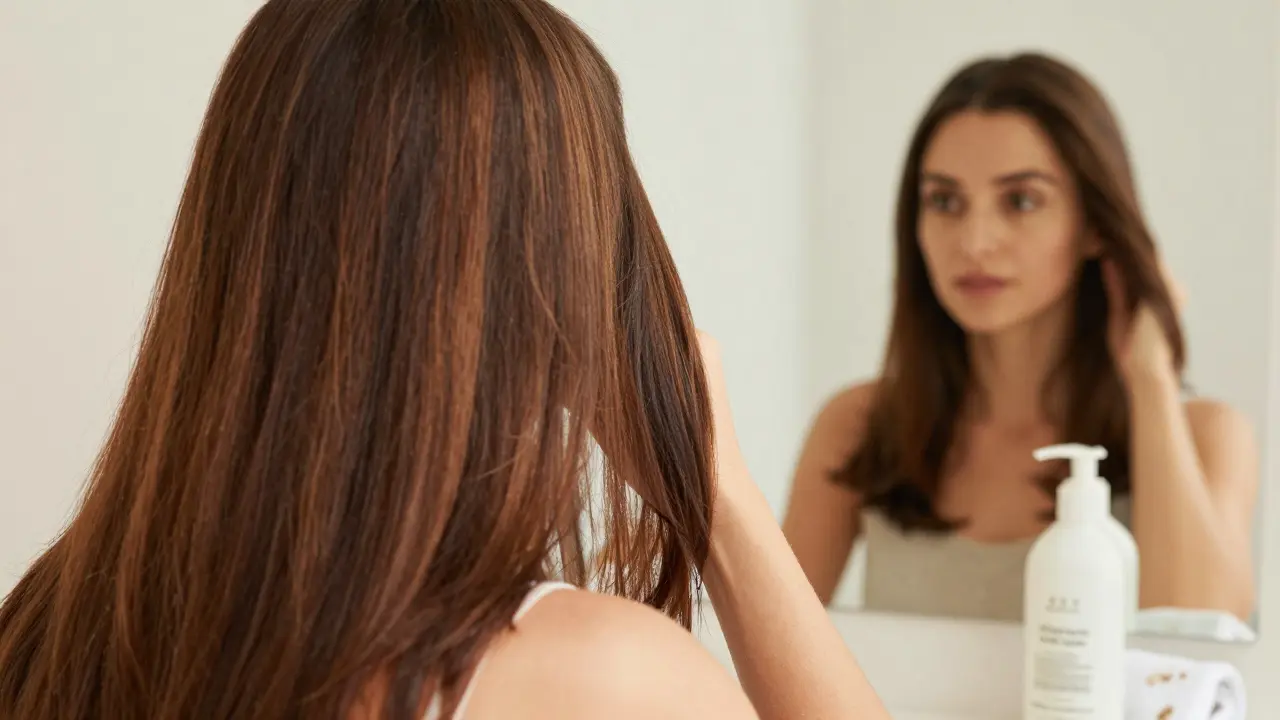
Maintenance Reality Check: Roots and Fading
Before you commit, ask yourself: How much time do I want to spend maintaining this color?
Black hair is deceptively high-maintenance. Because it is so dark, the moment your natural root grows out-even a millimeter-it shows. If your natural hair is brown or blonde, the contrast between Level 1 black and your new growth is jarring. You’ll need touch-ups every 4-6 weeks to keep it looking seamless. Additionally, black dye tends to stain everything. Towels, pillowcases, and shower drains will pay the price until the initial oxidation period passes.
Dark brown is significantly more forgiving. As it fades, it doesn’t turn orange or brassy immediately; it softens into a richer brown. More importantly, the regrowth line is less severe. If your natural hair is a Level 5 or 6 (medium brown), growing out a Level 2 or 3 dark brown creates a gradual transition rather than a stark stripe. Many users report that dark brown allows them to stretch their salon visits to 8-12 weeks without looking unkempt.
However, dark brown requires care to prevent it from becoming dull. Without sulfate-free shampoos and occasional gloss treatments, those beautiful warm tones can fade into a flat, muddy brown within a couple of months. Black, on the other hand, stays deep longer but demands strict routine to avoid the "helmet head" effect where the hair looks plastic-like and lifeless.
Future-Proofing: What Happens When You Want to Change?
Hair color is rarely permanent in our minds, even if the dye is permanent. Think ahead 12 months. Do you see yourself wanting highlights? A balayage? Or maybe going lighter entirely?
If you choose black, you are locking yourself in. Lightening Level 1 black hair is difficult, expensive, and damaging. It often requires multiple bleaching sessions and bond-building treatments to lift the color without breaking your hair. Many stylists warn that removing black dye is one of the most challenging corrections they perform.
Dark brown is the safe bet for flexibility. Because it is only one or two levels darker than many natural brunettes, lifting it later is easier. You can add subtle highlights to dark brown without the drastic contrast issues seen with black. If you decide you want to go blonde or auburn in the future, starting from dark brown means less chemical trauma to your hair shaft.
TikTok creators and salon professionals alike often recommend dark brown for first-timers or those unsure about committing to extreme darkness. It acts as a bridge-you get the intensity of a dark shade without the permanence of a prison sentence.
Styling and Visual Impact
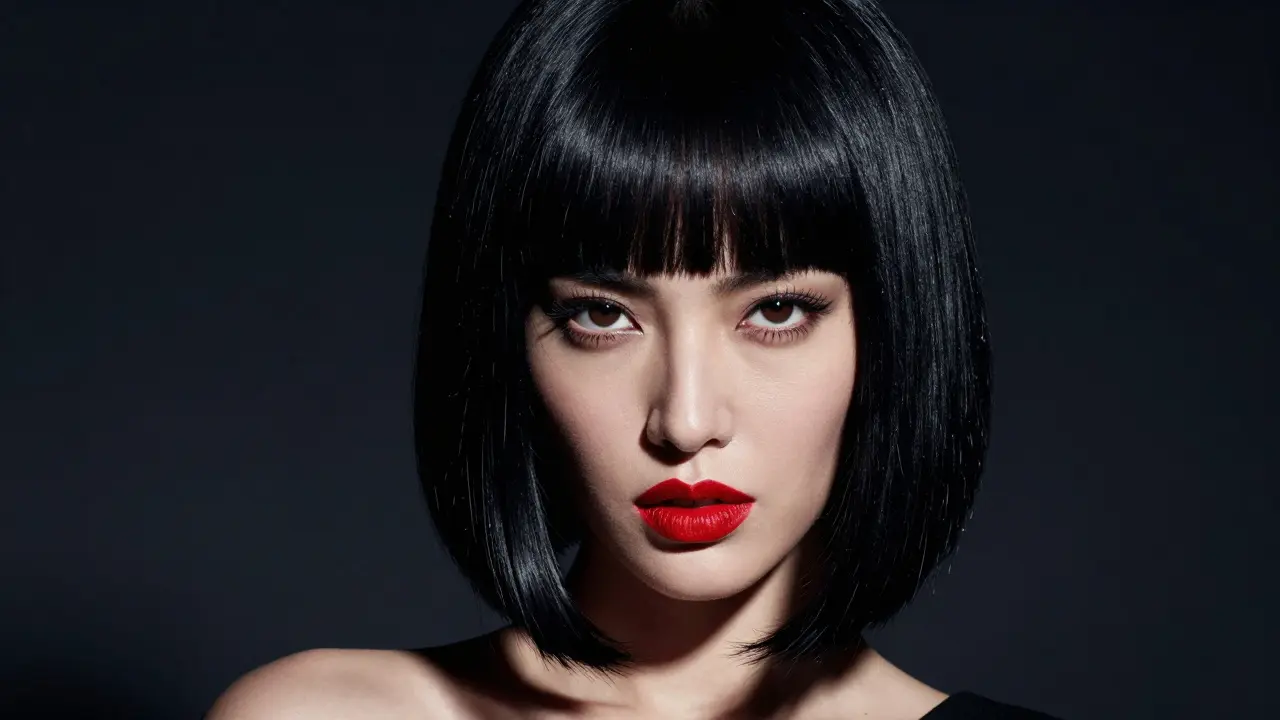
Consider your daily aesthetic. Black hair is associated with edgy, high-fashion, or classic looks. It pairs incredibly well with sharp cuts, bold makeup (think red lips), and polished styles. It draws attention to your eyes and facial structure because there is no distraction from the hair itself. However, it can also accentuate fine lines or wrinkles due to the high contrast against the skin, which is why some mature clients opt for softer dark browns instead.
Dark brown feels more approachable and youthful. It blends naturally with eyebrows and body hair, creating a cohesive look. It works for the office, the gym, and date night without demanding extra effort. If you prefer lowlights and highlights to add texture, dark brown provides the perfect canvas. Black absorbs light, making it hard to see dimension unless you use professional glosses or semi-permanent overlays.
Final Verdict: Which Should You Pick?
Choose black hair if:
- You have cool undertones and want maximum contrast.
- You don’t mind frequent root touch-ups every 4-6 weeks.
- You plan to keep your hair dark for a long time (1+ years).
- You love a bold, dramatic, and sleek appearance.
Choose dark brown if:
- You have warm or neutral undertones.
- You want a lower-maintenance grow-out phase.
- You might want to lighten your hair or add highlights in the near future.
- You prefer a softer, more natural look with visible dimension in sunlight.
There is no objectively "better" color, only the one that aligns with your biology and your schedule. If you’re still on the fence, start with a Level 2 darkest brown. It’s close enough to black to satisfy the craving for darkness, but forgiving enough to let you breathe if you change your mind.
Does black hair make you look older?
It can, depending on your skin tone and age. Because black hair creates high contrast, it can accentuate fine lines and wrinkles around the face. For younger people with clear skin, it looks striking. For those with mature skin, a softer dark brown or a black with subtle brown undertones (often called "soft black") is usually more flattering and less aging.
Will black hair dye cover my gray hairs completely?
Yes, Level 1 black hair dye is excellent at covering gray because of its high pigment concentration. However, it can sometimes result in a "halo effect" where the roots look darker than the rest of the hair as it grows out. Dark brown also covers grays well but may allow some silver to peek through as a natural highlight, which some people prefer for a softer look.
Can I go from black hair to dark brown easily?
No, you cannot simply dye black hair brown. Hair dye only adds color; it does not strip existing pigment. To go from black to brown, you would need to bleach the black dye out first, which is a damaging process. It is much easier to go from dark brown to black, which is why stylists often recommend starting with brown if you are unsure.
Why does my black hair look blue or green in the sun?
This is common with permanent black dyes, especially those formulated for cool tones. They often contain blue or violet pigments to neutralize warmth. In bright sunlight, these cool undertones reflect, giving the hair a blueish sheen. If you dislike this, look for "natural black" or "warm black" formulas which have fewer blue pigments and more neutral or warm bases.
Which color fades faster: black or dark brown?
Technically, both fade, but they fade differently. Black hair tends to stay dark but loses its shine, becoming dull. Dark brown hair fades in tone, often revealing lighter caramel or golden hues. Many people perceive dark brown as fading "faster" because the color shift is more visible, whereas black just gets dingy. However, black requires more frequent root touch-ups due to the harsh regrowth line.