

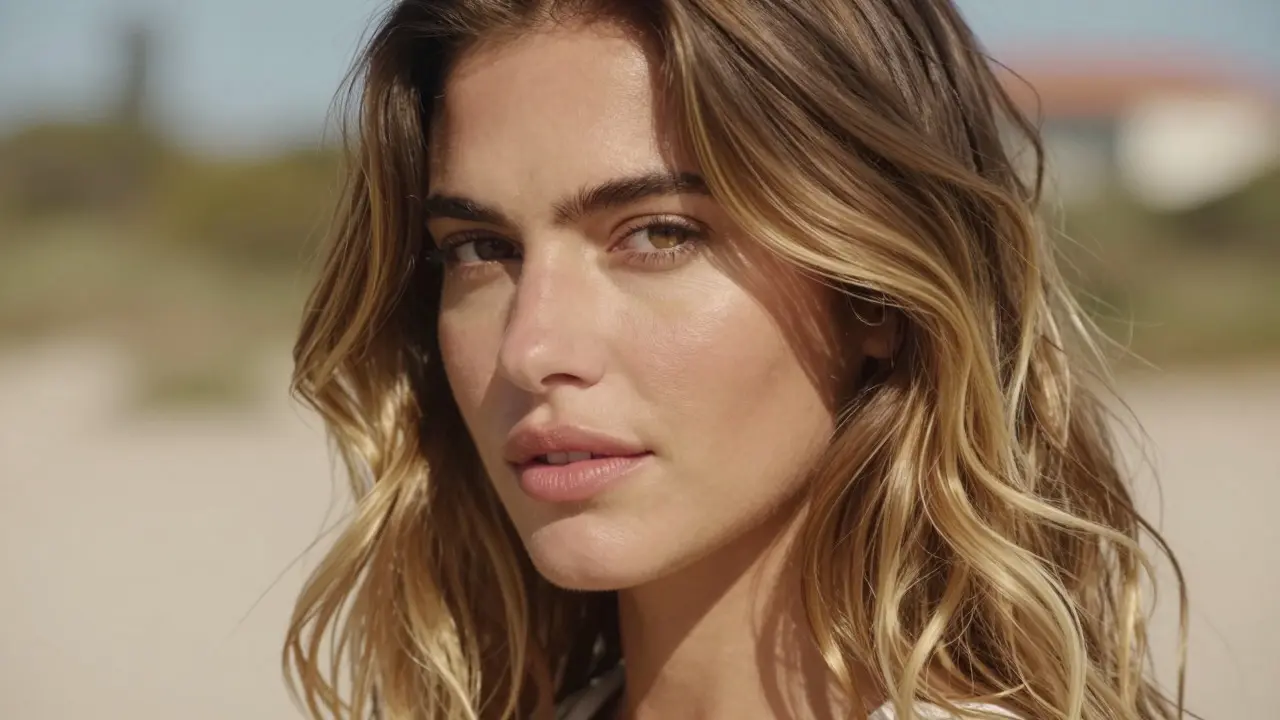
Have you ever stared at a box of hair dye or a salon shade chart and felt completely lost in the numbers? You aren't alone. The world of professional hair color relies on a numeric system that can feel like a secret code. One of the most confusing-and most popular-numbers on that chart is Level 7. It sits right in the middle of the spectrum, often described as the bridge between brown and blonde. But what does it actually look like when it’s on your head?
If you are considering this shade, you probably want something that brightens your look without going platinum. You want natural, sun-kissed vibes, not an artificial shock of lightness. Level 7 is exactly that transition point. It is the shade where hair stops looking clearly brunette and starts reading as blonde. However, because it depends so heavily on undertones and lighting, two people with "Level 7" hair can look quite different. Let’s break down exactly what this color is, how to identify it, and whether it is the right choice for your next coloring session.
Understanding the Hair Color Level System
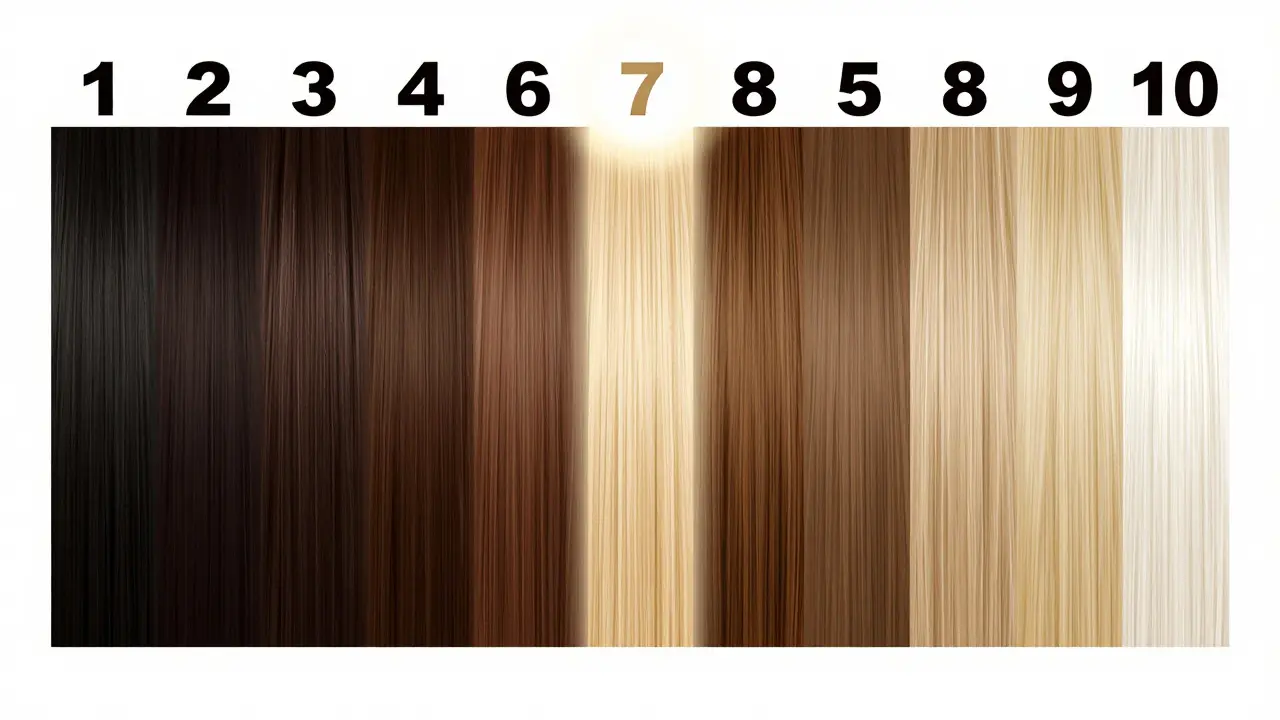
To understand what Level 7 looks like, you first need to understand the scale it lives on. Professional hair colorists use a universal 1-to-10 scale to measure the depth (lightness or darkness) of hair. This system is standard across almost every major brand, from L'Oréal to Wella, and it has been the industry norm for decades.
The number tells you how light the hair is, but it doesn't tell you the tone. Here is how the scale generally breaks down:
- Level 1: Black
- Levels 2-3: Very Dark Brown
- Level 4: Dark Brown
- Level 5: Medium Brown
- Level 6: Light Brown (sometimes called Darkest Blonde)
- Level 7: Dark Blonde (or Medium Blonde)
- Level 8: Medium Blonde (or Light Blonde)
- Level 9: Light Blonde
- Level 10: Very Light Blonde / Platinum
As you can see, Level 7 is the first number officially categorized as blonde by many educators, though some charts still label it as very light brown. This ambiguity is why it causes so much confusion. It is the threshold. If you go one step darker to Level 6, you are firmly in brown territory. If you go one step lighter to Level 8, you are unmistakably blonde. Level 7 is the gray area-in the best way possible.
Visualizing Level 7: Dark Blonde vs. Light Brown
So, if you walked into a room, how would you describe someone with Level 7 hair? Most professionals call it Dark Blonde. Think of the classic Hollywood starlets from the 1940s and 50s who had soft, golden hair that wasn't bleached white. That is the vibe.
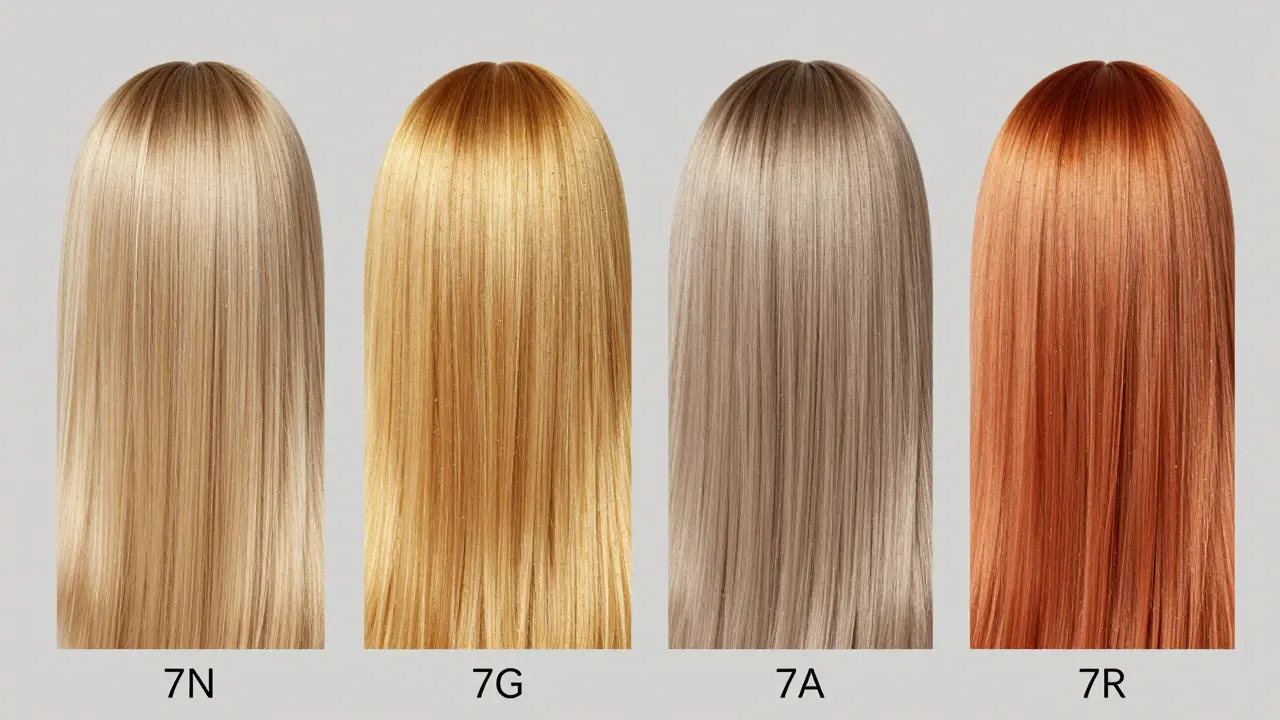
However, perception changes based on the Undertone present in the hair. Since the level only measures depth, the letter following the number determines the actual color you see. Here is what different Level 7 variations look like:
| Shade Code | Tone Type | Visual Appearance | Best For |
|---|---|---|---|
| 7N | Neutral | A balanced, natural-looking dark blonde. No strong gold or ash. Looks like healthy, sun-lightened hair. | People wanting a realistic, low-maintenance look. |
| 7G / 7W | Golden / Warm | Honey blonde, caramel, or beurre blanc. Has a rich, yellow-gold reflect that glows in sunlight. | Fair skin tones or those wanting a warm, summery vibe. |
| 7A | Ash | Cool, muted dark blonde. Can lean slightly greenish or beige if too cool. Neutralizes redness. | Those with orange brassiness they want to cancel out. |
| 7R / 7C | Red / Copper | Strawberry blonde or light chestnut. A reddish-brown hue that sits at the blonde border. | Adding warmth and dimension to dull hair. |
In direct sunlight, a Golden Level 7 will look distinctly blonde, almost like honey. In dim indoor lighting, an Ash Level 7 might look more like a sleek, cool-toned light brown. This is why Level 7 is often called the "borderline" shade. It shifts depending on where you are standing.
Why Is Level 7 So Popular?
You might wonder why this specific level gets so much attention compared to Levels 5 or 8. The answer lies in versatility and health. Level 7 is widely considered the sweet spot for several reasons.
First, it is incredibly flattering on a wide range of skin tones. Unlike Level 10 platinum, which can wash out pale complexions or create harsh contrast against deeper skin, Level 7 offers a soft, harmonious brightness. It brightens the face without overpowering it. Fashion editors and stylists often recommend this shade for celebrities who want to maintain their natural identity while appearing more radiant on camera.
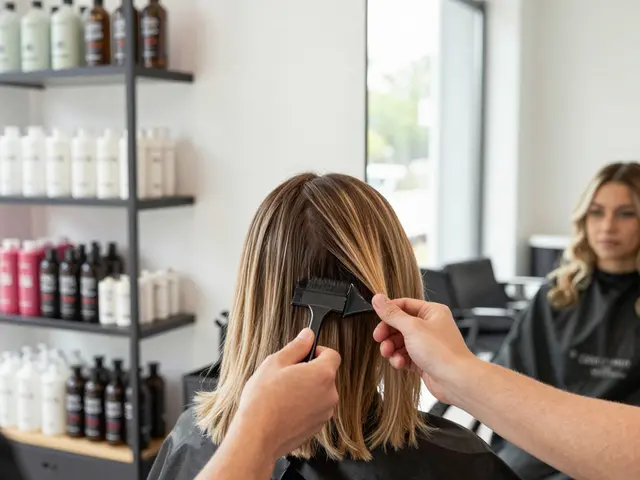
Second, it is easier to achieve and maintain. Going from a natural Level 4 (dark brown) to a Level 8 or 9 usually requires bleach, which damages the hair cuticle. Level 7, however, is often reachable with high-lift permanent color or even demi-permanent glosses, especially if you start from a Level 5 or 6 base. Less bleach means less damage, less frizz, and longer-lasting shine.
Finally, Level 7 serves as the perfect canvas for dimensional techniques. If you get balayage or highlights, your stylist will often use Level 7 as the base color. Then, they paint Level 8 or 9 pieces on top. This creates a seamless, grown-out look that doesn't show harsh roots. Because Level 7 is already light enough to read as blonde, it blends beautifully with lighter strands, creating that effortless, "I just came back from vacation" effect.
How to Determine If Level 7 Is Right for You
Before you buy a box of dye or book an appointment, you need to know your starting point. Trying to jump from black hair to Level 7 in one step at home is a recipe for disaster. You need to assess your current hair level accurately.
Here is the best way to check your natural level:
- Go Outside: Indoor lighting lies to you. Yellow bulbs make hair look warmer; fluorescent lights make it look cooler. Step into natural daylight.
- Check Your Roots: Don't look at the ends of your hair if you've dyed it before. The ends are damaged and faded. Part your hair and look at the new growth coming out of your scalp. That is your true virgin color.
- Compare to a Chart: Hold a printed hair level chart next to your roots. Match the closest number. If your roots match the swatch labeled 7, you are a natural Level 7.
If you are currently a Level 4 or 5 (medium to dark brown), reaching Level 7 safely usually requires professional help. Standard permanent dye can lift up to three or four levels on virgin hair, but results vary. If you try to force it at home, you might end up with brassy, orange hair rather than clean blonde. Orange is essentially a Level 5 or 6 underlying pigment showing through. To get past that orange stage to a true Level 7 blonde, you often need a toner or a gentle lightener.
Maintaining Your Level 7 Shade
Once you have achieved that beautiful dark blonde look, keeping it fresh is key. Level 7 tends to fade toward yellow or brass over time, especially if it was lifted there with lightener. Here is how to keep it looking salon-fresh.
Use a purple or blue shampoo once a week. Purple shampoo neutralizes yellow tones, while blue shampoo cancels out orange/brassiness. Since Level 7 can sometimes retain a hint of warmth, these shampoos help keep the color crisp and clean. Just don't overuse them, or your hair might turn slightly violet or gray.
Protect your hair from UV rays. The sun is great for highlighting, but too much exposure fades your color and dries out your strands. Wear a hat or use a leave-in conditioner with SPF when you are spending long hours outdoors.
Schedule regular gloss treatments. A demi-permanent gloss can refresh your Level 7 tone every six to eight weeks. It adds shine, seals the cuticle, and deposits a bit of color to counteract fading without committing to a full dye job.
Common Mistakes to Avoid
Many people make the same errors when trying to achieve or maintain Level 7. Avoid these pitfalls to save your hair and your wallet.
Ignoring Your Undertones: If you have cool, pinkish skin, a warm Golden Level 7 might clash with your complexion, making you look sallow. Conversely, if you have warm, olive skin, an Ash Level 7 might make you look washed out. Consult a stylist to pick the right N, G, or A suffix for your specific features.
Expecting Instant Results: If you are a dark brunette, do not expect to wake up with Level 7 hair after one box dye application. It likely won't lift enough. Patience is required. Multiple sessions or professional lightening are often necessary to reach this level safely.
Skipping the Strand Test: Before applying any color to your whole head, test it on a small section of hair at the nape of your neck. Wait the full processing time. See how it lifts and what tone emerges. This simple step can prevent bad surprises.
Is Level 7 hair color considered blonde or brown?
Level 7 is technically classified as dark blonde in most professional systems. However, because it sits right on the border, it can appear as a very light brown depending on the undertone and lighting. It is the transition point where hair stops looking clearly brunette and begins to read as blonde.
Can I go from black hair to Level 7 in one session?
Generally, no. Natural black hair is Level 1 or 2. Jumping to Level 7 requires lifting five or six levels, which standard permanent dye cannot do safely in one step without severe damage. You will likely need professional bleaching or multiple gradual lightening sessions to reach Level 7 from black.
What is the difference between Level 7 and Level 8?
Level 7 is dark blonde, while Level 8 is medium blonde. Level 8 is noticeably lighter and brighter. Level 7 retains more depth and richness, often looking like honey or caramel, whereas Level 8 approaches the sandy, beach-blond look. Level 8 shows roots more quickly than Level 7.
Does Level 7 hair require bleach?
It depends on your starting level. If you are naturally Level 5 or 6, you may be able to reach Level 7 with high-lift permanent color or demi-permanent gloss without bleach. If you are Level 4 or darker, you will likely need a lightener (bleach) to strip enough pigment to reveal the blonde underlying pigments associated with Level 7.
Which skin tones look best in Level 7 hair?
Level 7 is versatile and suits many skin tones. Cool undertones often look great with Ash (7A) or Neutral (7N) shades. Warm undertones typically glow with Golden (7G) or Honey variations. It is particularly flattering for fair to medium skin tones, providing brightness without the harsh contrast of platinum blonde.
Francis Laquerre
July 24, 2026 AT 03:15I have been working with color in Paris for twenty years and this article misses the mark entirely on the cultural nuance of Level 7. In Europe we do not see it as a mere transition but as a sophisticated statement of elegance that requires a deep understanding of light reflection. The American obsession with categorizing everything into rigid boxes is exhausting to watch unfold here.
michael rome
July 24, 2026 AT 14:17Francis makes a valid point about the European perspective which often prioritizes subtle tonal shifts over dramatic changes. It is important to recognize that hair color is deeply personal and what works in one climate may not work in another due to humidity and sun exposure levels. We should always encourage individuals to consult local professionals who understand their specific environmental challenges rather than relying solely on internet guides.
Edward Nigma
July 25, 2026 AT 20:12The whole concept of levels is flawed because human perception of color is subjective and varies wildly between individuals. You can call it level 7 all you want but if it looks like mud on my head then it is mud. Stop trying to quantify art with numbers and just look at the damn hair.
Andrea Alonzo
July 26, 2026 AT 23:19It is really interesting how Edward feels about the numbering system because I think it provides a necessary framework for communication between clients and stylists especially when they are speaking different languages or coming from different backgrounds. When I first started coloring my own hair I was so confused by the terms like ash and gold until I understood that these were just descriptors for undertones that needed to be balanced against my skin tone which changed significantly after I moved from the east coast to the west coast where the sunlight is much harsher and more direct.
Saranya M.L.
July 27, 2026 AT 20:03In India we deal with naturally dark hair textures that require specialized chemical processes to achieve even a Level 6 let alone Level 7 without causing severe breakage. The western beauty standards presented here ignore the structural differences in Asian and African hair types which often have higher density and lower porosity making the lift process exponentially more difficult and dangerous if not handled by an expert who understands keratin bonds.
om gman
July 27, 2026 AT 22:53you people are so obsessed with looking like blonde dolls its pathetic i mean seriously who has time for all this maintenance anyway just keep your natural hair and save some money for something useful like food or books instead of wasting hours in a salon chair pretending to be someone else
Jeanne Abrahams
July 28, 2026 AT 04:09Saranaya is absolutely right about the texture issues which is why most women in South Africa stick to darker shades unless they are willing to invest heavily in protein treatments every single week. The idea that Level 7 is low maintenance is a complete myth propagated by influencers who have teams of assistants doing their hair daily.
Caitlin Donehue
July 28, 2026 AT 18:40I wonder if the lighting in the photos used for these charts is standardized because mine always looks different under fluorescent lights compared to natural sunlight.
Stephanie Frank
July 28, 2026 AT 21:04Stop being so passive and just go to a salon already. Reading articles online will never give you the same result as having a professional assess your scalp health and hair elasticity before applying any chemicals. Most people ruin their hair because they think they know better than the person who studied chemistry for four years.
Patrick Dorion
July 30, 2026 AT 20:37From a philosophical standpoint the desire to change one's appearance is a manifestation of the internal conflict between who we are and who we wish to be perceived as. Level 7 represents a middle ground a liminal space where identity is fluid and changing which is why it resonates with so many people seeking transformation without total erasure of self.
Marissa Haque
July 31, 2026 AT 15:46OMG!!! This is such a great point about the liminality of color!!! I feel like everyone needs to read this part again because it explains exactly why I felt so unsure when I was deciding between level 7 and level 8 last year!!!! It is all about the vibe you know??? Like do you want to be seen or do you want to blend in??? Both are valid choices but you have to commit to the narrative of your hair story!!!!
Keith Barker
August 2, 2026 AT 03:50color is just light bouncing off matter nothing more nothing less stop projecting meaning onto photons
Lisa Puster
August 4, 2026 AT 00:13the elitism in this thread is suffocating only certain classes of people can afford to maintain this shade properly while the rest of us struggle to pay rent yet here we are discussing undertones as if it matters in the grand scheme of survival
Oskar Falkenberg
August 4, 2026 AT 19:50I totally agree with Lisa about the cost factor because I spent three months saving up for my balayage appointment and it was worth every penny but I also know friends who did box dyes and ended up paying more for corrective color later so maybe investing upfront is actually cheaper in the long run depending on how much damage you cause yourself trying to DIY it without proper knowledge of oxidation times and developer volumes.
Bineesh Mathew
August 4, 2026 AT 23:50The tragedy of modern vanity lies in our refusal to accept the natural state of being forcing ourselves into molds designed by corporations selling insecurity wrapped in plastic tubes labeled with arbitrary numbers that promise happiness but deliver only temporary satisfaction followed by inevitable decay and regret.