

Ever walked into a salon and felt that immediate shift in energy when you mention you’ve been coloring your hair at home? It’s not just personal preference. When stylists tell you to skip the boxed hair color, they are warning you about a chemical minefield. That cheap kit from the grocery store isn’t just a cheaper alternative; it is often a one-size-fits-all formula that can ruin your hair’s integrity, create unpredictable results, and cost you far more in corrections than you saved upfront.
The debate between DIY box dye and professional salon color has intensified with the rise of brands like Madison Reed a company offering customized, ammonia-free at-home hair color systems designed to bridge the gap between drugstore kits and salon services. But even with these advancements, the core reasons professionals discourage traditional box dyes remain rooted in chemistry, customization, and long-term hair health. Let’s break down exactly why your stylist might be rolling their eyes at your last DIY attempt.
The Chemistry Problem: One Size Does Not Fit All
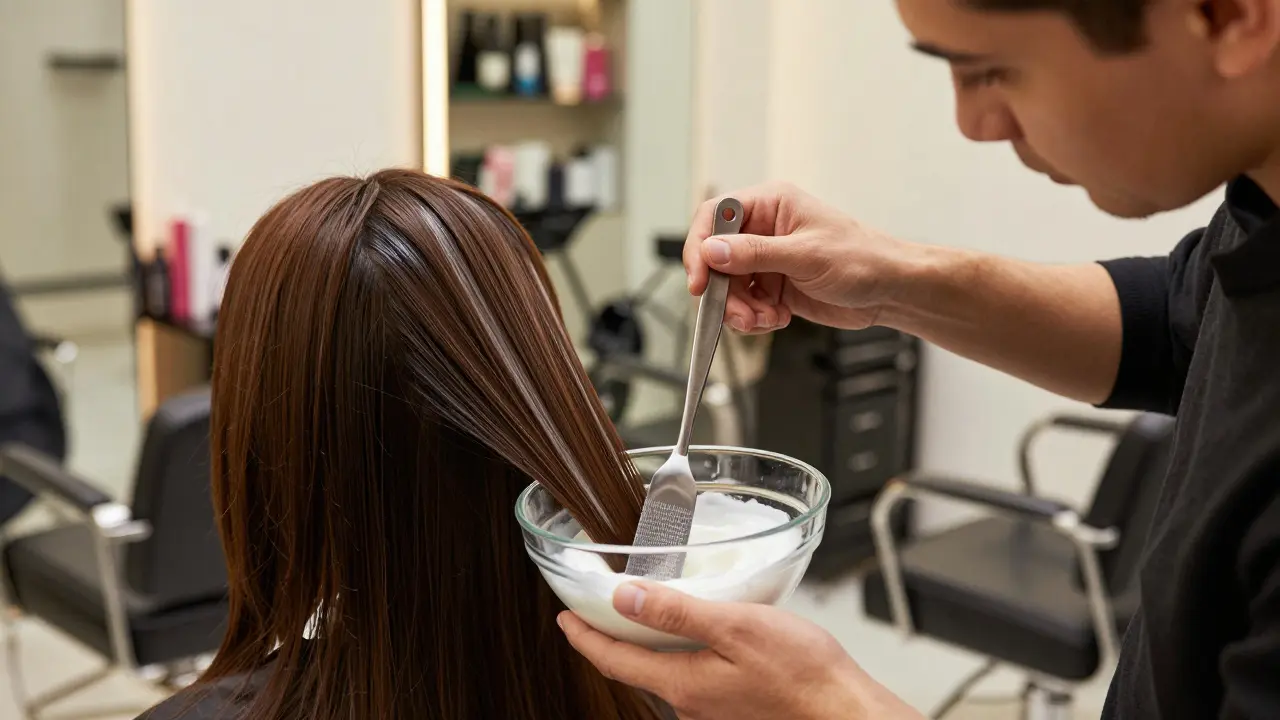
The biggest issue with standard boxed hair color is its lack of flexibility. In a salon, a colorist mixes two separate components: the colorant and the developer. They choose the strength of the developer-measured in volume-to match your specific hair needs. For fine or damaged hair, they might use a low-volume developer (6 to 10 volume) to deposit color gently without lifting too much natural pigment. For resistant gray or thick hair, they might go higher.
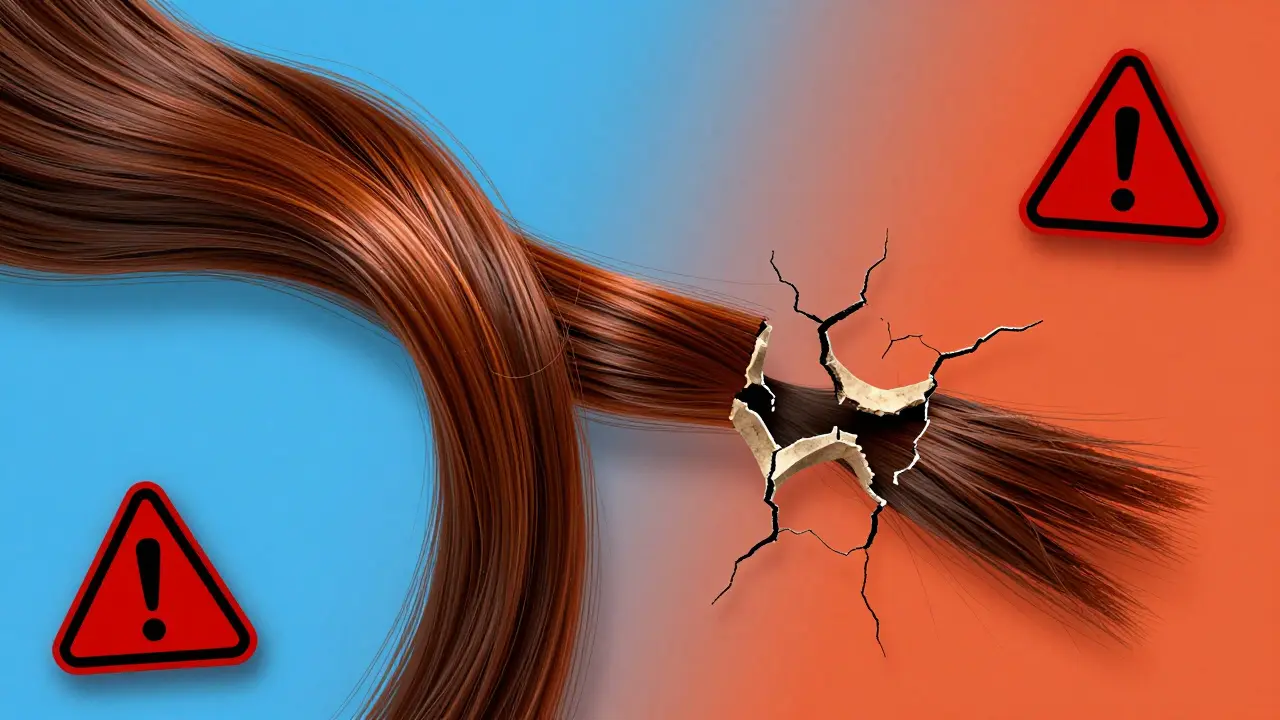
Boxed dyes, however, come pre-mixed with a fixed-strength developer, usually around 20 to 30 volume (6% to 9% hydrogen peroxide). This high strength is chosen to ensure the product works on the average consumer’s hair, but it is often too harsh for fine, porous, or previously lightened strands. The result? Over-processing. Your cuticle opens wider than necessary, stripping natural oils and leaving your hair dry, brittle, and prone to breakage. Unlike professional products that offer low-ammonia or ammonia-free options, many box dyes rely on strong alkalizing agents to force the color open, accelerating damage over time.
Customization vs. Generic Formulas
Hair is not uniform. It varies in porosity, density, and underlying pigment depending on where you look at your head. Professional colorists account for this by applying different formulas to different zones. They might apply a stronger formula to the roots for gray coverage and a weaker one to the ends to prevent them from becoming too dark or dull.
With box dye, you have no such control. You mix the entire bottle and apply it everywhere, often following instructions that suggest a single processing time of 25 to 45 minutes. This leads to "over-deposit" on the mid-lengths and ends, especially if you have colored your hair before. Each time you reapply box dye to cover new growth, you layer permanent pigment onto already colored sections. Over months, this creates distinct bands of darker, duller color down the shaft, making future changes nearly impossible without significant lightening work.
The Hidden Cost of Correction
You save $15 today, but what happens when the color turns brassy, too dark, or uneven? Fixing box dye mistakes is notoriously difficult. Because box colors contain unknown pigments and potentially metallic salts, stylists cannot predict how your hair will react to corrective treatments like bleaching. Some older or cheaper box dyes contain metallic salts that can react dangerously with bleach, causing heat, smoke, or severe breakage.
Corrective color sessions are not quick fixes. They often require multiple appointments, each lasting two to three hours, involving color removers, gentle lighteners, bond builders, and toners. These services can easily cost $300 to $600 or more, depending on your location and the extent of the damage. Stylists see this cycle repeatedly: clients try to save money with box dye, end up with damaged or unwanted color, and then pay a premium to fix it. From an economic standpoint, the initial savings are often an illusion.
Gray Coverage and Longevity Myths
Many people turn to box dye for gray coverage, assuming it will be as effective as salon color. However, generic box formulas often lack the pigment load needed for stubborn, resistant gray hairs, especially if you have more than 50% gray. The result is translucent or quickly fading coverage, prompting users to apply the dye more frequently or leave it on longer, which further damages the hair.
Professional salons use dedicated gray-coverage series with higher dye concentrations and specific mixing ratios. They can also employ techniques like double pigmentation or pre-softening resistant areas to ensure full, lasting coverage. While some modern at-home systems like Madison Reed claim to offer better gray coverage through customization, traditional box dies still struggle to deliver consistent, long-lasting results without compromising hair health.
Safety and Scalp Health
Beyond the aesthetic issues, there are health concerns. The high concentration of ammonia and peroxide in many box dyes can irritate the scalp, eyes, and skin. If applied directly to the scalp or left on for extended periods, these chemicals can burn follicles and cause allergic contact dermatitis, largely linked to ingredients like p-phenylenediamine (PPD).
While all permanent oxidative dyes carry some risk, professionals argue that the uncontrolled application of box dye increases exposure. Many consumers skip patch tests or strand tests, leading to unexpected reactions. Additionally, frequent use of dark permanent dyes has been associated in some epidemiologic studies with slightly higher risks of certain cancers, though evidence remains mixed. Stylists often advise minimizing frequent, high-strength coloring, especially for those with sensitive scalps or allergy histories.
When Is At-Home Color Acceptable?
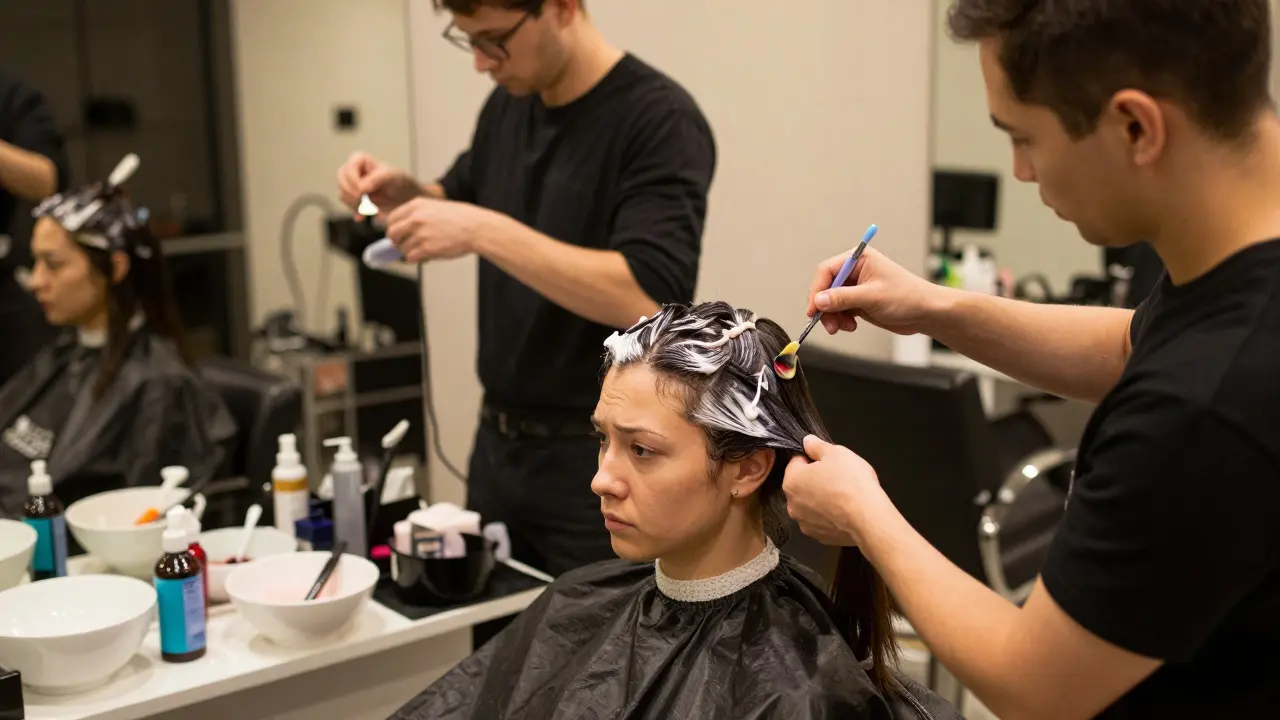
Not all at-home color is created equal. Brands like Madison Reed and eSalon have introduced semi-customized systems that use online questionnaires to tailor shades to your skin tone and hair history. These products often feature ammonia-free, PPD-free, or resorcinol-free formulas, reducing irritation and damage. For conservative uses-such as refreshing roots with a demi-permanent shade close to your natural color-these systems can be safe and effective.
However, professionals still caution against major changes at home. Going more than two levels lighter or darker, switching from black to blonde, or correcting unwanted tones requires expert skill and precise chemical management. Even with advanced at-home kits, attempting drastic transformations risks uneven results and cumulative damage that only a salon can repair.
| Feature | Boxed Hair Color | Professional Salon Color |
|---|---|---|
| Developer Strength | Fixed (usually 20-30 volume) | Customizable (6-40 volume based on need) |
| Formulation | One-size-fits-all, generic | Tailored to hair type, porosity, and goals |
| Application Control | All-over application, single process time | Zoned application, varied processing times |
| Damage Risk | High due to over-processing and banding | Lower with proper technique and aftercare |
| Correction Difficulty | Very difficult, expensive, multi-step | Prevented by professional assessment |
| Cost | $6-$20 per kit | $60-$400+ per service |
Making the Right Choice for Your Hair
If you love the convenience of at-home color, consider upgrading from traditional box dyes to customized systems that prioritize hair health. Look for products that offer ammonia-free formulas, lower developer strengths, and personalized shade matching. Always perform a patch test 48 hours before application to check for allergies. Limit permanent dye use to touch-ups every six to eight weeks, and avoid overlapping onto previously colored lengths.
For major color changes, complex gray coverage, or damaged hair, invest in professional services. A skilled colorist can assess your hair’s condition, customize the formula, and apply it with precision to minimize damage. While the upfront cost is higher, the longevity, health, and satisfaction of professional color often outweigh the temporary savings of a box dye.
Why do stylists hate box dye?
Stylists dislike box dye because it uses fixed, often harsh developers that can over-process hair, lacks customization for individual hair types, and leads to cumulative damage and banding. Correcting box dye mistakes is time-consuming and expensive, making it a false economy for clients.
Is Madison Reed better than traditional box dye?
Yes, Madison Reed offers a more customized approach with ammonia-free, PPD-free formulas tailored to your skin tone and hair history. Unlike generic box dyes, it reduces irritation and damage while providing more predictable results for at-home use.
Can box dye permanently damage my hair?
Repeated use of box dye can cause cumulative damage, including dryness, brittleness, and breakage due to over-processing. It can also lead to banding and uneven pigment layers, making future lightening or color changes difficult and risky.
How much does it cost to fix box dye damage?
Fixing box dye damage typically requires multiple salon appointments involving color removal, gentle lightening, and bond building. Costs range from $300 to $600 or more, depending on the severity of the damage and your location.
Are there safe alternatives to box dye?
Yes, semi-customized at-home systems like Madison Reed or eSalon offer safer alternatives with personalized shades and gentler formulas. For best results, stick to demi-permanent colors close to your natural shade and avoid drastic changes at home.

Amber Swartz
May 17, 2026 AT 20:26Oh my god, this is literally the most accurate thing I have ever read about box dye! 😱 I tried to cover my grays with a cheap kit last year and ended up looking like a cartoon character for three weeks. My stylist had to spend two hours just trying to get the green tint out. It was a nightmare. I swear, stylists roll their eyes because they see the damage firsthand every single day. You save fifteen bucks but lose your hair integrity. Not worth it. Seriously. Do not do it.
Richard H
May 19, 2026 AT 08:58This article is pure propaganda from the salon industry to keep you paying them exorbitant fees. They want you to believe you are incapable of basic self-care so they can charge you $600 for what should be a simple task. The chemicals in box dye are fine if you follow instructions. People just ruin their own hair by being stupid and leaving it on too long. Stop blaming the product and take responsibility for your own actions. This is classic corporate manipulation designed to exploit the working class who cannot afford weekly salon visits.
Ashton Strong
May 19, 2026 AT 20:50I appreciate this detailed breakdown, as it highlights the scientific rationale behind professional color application. While cost is a significant factor for many individuals, the long-term health of one's hair is paramount. The variable developer strengths mentioned here are crucial for maintaining structural integrity. I encourage readers to view professional services not merely as an expense, but as an investment in sustainable beauty practices. Proper care yields superior results over time.
Robert Byrne
May 21, 2026 AT 18:51You people are completely missing the point here. It is not about money; it is about chemistry. Box dye uses high-volume developers that strip your cuticle open whether you want it or not. If you have fine hair, you are essentially boiling it. I am tired of seeing people defend bad habits because they are cheap. Get educated or get damaged. There is no middle ground when dealing with permanent oxidative dyes.
Akhil Bellam
May 22, 2026 AT 14:18How utterly pedestrian to reduce the artistry of color formulation to a mere "cost" issue. The nuance of porosity mapping and pigment deposition is lost on those who treat their scalp as a canvas for mass-produced sludge. One must understand that hair is a living entity, not a static object to be painted over with generic formulas. The elitism of the salon world is justified because expertise matters. You cannot simply mix two bottles and expect harmony. It requires vision. It requires skill. It requires respect for the craft.
Pamela Tanner
May 23, 2026 AT 13:50This is a very comprehensive explanation of why customization matters. I have always wondered why my ends got darker each time I used box dye, and now I understand it is due to the lack of zoned application. Professional colorists account for the different needs of roots versus lengths. It makes sense that overlapping permanent pigment causes banding. Thank you for clarifying the chemical differences between at-home kits and salon products. It is important to know what we are putting on our bodies.
Megan Blakeman
May 24, 2026 AT 19:18I totally agree with this post!! :) It is so true that box dye can be unpredictable. I once tried to go blonde with a box kit and ended up with orange roots and green tips. It was a disaster! 😢 My friend told me to never use box dye again, and she was right. Salon color is definitely better for your hair health. You should always listen to the professionals. They know best! :)
Kristina Kalolo
May 26, 2026 AT 09:11The section on metallic salts is particularly concerning. Many older box dyes contained these ingredients which can cause severe reactions when bleached later. This creates a dangerous cycle where clients attempt to fix mistakes with more harsh chemicals. The financial burden of corrective work often outweighs the initial savings significantly. Data suggests that professional assessment prevents these catastrophic errors effectively.
ravi kumar
May 27, 2026 AT 19:29I think this is a good perspective to consider. While I personally enjoy experimenting with colors at home, I understand the risks involved. For someone with sensitive scalp or gray coverage needs, professional help might indeed be safer. It is important to balance convenience with health. Maybe using semi-permanent options at home could be a compromise for minor touch-ups.
Steven Hanton
May 29, 2026 AT 11:18I find the comparison table quite illuminating regarding the differences in developer strength and application control. It raises interesting questions about the accessibility of safe coloring methods for all consumers. Perhaps there is room for improved education on how to use at-home products more safely, such as performing strand tests and avoiding overlap. What are your thoughts on the role of modern customized systems like Madison Reed in bridging this gap?