

You stand in the drugstore aisle, staring at a wall of colorful boxes promising vibrant locks or perfect gray coverage. It’s cheap, it’s convenient, and it’s right there. But then you remember the horror stories: brittle strands, green tints, and that dreaded "shoe-polish" look. So, is box dye actually bad for your hair?
The short answer is no-it’s not inherently evil. However, the long answer is much more complicated. Box dye becomes dangerous when its one-size-fits-all chemistry meets unique, individual hair histories without professional oversight. The damage usually isn’t from the product itself, but from how it’s used.
What Is Box Dye, Exactly?
To understand the risk, we first need to define what we are talking about. When people say "box dye," they are referring to over-the-counter (OTC) permanent or semi-permanent hair coloring kits sold by mass-market brands like L’Oréal, Clairol, Garnier, and Revlon. These kits come pre-mixed with a specific developer strength-usually 20 volume (6% hydrogen peroxide)-and a fixed formula designed to work on an average head of hair.
This differs significantly from professional salon color. In a salon, a stylist selects the exact shade, mixes it with a developer of their choosing (ranging from 10 to 40 volume), and applies it based on your hair’s porosity, density, and history. Box dye removes that customization. It assumes your hair is virgin (never chemically treated), healthy, and average thickness. If any of those assumptions are wrong, the results can be unpredictable and damaging.
The Chemistry Behind the Damage
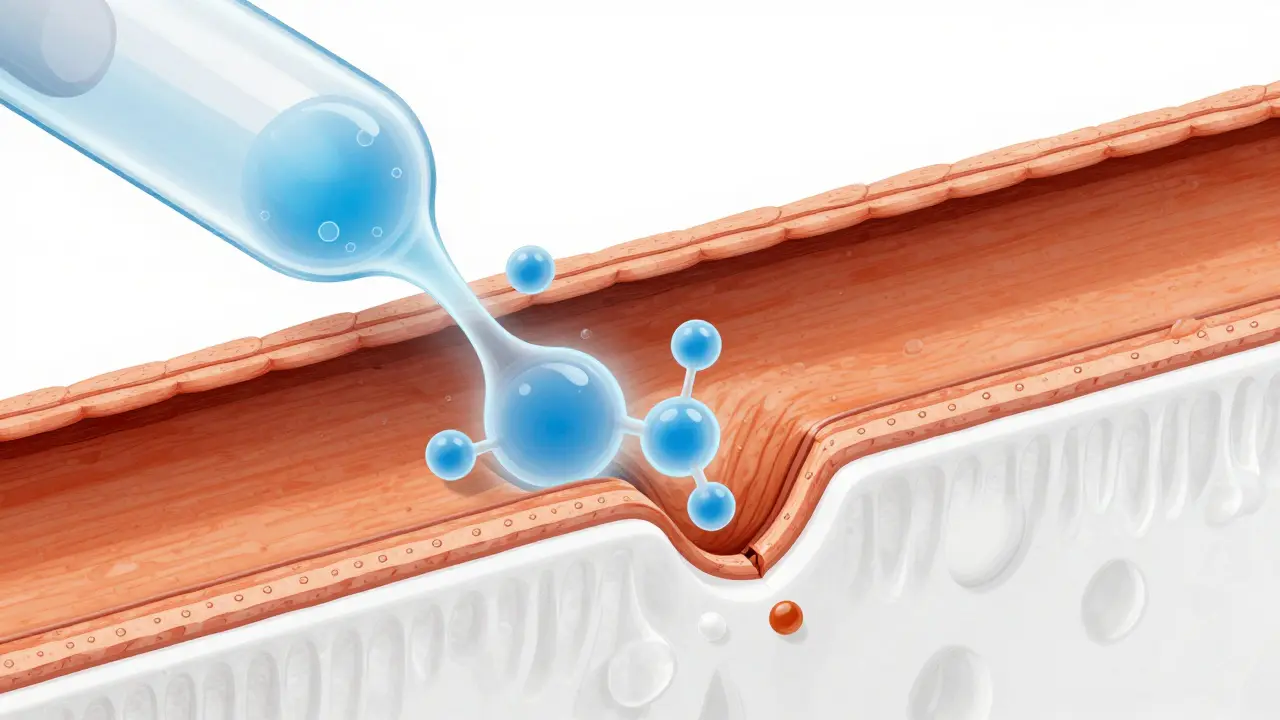
Hair damage from color comes down to two main culprits: alkalinity and oxidation. Most permanent box dyes use ammonia or monoethanolamine (MEA) to lift the cuticle-the outer protective layer of your hair shaft. This allows the color molecules to enter the cortex, where they react with hydrogen peroxide to create new pigment.
Here is why this process can hurt your hair:
- Cuticle Erosion: High pH levels swell the hair shaft. Repeated exposure causes the cuticle scales to lift permanently, leading to roughness, tangling, and dullness.
- Protein Loss: Hydrogen peroxide breaks down melanin (your natural pigment) to lighten hair. In doing so, it also weakens the keratin structure inside the hair, reducing tensile strength and making strands prone to breakage.
- Lipid Depletion: Oxidative processes strip away natural lipids that keep hair hydrophobic and smooth. Without these lipids, hair absorbs water too quickly and loses moisture just as fast, resulting in dry, straw-like texture.
It is important to note that professional salon dyes use similar chemistry. The difference lies in control. A stylist might use a lower-volume developer on fragile ends to prevent breakage, whereas a box kit applies the same strong chemical mix from root to tip.
When Box Dye Is Relatively Safe
Not every trip to the drugstore is a disaster waiting to happen. Experts, including licensed stylists and cosmetic chemists, agree that box dye is low-risk in specific scenarios. You are likely safe if you meet all the following criteria:
- Your hair is virgin: You have never bleached, relaxed, permed, or permanently colored your hair.
- You are going darker: You want to cover grays or go one or two shades darker than your natural color. Darkening deposits color without requiring significant lightening, which minimizes structural damage.
- Your hair is healthy: There is no existing breakage, split ends, or extreme dryness.
- You choose demi-permanent: Demi-permanent dyes use little to no ammonia and low-volume developers. They deposit color gently and fade over time, offering a safer alternative to permanent oxidative dyes.
In these cases, the damage is minimal because the chemical stress is low. Many people successfully maintain their color at home for years using this approach, provided they follow instructions meticulously.
High-Risk Scenarios: When to Put the Box Down
Conversely, there are situations where box dye poses a severe threat to your hair’s integrity. Avoid OTC kits if you fall into any of these categories:
| Situation | Risk Level | Potential Consequence |
|---|---|---|
| Going lighter than natural color | High | Uneven lift, brassy tones, severe dryness, or breakage due to high peroxide exposure. |
| Previously colored hair | Very High | Unpredictable reactions, banding (dark roots/light ends), or "mushy" hair if old dye interacts with new chemicals. |
| Bleached or damaged hair | Critical | Further protein loss, leading to snap-off breakage. Already porous hair cannot withstand additional oxidative stress. |
| Mixing with professional color | High | Chemical incompatibility. Salon formulas often contain different bases that can react violently with OTC ingredients, causing discoloration or texture ruin. |
One major issue with box dye is the buildup of artificial pigment. Dark box dyes, especially blacks and deep browns, often contain dense, flat pigments that are incredibly difficult to remove later. If you decide you hate the color, a stylist may need to perform multiple expensive and damaging color-correction sessions to strip it out. This is known as the "box dye trap."
Common DIY Mistakes That Cause Damage
Even if you choose the right product, application errors can turn a simple touch-up into a nightmare. Here are the most common mistakes made by at-home dyers:
- Washing hair right before dyeing: Clean hair has no natural oils to protect the scalp. This increases the risk of irritation and allergic reactions. Wait 24-48 hours after shampooing before applying dye.
- Overlapping on previously colored ends: Applying fresh permanent dye to hair that already has color in it double-processes those strands. This leads to extreme dryness and breakage at the mid-lengths and ends.
- Ignoring processing times: Leaving dye on longer does not make the color last longer; it only increases damage. Follow the timer strictly.
- Using insufficient product: Thick or long hair requires saturation. If you run out of dye halfway through, you will end up with patchy, uneven color that looks amateurish.
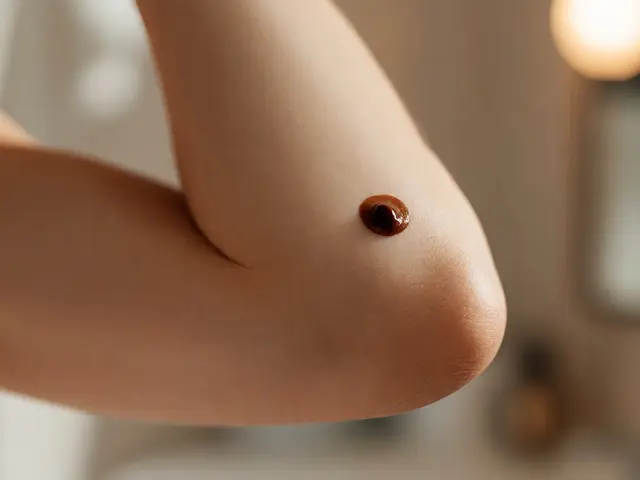
- Skipping the patch test: Allergic reactions to PPD (para-phenylenediamine), a common ingredient in permanent dyes, can range from mild itching to severe contact dermatitis. Always test a small amount behind your ear 48 hours before full application.
Box Dye vs. Salon Color: The Cost-Benefit Analysis
Let’s talk money. A box of dye costs between $5 and $20. A single-process salon color starts around $60 and can easily exceed $150 depending on location and stylist expertise. On the surface, box dye seems like a no-brainer savings opportunity.
However, consider the hidden costs. If box dye ruins your hair, you will need corrective treatments. Color correction services typically cost between $200 and $500+ and require multiple appointments. Additionally, maintaining damaged hair involves buying bond-building treatments, protein masks, and deep conditioners, which add up over time.
Salon color offers customization. A stylist can adjust the tone to complement your skin undertones, use lower developers on sensitive areas, and apply techniques like balayage or foiling that minimize regrowth lines. For complex goals like going blonde from black, or correcting previous dye jobs, professional service is not just a luxury-it’s a necessity for preserving hair health.
How to Minimize Damage If You Choose Box Dye
If you decide to proceed with at-home coloring, follow these best practices to protect your hair:
- Choose demi-permanent over permanent: If you don’t need to lighten your hair, opt for a demi-permanent formula. It uses less ammonia and lower peroxide, resulting in softer, shinier hair with less structural damage.
- Protect your scalp: Apply petroleum jelly or a barrier cream along your hairline and ears to prevent staining and reduce skin irritation.
- Section your hair: Divide your hair into four quadrants. This ensures even saturation and helps you avoid missing spots.
- Apply to roots first: Roots process faster because of body heat. Apply dye to new growth, wait 20 minutes, then apply the remaining mixture to the lengths and ends to prevent overlapping damage.
- Condition deeply afterward: Use a sulfate-free shampoo and a rich conditioner immediately after rinsing. Incorporate weekly protein treatments if your hair feels gummy or weak, and hydrating masks if it feels brittle.
Health Concerns Beyond Hair Texture
While most concerns focus on aesthetic damage, some users worry about long-term health risks. The International Agency for Research on Cancer (IARC) has classified occupational exposure to hair dyes (for hairdressers) as "probably carcinogenic," but personal use remains "not classifiable." Modern formulations have removed many of the harsher chemicals found in older products, such as certain aromatic amines.
Nevertheless, allergic reactions are real. PPD allergies are becoming more common. Symptoms include redness, swelling, blistering, and in rare cases, anaphylaxis. If you experience burning or itching during application, rinse immediately and seek medical attention if symptoms persist. Never ignore a patch test.
Final Verdict: Is It Worth It?
Box dye is not inherently bad, but it is unforgiving. It works well for simple, conservative changes on healthy, untreated hair. It fails spectacularly when used for dramatic transformations, corrections, or on compromised hair. If you value your hair’s long-term health and have complex color goals, invest in a professional consultation. If you are simply covering grays or darkening slightly, box dye can be a safe, budget-friendly option-as long as you respect the chemistry and follow the rules.
Can box dye cause hair loss?
Box dye does not directly cause hair loss from the follicle, but it can cause severe breakage that makes hair appear thinner. Over-processing weakens the hair shaft, leading to snapping off near the scalp. Additionally, allergic reactions can cause temporary shedding due to scalp inflammation.
Is ammonia-free box dye better?
Ammonia-free dyes often use MEA (monoethanolamine) instead. While they smell less pungent, MEA can remain in the hair longer, potentially leading to cumulative buildup and brittleness over time. They are gentler initially but may not provide as lasting or vibrant results as ammonia-based dyes.
How do I fix box dye damage?
Stop coloring immediately. Focus on hydration and protein balance. Use bond-building treatments like Olaplex or K18 to repair internal structures. Trim broken ends regularly. Avoid heat styling until hair strength returns. Severe damage may require cutting off affected sections.
Can I use box dye over salon color?
It is generally not recommended. Salon colors and box dyes have different chemical bases. Mixing them can lead to unpredictable color shifts, uneven texture, or severe damage. If you must, consult your stylist first to ensure compatibility.
Why does my hair turn green after box dye?
Green tones often result from mineral buildup in hard water reacting with lightened hair, or from using ash-based dyes on very porous, bleached hair. Copper pipes can also leach minerals that stain blonde hair green. Chelating shampoos can help remove mineral deposits.