

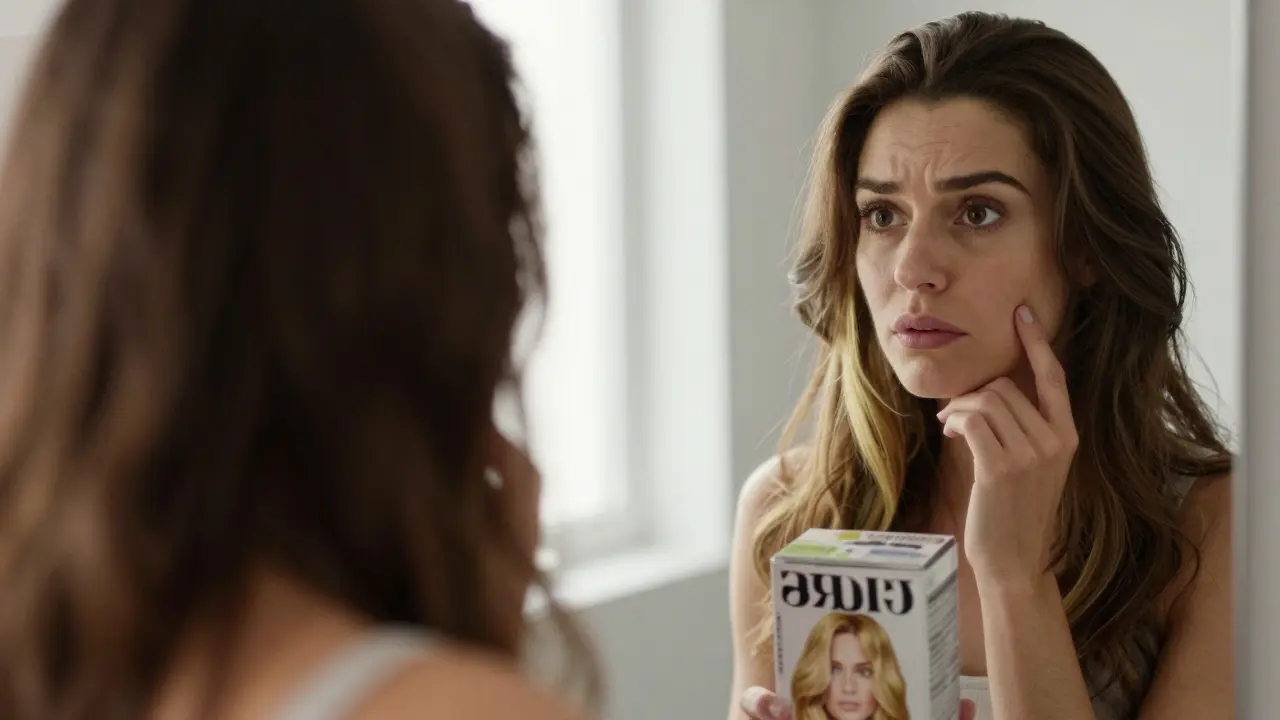
So, you’ve stared in the mirror at your dark brown hair and decided it’s time for a drastic change. You want that sun-kissed, icy, or honey-blonde look. But here is the hard truth: you cannot simply paint blonde dye over dark brown hair and expect it to work. It’s like trying to paint a white wall over a black one without primer-the dark pigment will just show through, leaving you with muddy, brassy results.
The short answer is yes, you can dye dark brown hair blonde. But the long answer involves chemistry, patience, and usually, a trip to the salon (or a very brave DIY session). This isn’t just about applying color; it’s about stripping away your natural pigment first. Let’s break down exactly how this transformation works, what it costs your hair health, and how to actually pull it off without ruining your locks.
Why You Can’t Just "Paint" Blonde Over Brown
To understand why going from dark brown to blonde is tricky, you have to look at hair biology. Your hair has a cuticle (the outer layer) and a cortex (where the pigment lives). When you apply standard hair dye, it deposits color on top of or slightly into the cuticle. It does not remove existing color.
If you have dark brown hair, your cortex is packed with dark melanin pigments. Standard blonde dye contains light pigments. If you apply light pigment over dark pigment, the dark wins. You might end up with a reddish-orange tint if the dye lifts slightly, but you won’t get true blonde. To get there, you need to physically open the hair cuticle and oxidize (break down) those dark pigments so they can be washed out. That is where bleach comes in.
According to experts at L'Oréal Paris, in most cases involving dark brown hair, bleaching is non-negotiable. While some brands like Clairol offer "bleach-free" lighteners (like their Blonde It Up range), these products have limits. They work well if you are already light brown or have a blonde base. For deep, dark brown hair, these gentle alternatives often fail to lift enough levels to reveal true blonde tones.
The Double Process: How the Transformation Actually Works
The industry standard for turning brunette hair blonde is called the double process. As detailed by Zotos Professional, this method involves two distinct steps:
- Lifting (Bleaching): You apply a lightener mixed with a developer to strip the natural dark pigment from the hair shaft.
- Coloring (Toning/Dyeing): Once the hair is lifted to a pale yellow stage, you apply a blonde toner or dye to achieve the specific shade you want (ash, platinum, honey, etc.).
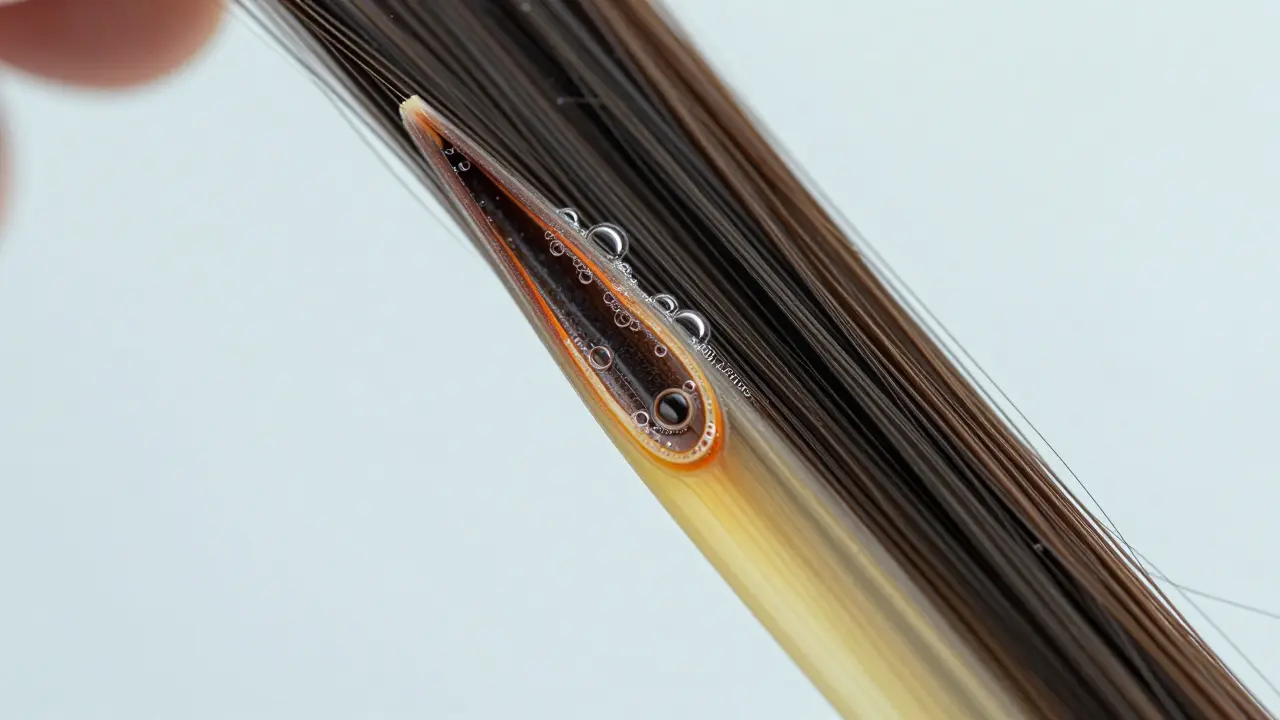
This process is effective but harsh. The key ingredient in most bleach is hydrogen peroxide. When mixed with an alkaline agent, it creates oxygen bubbles that expand the hair shaft and destroy melanin. This expansion weakens the hair structure, which is why bleached hair feels dry and brittle immediately after the process.
Here is a critical rule: you cannot go from dark brown to platinum blonde in one single session. WECOLOUR notes that healthy hair can only safely lift about 3-4 levels of darkness per session. Going faster risks melting your hair or causing severe scalp burns. Most people with dark brown hair need two or even three sessions spaced weeks apart to reach a true blonde canvas.
Understanding Developer Strengths and Ratios
If you are attempting this at home, understanding developer volume is crucial. The developer is the liquid you mix with bleach. Its strength determines how much the hair cuticle opens and how much lift you get.
- 10 Volume: Gentle. Used mostly for depositing color or very subtle lifting. Not strong enough for dark brown to blonde.
- 20 Volume: Standard for root touch-ups and moderate lifting. Good for moving from dark brown to light brown/dark blonde.
- 30 Volume: Strong. Used for significant lift, such as going from medium brown to blonde. Higher risk of damage.
- 40 Volume: Very strong. Often used for gray coverage or maximum lift. High risk of breakage and scalp irritation. Many professionals avoid using this on the scalp.
Zotos Professional emphasizes that you must follow manufacturer-recommended ratios. Using too little developer means the bleach won’t activate properly. Using too much can cause the mixture to dry out too fast or become overly aggressive. For example, products like AGEBeautiful Ultra Bond Lightener+ require specific pairing with their bond-building developer to maintain hair integrity during the lift.
Alternative Methods: Balayage and Highlights
If the idea of bleaching your entire head scares you (and it should, if you value your hair’s elasticity), consider partial techniques. These methods allow you to transition to blonde gradually while keeping the bulk of your dark brown hair intact.
Balayage involves hand-painting bleach onto select sections of hair, focusing on the mid-lengths and ends. This creates a natural, sun-bleached effect. Because the bleach doesn’t touch the roots initially, regrowth is less noticeable, and the damage is distributed rather than concentrated all over the scalp.
Highlights use foils to isolate strands for bleaching. This gives more contrast and precision than balayage. Both techniques use bleach, but because they don’t cover 100% of the hair, they are significantly less damaging than a full-head bleach-out. They also make the final result look more dimensional and expensive.
| Method | Damage Level | Maintenance | Best For |
|---|---|---|---|
| Full Head Bleach | High | High (Roots every 4-6 weeks) | Uniform, dramatic color change |
| Balayage | Medium | Low (Grows out naturally) | Natural, sun-kissed look |
| Highlights | Medium-High | Medium (Roots every 6-8 weeks) | Contrast and dimension |
| High-Lift Dye (No Bleach) | Low-Medium | Medium | Light brown to dark blonde only |
Toning: Killing the Brass
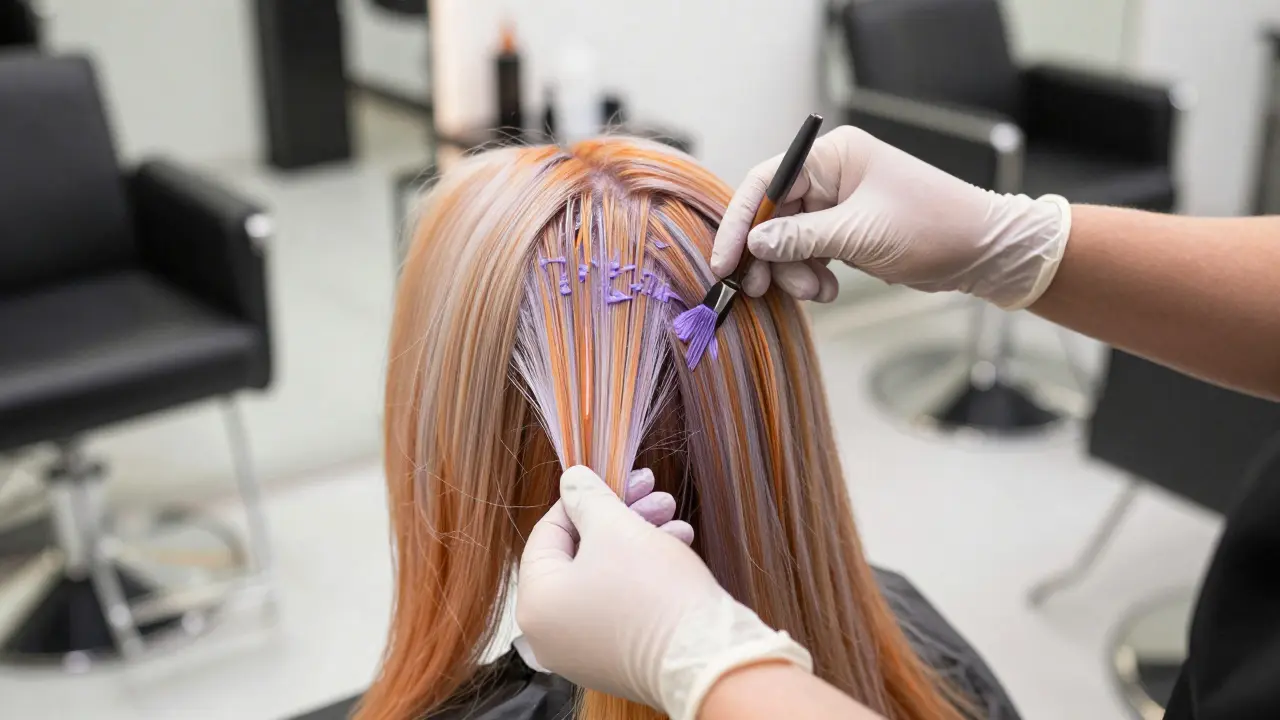
Once your dark brown hair is bleached, it won’t instantly turn white or ash blonde. It will likely turn orange, then yellow. This is normal. The warm pigments are the last ones to leave the hair shaft.
To get the cool, neutral blonde you see in magazines, you need toner. Toners are semi-permanent dyes that deposit color to neutralize unwanted warmth. Think of it like a color wheel:
- Orange hair needs a blue-based toner to cancel out the orange.
- Yellow hair needs a violet/purple-based toner to cancel out the yellow.
L'Oréal Paris recommends using a toning conditioner after bleaching to help manage brassiness between salon visits. Without toning, your new blonde will quickly turn brassy due to environmental factors like UV rays and hard water minerals.
Choosing the Right Shade for Your Skin Tone
Not all blondes look good on everyone. The success of your dye job depends heavily on matching the blonde undertone to your skin’s undertone.
If you have warm skin tones (veins look greenish, gold jewelry looks better), aim for warm blondes. Think honey blonde, caramel, or golden blonde. These shades blend seamlessly with your natural warmth.
If you have cool skin tones (veins look bluish, silver jewelry looks better), aim for cool blondes. Think ash blonde, platinum, or icy blonde. Warm tones like gold can make cool skin look sallow or washed out.
L'Oréal Paris suggests testing shades against your face before committing. For a subtle shift, products like Excellence Crème in Dark Blonde can provide a striking but manageable transition. For brighter, summery hues, Natural Light Blonde options work well if your hair has been lifted sufficiently.
At-Home vs. Salon: The Risk Assessment
You *can* dye dark brown hair blonde at home. Clementines Denver confirms that with proper preparation, DIY is possible. However, the margin for error is slim. Here is the reality check:
Salon Pros: A professional knows how to section hair evenly, monitor processing time minute-by-minute, and adjust developer strength based on your hair’s porosity. They can also perform strand tests to predict how your hair will react.
DIY Cons: Home kits often come with fixed-volume developers that may be too weak for dark brown hair or too strong for delicate areas. Uneven application leads to patchy color-some parts blonde, others still brown or orange. If you mess up, fixing it costs more than the initial salon visit.
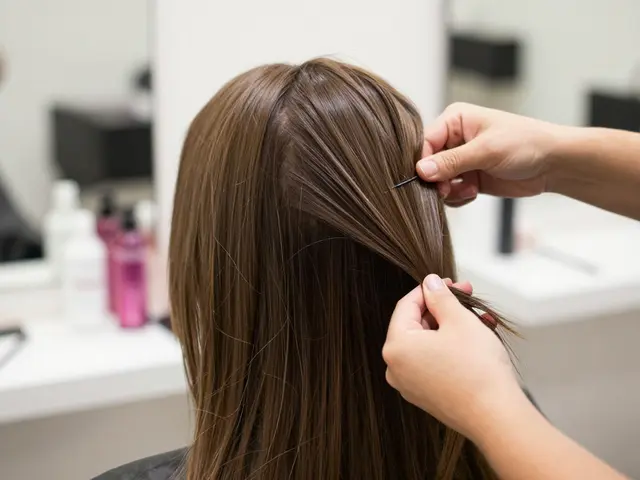
If you choose to DIY, never wash your hair for 2-3 days before bleaching. The natural oils protect your scalp from chemical burns. Apply bleach to dry hair, starting from the mid-lengths and ends, not the roots (roots process faster due to body heat).
Aftercare: Saving Your Hair
Bleaching strips moisture and protein from your hair. If you don’t replenish them, your hair will snap. Treat your new blonde hair like fine silk.
- Use Sulfate-Free Shampoo: Sulfates strip color and moisture. Switch to a gentle, hydrating formula.
- Deep Condition Weekly: Use masks containing keratin, argan oil, or hydrolyzed proteins to rebuild strength.
- Heat Protectant: Always use heat protection before blow-drying or styling. Bleached hair is highly susceptible to heat damage.
- Purple Shampoo: Use once or twice a week to keep brassiness at bay, but don’t overuse it as it can dry out hair further.
Can I go from dark brown to blonde in one day?
Generally, no. Going from dark brown to true blonde requires lifting multiple levels of pigment. Doing this in one session causes severe damage and breakage. Most professionals recommend spacing out bleaching sessions by 2-4 weeks to allow the hair to recover. You can achieve a lighter brown or dark blonde in one session, but not platinum or ash blonde.
Will bleach-free lighteners work on dark brown hair?
Probably not for true blonde. Products like Clairol's Blonde It Up use strong lightening agents but lack the power of traditional bleach to lift dark brown pigment enough to reveal blonde tones. They are best suited for light brown hair or refreshing existing blonde highlights. On dark brown hair, they may only lighten you by one or two shades, resulting in a lighter brown or reddish tone.
How do I fix my hair if it turns orange after bleaching?
Orange indicates that the hair hasn't been lifted enough yet. If your hair is healthy, you can apply another round of bleach to push it past the orange stage to yellow. If your hair is damaged, stop bleaching. Instead, use a blue-based toner or purple shampoo to neutralize the orange tones. You can also dye over it with a darker blonde or light brown shade to mask the orange until you can grow it out or re-bleach safely.
Is it safe to bleach hair that has been previously dyed dark?
It is risky. Previous dark dyes contain artificial pigments that are harder to remove than natural melanin. They can also react unpredictably with bleach, sometimes turning green or black. If you have boxed dye on your hair, consult a professional. They may need to use a color remover first to strip the artificial dye before attempting to bleach.
What is the least damaging way to go blonde from dark brown?
The least damaging approach is partial highlighting or balayage. By only bleaching select strands, you preserve the structural integrity of the majority of your hair. Another option is to transition slowly, getting lighter shades each session over several months, rather than jumping straight to platinum. Always prioritize bond-building treatments during the process.
Jessica McGirt
May 13, 2026 AT 09:19I have always maintained that proper hair care is a matter of personal discipline and respect for one's own body. The article accurately points out the necessity of bleaching, which is often overlooked by those seeking quick fixes. It is imperative to understand the chemical processes involved before attempting any drastic changes.
Donald Sullivan
May 13, 2026 AT 15:22Stop listening to these salon pushups trying to scare you into paying hundreds of dollars. You can do this at home if you just follow the instructions on the box properly. People are too soft nowadays to handle a little bleach.
Tina van Schelt
May 15, 2026 AT 04:47Oh my stars, I remember when I first attempted this transformation years ago. The smell of the chemicals was absolutely pungent, like burning rubber mixed with almonds. My hair felt as dry as desert sand afterwards, but the mirror reflection was pure magic. Just ensure you use plenty of conditioner!
Ronak Khandelwal
May 15, 2026 AT 07:44This journey from dark to light is truly a metaphor for life itself 🌟. We must strip away our old layers to reveal the true self underneath. It requires patience and love for oneself. Embrace the process and let your inner light shine through every strand ✨🧘♀️.
Jeff Napier
May 15, 2026 AT 09:04they want you to believe bleach is necessary because the big beauty corporations control the narrative. natural oils and sunlight work better but they cant sell that. wake up sheeple
Sibusiso Ernest Masilela
May 15, 2026 AT 23:50Typical amateur advice. If you lack the refined palate to understand hair texture and porosity, you should not even attempt this. Your hair will look like straw and you will be an embarrassment to society. Stick to brown, peasant.
Daniel Kennedy
May 16, 2026 AT 22:07Listen here, you need to stop ignoring the science of bond builders. Ignoring them leads to breakage and that is unacceptable. Use Olaplex or K18 or whatever works for your budget but do not skip it. Your hair structure depends on it.
Taylor Hayes
May 18, 2026 AT 06:39I totally get why people are scared of the damage part. It’s really important to listen to your hair and take breaks between sessions. If it feels brittle, just wait a bit longer. There’s no rush in life really.
Sanjay Mittal
May 19, 2026 AT 11:59The technical explanation regarding developer volumes is correct. 20 volume is sufficient for most lifts without excessive damage. Higher volumes increase the risk of protein degradation significantly.
Mike Zhong
May 20, 2026 AT 10:28You are all fools for trusting chemical agents. The very act of altering your natural state is an affront to nature. Why change what was given? Conformity is the prison of the mind and the scalp.
Jamie Roman
May 21, 2026 AT 01:51I think about how long the process takes and how much time we spend looking in mirrors wondering if we made the right choice, and honestly, I feel like the real issue is that we don't have enough time to just sit quietly and reflect on our decisions without rushing into things like dyeing our hair immediately after seeing a trend online, so maybe we should slow down and consider the long-term implications of such drastic changes on our overall well-being and daily routine maintenance schedules.
Salomi Cummingham
May 21, 2026 AT 05:33It is simply heartbreaking to see so many individuals disregard the delicate nature of their follicles, rushing headfirst into disaster without a second thought for the consequences, which is deeply troubling because hair is essentially the crown of our heads and treating it with such casual indifference is a tragedy of epic proportions that we must all strive to avoid by being more mindful and gentle with ourselves.
Johnathan Rhyne
May 21, 2026 AT 22:03Let us not forget the importance of proper punctuation when discussing such serious matters. The semicolon is your friend in complex sentences, and failing to utilize it correctly undermines the credibility of your argument regarding toners and brassiness. Do better.
Jawaharlal Thota
May 23, 2026 AT 00:59When we consider the broader perspective of hair health and the intricate balance required to maintain structural integrity during chemical treatments, it becomes evident that a holistic approach involving consistent moisturizing routines and protective styling practices is essential for ensuring longevity and vibrancy of color over extended periods of time without compromising the fundamental strength of the hair shaft itself.