

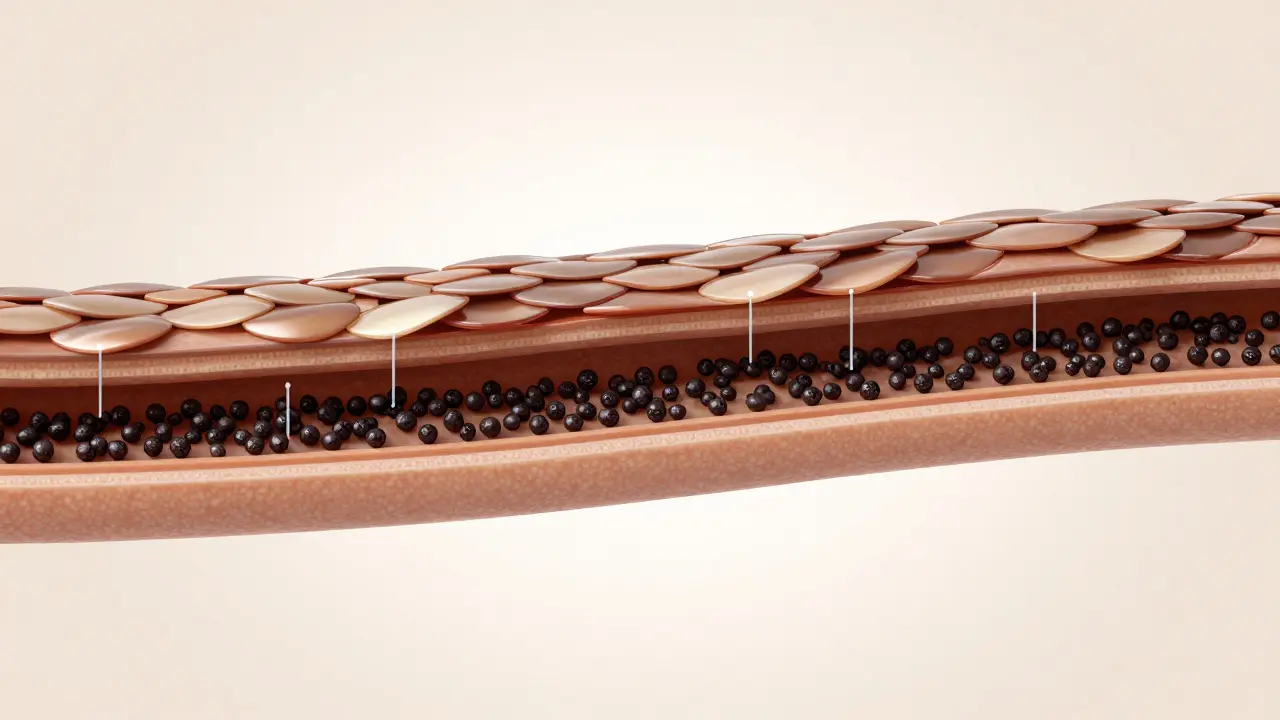
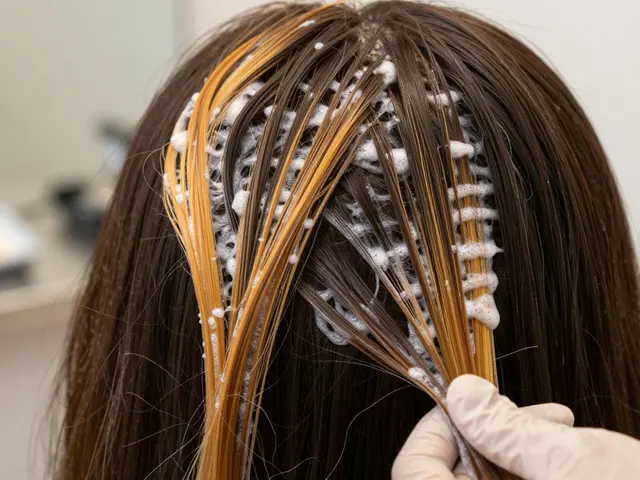
Ever wondered why your hair feels different after a salon visit or a box-dye session at home? It’s not just about the color change. Something physical is happening inside every single strand on your head. To get that lasting color, chemicals have to break through a tough outer barrier, travel deep into the core of the hair, and then lock themselves in place. This process is called hair dye penetration, and it’s a delicate balance between chemistry and biology.
If you’ve ever heard debates about whether ammonia-free dyes are safer or if peroxide damages your hair, understanding this mechanism clears up the confusion. It’s not magic; it’s physics and chemistry working together to rewrite the story of your hair’s pigment.
The Anatomy of a Hair Strand
To understand how dye gets in, you first need to know what it’s trying to enter. Think of your hair like an onion. It has layers, and each layer plays a specific role in protecting the inner structure.
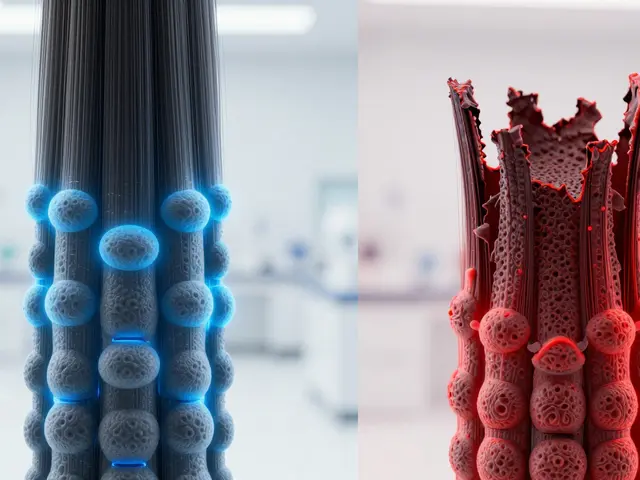
The Cuticle is the outermost layer. Imagine roof shingles overlapping each other. In healthy hair, these scales lie flat and tight, coated with a natural lipid layer rich in 18-methyleicosanoic acid (18-MEA). This coating makes your hair hydrophobic, meaning it repels water and keeps dirt out. For dye to work, this shield must be temporarily breached.
Beneath the cuticle lies the Cortex, which makes up about 80-90% of the hair’s mass. This is where the real action happens. The cortex contains keratin proteins and melanin granules-the pigments that give your hair its natural color. Permanent and demi-permanent dyes aim to deposit their color here because it’s stable and long-lasting. If the dye stays only on the surface, it washes out quickly.
Some hairs also have a medulla, the central core, but for coloring purposes, the battle is fought between the cuticle and the cortex.
Why pH Matters: Opening the Door
Hair dye doesn’t just soak in like water into a sponge. The cuticle is designed to keep things out. To let dye precursors in, we need to swell the hair fiber and lift those protective scales. We do this by changing the pH level.
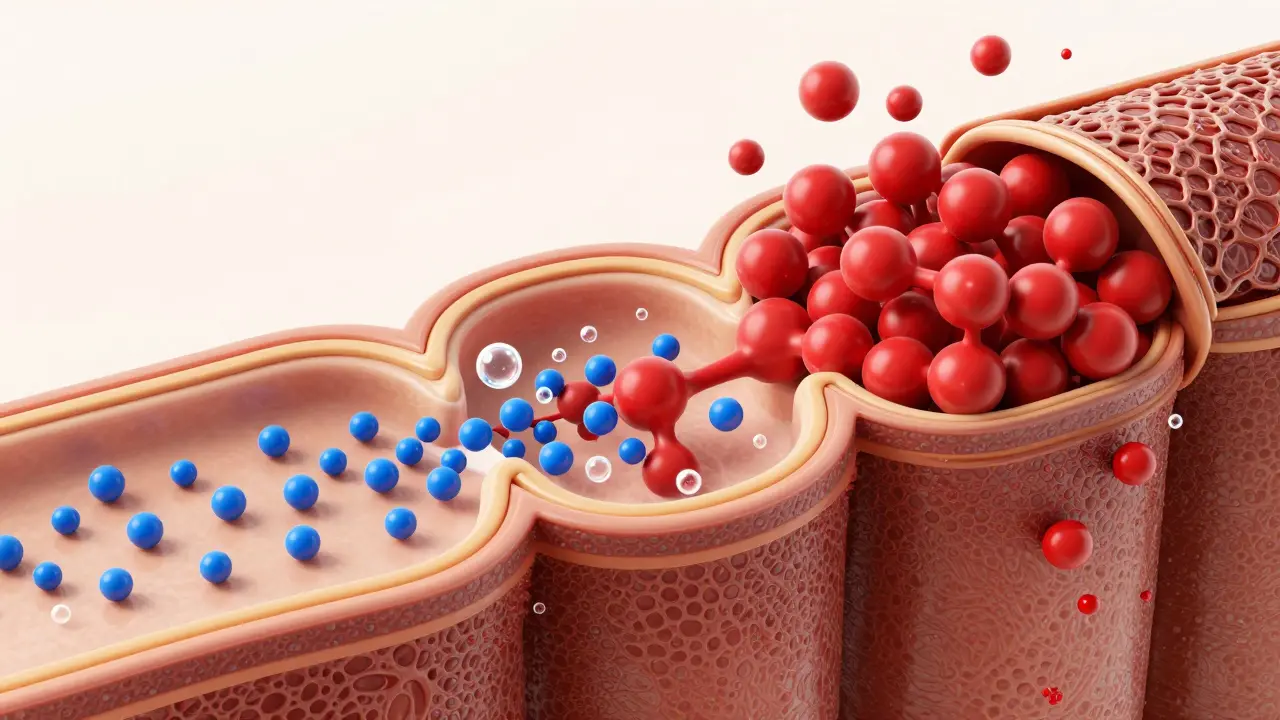
Healthy hair has a slightly acidic pH, around 4.5 to 5.5. When you apply hair dye, you introduce an alkaline agent. This raises the pH to between 8 and 10.5. At this higher pH, the negative charges on the keratin proteins repel each other, causing the hair shaft to swell. The cuticle scales lift slightly, creating gaps.
This is where Ammonia comes in. Ammonia is a gas that dissolves in the dye cream. It’s highly effective at raising pH and opening the cuticle. Because it’s volatile, it eventually evaporates from the hair during processing. As it leaves, the pH drops, and the cuticle shrinks back down, trapping the color inside.
The Role of Hydrogen Peroxide
Raising the pH opens the door, but it doesn’t create the color. That’s the job of hydrogen peroxide, often referred to as "developer" in salons. You’ll see labels like 10 volume, 20 volume, etc., which correspond to concentrations of roughly 3%, 6%, and so on.
Peroxide does two critical things simultaneously:
- It lightens natural pigment: It oxidizes the melanin granules in the cortex, breaking them down. This is why you can go darker or lighter; you’re either adding new color over faded natural pigment or replacing it entirely.
- It activates the dye molecules: Most permanent dyes use small, colorless precursor molecules like p-phenylenediamine (PPD). These molecules are tiny enough to diffuse through the lifted cuticle into the cortex. Once inside, the peroxide triggers a chemical reaction that combines these precursors with couplers to form large, colored polymer molecules.
Here’s the key trick: these newly formed color molecules are too big to escape through the now-closing cuticle. They are effectively trapped inside the cortex, making the color permanent until the hair grows out.
Ammonia-Free Dyes: What’s the Difference?
You’ve likely seen marketing for "ammonia-free" hair color. Does this mean it doesn’t penetrate? Not necessarily. It just means it uses a different alkalizing agent.
Most ammonia-free formulas use Monoethanolamine (MEA). MEA is a liquid amine that also raises the pH and swells the cuticle, allowing dye penetration similar to ammonia. However, unlike ammonia, MEA does not evaporate easily. It remains in the hair shaft longer.
This persistence can be a double-edged sword. On one hand, some users find ammonia-free options less irritating to the scalp because there’s no strong ammonia smell. On the other hand, because MEA stays in the hair, it can cause prolonged swelling and potential structural damage if used frequently. It doesn’t make the dye "safer" in terms of penetration mechanics; it just changes the chemical profile.
| Agent | Type | Evaporation | Penetration Effect | Common Use |
|---|---|---|---|---|
| Ammonia | Gas | High (Volatilizes) | Strong swelling, cutsicle lifts significantly | Permanent oxidative dyes |
| MEA | Liquid | Low (Remains in hair) | Moderate swelling, sustained pH elevation | Ammonia-free permanent/demi-permanent |
| Ethanolamine | Liquid | Low | Mild swelling | Sensitive scalp formulas |
Types of Dyes and Penetration Depth
Not all hair dyes penetrate the same way. The depth of penetration determines how long the color lasts and how much damage occurs.
- Temporary Dyes: These sit on top of the cuticle. They use large pigment particles that don’t enter the shaft. One shampoo removes them. No penetration, no damage.
- Semi-Permanent Dyes: These contain pre-formed dye molecules that are smaller than temporary pigments but larger than oxidative precursors. They may penetrate slightly into the outer cuticle or superficial cortex, especially in porous hair. They last 4-12 washes. They usually don’t require peroxide or high pH.
- Demi-Permanent Dyes: These use low levels of peroxide (often 10 volume) and mild alkalizers. They penetrate partially into the cortex but don’t lighten natural pigment significantly. They last 12-24 washes.
- Permanent Dyes: These rely on high pH and stronger peroxide to fully open the cuticle, diffuse precursors into the cortex, and build large color molecules. They last until hair grows out.
Factors That Affect Penetration
Your individual hair characteristics play a huge role in how dye penetrates and how the final result looks.
Porosity is king. Damaged hair, whether from bleaching, heat styling, or environmental exposure, has a raised or eroded cuticle. This means dye penetrates faster and deeper. While this might sound good for coverage, it often leads to uneven results. Porous ends might grab too much color, becoming darker than the roots. Conversely, very resistant virgin hair with a tight cuticle might take longer to develop, leading to patchy color if processed for standard times.
Fiber diameter matters. Fine hair has a shorter diffusion path from the surface to the cortex center compared to coarse hair. This is why fine hair often processes faster and can become overly damaged if left in too long. Coarse hair requires more time and sometimes higher strength developers to achieve the same level of penetration.
Heat accelerates diffusion. Applying heat during processing increases the kinetic energy of the molecules, speeding up their movement into the hair shaft. Salons often use hood dryers for this reason. However, excessive heat can also increase damage by accelerating the oxidation of keratin.
Sealing the Cuticle After Dyeing
Once the color has developed, the job isn’t done. The cuticle is still swollen and open. If you leave it like that, the color will fade quickly, and the hair will feel rough and brittle. You need to reseal the cuticle.
This is why acidic conditioners are crucial. By lowering the pH back to around 4.5, you neutralize the alkalinity. The keratin proteins stop repelling each other, and the cuticle scales flatten back down. This traps the color molecules inside and restores some smoothness to the hair surface.
Many people swear by a vinegar rinse after dyeing. Apple cider vinegar or white vinegar diluted in water creates a mildly acidic environment that helps tighten the cuticle. Just be careful not to use undiluted vinegar, as extreme acidity can also damage hair over time.
Minimizing Damage During Penetration
Since penetration involves chemical disruption, damage is inevitable to some degree. However, you can mitigate it.
Pre-treatment oils: Applying coconut oil before dyeing can help reduce protein loss. Coconut oil has been shown to penetrate the hair shaft itself and bind to keratin, offering a protective barrier against the harsh chemicals. It won’t stop the dye from working, but it can reduce the structural impact.
Bond builders: Products containing ingredients like bis-aminopropyl diglycol dimaleate (often marketed as Olaplex or K18) work by repairing disulfide bonds in the cortex that are broken by peroxide. They don’t change how dye penetrates, but they help maintain the hair’s integrity during the process.
Respect processing times: Leaving dye on longer than recommended doesn’t necessarily make the color darker; it mostly increases damage. Once the precursors have reacted, further exposure just degrades the hair structure.
Does ammonia-free hair dye penetrate less than ammonia-based dye?
Not necessarily. Ammonia-free dyes often use Monoethanolamine (MEA), which also swells the cuticle and allows dye penetration. The difference is that MEA stays in the hair longer, whereas ammonia evaporates. Both can achieve deep penetration, but the chemical experience for the hair is different.
Why does my hair feel dry after dyeing?
The alkaline agents and hydrogen peroxide strip away natural lipids and disrupt the cuticle structure. Even though the cuticle reseals, the internal moisture balance is affected. Regular conditioning and using acidic rinses can help restore smoothness and hydration.
Can semi-permanent dye penetrate damaged hair?
Yes. Semi-permanent dyes primarily sit on the surface, but in damaged or porous hair, the lifted cuticle allows some dye molecules to enter the outer cortex. This can lead to longer-lasting color on damaged areas but also faster fading as the dye leaches out from the compromised structure.
Is hydrogen peroxide necessary for all hair dyes?
No. Temporary and many semi-permanent dyes do not require peroxide. Peroxide is essential for permanent and most demi-permanent dyes because it activates the color precursors and lightens natural pigment. Without it, you cannot achieve significant color change or permanence.
How long does it take for hair dye to penetrate the shaft?
Penetration begins within minutes as the cuticle swells. However, the full oxidative reaction and color formation typically take 20 to 45 minutes, depending on the developer strength, desired color change, and hair porosity. Following manufacturer timing is crucial for optimal results.
LeVar Trotter
May 22, 2026 AT 04:52The mechanistic explanation of the cuticle swelling via alkaline pH elevation is particularly illuminating regarding the thermodynamic stability of the keratin matrix. It is fascinating how the volatility of ammonia serves as a self-limiting agent for the swelling process, thereby mitigating prolonged structural compromise compared to non-volatile amines like MEA. The distinction between the diffusion kinetics of precursor molecules versus pre-formed polymers in semi-permanent dyes underscores the importance of molecular weight in determining penetration depth and longevity.
Tyler Durden
May 22, 2026 AT 13:21so this means that every time you dye your hair you are basically breaking it open from the inside out??!! i never thought about the chemistry behind it like this!!! it makes total sense why my hair feels so dry after using box dyes!!! i need to start using those bond builders immediately!!!
Aafreen Khan
May 24, 2026 AT 10:27nah this is all just corporate BS to sell more products 🙄 they want u to think u need special oils and treatments but really its just about genetics lol i have never used any of that stuff and my hair is fine 😂 dont fall for the hype ppl
Pamela Watson
May 25, 2026 AT 03:09you know what else helps? apple cider vinegar rinses! i do it all the time and it seals the cuticle perfectly :) also coconut oil before dyeing is a game changer for sure!
Jeremy Chick
May 26, 2026 AT 01:32stop giving bad advice pamela. vinegar can be too acidic if not diluted properly and will damage your hair further. read the article again.
Sagar Malik
May 27, 2026 AT 12:43the establishment wants us to believe in 'science' but the real truth is that the chemical industry is poisoning our follicles with heavy metals and fluoride. the pH balance is a myth created by big pharma to keep us buying their expensive shampoos. wake up sheeple the medulla is where the government implants microchips through the dye process.
Seraphina Nero
May 28, 2026 AT 19:18i found this really helpful especially the part about porosity. i always wondered why my ends get darker than my roots. thanks for explaining it simply.
Megan Ellaby
May 30, 2026 AT 04:05does anyone know if heat tools affect the penetration rate significantly or is it mostly just the processing time under the hood dryer?
Rahul U.
May 30, 2026 AT 16:03Heat increases kinetic energy which accelerates molecular diffusion into the cortex. However, excessive thermal energy can degrade keratin proteins faster than the color develops. It is a delicate balance. 🔬🔥
E Jones
May 31, 2026 AT 10:53it is truly a sinister dance of molecules, isn't it? one moment the cuticle is a fortress, impenetrable and proud, and the next it is swollen, weeping its lipids into the abyss of the alkaline bath, surrendering its melanin to the oxidizing wrath of peroxide, a chemical betrayal that leaves the shaft hollowed out, echoing with the ghosts of broken disulfide bonds, while the consumer smiles at the mirror, unaware that their crown of glory is now a prison of trapped polymers, forever altered by the invisible hand of commerce and chemistry, a tragedy played out on a microscopic stage every single weekend.