

You’ve just washed your hair, you’re feeling fresh, and you’re ready to transform your look with that vibrant semi-permanent hair color. It seems logical: apply the dye now while your strands are still damp. After all, water helps spread many products evenly. But here is the hard truth from professional colorists and manufacturers alike: applying semi-permanent or demi-permanent hair color to wet hair is a recipe for disappointment. While it is technically possible to squeeze dye onto wet strands, the results will likely be patchy, dull, and short-lived.
The consensus in the hair care industry is clear. Major brands like Arctic Fox and Paradyes explicitly advise against this practice. If you want your color to pop, last longer, and keep your hair healthy, you need to understand the chemistry behind why dry hair is non-negotiable for most coloring processes.
Why Water Is the Enemy of Vibrant Color
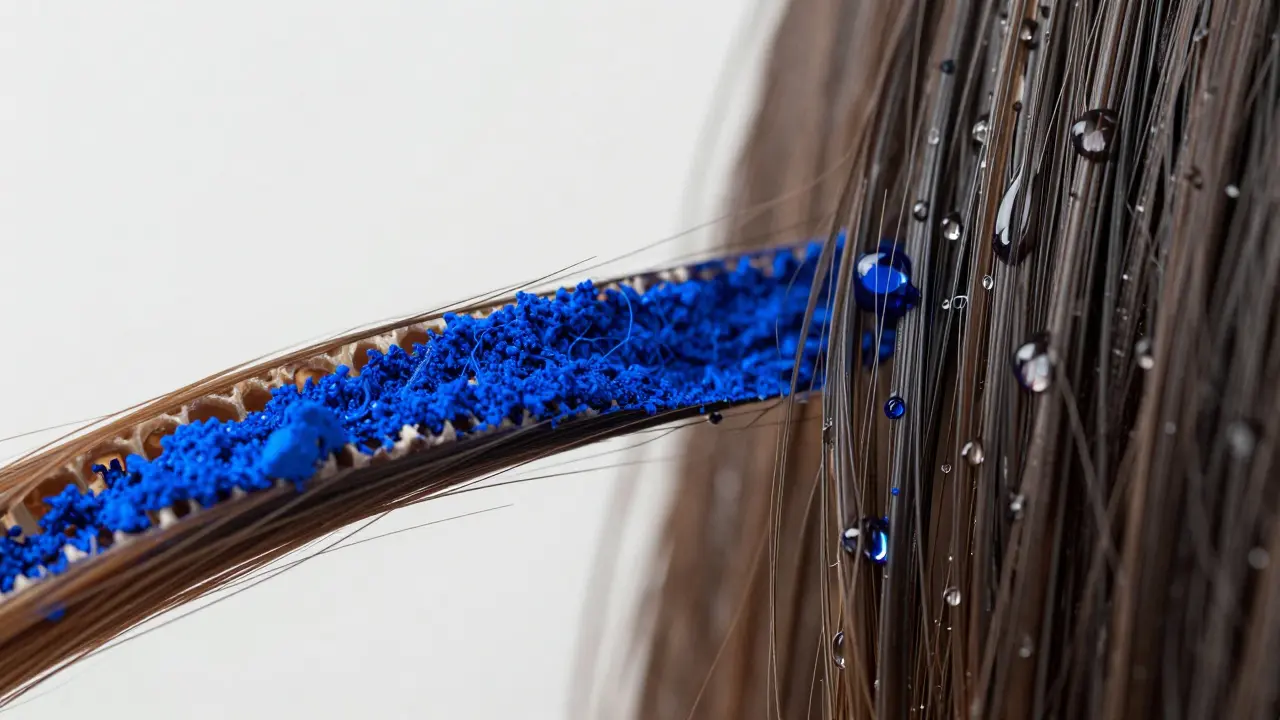
To understand why wet hair fails to hold color, you have to look at what happens on a molecular level. Think of your hair strand like a dry sponge. When the sponge is dry, it has plenty of empty space to absorb liquid. Now, imagine soaking that sponge until it’s dripping wet. If you try to pour more liquid into it, what happens? It doesn’t absorb; it just runs off the surface or sits unevenly.
Semi-permanent hair color works by depositing pigment molecules into the outer layer of your hair shaft, known as the cuticle. When your hair is wet, water molecules occupy the spaces within the cuticle that would otherwise be available for dye absorption. This creates a physical barrier. The pigment cannot penetrate deeply because there is simply no room for it. Instead of bonding with your hair proteins, the color sits loosely on top, leading to immediate fading.
This isn't just about saturation; it's about distribution. Water acts as a diluting agent. When you apply dye to wet hair, the water already present in your strands mixes with the product, altering its concentration. This leads to uneven dye distribution. You might end up with streaks where the color is too faint and other areas where it’s slightly darker, but rarely the rich, uniform shade you see in the marketing photos.
The Chemical Shift: pH and Damage Risks
Beyond just blocking absorption, water fundamentally changes the chemistry of the color solution. Most hair color products are formulated to work on dry hair structures. When water enters the mix, it raises the pH of the color solution. This shift can cause unwanted chemical reactions that compromise both the integrity of the dye and the health of your hair.
According to technical analyses from experts like Madison Dufour of The Exquisite Find Hair Blog, applying color to wet hair causes a "cascading downgrade" in performance. Here is how it breaks down:
- Permanent dyes applied to wet hair perform like demi-permanent dyes.
- Demi-permanent dyes applied to wet hair perform like semi-permanent dyes.
- Semi-permanent colors applied to wet hair wash out as rapidly as temporary rinse-out tints.
If you are using a semi-permanent formula, which is already designed to fade gradually over 4-6 weeks, applying it to wet hair means it might wash out completely after just one or two shampoos. You lose money, time, and vibrancy.
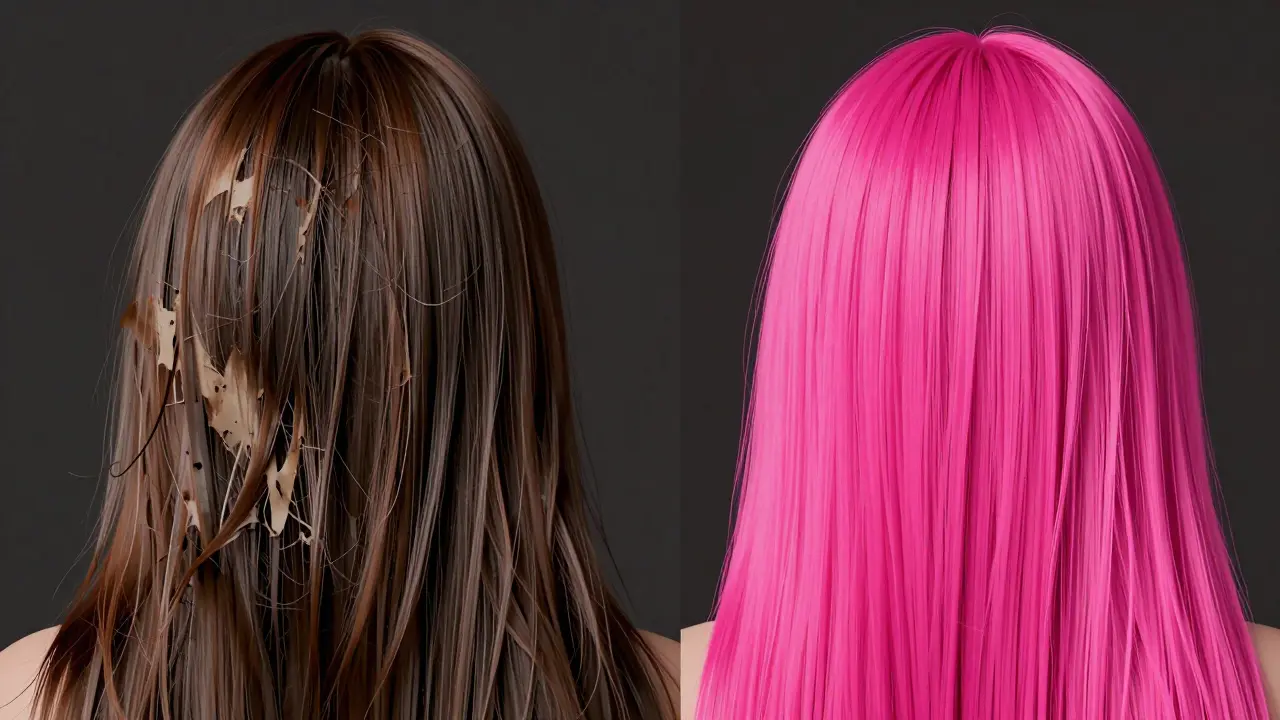
There is also a significant risk of damage. Wet hair is inherently more fragile. The water swells the hair shaft, making it more susceptible to breakage and chemical stress. Applying concentrated pigments to this vulnerable state can lead to dryness, brittleness, and split ends, especially if you have previously colored or chemically processed hair.
Manufacturer Guidelines: What the Experts Say
You don’t have to guess whether wet application is safe because the manufacturers tell you directly. Let’s look at the guidance from some of the most popular brands in the market.
| Brand | Recommended Hair State | Key Reasoning |
|---|---|---|
| Arctic Fox | Clean, Completely Dry | Prevents oil barriers; ensures even saturation and vibrant results. |
| Paradyes | Completely Dry | Wet hair leaves no space for pigment; increases damage risk. |
| Current Salon | Dry (Preferred) | Results vary significantly on wet hair; follow manufacturer instructions. |
Arctic Fox, a leader in vegan-friendly hair color, is particularly strict. Their protocol requires washing hair with a clarifying shampoo to remove product buildup and excess oils, then drying it completely before application. They specifically warn against using conditioner or leave-in moisturizers right before dyeing, as these products create an oily barrier that prevents proper dye penetration. Ironically, their formulas contain conditioning agents to nourish your hair *during* the process, so pre-conditioning is unnecessary and counterproductive.
Paradyes emphasizes that their conditioner-based formulas rely on the hair being dry to allow the pigments to bind correctly. They note that shampooing strips natural oils temporarily, leaving wet hair extremely vulnerable to damage from color chemicals. Therefore, they insist on thorough washing followed by complete drying.
Are There Any Exceptions?
If you’ve heard rumors about professionals coloring wet hair, you aren’t imagining things. However, these exceptions are rare, highly specific, and generally not recommended for home users.
Professional colorists may use wet techniques in very controlled scenarios:
- Post-Bleach Toning: Sometimes, toners are applied to damp hair immediately after a bleach lift to neutralize brassiness quickly. This requires precise timing and professional knowledge of hair porosity.
- Wet Balayage: Some advanced highlighting techniques involve wetting specific sections of hair to control the flow and placement of lightener or color for subtle dimension.
- Targeted Root Correction: A stylist might wet only the root area to prevent overlap with previously colored mid-lengths, ensuring a seamless blend.
These techniques require a deep understanding of hair chemistry, including pH levels, processing times, and individual hair texture. For the average person applying a box or bottle of semi-permanent dye at home, attempting these methods usually leads to muddy colors or unintended streaks. Unless your specific product instructions explicitly say "apply to wet hair," assume they do not.
The Right Way to Apply Semi-Permanent Color
To get the best results, follow this proven protocol. It takes a bit more time upfront, but it saves you from having to re-dye your hair weeks later.
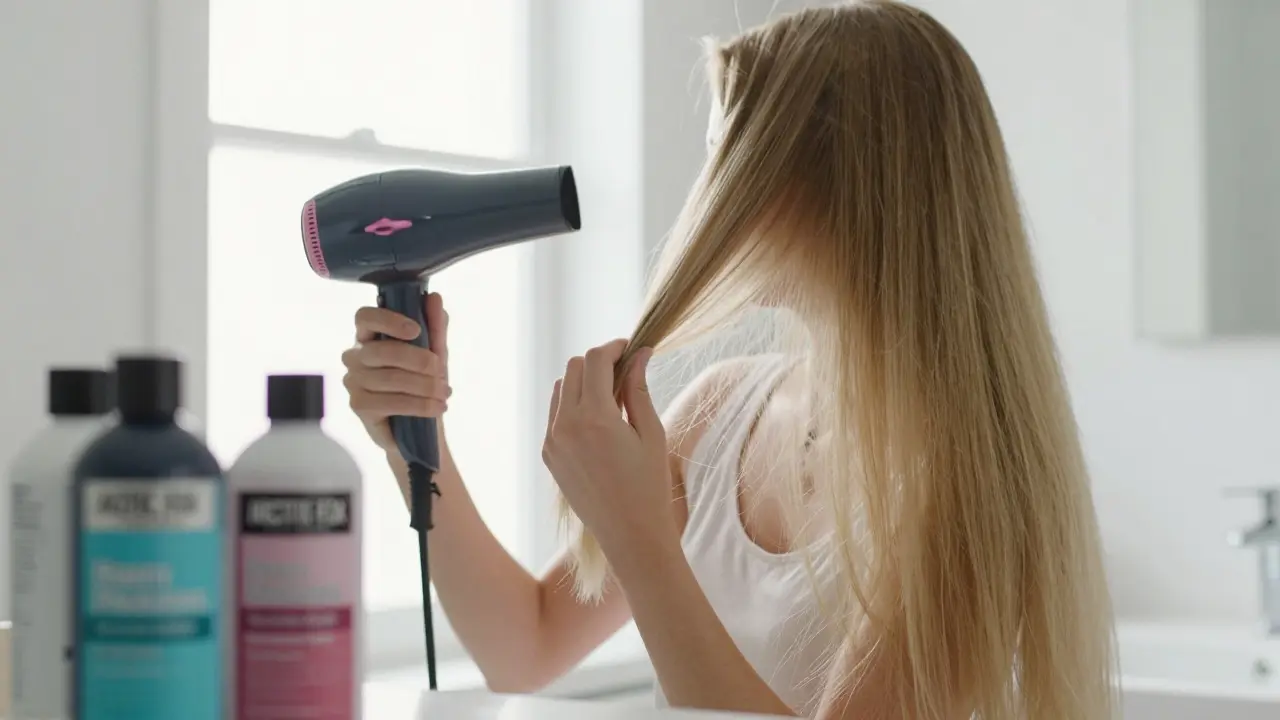
- Clarify Your Hair: Wash your hair with a clarifying shampoo 24 hours before coloring. This removes silicone buildup, hard water minerals, and excess oils that block color absorption. Avoid using conditioner in this step.
- Dry Completely: Blow-dry your hair until it is 100% dry. Do not skip this step. Even slightly damp hair holds enough moisture to interfere with pigment binding.
- Protect Your Skin: Apply petroleum jelly or a barrier cream along your hairline and ears to prevent staining.
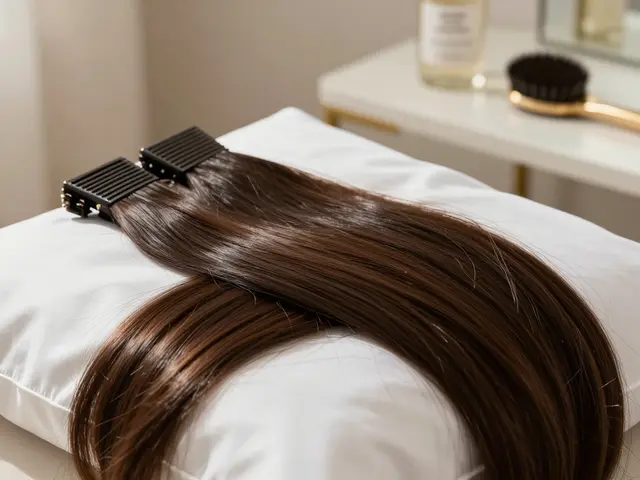
- Section Your Hair: Divide your hair into four quadrants using clips. This ensures you cover every strand evenly, from roots to tips.
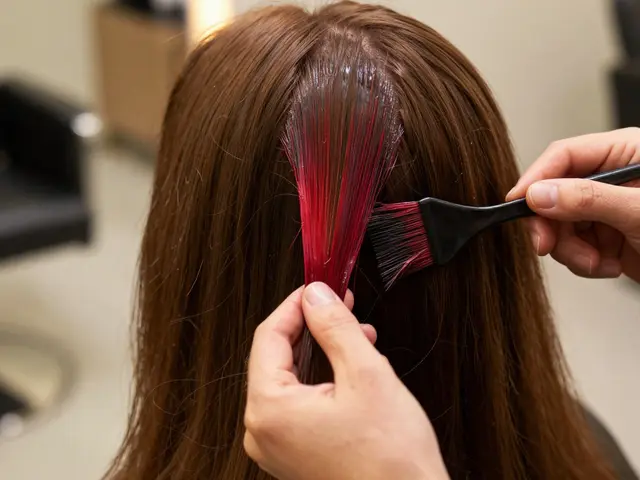
- Apply Generously: Using gloves, apply the color starting from the ends and working your way up to the roots. Saturate each section thoroughly. Semi-permanent colors are not oxidative, so they won’t "develop" over time like permanent dyes, but leaving them on longer (30-60 minutes) can deepen the tone.
- Rinse Cool: Rinse with cool water until it runs clear. Hot water opens the cuticles and can cause faster fading.
What About Demi-Permanent vs. Semi-Permanent?
It’s easy to confuse demi-permanent hair color and semi-permanent color, but they behave differently. Demi-permanent color contains a small amount of developer (usually hydrogen peroxide) and penetrates slightly deeper into the cortex. It lasts longer (up to 28 shampoos) and can lighten hair slightly.
However, the rule remains the same: **do not apply to wet hair**. In fact, applying demi-permanent color to wet hair is even more risky because the developer reacts unpredictably when diluted by water. This can lead to uneven lifting, brassy tones, or severe damage. Always follow the manufacturer’s instruction sheet for your specific product type.
Troubleshooting Common Issues
If you accidentally applied your color to wet hair, don’t panic. Here is what you can do:
- If the color is too faint: Wait 48 hours to let your scalp settle, then re-apply the color to clean, dry hair. The second application will likely pick up more pigment since the first coat acted as a base.
- If the color is patchy: Focus the re-application on the lighter spots. Use a wide-tooth comb to distribute the product evenly during the second attempt.
- If your hair feels dry: Follow up with a deep conditioning mask. Since wet application can increase vulnerability, intensive hydration will help restore balance.
Remember, hair color is a chemical process, not just makeup. Treating your hair with respect for its structure-by keeping it dry and clean before application-ensures you get the vibrant, long-lasting results you paid for.
Can I apply semi-permanent hair color to damp hair?
No, you should not apply semi-permanent hair color to damp hair. Even slightly damp hair contains enough water to dilute the pigment and prevent proper absorption. This leads to uneven color, faster fading, and potential damage. Always ensure your hair is completely dry before application.
Why does Arctic Fox recommend dry hair?
Arctic Fox recommends dry hair because water and oils create barriers that prevent their vegan-based pigments from penetrating the hair shaft. Dry, clean hair allows for maximum saturation, resulting in brighter, more even, and longer-lasting color.
Does wet hair make hair color fade faster?
Yes, significantly. Water molecules occupy the space in the hair cuticle needed for pigment absorption. When applied to wet hair, semi-permanent color sits on the surface rather than bonding, causing it to wash out much more quickly-often after just one or two shampoos.
Should I condition my hair before coloring?
No, avoid conditioning your hair immediately before coloring. Conditioners and leave-in treatments leave an oily residue that blocks dye penetration. Wash with a clarifying shampoo instead, and let the conditioning agents in the hair dye itself nourish your strands during the process.
Is it ever okay to color wet hair?
Only in specific professional scenarios, such as certain toning techniques or wet balayage performed by experienced colorists. For home use and standard semi-permanent or demi-permanent applications, wet hair application is not recommended due to unpredictable results and increased damage risk.


Addison Smart
May 7, 2026 AT 11:38I have to say that the explanation regarding the molecular structure of the hair cuticle is incredibly illuminating and provides a solid foundation for understanding why professional results are often elusive when we attempt these procedures at home without adhering strictly to the manufacturer's guidelines, which clearly state that dry hair is essential for proper pigment absorption. It is fascinating how something as simple as water can act as such a significant barrier to achieving vibrant color, effectively diluting the product and preventing it from bonding with the proteins in our hair shafts, leading to those patchy and dull outcomes that so many of us have experienced in frustration. I always appreciate posts that take the time to explain the 'why' behind the instructions, because knowing the science makes me much more likely to follow the protocol correctly rather than just guessing or trying to cut corners based on intuition alone. The comparison to the sponge analogy really drives the point home in a way that is easy to visualize and remember, ensuring that I will never again consider applying semi-permanent dye to damp strands after washing my hair. Thank you for sharing this comprehensive guide that not only informs but also empowers readers to make better decisions about their hair care routines.
David Smith
May 8, 2026 AT 19:06Another day, another article telling us what we already know but somehow managing to drag it out into an endless treatise on basic chemistry that nobody asked for. I mean, seriously, who needs a paragraph explaining that wet hair is like a soaked sponge? It’s common sense, folks, if you had any. But sure, let’s pretend that everyone reading this has never heard of drying their hair before putting chemicals on it. It’s exhausting how people think they’re offering value by restating the obvious with all this fluff and filler words instead of just getting to the point. Save your breath and your ink, because I’m not here to read a novel about pH levels and cuticle barriers when I could be doing anything else with my time. Just tell me if I should use Arctic Fox or not and leave the lecture hall drama at the door.
Lissa Veldhuis
May 9, 2026 AT 15:21oh honey please. you think this is news? i’ve been dying my hair since the nineties and if you’re still out there slapping dye on wet locks like some sort of confused toddler then no wonder your color fades faster than a snowball in hell. it’s not rocket science it’s literally basic biology and yet here we are watching people ruin their beautiful tresses because they couldn’t be bothered to wait ten minutes for a blow dryer. don’t come crying to me when your expensive arctic fox turns into a sad muddy brown mess after one wash. get it together people. your hair deserves better than your laziness.
Michael Jones
May 10, 2026 AT 11:51think about the energy you put into your appearance it reflects your inner state and when you rush through the process you’re essentially telling yourself that you don’t deserve the best version of yourself. taking the time to dry your hair completely isn’t just about following rules it’s about respecting the ritual of transformation. imagine the potential locked inside each strand waiting for the right conditions to shine brightly. when you apply color to dry hair you’re creating a perfect environment for success and that mindset shift can change everything. don’t settle for mediocrity embrace the process and watch your confidence soar along with your vibrant new look. you got this!
allison berroteran
May 11, 2026 AT 03:44I find it really interesting how the post breaks down the difference between demi-permanent and semi-permanent colors, especially since I have always assumed that they were essentially the same thing until I started researching more deeply into hair chemistry and realized that the presence of developer changes everything about how the pigment interacts with the hair shaft. It makes me wonder if there are other subtle distinctions in hair care products that we overlook because we assume they function similarly, and perhaps exploring those nuances could lead to better outcomes for people who are struggling with fading or uneven color application. I appreciate the detailed troubleshooting section as well because it offers practical solutions for those unfortunate enough to have made the mistake of applying dye to damp hair, giving them hope that the situation can be salvaged rather than requiring a complete redo. This kind of thorough information is exactly what helps demystify the coloring process and makes it feel less intimidating for beginners who might otherwise be afraid to experiment with bold shades.
Gabby Love
May 12, 2026 AT 09:43The tip about using petroleum jelly along the hairline is a lifesaver, I learned that the hard way when I tried to skip it last time and ended up with green ears for three days. It’s amazing how small details like that can make such a big difference in the overall experience, turning a potentially messy disaster into a clean and manageable process. I also agree with the recommendation to clarify your hair twenty-four hours before coloring because removing buildup ensures that the dye penetrates evenly without any oily barriers getting in the way. Following these steps meticulously really does pay off in the end, resulting in a much more vibrant and long-lasting color that doesn’t fade prematurely.
Jen Kay
May 13, 2026 AT 01:15Oh, look at us, acting like we discovered fire by realizing that water and oil don’t mix well when it comes to hair dye. How utterly surprising that professionals recommend dry hair when the entire industry is built on chemical reactions that require specific conditions to work properly. I suppose we should all throw away our brains and just guess our way through every beauty routine, right? Because clearly, reading instructions is too difficult for most people. Let’s give ourselves a round of applause for figuring out that wet hair equals bad color, shall we? Truly groundbreaking stuff.
Michael Thomas
May 14, 2026 AT 21:14Facts are facts. Dry hair only. Stop wasting money on cheap dyes that fail because you won't listen to experts. American standards demand quality. Do it right or don't do it at all. No excuses.
Abert Canada
May 16, 2026 AT 11:20yo dude i totally vibe with the whole dry hair thing cause i tried the wet method once and my head looked like a rainbow vomited on a sponge. super weird vibes. but yeah lets keep it real and stick to the script so we dont end up looking like clowns. peace.
Xavier Lévesque
May 17, 2026 AT 18:31Wow, another tutorial on how to not ruin your hair. Groundbreaking. I bet you never thought about the existential dread of having brassy ends, did you? Well, now you know. Try not to cry when it fades.
Thabo mangena
May 18, 2026 AT 02:35It is indeed prudent to adhere to the manufacturer's specifications regarding the application of semi-permanent hair color, as deviation from these established protocols often results in suboptimal outcomes that compromise both the aesthetic integrity and the structural health of the hair follicles. The scientific rationale provided herein underscores the importance of maintaining a dry substrate to ensure optimal pigment deposition and longevity, thereby validating the recommendations issued by reputable brands such as Arctic Fox and Paradyes. One must recognize that hair care is a discipline that requires precision and respect for chemical interactions, and ignoring these principles invites unnecessary damage and dissatisfaction. Therefore, it is advisable to exercise diligence in preparing the hair prior to application, ensuring that all moisture is eliminated to facilitate a uniform and vibrant result that aligns with one's expectations.