

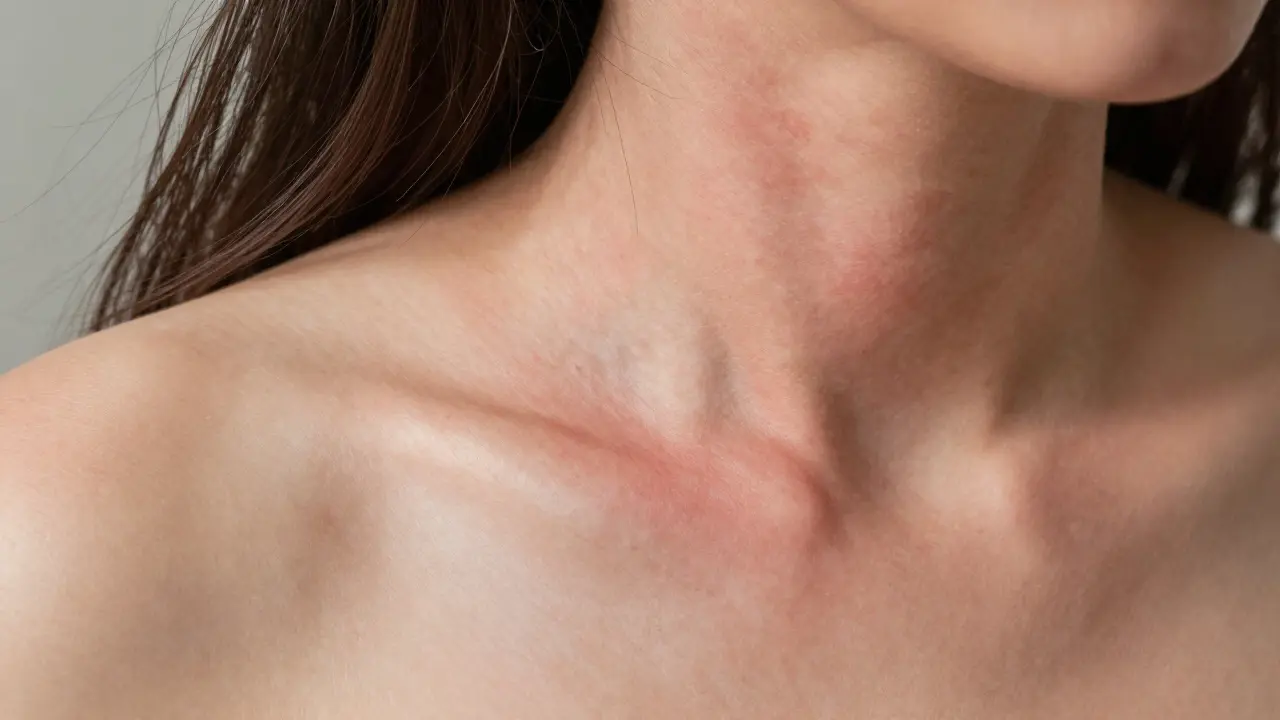
If you have ever experienced a burning scalp, an itchy neck, or a rash after coloring your hair, you likely know the culprit: Paraphenylenediamine, commonly known as PPD. This chemical is the standard developer in most permanent hair dyes, but for many people, it triggers severe allergic reactions. The good news? You do not have to stop coloring your hair. The market has shifted dramatically in recent years, offering robust PPD-free hair dye alternatives that deliver professional results without the harsh chemicals.
Finding a safe alternative used to mean settling for weak herbal rinses that faded after one wash. Today, however, several brands offer permanent, semi-permanent, and oxidative-free formulas that cover gray hair effectively while keeping your skin calm. This guide breaks down the best PPD-free options available in 2026, how they work, and what to watch out for if you have a known sensitivity.
Understanding the PPD Allergy and Cross-Reactivity
Before picking a bottle, it is crucial to understand why PPD causes issues and what "PPD-free" actually means. PPD is an aromatic amine used to create lasting color bonds within the hair shaft. When your immune system identifies PPD as a threat, it launches an attack, causing contact dermatitis. Symptoms can range from mild redness to severe blistering.
The tricky part is cross-reactivity. Even if a product says it is PPD-free, it might contain other oxidative dyes like Toluene-2,5-diamine (T25) or Resorcinol. These chemicals are structurally similar to PPD. If you have a true PPD allergy, there is a significant chance your body will react to these substitutes too. This is why reading the ingredient list beyond the marketing label is non-negotiable.
- True PPD-Free: Contains no PPD, T25, or Resorcinol. Safest for severe allergies.
- Oxidative PPD-Free: Uses alternative developers. May still cause reactions in sensitive individuals.
- Non-Oxidative: Deposits color on the surface. No lifting of natural pigment. Lowest risk of reaction.
Top PPD-Free Hair Dye Brands for 2026
Not all PPD-free dyes are created equal. Some rely on plant extracts, others on synthetic-but-safe chemistry. Here are the top contenders currently dominating the market for safety and performance.
EcoColors: The Soy-Based Professional Choice
EcoColors is a leading brand in PPD-free professional hair color. Unlike many competitors that use ammonia to open the hair cuticle, EcoColors uses a soy-based formula. This makes it incredibly gentle on the scalp and hair structure. The brand explicitly confirms that none of their shades contain PPD, even the darkest browns and blacks.
However, EcoColors does use other oxidative agents. While they are free from resorcinol, parabens, sulfates, and heavy metals, individuals with extreme sensitivities should patch test carefully. The formula is also gluten-free and cruelty-free, aligning with strict EU cosmetic guidelines. It offers excellent gray coverage and vibrant results, making it a favorite among stylists who want to avoid harsh fumes.
NATULIQUE ZERO: For High Sensitivity
If standard PPD-free options still irritate you, NATULIQUE ZERO is designed specifically for you. NATULIQUE originally launched a line with minimal PPD, but their ZERO line is 100% free of both PPD and Resorcinol. This dual exclusion is critical because resorcinol is a common trigger for those allergic to PPD.
The ZERO line includes 11 shades derived from their original organic formula. It relies on certified organic ingredients to achieve color. While it may not lift your natural hair color as aggressively as traditional peroxide-based dyes, it provides exceptional vibrancy and durability for its category. It is the safest bet for clients who have reacted to almost every conventional dye on the market.
Palette by Nature: The Plant-Based Permanent Option
Palette by Nature takes a different approach by focusing on a 100% plant-based permanent patented formula. It is completely free of PPD, PTD, resorcinol, ammonia, and m-aminophenol. The brand goes further by excluding azo-dyes, diazo-dyes, disperse dyes, parabens, SLS, phthalates, and EDTA.
This extensive exclusion list makes Palette by Nature a strong choice for those concerned about potential carcinogens and synthetic allergens. Because it is plant-based, the application process can be more time-intensive than synthetic dyes, often requiring longer processing times to develop full color. However, the result is a clean, natural-looking color that does not compromise on permanence.
PHYTOCOLOR: Botanical Brilliance
PHYTOCOLOR combines a 100% botanical core with modern color technology. It is ammonia-free, PPD-free, and resorcin-free. The formula is sulfate-free, paraben-free, silicone-free, and gluten-free. PHYTOCOLOR is particularly noted for its ability to provide 100% gray coverage without stripping the hair of its natural moisture.
The brand emphasizes "intense color brilliance," meaning the colors tend to be rich and shiny rather than flat or muddy, which can sometimes happen with natural dyes. It is a solid middle-ground option for those who want the safety of botanicals with the reliability of a permanent dye.
Goldwell Illumin: The Non-Oxidative Route
For those who do not need to lighten their hair or cover stubborn gray, Goldwell Illumin offers a non-oxidative system. Because it does not use hydrogen peroxide or ammonia to lift the natural pigment, it operates without PPD. Instead, it deposits color onto the hair shaft. This makes it ideal for refreshing existing color or adding tone without risking an allergic reaction associated with oxidative processes.
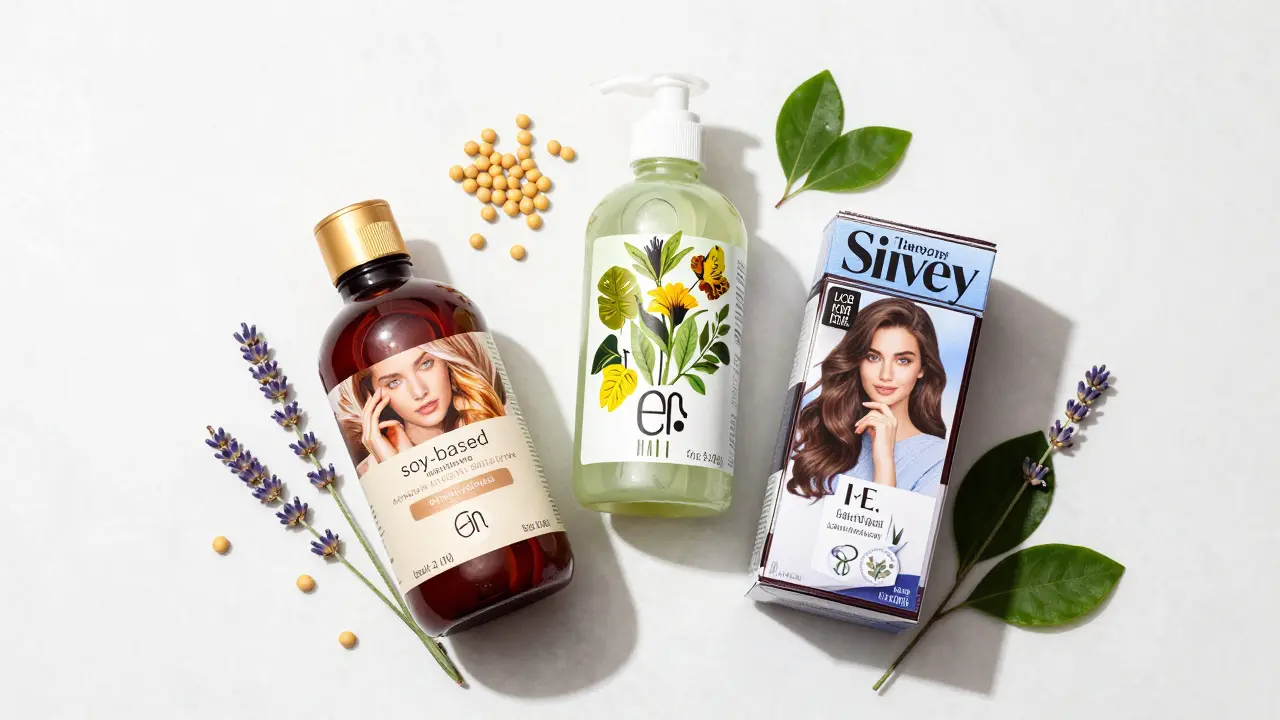
Comparison of Top PPD-Free Hair Dyes
| Brand | Key Ingredients | Contains Resorcinol? | Gray Coverage | Best For |
|---|---|---|---|---|
| EcoColors | Soy-based, Ammonia-free | No | Excellent | Professional results, sensitive scalps |
| NATULIQUE ZERO | Certified Organic | No | Good | Severe PPD/Resorcinol allergies |
| Palette by Nature | Plant-based, No synthetics | No | Very Good | Avoiding all synthetic chemicals |
| PHYTOCOLOR | Botanical core | No | Excellent | Shiny, vibrant permanent color |
| Goldwell Illumin | Non-oxidative | N/A | Limited | Tone refresh, no lifting needed |
How to Apply PPD-Free Dye Safely
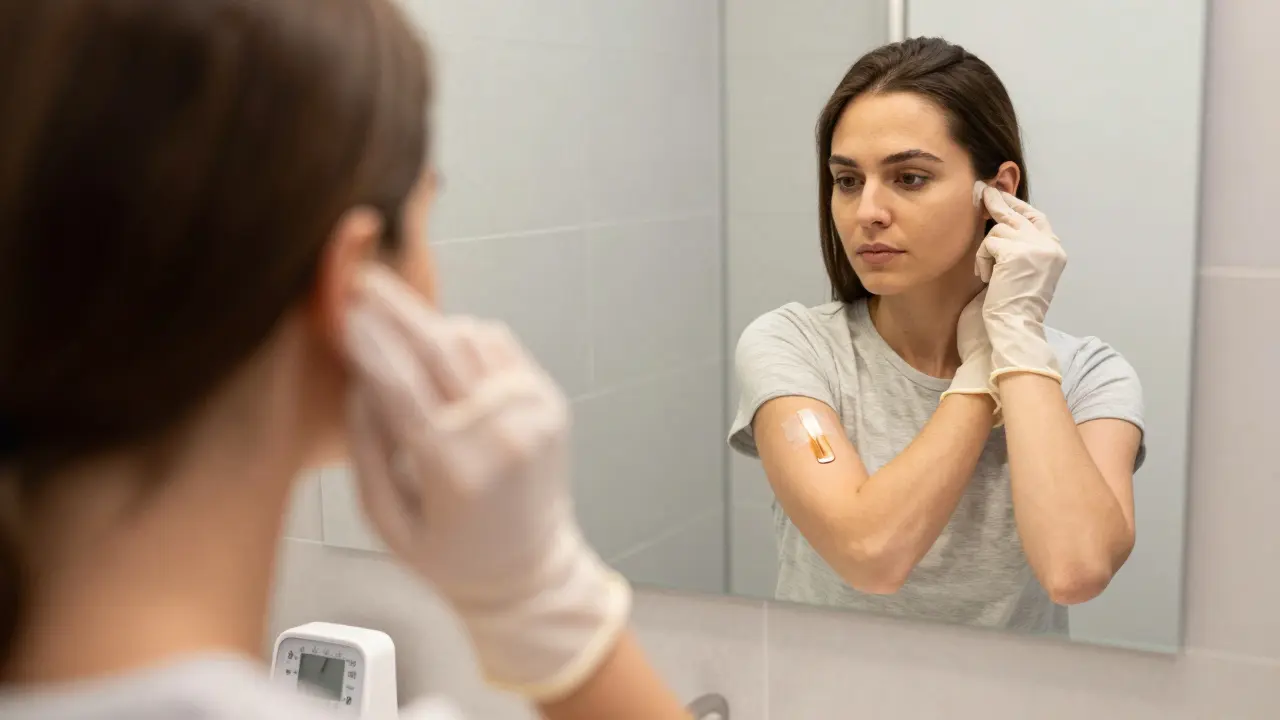
Even with the safest products, your skin can change over time. A patch test is not just a suggestion; it is a necessity. Here is how to ensure your next coloring session is accident-free.
- The 48-Hour Patch Test: Mix a small amount of the dye and apply it behind your ear or on your inner elbow. Wait 48 hours. If you experience itching, redness, or swelling, do not use the product.
- Wear Gloves: Never touch the dye with bare hands. PPD-free dyes can still stain your skin and may contain other sensitizers.
- Protect Your Skin: Apply a thin layer of petroleum jelly or coconut oil along your hairline, ears, and neck to prevent staining and reduce direct contact with the scalp.
- Follow Timing Instructions: PPD-free dyes often require specific processing times. Leaving them on too long can increase the risk of irritation, while leaving them on too short may result in uneven color.
Common Pitfalls to Avoid
One major mistake consumers make is assuming "natural" means "safe." Some natural hair dyes, like henna mixed with metallic salts, can react violently with other chemical treatments later. Always stick to reputable brands that disclose their full ingredient lists. Another pitfall is expecting immediate dramatic lightening. PPD-free oxidative dyes generally cannot lift your natural color more than two levels. If you want to go significantly lighter, you may need to accept a gradual transition or consult a specialist who understands PPD sensitivities.
Can I use PPD-free hair dye if I have a PPD allergy?
Yes, but caution is required. While PPD-free dyes eliminate the primary allergen, some contain cross-reactive chemicals like Resorcinol or Toluene-2,5-diamine. If your allergy is severe, look for brands like NATULIQUE ZERO that are free from both PPD and Resorcinol. Always perform a patch test before full application.
Do PPD-free hair dyes cover gray hair effectively?
Many PPD-free options, such as EcoColors and PHYTOCOLOR, offer excellent gray coverage. They use alternative oxidative systems to penetrate the hair shaft. However, non-oxidative dyes like Goldwell Illumin may only coat the gray hairs rather than fully covering them, resulting in a blended look rather than complete concealment.
Is EcoColors safe for someone with a PPD allergy?
EcoColors is PPD-free and Resorcinol-free, making it safer than many conventional dyes. However, it still contains other oxidative agents. Most people with PPD allergies tolerate it well, but those with extreme sensitivities should patch test first or consider the NATULIQUE ZERO line for maximum safety.
Where can I buy PPD-free hair dye?
Major retailers like Walmart and Target carry brands like Naturtint and Creme of Nature. Professional-grade options like EcoColors and NATULIQUE are often available through specialized beauty supply stores, online retailers, or directly from salon professionals. Palette by Nature and PHYTOCOLOR are widely available online and in select health-focused boutiques.
How long does PPD-free hair dye last?
Permanent PPD-free dyes like EcoColors and PHYTOCOLOR typically last 4-6 weeks, similar to traditional dyes. Semi-permanent or non-oxidative options may fade faster, lasting 2-4 weeks depending on your hair porosity and washing frequency. Using sulfate-free shampoos can extend the life of the color.
Amanda Harkins
May 6, 2026 AT 18:25I've been thinking about the nature of chemical reactions lately, specifically how our bodies reject what they perceive as foreign invaders. It's almost poetic that PPD triggers such a violent immune response, isn't it? We try to change our appearance, and our own biology fights back with redness and itching. It makes you wonder if we are truly in control of our physical presentation or just hostages to our genetic code.
Jeanie Watson
May 8, 2026 AT 03:03Another long article on hair dye. I just want to know which one smells least like a chemistry lab explosion.
Tom Mikota
May 9, 2026 AT 14:07You say 'PPD-free' but then mention T25... aren't those structurally similar? Like, really similar? If you're allergic to one, you're probably gonna react to the other too. Just saying. Also, grammar check: 'non-negotiable' is an adjective, not a verb phrase here.
Mark Tipton
May 10, 2026 AT 00:04The mainstream beauty industry wants you to believe that 'natural' is safe, but have you considered that these plant-based dyes might be laced with heavy metals from contaminated soil? I've read studies-classified ones-that suggest henna mixed with metallic salts can cause irreversible damage to your DNA over time. You think EcoColors is safe? The soy-based formula is likely derived from GMO crops sprayed with glyphosate. Wake up people! They are testing new allergens on us without our consent.
Adithya M
May 10, 2026 AT 05:32Your point about cross-reactivity is valid but incomplete. You need to look at the molecular weight of the amines involved. T25 has a different steric hindrance than PPD which might reduce the binding affinity to certain HLA types. However, for most users, the risk remains high. Stop assuming all oxidative dyes are the same.
Jessica McGirt
May 10, 2026 AT 18:33This is a fantastic breakdown of the options available. I appreciate the emphasis on patch testing because so many people skip that step and end up with swollen faces. It is crucial to respect your body's limits. Thank you for highlighting NATULIQUE ZERO for those with severe sensitivities.
Donald Sullivan
May 11, 2026 AT 03:25Listen here. If you have a PPD allergy, you shouldn't be messing around with any oxidative dye. Period. These companies lie on their labels. I've seen 'PPD-free' bottles that still burn like hellfire. Stick to non-oxidative or go gray. Stop trying to fix something that isn't broken.
Tina van Schelt
May 12, 2026 AT 22:22I switched to PHYTOCOLOR last year and my scalp hasn't felt this calm in decades. It’s like giving your head a spa day every time you color. The shine is incredible, not that flat, dead look you get with ammonia. Highly recommend!
Ronak Khandelwal
May 13, 2026 AT 09:50Love this guide! 🌿✨ It’s so important to listen to your body. I used EcoColors and it was gentle but effective. Remember to breathe during the process and enjoy the transformation! 💖🧘♀️
Jeff Napier
May 14, 2026 AT 20:46they say ppd free but its just marketing bullshit. resorcinol is just as bad maybe worse. why do they hide it? big pharma controls the ingredient lists. trust no one.
Sibusiso Ernest Masilela
May 15, 2026 AT 15:15Oh, please. You people are adorable with your 'sensitive scalps.' Real men don't complain about hair dye. If you can't handle a little peroxide, you're weak. This obsession with 'safe' alternatives is a sign of societal decay. Go to a salon and let a professional handle your incompetence.
Daniel Kennedy
May 17, 2026 AT 04:41Let's keep this conversation respectful. Not everyone has the same tolerance levels, and that's okay. For those who struggle, these alternatives are life-changing. I've helped several clients transition to Palette by Nature with great success. It takes patience, but the results are worth it.
Taylor Hayes
May 17, 2026 AT 08:47I totally get where you're coming from regarding the frustration with reactions. It's tough when you just want to feel good about your look. I found that Goldwell Illumin worked well for me since I didn't need to lift my color. Maybe give that a shot?
Sanjay Mittal
May 17, 2026 AT 16:49Technically speaking, the oxidation potential of the alternative developers in EcoColors is lower than traditional PPD systems. This reduces the likelihood of hapten formation on the skin surface. However, individual variation in skin barrier function plays a significant role. Always consult a dermatologist if you have a history of severe contact dermatitis.
Mike Zhong
May 17, 2026 AT 22:05The pursuit of perfection in hair color is a futile endeavor. We are all decaying matter. The chemicals you put on your head are merely accelerating the entropy of your follicles. Why bother covering gray when it is the natural state of aging? Embrace the void.