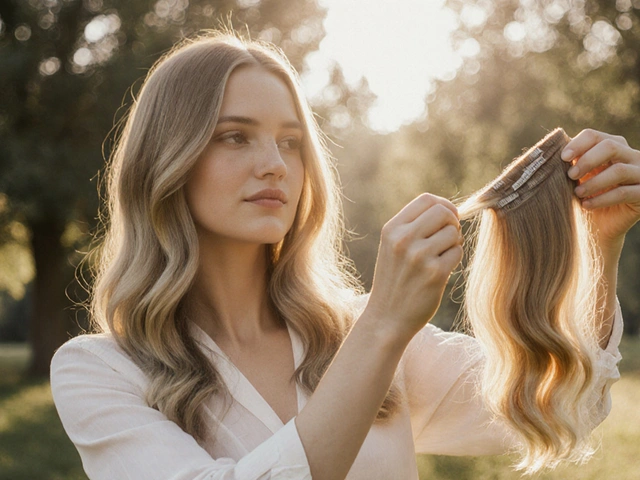

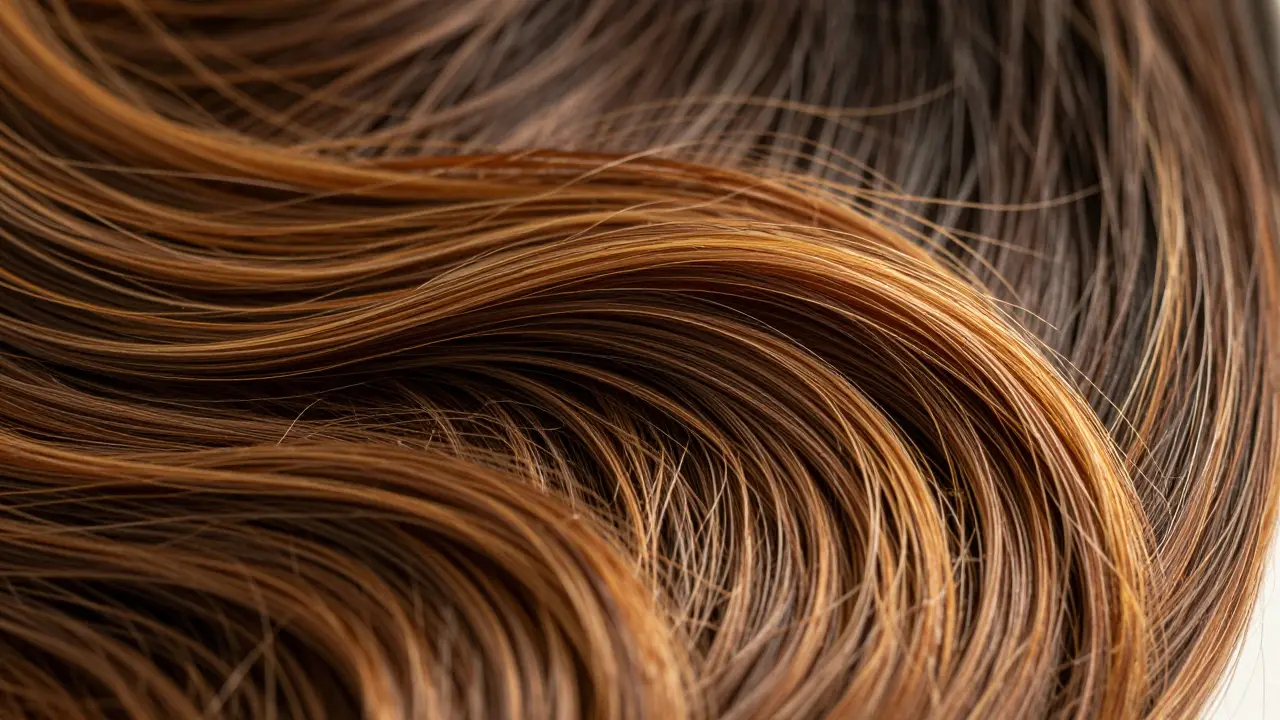
You’ve just invested in a high-quality human hair weave that is premium extension bundles made from natural human hair, designed to be styled and colored like biological hair. It looks great. But does it look *too* uniform? That flat, single-tone finish can sometimes feel a bit lifeless compared to the natural dimension of your own hair. This is where balayage, a freehand hair coloring technique originating in France that creates soft, sun-kissed gradients without foils, comes into play. Applying this sweeping, hand-painted highlight method to your extensions allows you to customize your look, add depth, and mimic the way sunlight naturally lightens strands.
The question isn't just "should I do it?" but rather, "which specific shade will actually work with my base color and skin tone?" Choosing the wrong tone can lead to brassiness or a mismatch that screams "fake." Let’s break down the most flattering options based on your starting point, maintenance habits, and the vibe you want to project.
Know Your Canvas: The Base Color Matters
Before picking a shade, you need to know what you are working with. You cannot bleach synthetic fibers like Kanekalon; they will melt. You must use 100% virgin or dye-safe human hair. The starting level of your bundles dictates your ceiling for lift.
| Base Color Code | Visual Description | Safest Balayage Options | Risk Level |
|---|---|---|---|
| #1B (Off-Black) | Deep black with cool undertones | Caramel, Honey, Chocolate Bronde | High (Requires significant lift) |
| #4 (Medium Brown) | Natural mid-brown | Golden Blonde, Ash Beige, Copper | Medium |
| #613 (Light Blonde) | Pale yellow/blonde | Ash Blonde, Pastels, Reverse Dark Lowlights | Low (Already lifted) |
If you start with #1B or #2 (dark brown), pushing for icy platinum in one session is a recipe for dryness and breakage. Stick to warmer tones that require less lift. If you already have #613 bundles, you have the freedom to go cool, pastel, or even darker with reverse balayage.
The Top 5 Balayage Shades for Weaves
Here are the most reliable and trending choices for 2026, categorized by the effect they create.
1. Caramel & Honey (The Safe Bet)
This is the gold standard for first-timers. By lifting sections of a dark base (#2 or #4) to warm levels 6-7, you get those rich, buttery ribbons that catch the light. It requires less processing than blonde, meaning less damage to the cuticle. This shade complements medium to deep skin tones beautifully. Think of it as adding warmth without changing your overall identity. It’s low-maintenance because any slight fading just turns it slightly lighter honey, not brassy orange.
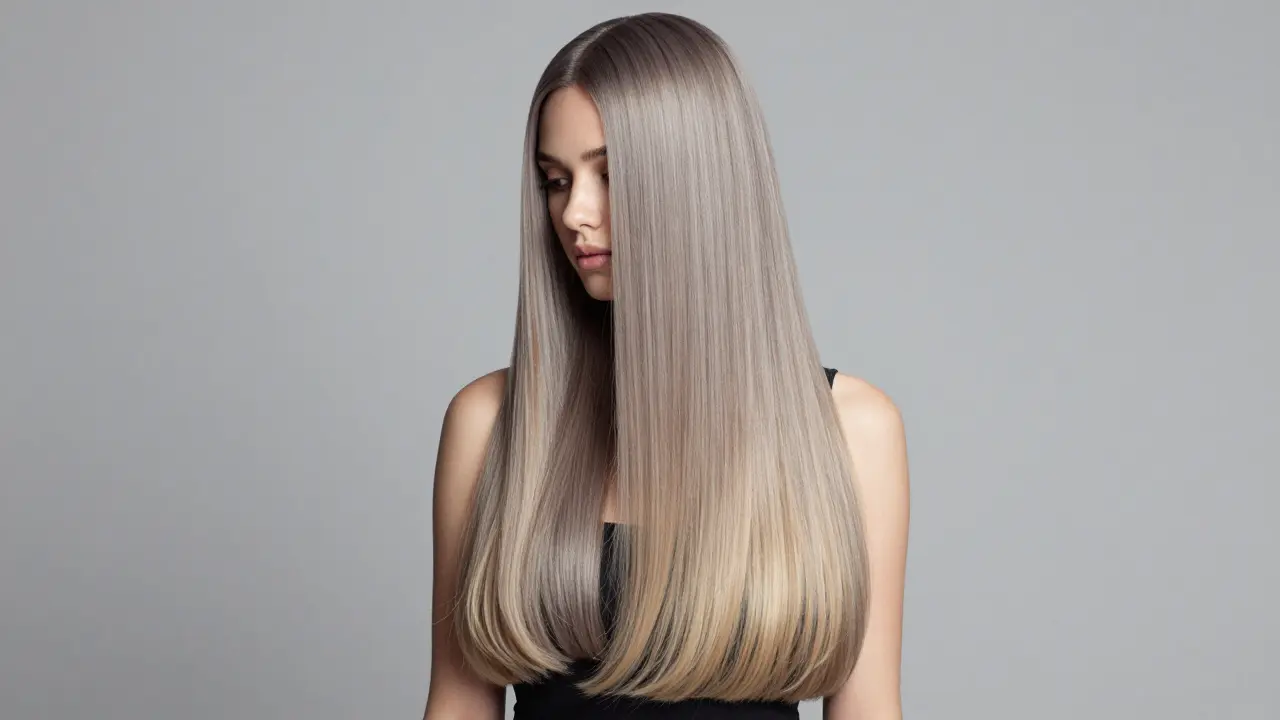
2. Ash Blonde & Cool Beige (The Chic Upgrade)
Want that modern, sophisticated look? Ash blonde involves lifting to levels 8-10 and then toning with violet-based glosses to kill yellow. This works best if you start with #613 hair or are willing to invest in multiple sessions for darker bases. The trade-off is maintenance. You will need to use purple shampoo once every week or two to keep the gray/beige tones fresh. Without it, the warmth returns quickly.
3. Bronde (Brown + Blonde)
Bronde is the perfect middle ground. It blends a medium-brown root with soft beige-gold ends. It’s universally flattering because it mimics natural variation. For weaves, this often means buying pre-blended bundles labeled as "Chocolate Bronde" or having a stylist feather lighter pieces through the mid-lengths of a #4 base. It offers noticeable change without the high upkeep of full blonde.
4. Reverse Balayage (Dark Lowlights)
Surprisingly popular right now. If you have a very light blonde wig or #613 bundles, reverse balayage adds depth by painting darker chocolate or espresso shades onto the mid-lengths and ends. It reduces the "flat" look of all-over blonde and makes the remaining light pieces pop. It’s also incredibly low maintenance since you aren’t fighting against root growth on your natural leave-out.
5. Fashion Colors (Copper, Peach, Lavender)
Feeling bold? Since weave hair is removable, it’s the perfect canvas for temporary fashion colors. Start with #613 hair, then apply semi-permanent direct dyes in copper, peach, or lavender. These fade faster-often within 4-10 washes-but that’s the point. It’s a low-commitment experiment that lets you switch up your style seasonally without touching your biological hair.
Matching Your Skin Undertone
Your face is the frame for your hair. If the colors clash, the whole install looks off. Check your veins under natural light:
- Greenish Veins (Warm Undertones): Go for Caramel, Honey, Golden Blonde, or Copper. Avoid stark ash blondes which can make warm skin look sallow.
- Bluish/Purplish Veins (Cool Undertones): Opt for Ash Blonde, Beige, Mocha, or Neutral Bronde. Warm caramels might look too orange against cool skin.
- Mixed/Indistinct Veins (Neutral Undertones): You’re lucky. You can pull off both warm and cool tones. High-contrast looks (dark roots, pale ends) work well here.
Custom Coloring vs. Pre-Colored Bundles
You have two paths here, each with pros and cons.
Pre-Colored Bundles: Brands like Indique Hair or UNice sell bundles already blended with codes like T1B/27 (Off-black to Honey Blonde). Pros: Cheaper, consistent color across all bundles, no salon appointment needed. Cons: Less personalized placement. The highlights might fall in places that don’t flatter your specific parting or face shape.
Custom Salon Coloring: A professional paints the color onto your specific bundles or wig before installation. Pros: Tailored to your face shape, precise tone control, seamless blend with your natural leave-out. Cons: Expensive ($150-$300+ depending on length and complexity) and time-consuming (2-4 hours).
If you are on a budget, buy pre-colored bundles but ensure the code matches your desired outcome. If you want perfection, pay for custom work.
Maintenance: Keeping It Looking Fresh
Balayage on weave doesn’t grow out, so you don’t have root touch-ups. However, the ends are vulnerable. Here is how to protect your investment:
- Sulfate-Free Shampoo Only: Sulfates strip color rapidly. Use a gentle cleanser to extend the life of your pigment.
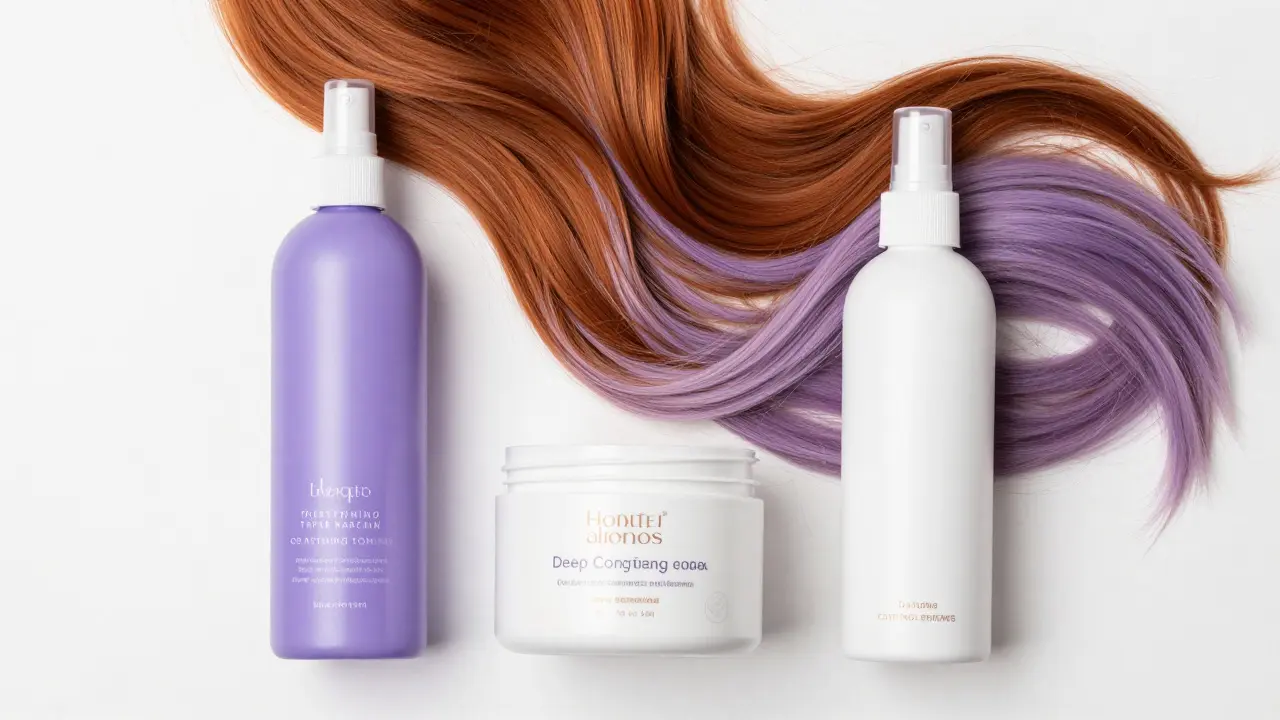
- Toning Shampoos: If you chose ash or blonde, use purple shampoo weekly. If you chose brunette/caramel, use blue shampoo occasionally to neutralize orange tones.
- Deep Conditioning: Lightening damages the cuticle. Use a bond-building treatment (like Olaplex No. 3) or a heavy mask once a week to prevent tangling and dryness.
- Heat Protection: Always spray heat protectant before using flat irons or curling wands. Limit heat to 350°F (175°C) or lower to preserve elasticity.
Final Verdict: Which One Should You Pick?
If you are new to colored weaves, start with Caramel or Honey Balayage on a #4 or #2 base. It’s forgiving, flattering, and low-risk. If you want drama and have the budget for maintenance, go for Ash Blonde on a #613 base. And if you just want fun without commitment, grab some Fashion Color dyes for a seasonal pop. Remember, the goal is dimension, not perfection. A little imperfection makes it look real.
Can I bleach synthetic weave hair for balayage?
No. Synthetic fibers like Kanekalon or Toyokalon are made of plastic polymers. Bleach will melt them, causing irreversible damage and potentially burning your scalp. Balayage only works on 100% human hair extensions.
How long does balayage last on weave hair?
Since weave hair doesn't grow, the color lasts as long as the hair itself if cared for properly. With proper washing and conditioning, permanent balayage can last 6-12 months. Semi-permanent fashion colors typically fade significantly after 4-10 washes.
Is it better to color the weave before or after installation?
It is highly recommended to color the bundles or wig before installation. Coloring on a mannequin head allows for even saturation, easier sectioning, and prevents bleach from dripping onto your natural hair or braids. It also ensures you love the color before committing to the sew-in process.
What is the difference between balayage and ombre on weave?
Ombre features a distinct line of demarcation where the dark color sharply transitions to light. Balayage is a freehand technique that creates a soft, gradual gradient with no harsh lines, mimicking natural sun exposure. Balayage generally looks more realistic and modern.
Which balayage color is best for dark skin tones?
Rich, warm tones like Caramel, Honey, Copper, and Gold Balayage tend to complement dark skin tones beautifully by enhancing warm undertones. High-contrast looks with jet black roots and bright blonde ends also create a striking, fashionable appearance.
Can I fix brassy balayage on my weave at home?
Yes, for mild brassiness. Use a purple shampoo (for blonde/weaves) or blue shampoo (for brunette/caramel weaves) to neutralize unwanted yellow or orange tones. If the brassiness is severe, you may need a professional toner application to reset the color.