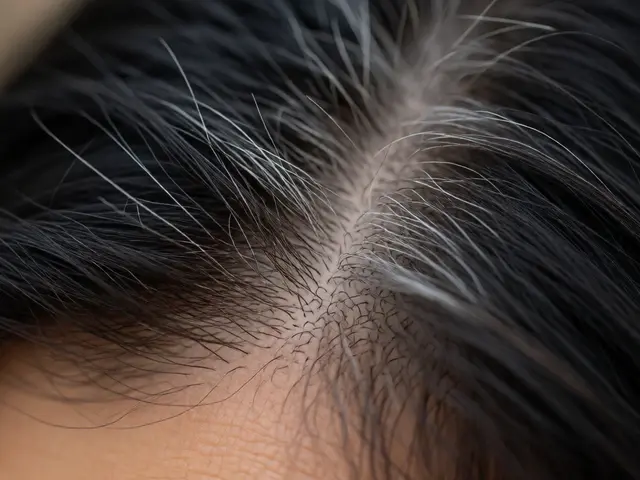
You walk out of the salon feeling confident, only to catch your reflection in a shop window ten minutes later and freeze. The wispy bangs you asked for look less like a chic French-girl fringe and more like a patchy, uneven mess that refuses to lay flat. It’s a universal nightmare, but why does this specific style fail so often? Is it the stylist’s error, or is there something about the physics of fine hair and blunt cuts that sets us up for disappointment?
The Anatomy of a Fringe Fail
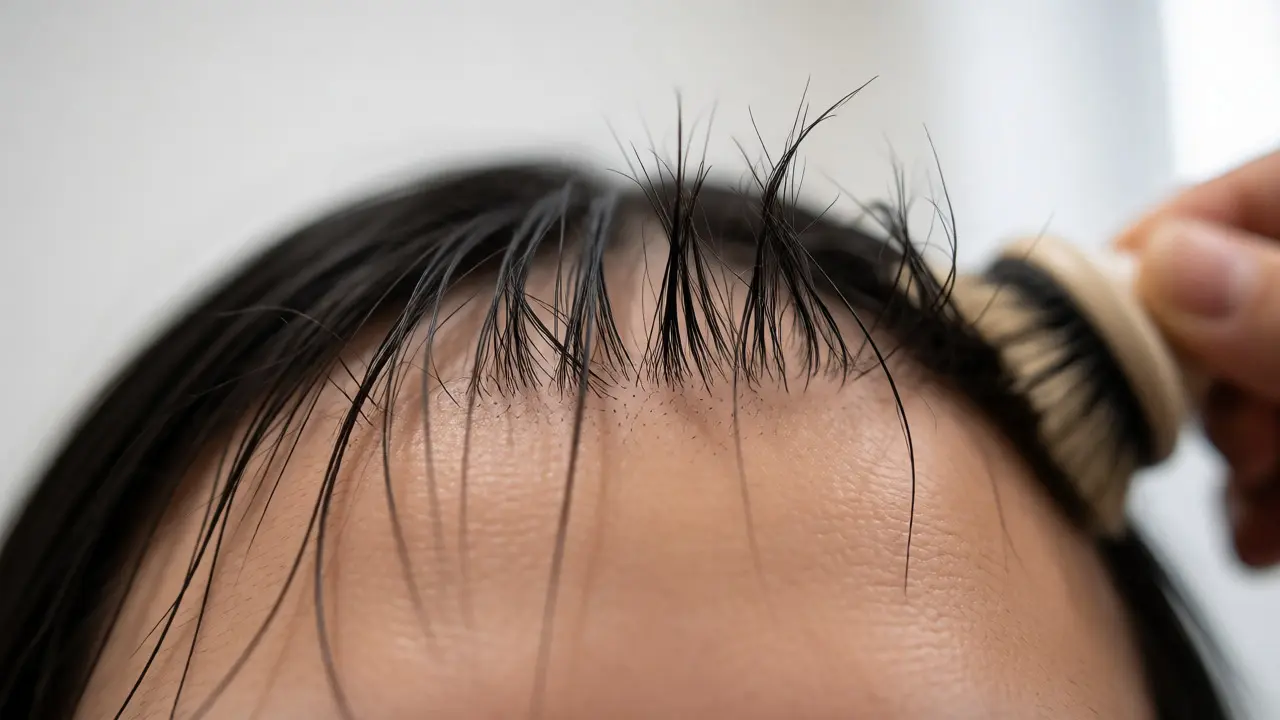
Before we assign blame, let’s look at what actually happens when a cut goes sideways. A proper fringe requires precision that varies wildly depending on your hair type. When stylists attempt wispy bangs on clients with heavy, coarse hair, the result is often a triangular shape that drags down the eyes. Conversely, if they use thinning shears too aggressively on already fine hair, you’re left with gaps that look accidental rather than airy.
The most common mistake isn’t just length-it’s tension. Cutting wet hair under high tension creates a deceptive baseline. Once that hair dries and relaxes, it shrinks upward by as much as half an inch. If your stylist didn’t account for this shrinkage factor, your "brow-skimming" bangs suddenly become "eye-stinging" spikes. This mechanical failure is why communication during the cut matters more than the final blow-dry.
Why Wispy Bangs Are High-Risk
Wispy bangs occupy a dangerous middle ground in hairstyling. They demand enough density to hold a shape but enough texture to avoid looking like a helmet. Unlike blunt bangs, which can hide minor unevenness behind sheer volume, wispy styles expose every flaw. One stray strand sticking out ruins the entire illusion of effortlessness.
Consider the role of cowlicks. If you have a frontal whorl-a circular pattern of hair growth near your forehead-wispy bangs will fight gravity all day long. No amount of mousse fixes a structural issue. Many people get their first bad haircut experience here because they ignore their natural growth patterns, assuming product can override biology. It can’t. Not without turning your hair into a crunchy, sticky disaster.
Recovery Tactics for Day One
So, you’re staring at the mirror, regretting the appointment. What now? Panic leads to scissors-in-hand disasters. Resist the urge to trim them yourself immediately. Hair grows roughly half an inch per month, but damaged ends grow slower and look worse. Give it 48 hours before making any drastic moves. Sometimes, washing and restyling reveals that the "bad" cut was just a bad drying job.
If the damage is real, switch your styling approach. Instead of trying to force the bangs to lay flat, embrace the chaos. Use a texturizing spray to create separation. Turn those awkward wisps into a messy, bed-head aesthetic. Often, the problem isn’t the length; it’s the lack of definition. Adding grit helps individual strands stand apart, reducing the visual weight of the uneven sections.

Long-Term Strategies While You Wait
Growing out a bad fringe takes patience, usually three to six months. During this limbo period, accessories are your best friend. Headbands aren’t just for hiding greasy roots; they physically pin back uneven lengths while you wait for the rest to catch up. Try wide, fabric headbands instead of thin plastic ones, which tend to slip off slicked-back hair.
| Method | Effectiveness | Daily Effort | Best For |
|---|---|---|---|
| Texturizing Spray | High | Low | Fine, straight hair |
| Round Brush Blow-Dry | Medium | High | Curly or wavy hair |
| Headbands/Clips | High (Concealment) | None | All hair types |
| Self-Trimming | Risky | Medium | Experienced users only |
Another trick is blending. Ask your stylist to slightly lengthen the side pieces around your face. This draws attention away from the center of your forehead and toward your cheekbones. It creates a gradient effect that makes the central bangs look intentional rather than accidental. This technique works wonders for transitioning from a short fringe to curtain bangs.
Preventing the Next Disaster
How do you ensure your next visit doesn’t end in tears? Bring reference photos, yes, but also bring context. Tell your stylist how much time you spend styling each morning. If you hate using heat tools, don’t ask for a style that requires a round brush and 15 minutes of blow-drying. Be honest about your skills.
Also, consider the season. Humidity plays a massive role in how fringes behave. In humid climates, wispy bangs can frizz into a cloud within an hour of leaving the house. If you live in a tropical area, a heavier, blunt fringe might hold its shape better than delicate wisps. Discussing environmental factors with your stylist shows you understand the variables, prompting them to adjust their cutting technique accordingly.
Can I fix my own bad bangs at home?
It is generally risky. Home trims often lead to uneven lengths because you cannot see the back of your head or judge symmetry accurately. If you must trim, cut only dry hair, take tiny amounts, and cut vertically rather than horizontally to maintain texture.
How long does it take to grow out wispy bangs?
On average, hair grows about half an inch per month. To grow out bangs past your eyebrows and blend them into the rest of your hair typically takes three to four months. Patience and regular trims of the surrounding hair help speed up the blending process.
Why do my bangs always stick up?
This is usually due to a frontal cowlick or static electricity. Cowlicks are natural growth patterns that defy gravity. Static is common in dry weather. Using a light-hold hairspray on a toothbrush to smooth down flyaways can help control both issues temporarily.
Do wispy bangs make you look older?
Not necessarily. Well-maintained wispy bangs can soften facial features and hide forehead lines, often making people look younger. However, if they are too sparse or unkempt, they can draw attention to tired eyes or skin texture, potentially adding years to your appearance.
What should I tell my stylist if I have a bad history with bangs?
Be explicit. Say, "I have had bad experiences with uneven fringes." Show them exactly where you want the weight to sit. Ask them to cut conservatively-longer than you think-and plan to shorten them after a week of testing.