
You just walked out of the salon (or finished your DIY session) with smooth skin, but three days later, you look in the mirror and see angry red bumps on your upper lip. It’s frustrating, right? You paid for smoothness, not a breakout. Here is the truth: post-waxing pimples are rarely an allergy or a sign that the wax was "bad." They are almost always a mechanical reaction to trauma, bacteria, or trapped hair.
The upper lip is one of the most sensitive zones on your face. The skin there is thin, highly vascular, and packed with nerve endings. When you rip hair out by the root, you aren't just removing hair; you are creating a tiny open wound in every single follicle. If those wounds get irritated, infected, or blocked while healing, you get bumps that look exactly like acne. Let's break down why this happens and how to stop it without quitting waxing forever.
It’s Probably Not Acne: Identifying Folliculitis vs. Breakouts
First, let's clear up a common misconception. Most people call these "pimples," but dermatologically, they are often Folliculitis, which is inflammation of the hair follicle caused by bacterial infection or physical trauma. True acne involves clogged pores with sebum and dead skin cells. Post-wax bumps involve the hair follicle itself being inflamed because it was just ripped open.
How do you tell the difference? Look at the center of the bump. If there is a whitehead centered around a hair shaft, it’s likely folliculitis or an ingrown hair. If it’s a deep, painful cyst under the skin with no visible hair, it might be hormonal acne that happened to coincide with your waxing schedule. But if it appeared within 24-72 hours of waxing, blame the wax process.
The Main Culprits Behind Post-Wax Bumps
There are three primary reasons your upper lip reacts this way. Understanding which one applies to you is key to fixing it.
1. Mechanical Trauma and Inflammation
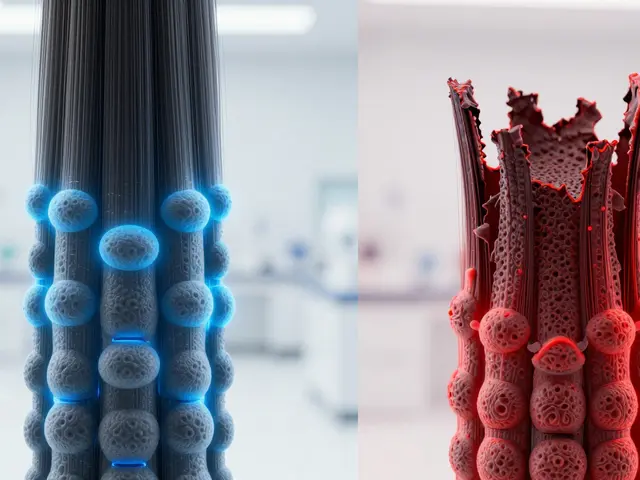
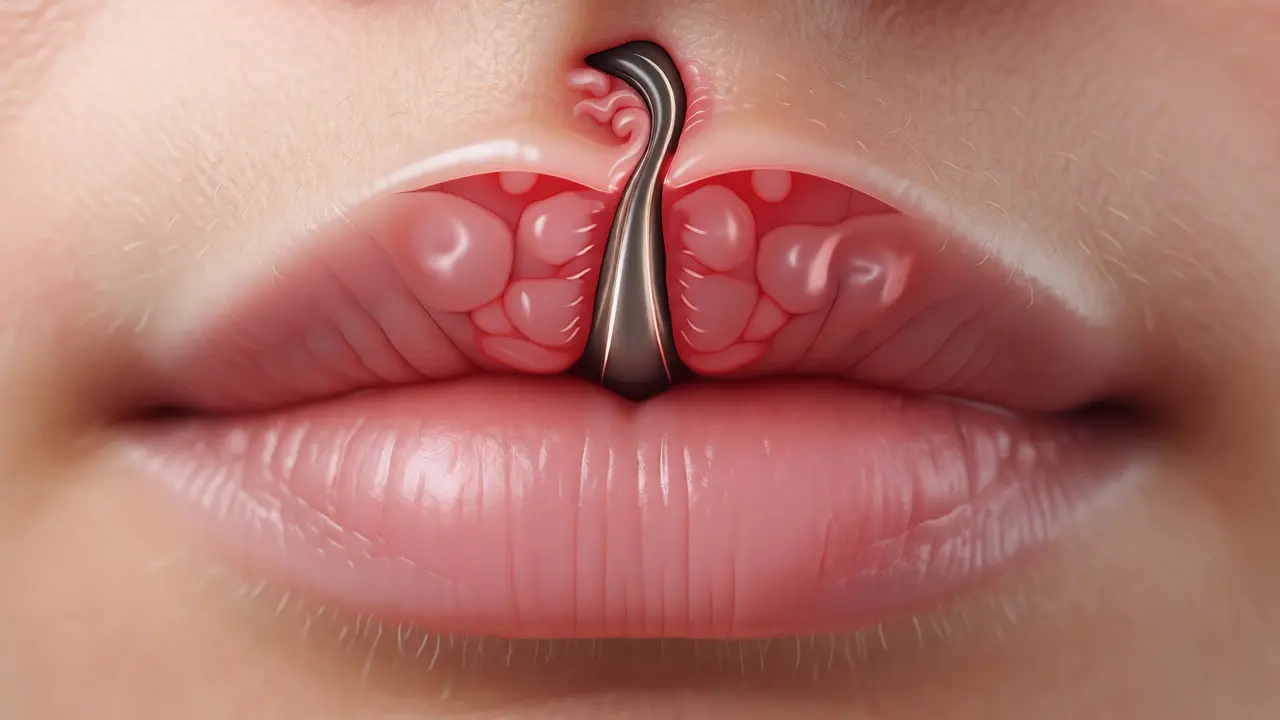
Waxing removes hair from the root. This pulls the entire follicle upward, causing micro-tears in the surrounding tissue. Your body responds to this injury with inflammation-redness, swelling, and heat. Sometimes, this inflammatory response creates pustules as immune cells rush to the site to repair the damage. This is normal for the first 24 hours. If you touch your face immediately after waxing, you introduce bacteria to these open wounds, turning simple inflammation into infected bumps.
2. Ingrown Hairs
This is the biggest offender for upper lip waxes. Hair grows at an angle. When you remove it, the new hair trying to grow back can sometimes curl back into the skin instead of exiting the pore. This is especially common if your skin is thick or if you have dry, flaky skin blocking the exit path. The body treats the embedded hair as a foreign object, launching an attack that results in a red, pimple-like bump. Unlike true acne, squeezing these won't help much because the problem is structural, not just dirty pores.
3. Product Reaction or Hygiene Issues
If you use pre-wax oils, post-wax lotions, or even makeup immediately after waxing, you might be trapping bacteria inside the open follicles. Many post-wax products contain fragrances or essential oils that sting compromised skin. Furthermore, if the esthetician used double-dipping (dipping the same spatula into the wax pot twice), cross-contamination could introduce Staphylococcus aureus bacteria directly into your pores.
Immediate Aftercare: What to Do in the First 48 Hours
The first two days are critical. Your goal is to keep the area clean, cool, and untouched.
- No Touching: Seriously, hands off. Every time you touch your upper lip, you transfer oil and bacteria from your fingers to open follicles.
- Skip Makeup: Avoid foundation, concealer, or powder on the waxed area for at least 24 hours. These products can clog the healing pores.
- Cool Compresses: If your skin feels hot or looks red, apply a clean, cold compress for 10 minutes. This constricts blood vessels and reduces inflammation.
- Avoid Heat: Skip the sauna, hot yoga, or long hot showers. Sweat contains salt and bacteria that will sting and irritate the fresh wax sites.
Prevention Strategy: How to Stop Bumps Before They Start
You don't have to accept breakouts as part of the deal. With a few tweaks to your routine, you can significantly reduce the risk.
Exfoliate Correctly (Timing is Everything)
Most people exfoliate too soon or too aggressively. Exfoliating right before waxing can make the skin too sensitive and cause lifting (where the top layer of skin comes off). Instead, follow this schedule:
- 24-48 Hours Before: Gentle chemical exfoliation (like lactic acid or low-percentage salicylic acid) helps remove dead skin cells so hair can exit easily next time.
- First 48 Hours After: No physical scrubs. Let the skin heal.
- Day 3 Onwards: Begin gentle physical exfoliation (a soft washcloth or mild scrub) 2-3 times a week. This prevents dead skin from building up and trapping new hair growth.
Choose the Right Products
Look for post-wax treatments containing specific ingredients known to prevent bumps:
| Ingredient | Function | When to Use |
|---|---|---|
| Salicylic Acid | BHA that penetrates oil to unclog pores and prevent ingrowns. | Start 48 hours after waxing. |
| Tea Tree Oil | Natural antiseptic that kills bacteria in open follicles. | Diluted, immediately after waxing (if not stinging). |
| Aloe Vera | Soothes inflammation and hydrates without clogging pores. | Immediately after waxing. |
| Benzoyl Peroxide | Kills acne-causing bacteria; effective for stubborn folliculitis. | Spot treat only, start day 2. |
Hygiene Habits That Matter
If you wax at home, change your wax strips or sanitize your hard wax beans properly. If you go to a salon, ask if they use disposable spatulas. A quick question like, "Do you double dip?" can save you weeks of breakouts. Also, wash your pillowcases weekly. Since you sleep on your face, dirty pillowcases press bacteria into your healing upper lip all night long.
Treating Existing Bumps Without Scarring
If you already have bumps, don't panic-pick them. Picking leads to hyperpigmentation (dark spots), which takes months to fade, especially on darker skin tones.
- Warm Compress: Apply a warm, damp cloth to the area for 5-10 minutes to soften the skin and encourage any trapped hair to surface.
- Topical Treatment: Dab a small amount of hydrocortisone cream (1%) to reduce redness and itching. For pus-filled bumps, a spot treatment with benzoyl peroxide or salicylic acid works best.
- Wait It Out: Most post-wax bumps resolve naturally in 3-5 days. If a bump persists for more than two weeks or becomes very painful, see a dermatologist. It could be a deeper cyst or a staph infection requiring antibiotics.
When to Consider Alternatives
If you try proper aftercare and still get severe reactions every time, waxing might not be your best method. Consider these alternatives:
- Threading: Removes hair similarly but doesn't pull on the skin as aggressively as wax. Less risk of lifting, though ingrowns can still happen.
- Laser Hair Removal: Reduces hair density over time, meaning fewer hairs to trap under the skin. Best for chronic ingrown issues.
- Dermaplaning: Shaves the vellus hair (peach fuzz) rather than pulling it out. Zero risk of ingrowns, but hair grows back blunt-ended (not thicker, just different texture).
How long do waxing pimples last?
Typically, minor bumps and redness subside within 24 to 48 hours. If they develop into full-blown pustules or ingrown hairs, they may take 3 to 7 days to heal completely. Persistent bumps lasting more than two weeks should be checked by a professional.
Can I wear makeup after waxing my upper lip?
It is best to wait at least 24 hours. Makeup can clog the open follicles and introduce bacteria, leading to breakouts. If you must wear makeup, use non-comedogenic, mineral-based products and apply them with clean brushes, avoiding heavy layers on the waxed area.
Is it normal to bleed after waxing the upper lip?
Minor pinpoint bleeding is common, especially if the hair is coarse or deeply rooted. It indicates the follicle was successfully removed. However, significant bleeding or tearing of the skin suggests improper technique or overly aggressive waxing. Apply pressure with a clean tissue and avoid touching the area afterward.
What causes dark spots after waxing?
Dark spots are usually post-inflammatory hyperpigmentation (PIH). This occurs when the skin produces excess melanin in response to inflammation or sun exposure during the healing phase. Always wear SPF 30+ on the upper lip after waxing to prevent UV rays from darkening the healing skin.
Should I exfoliate before or after waxing?
Gentle exfoliation 24-48 hours before waxing helps lift hairs and allows for cleaner removal. Aggressive scrubbing immediately before can make skin too sensitive. After waxing, wait at least 48 hours before resuming exfoliation to allow the skin barrier to repair itself.