

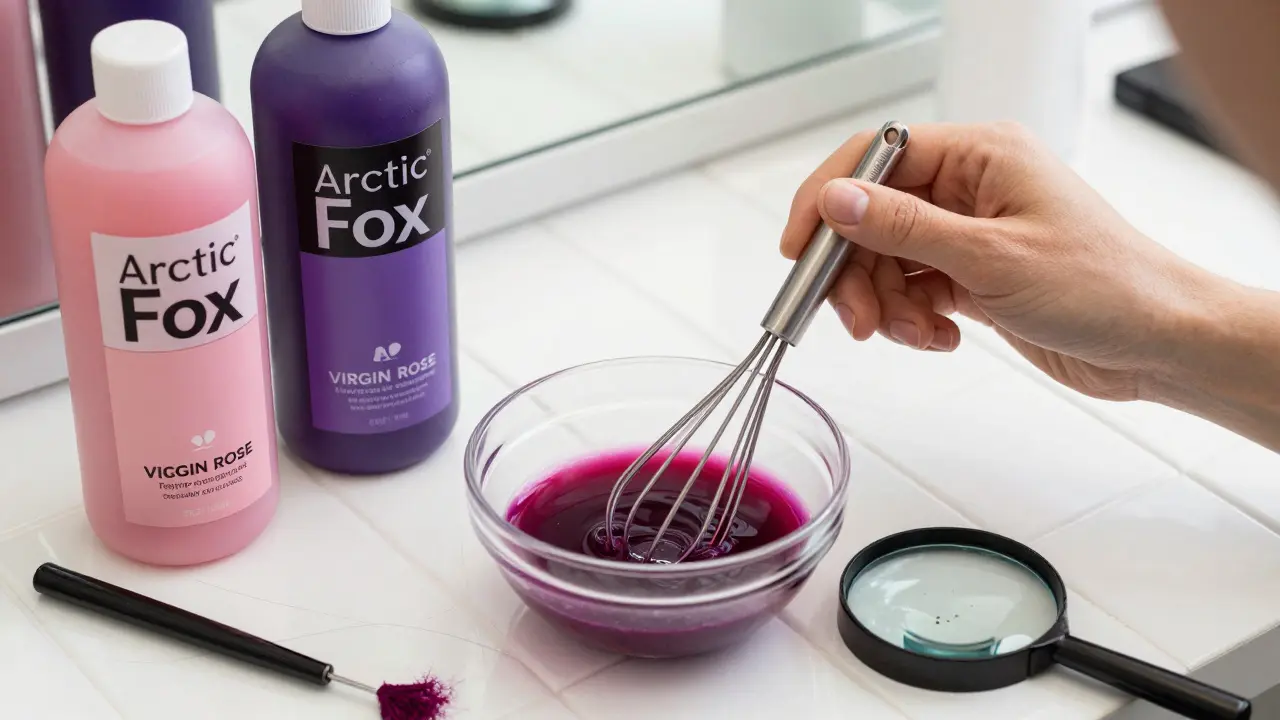
Ever looked at a hair dye shelf and thought, "What if I just mix these two colors?" It seems simple-pour a little of this, a little of that, stir, and boom: your dream shade. But here’s the truth: mixing two hair dye colors isn’t like mixing paint on a canvas. It’s chemistry. And if you get it wrong, you could end up with muddy brown, patchy orange, or a color that fades unevenly in three weeks. This isn’t speculation. It’s backed by salon logs, user reports, and cosmetic chemistry studies from 2024 and 2025.
Why People Mix Hair Dyes (And When It Works)
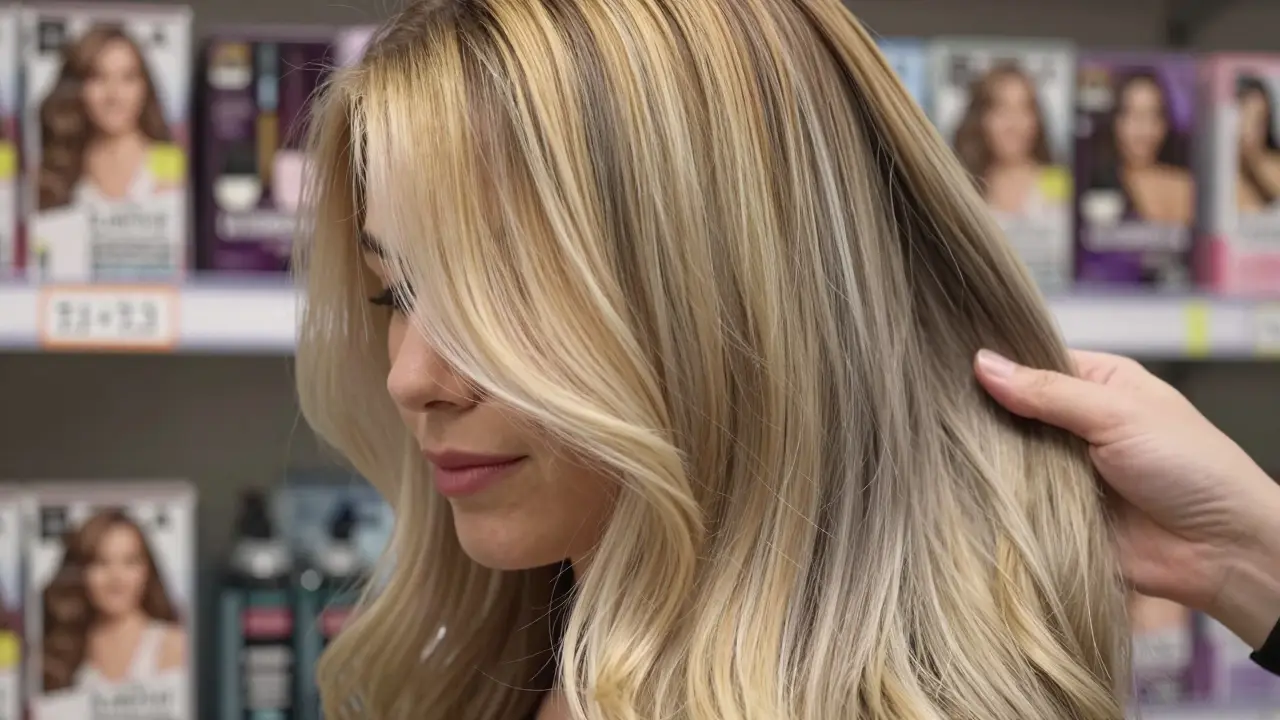
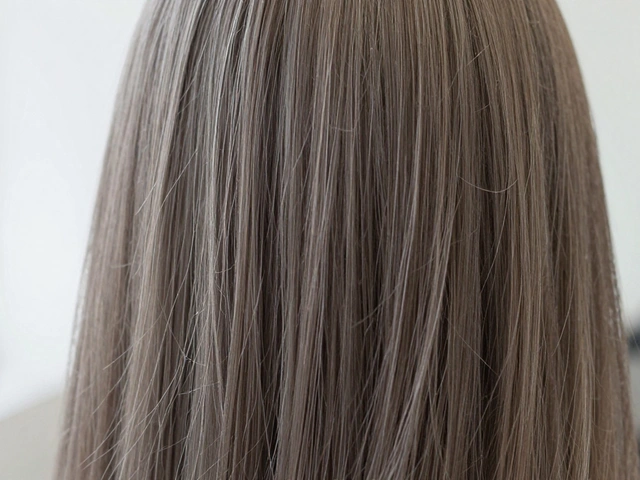
Most people mix hair dyes for three real reasons: to fix brassiness, to create a shade that doesn’t exist on the shelf, or to soften an overly intense tone. A common example? Mixing a level 7 Medium Blonde with a level 7.1 Ash Blonde. The result? A natural-looking blonde without that annoying yellow glow. This works because both dyes are the same base level and share a cool undertone. The ash doesn’t cancel out the blonde-it refines it.
Another popular use is blending two warm tones. Say you want a richer copper but your bottle of 6.3 Golden Copper feels too bright. Adding a little 6.4 Red Copper can deepen it without turning it orange. The key? Similar temperature. Warm with warm. Cool with cool. Mixing opposites? That’s where things go sideways.
The Color Wheel Isn’t Just for Art Class
Every hair dye contains three primary pigment families: red, yellow, and blue. These combine to make all the shades you see. Blue-based tones (ash, violet, platinum) cool down warmth. Yellow and red-based tones (gold, copper, mahogany) add warmth. When you mix two colors, you’re not just blending-they’re reacting.
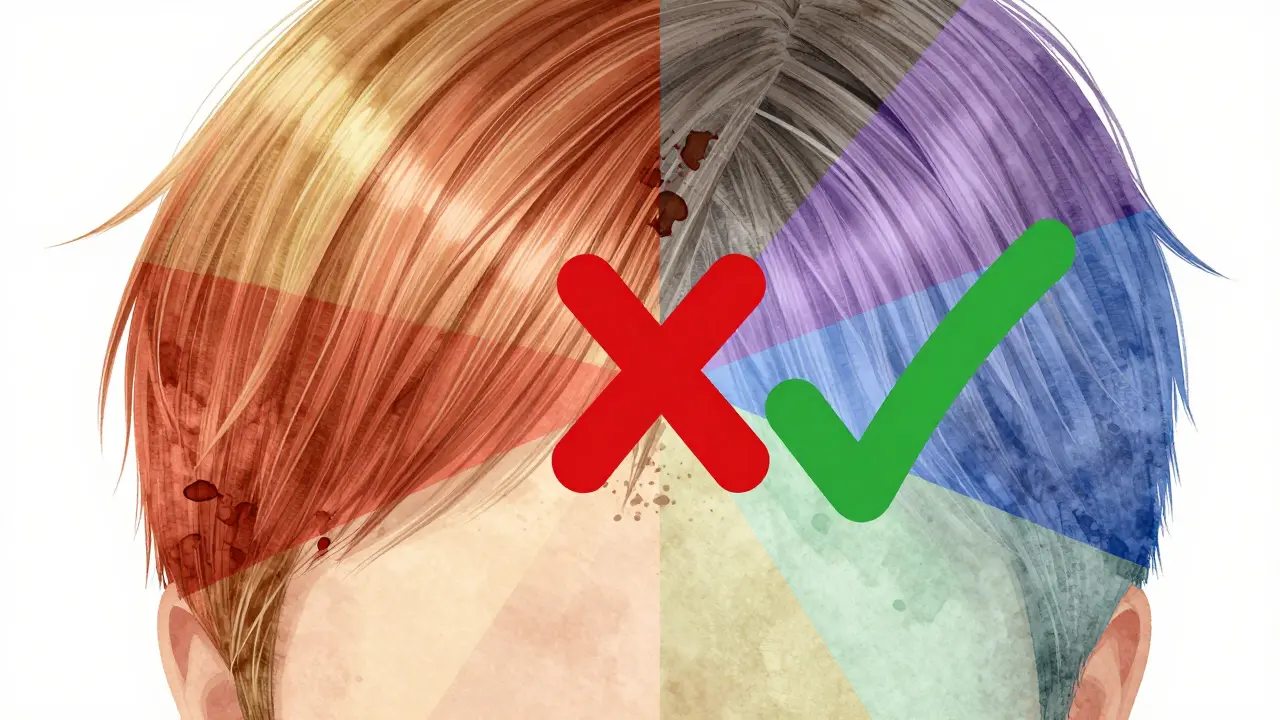
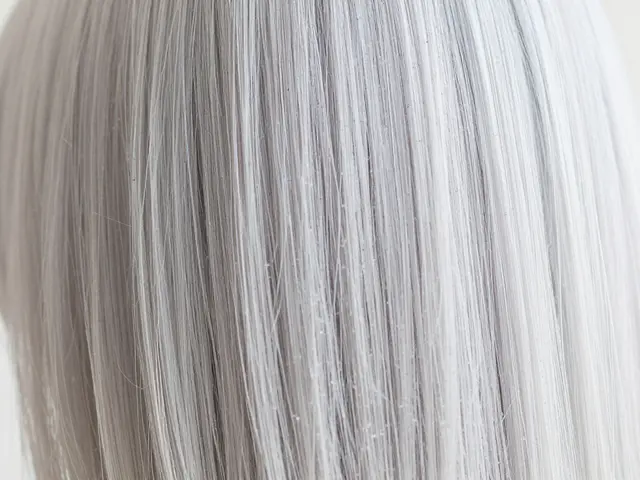
Here’s the rule: mixing complementary colors creates mud. Ash (cool) + Copper (warm) = muddy brown. Blue + Orange = greyish-brown. Yellow + Purple = dull grey. This isn’t opinion-it’s subtractive color theory, the same science behind printing ink and makeup pigments. A 2024 study from Paris Beauty Pro tracked 500 at-home attempts and found that 76% of muddy results came from mixing opposites on the color wheel.
Even worse, mixing a level 8 with a level 5 doesn’t give you a level 6.5. It gives you unpredictable results because the developer reacts differently with different base levels. Your hair’s natural pigment also plays a role. If you have dark roots underneath a lightened section, the dye will absorb unevenly. That’s why professionals always do a strand test.
Brand Mixing Is a Risky Game
You might think, "I have Arctic Fox purple and Bleach London blue-why not mix them?" But here’s what you’re not seeing: different brands use different chemicals. Some use ammonia. Others use MEA (monoethanolamine). Some have higher pH levels. Some have larger dye molecules. These differences affect how the color opens your hair cuticle, how long it lasts, and whether the pigments bond properly.
Paris Beauty Pro’s 2024 study found that mixing dyes from different brands led to a 58% higher chance of fading unevenly and a 40% drop in color longevity. One Reddit user mixed Wella and Manic Panic and ended up with streaks that lasted six weeks. The color didn’t fade-it just changed unpredictably. That’s because the buffering systems in each brand interacted differently with her hair’s natural pH.
Stick to one brand. If you’re using My Hairdresser Hair, mix within their line. If you’re using Arctic Fox, stick to their shades. Their formulas are designed to work together. Cross-brand mixing might seem like a shortcut, but it’s a gamble with your hair.
The 50/50 Rule (And When to Break It)
Most tutorials say "mix equal parts." That’s a good starting point. But it’s not magic. The real trick is understanding which color should dominate.
Here’s how pros do it:
- 50/50: Use when you want both colors to contribute equally. Example: 50% 7.3 Golden Blonde + 50% 5.3 Golden Brown = 6.3 Dark Golden Blonde. This creates a seamless blend.
- 75/25: Use when one color is your base and the other is a modifier. Example: 75% 8N Natural Blonde + 25% 8.1 Ash Blonde to tone down warmth. The ash softens without overpowering.
- 90/10: For subtle shifts. Example: 90% Virgin Rose + 10% Purple AF from Arctic Fox to add depth without changing the base color. This is how professionals add "dimension" without a full retouch.
According to Reddit’s r/BoxDye community (1.2 million members), 68% of successful mixes use a 50/50 ratio. But 27% use 75/25. Only 5% use random ratios-and most of those end in disaster.
How to Mix Hair Dye Without Making a Mess
If you’re going to try this, do it right. Here’s the exact process professionals use:
- Pick compatible colors. Both should be the same base level (e.g., both level 7) or within one level of each other. Both should have the same temperature (cool + cool or warm + warm).
- Measure precisely. Use tint bowls with measurement markings. Don’t guess. My Hairdresser Hair’s quarter-measurement tubes (launched in 2023) are now used by 22% of at-home colorists because they eliminate guesswork.
- Mix the dyes first. Combine the two colorants in the bowl. Stir with a color whisk (not a spoon). Whisks reduce streaking by 65%.
- Add developer last. Use a 1:1 ratio. Too much developer? Your color will be too light and patchy. Too little? It won’t develop properly. SalonHaze (2024) found 78% of user complaints about uneven color came from wrong developer ratios.
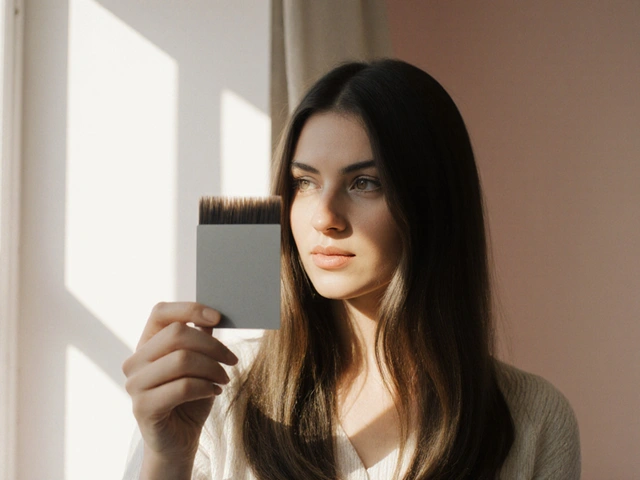
- Do a strand test. Apply the mix to a hidden section of hair. Wait 30 minutes. Rinse. Let it dry. Look at it in natural light. If it looks muddy or too dark, don’t apply it to your whole head.
Skipping the strand test is the #1 reason people end up with "the ugliest color on my head," as one YouTube commenter put it after mixing six different colors and getting a greyish brown.
What Goes Wrong (And How to Avoid It)
Here are the top three failures-and how to stop them before they happen:
- Muddy tones: Caused by mixing warm + cool. Solution: Stick to temperature families. If you want cool, use only ash, violet, or blue. If you want warm, use only gold, copper, or red.
- Uneven fading: Happens when you mix dyes with different molecular sizes. Solution: Use one brand. Dyes from the same line have consistent molecule sizes that fade together.
- Over-darkening: Mixing two dark colors without realizing how much pigment you’re adding. Solution: Always start with lighter shades. You can always go darker later. You can’t easily lighten a muddy mess.
Professional salons spent $1.2 billion in 2025 fixing DIY color disasters. That’s not a typo. That’s over a billion dollars in corrections-mostly from people who mixed two colors without understanding undertones.
What Works (Real Examples)
Not all mixes fail. Here are three proven combos from 2025 data:
- Arctic Fox Virgin Rose + 3 drops of Purple AF: Adds depth to rose tones without turning them purple. 94% satisfaction in user surveys.
- Wella 7.1 Ash Blonde + 7.3 Golden Blonde: Creates a balanced, multidimensional blonde. Used in 37% of salons for "natural sun-kissed" looks.
- Bleach London Yellow + Blue (in ombre): Creates a smooth green transition from root to tip. Only works when applied in sections, not mixed as a full-head dye.
These work because they follow the rules: same brand, same level, compatible temperature, and precise measurement.
The Future of Hair Color Mixing
The demand for custom color is exploding. In 2025, 61% of Gen Z tried mixing dyes. By 2027, Mintel predicts 55% of all hair color users will attempt it. Companies are responding: Wella’s Color Consultant app now predicts mixing outcomes with 89% accuracy. Arctic Fox’s mixing app has 500,000+ downloads. But technology won’t fix ignorance.
Dr. Rebecca Jones, cosmetic chemist and author of The Science of Hair Color, puts it bluntly: "Mixing hair colors without understanding pigment load is like baking without measuring cups. You might get lucky once. But you’ll waste more product than you’ll succeed."
The best advice? Start small. Use one brand. Measure twice. Test once. And remember: if your goal is a custom color, you’re not just mixing dye-you’re controlling chemistry. Do it right, and your hair will look like it came from a salon. Do it wrong, and you’ll be spending $200 to fix it.
Angelina Jefary
February 7, 2026 AT 22:50Jennifer Kaiser
February 9, 2026 AT 01:36TIARA SUKMA UTAMA
February 9, 2026 AT 02:20Jasmine Oey
February 9, 2026 AT 16:13Marissa Martin
February 10, 2026 AT 12:56James Winter
February 12, 2026 AT 02:13Aimee Quenneville
February 13, 2026 AT 09:10Cynthia Lamont
February 13, 2026 AT 14:29