You just finished coloring your roots, looked at the bottle, and thought: "There’s still half a tube left. Can I save this for next month?" It’s a common impulse, especially when you’re trying to save money or reduce waste. But here is the hard truth from cosmetic chemists and safety regulators: you cannot reuse hair dye that has already been mixed.
Once you combine the color cream with the developer, a chemical reaction starts immediately. This isn’t like opening a jar of jam that lasts in the fridge; it’s more like lighting a match. The fire burns out quickly, and what’s left is ash. In the case of hair dye, the "fire" is the oxidation process that deposits color into your hair. If you try to use leftover mixed dye later, you risk getting no color, weird colors, or even skin irritation. Let’s break down exactly why this happens, what the risks are, and how to handle leftovers correctly.
The Chemistry Behind the Clock
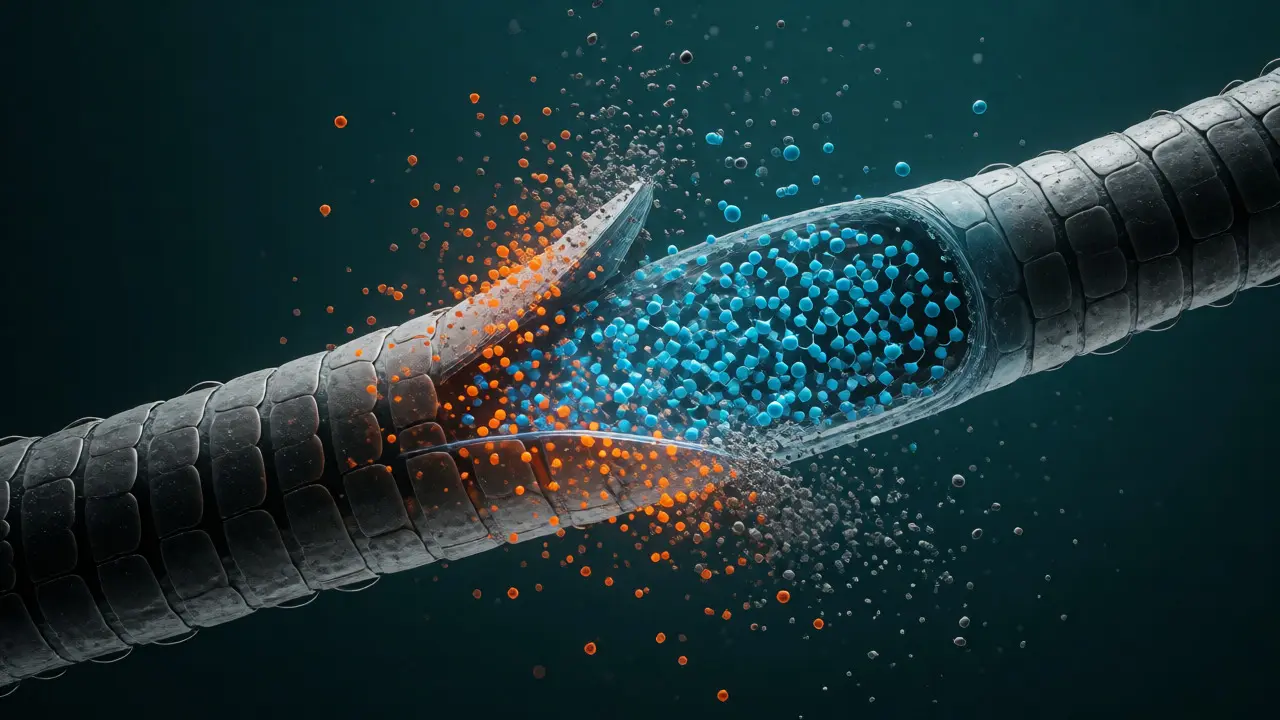
To understand why you can’t save mixed dye, you need to look at what happens inside the bottle. Most permanent and demi-permanent hair dyes work through oxidative chemistry. You have two separate components: the colorant (the cream with pigment precursors) and the developer (usually hydrogen peroxide). When they are apart, they are stable. They can sit on your shelf for months.
Oxidative Hair Dye is a type of hair color system that relies on a chemical reaction between alkalizing agents and hydrogen peroxide to deposit pigment inside the hair shaft. This process requires immediate application because the active ingredients begin degrading as soon as they touch each other.
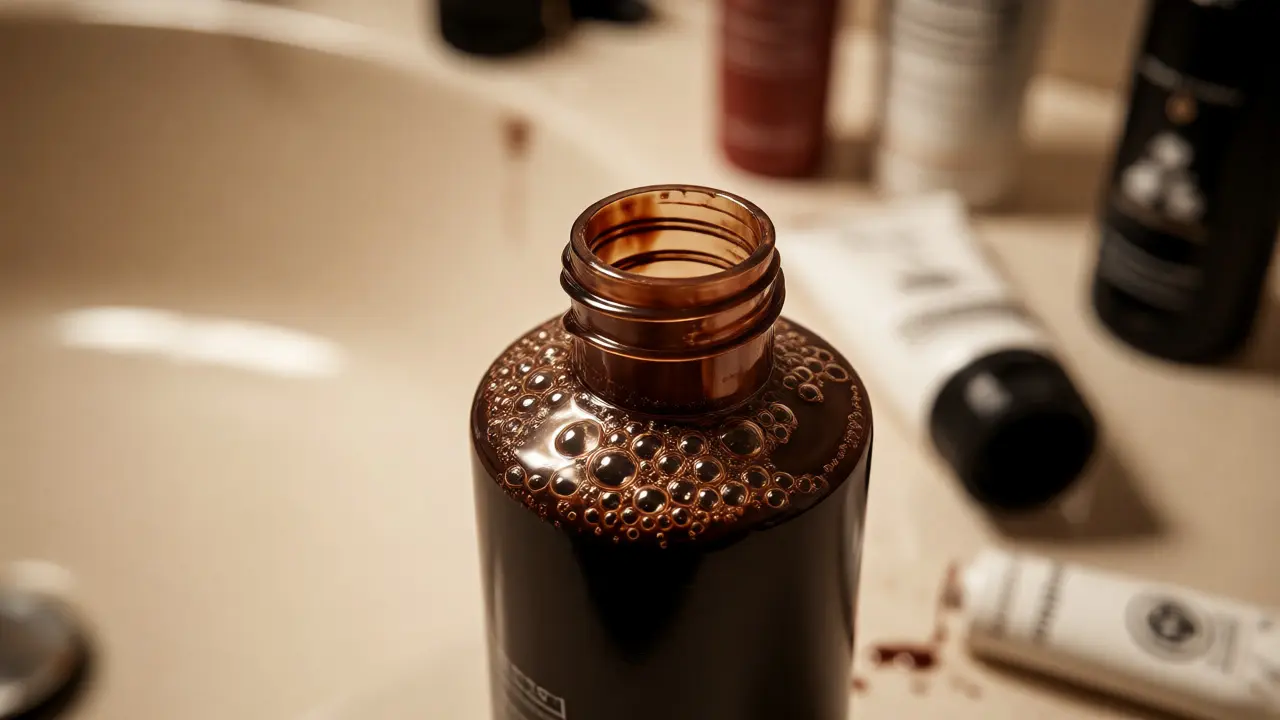
When you mix them, the pH level jumps-often reaching around 9.9 to 10.1. This high pH swells the hair cuticle, allowing the dye molecules to enter the cortex. Simultaneously, the hydrogen peroxide breaks down natural melanin and helps form new color molecules. This reaction releases oxygen gas. If you cap the bottle, that gas has nowhere to go. Pressure builds up, which can cause the container to leak or even burst. More importantly, the peroxide decomposes rapidly. Once the peroxide is spent, it can’t activate the dye precursors anymore. So, if you wait an hour, then another day, the mixture is essentially dead water with some pigment floating in it.
Why Old Mixtures Fail (and Might Hurt)
It’s not just about getting a weaker color. Using old, mixed dye can actually be risky for your hair and skin.
- Inconsistent Color: As the oxidation continues unevenly, the pigment changes. You might apply what looks like brown but get a muddy green or orange result because the blue pigments degraded faster than the red ones.
- Irritation Risks: Chemical reactions produce byproducts. Some of these breakdown products can be irritating to sensitive skin. If you leave a mixture sitting for hours, the concentration of certain irritants may change, increasing the chance of contact dermatitis.
- No Processing Power: Even if the color looks okay, the mixture lacks the oxidative power to open the hair cuticle properly. This means the dye sits on top of the hair rather than penetrating it. The result? Your color washes out after one shampoo.
A clinical review noted that permanent formulations typically use 6%-9% hydrogen peroxide. Once mixed, this peroxide begins catalytic decomposition. Trace metals in the water or the dye itself can accelerate this, creating reactive radicals that damage keratin fibers. So, you aren’t just wasting product; you might be subjecting your hair to unnecessary chemical stress without getting the benefit of proper color development.
What Happens If You Store It?
Many people think putting the mixed dye in the refrigerator will pause the clock. It doesn’t. Cold temperatures slow down chemical reactions, but they don’t stop them. A study by the Society of Cosmetic Chemists showed that viscosity and oxygen content change significantly within just five minutes of mixing. By thirty minutes, the product is physically different from what it was at minute zero.
Manufacturers like Garnier and L’Oréal explicitly state in their instructions: "Use immediately." They do not say "Refrigerate for later use." Why? Because the packaging is designed for single-use activation. The applicator bottle is often sealed tightly. If you cap it, pressure from evolving oxygen gas can force the mixture out of the nozzle or crack the plastic. Imagine opening a soda bottle that has been shaken-it sprays everywhere. Now imagine that soda is sticky, stinky hair dye spraying onto your bathroom counter or your face.
| Feature | Unmixed Components (Separate) | Mixed Dye + Developer |
|---|---|---|
| Shelf Life After Opening | Up to 12 months (check label) | Immediate use only (minutes) |
| Chemical State | Stable, inert | Active, reacting, degrading |
| Storage Risk | Low (keep cool/dry) | High (pressure buildup, leakage) |
| Color Accuracy | Predictable | Unpredictable/Faded |
| Safety | Safe if stored properly | Risk of irritation/burns if aged |
Can You Save Just the Cream or Just the Developer?
This is where things get tricky. Some brands sell large tubes of color cream and bottles of developer separately. If you didn’t mix them, you can often save them. For example, WECOLOUR notes that unmixed components can last up to 12 months after opening if kept tightly closed and away from heat.
However, once you squeeze out some cream and pour in some developer, you’ve crossed the line. You cannot pour leftover mixed dye back into the original developer bottle. Doing so contaminates the fresh developer with partially reacted chemicals and pigments. This can spoil the entire bottle of developer, making future mixes unreliable.
Hydrogen Peroxide Developer is an oxidizing agent used in hair coloring to lift natural pigment and activate artificial dye molecules. While pure developer is stable when sealed, its efficacy drops once exposed to air and contaminants over long periods.
If you have a large tube of color cream and you only need half for your current session, check the instructions. Some kits allow partial mixing if you measure precisely. But most consumer box kits are pre-measured for a full head. If you mix the whole thing and only use half, throw the rest away. Don’t try to be frugal at the expense of your hair health.
Safety First: Patch Tests and Allergies
Even if you could reuse mixed dye, would you want to? Hair dye allergies are real. The U.S. Food and Drug Administration (FDA) recommends performing a skin patch test every time you dye your hair, not just the first time. Sensitivities can develop over time.
p-Phenylenediamine (PPD) is a common chemical ingredient in permanent hair dyes that is a frequent cause of allergic contact dermatitis. Symptoms include itching, swelling, and blistering.
If you are using old mixed dye, you are applying a substance whose chemical composition has changed unpredictably. This makes it harder to diagnose if a reaction is due to an allergy or due to the degradation products. Stick to fresh mixtures. Apply the dye, wear gloves, and ensure good ventilation. If you feel burning or see swelling, rinse immediately with cool water.
How to Minimize Waste Without Reusing
If throwing away half a tube feels bad, adjust your technique instead of breaking the rules.
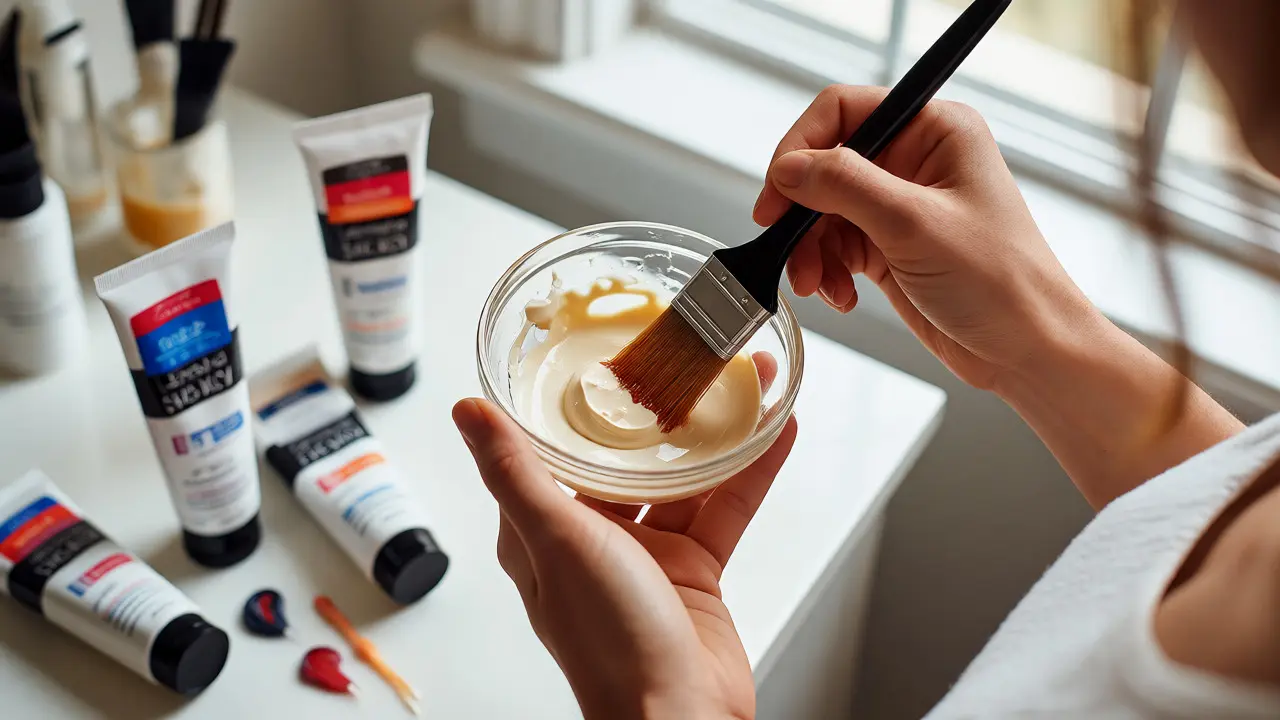
- Measure Precisely: Use a non-metallic bowl and brush if your kit allows. Measure out only the amount needed for your roots or specific sections. Leave the unused cream and developer in their original containers.
- Choose Right-Sized Kits: If you have short hair or only do root touch-ups, buy smaller boxes or professional-size tubes that let you mix smaller batches.
- Don’t Over-Mix: Shake the applicator bottle for the recommended time (usually 30 seconds), then start applying. Don’t shake it extra long, as this introduces more air bubbles and accelerates oxidation before it even hits your hair.
Remember, the cost of a new box of dye is far less than the cost of fixing a botched color job or treating a chemical burn.
Disposing of Leftover Mixed Dye
So, you have that leftover mixture. How do you get rid of it? Do not pour it down the drain if you live in an area with strict wastewater regulations, though many local guidelines allow small amounts of household chemicals down the toilet or sink with plenty of running water. Check your local municipal rules.
The safest method is usually to let the mixture fully react and dry out in the applicator bottle, then dispose of the solid residue according to local trash guidelines. Never put a capped, pressurized bottle of mixed dye directly into the regular trash bin where it might burst under compression. Remove the cap, let it settle, and dispose of the liquid carefully.
Frequently Asked Questions
Can I refrigerate mixed hair dye to save it for tomorrow?
No. Refrigeration slows down the chemical reaction but does not stop it. The developer loses potency, and the mixture may still build up pressure in the container. Manufacturers advise against storing mixed dye entirely.
What happens if I use mixed dye that is 24 hours old?
You will likely get little to no color change because the hydrogen peroxide has decomposed. The remaining chemicals may also be irritating to your scalp, and the consistency may have changed, making application difficult.
Is it safe to add fresh developer to old mixed dye?
No. Adding fresh developer does not restore the balance of the original formulation. The dye precursors may have already started to degrade or polymerize incorrectly, leading to unpredictable results and potential hair damage.
Can I save the leftover color cream if I haven't mixed it yet?
Yes, usually. If the color cream and developer were kept separate, you can reseal the color cream tube tightly and store it in a cool, dry place. Check the brand's specific expiration date, but it often remains usable for several months.
Does bleach follow the same rule as hair dye?
Yes, and even more strictly. Bleach mixtures (lightener plus developer) become ineffective very quickly and can become unstable. Never reuse mixed bleach; discard it immediately after use.