
Have you ever looked in the mirror and wondered where your thick, bushy teenage brows went? You’re not alone. For decades, the beauty industry pushed a specific aesthetic: thin, high-arched, and meticulously groomed eyebrows. The primary tools for this job were eyebrow threading, a hair removal technique using twisted cotton thread, and brow waxing, which uses heated wax to pull hair from the root. While these methods offer precision, they often come at a steep price: permanent damage to your natural hair growth patterns.
The question isn’t just about style; it’s about biology. When we remove hair repeatedly from the same follicle, we weaken the anchor. Over time, this leads to sparse patches, unibrow-like gaps, or brows that simply stop growing back. If you’ve been threading or waxing for years, you might be dealing with traction alopecia of the brow-a condition where chronic pulling causes hair loss. Let’s break down exactly why this happens and what you can do to save your natural shape.
The Mechanics of Hair Removal: Why Threading and Waxing Hurt
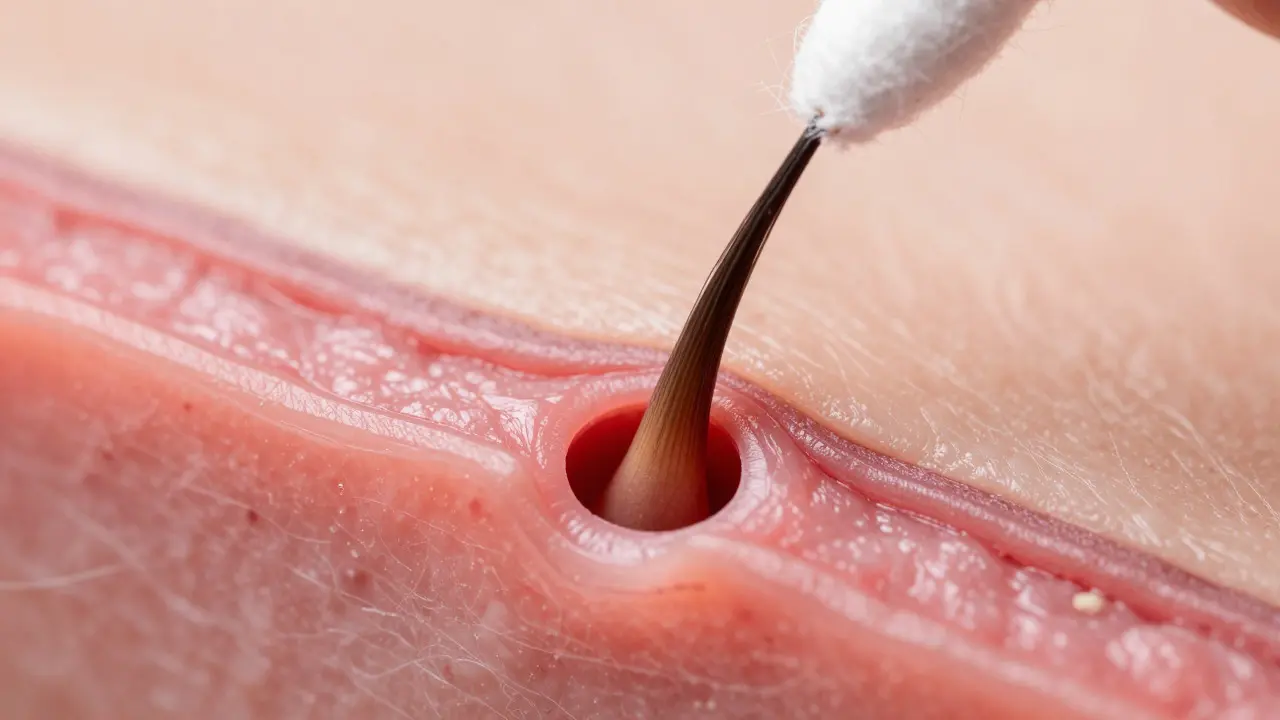
To understand the damage, you need to look at how hair grows. Each eyebrow hair sits in a follicle deep within the dermis. This follicle is connected to blood vessels that feed nutrients to the hair bulb. When you pluck, thread, or wax, you aren’t just removing the visible strand; you are yanking the entire root out of its socket.
Threading involves twisting a piece of cotton thread to catch multiple hairs and pull them out simultaneously. It’s popular because it’s fast and doesn’t use chemicals. However, the mechanical force required to snap the hair out of the follicle is significant. Repeated trauma to the same area causes inflammation. Chronic inflammation signals the body to divert resources away from hair production and toward healing the skin. Eventually, the follicle goes dormant. Once a follicle is dead, no amount of castor oil or biotin will bring it back.
Brow waxing works similarly but adds heat and chemical adhesives into the mix. The wax adheres to the hair shaft and, when ripped off, pulls the hair from the root. The risk here is twofold: physical trauma from the pull and chemical irritation from the wax itself. Many commercial waxes contain resins and fragrances that can cause contact dermatitis. Inflamed skin further stresses the follicle, accelerating hair loss. If you have sensitive skin, waxing can also lead to post-inflammatory hyperpigmentation, leaving dark spots where your brows used to be.
The "Thin Brow" Trap: Cultural Standards vs. Natural Anatomy
Why do people continue these practices if they cause damage? Because of entrenched beauty standards. In the late 90s and early 2000s, ultra-thin brows were the norm. Celebrities like Pamela Anderson popularized the look, and salons worldwide adopted aggressive shaping techniques. The goal was to create a stark contrast between the skin and the hair, emphasizing the arch.
This approach ignores individual anatomy. Your natural brow shape is determined by your bone structure, particularly the orbital ridge and cheekbones. A skilled esthetician should enhance your features, not erase them. Threading and waxing often strip away the "feathered" edges that give brows a soft, natural appearance. Instead, they create hard, unnatural lines that age the face. As we age, our skin loses elasticity. Thin, high-arched brows can make the eyes appear sunken and tired, adding years to your appearance rather than taking them away.
Signs Your Brows Are Permanently Damaged
How do you know if you’ve crossed the line from grooming to damage? Look for these warning signs:
- Sparse Patches: Areas where hair no longer grows, especially near the tail or the inner corner.
- Fine, Wispy Hairs: New growth that is significantly thinner and lighter than before, indicating weakened follicles.
- Uneven Growth Cycles: One side looks full while the other is patchy, suggesting inconsistent follicle health.
- Skin Irritation: Redness, bumps, or ingrown hairs that persist after treatment.
If you notice these issues, stop all forms of root removal immediately. Continuing to pluck or wax damaged areas will only accelerate the loss. Give your follicles a break. Hair growth cycles take time-typically three to four months for a full cycle. Patience is your best tool here.
Better Alternatives to Threading and Waxing
You don’t have to live with unruly brow hair to avoid damage. There are gentler methods that preserve follicle health while maintaining a tidy shape.
Tweezing with Precision
Tweezing allows for targeted removal of stray hairs without disturbing the main body of the brow. Use slanted-tip tweezers to grab only the hairs that fall outside your natural shape. Pull in the direction of hair growth to minimize breakage. Limit tweezing to once a week to prevent cumulative trauma.
Brow Tinting and Lamination
Brow tinting uses semi-permanent dye to color both the hair and the skin beneath, creating the illusion of fuller brows without removing any hair. This is ideal for those with light or sparse hair. Brow lamination involves applying a perming solution to set hairs in an upward, brushed-up position. It hides gaps and creates a uniform look. Both treatments last several weeks and require zero root removal.
Microblading and Powder Brows
For more permanent solutions, consider cosmetic tattooing. Microblading uses a handheld tool to create hair-like strokes in the epidermis. It’s perfect for filling in sparse areas. Powder brows offer a softer, shaded effect similar to makeup. These options are long-lasting (1-3 years) and eliminate the need for daily grooming or harsh removal methods. Choose a licensed artist who follows strict hygiene protocols to avoid infection.

Restoring Lost Brow Hair: What Actually Works
If you’ve already lost significant hair, restoration is possible but requires realistic expectations. Not every follicle can be revived, but you can optimize conditions for new growth.
Castor Oil: Rich in ricinoleic acid, castor oil may improve circulation to the follicle. Apply a small amount nightly with a clean spoolie brush. While scientific evidence is limited, many users report thicker texture over time.
Bimatoprost (Latisse): This FDA-approved medication was originally designed to treat glaucoma but was found to promote eyelash and eyebrow growth. It works by prolonging the anagen (growth) phase of the hair cycle. Consult a dermatologist before use, as it can have side effects like eye discoloration.
Nutrition: Hair health starts from within. Ensure you’re getting enough protein, iron, zinc, and biotin. Deficiencies in these nutrients can lead to brittle hair and increased shedding. Consider a balanced diet rich in leafy greens, nuts, and lean meats.
Preventing Future Damage: A Sustainable Grooming Routine
To keep your brows healthy long-term, adopt a minimalist approach. Map your brow shape based on your facial features: the start should align with the inner corner of your eye, the arch with the pupil, and the end with the outer corner. Stick to this map. Avoid over-cleaning the area between appointments. Let your natural hair grow out for at least six months to assess your true density.
If you visit a salon, communicate clearly. Tell your esthetician you want to maintain your natural shape, not reshape it. Ask them to focus only on stray hairs below the brow line. Regular maintenance should involve gentle trimming of long hairs rather than aggressive removal.
Does threading cause permanent eyebrow loss?
Yes, threading can cause permanent eyebrow loss if done repeatedly over many years. The constant trauma to the hair follicle can lead to scarring and dormancy, preventing new hair from growing. This is known as traction alopecia.
Is waxing better than threading for eyebrows?
Neither is inherently "better" for preserving hair health, as both remove hair from the root. Waxing may be faster but carries higher risks of chemical irritation and skin lifting. Threading is more precise but still causes mechanical trauma. Tweezing or tinting are gentler alternatives.
How long does it take for eyebrows to grow back after stopping threading?
It typically takes 3 to 6 months for eyebrows to show significant regrowth after stopping root removal. Full recovery can take up to a year, depending on individual genetics and the extent of follicle damage. Some follicles may never recover if permanently scarred.
Can castor oil really help grow eyebrows back?
Castor oil may help improve the thickness and shine of existing hairs due to its moisturizing properties, but it cannot revive dead follicles. Its effectiveness varies by person, and scientific studies are limited. It’s a safe, low-cost option to try alongside other treatments.
What is the safest way to shape eyebrows without damaging them?
The safest method is minimal tweezing of only stray hairs, combined with brow tinting or lamination. These techniques enhance appearance without removing hair from the root. Avoid waxing and threading if you have sparse or sensitive brows.