
You walk into a salon with a picture of a celebrity on your phone, hoping for that exact look. You leave three hours later feeling like you have a completely different head of hair. Why does this happen? It’s not because the stylist messed up. It’s because haircut is personal geometry. What works on a round face often drags down an oval one. The "best" women's haircut isn't a single style; it’s the specific cut that balances your unique features while fitting your daily routine.
I’ve spent years in Asheville watching friends cycle through trends, from the blunt bobs of the early 2010s to the shaggy wolf cuts dominating 2026. The truth? There is no universal winner. But there are clear winners for you. This guide breaks down how to choose based on face shape, hair texture, and lifestyle reality-not just Pinterest boards.
The Face Shape Rulebook
Your face shape dictates where volume should go and where lines should break. Ignoring this leads to styles that fight your natural structure rather than enhancing it. Here is the breakdown:
- Oval: The most versatile shape. Almost any cut works here, but avoid heavy bangs that shorten the face too much. Long layers or a textured lob (long bob) maintain balance.
- Round: Goal: elongate. Avoid chin-length bobs that emphasize width. Go for long layers starting below the chin or side-swept bangs that create diagonal lines.
- Square: Goal: soften angles. Blunt cuts can make jaws look harsher. Soft waves, curtain bangs, and rounded layers help diffuse strong jawlines.
- Heart: Goal: balance wide foreheads with narrower chins. Chin-length bobs add weight at the bottom. Side parts and wispy bangs distract from the forehead width.
- Long/Oblong: Goal: add width. Avoid very long, straight hair which drags the face down. Bobs with volume at the sides, curls, or full bangs shorten the visual length.
A quick tip from experience: pull your hair back tightly and look in the mirror. If your forehead is wider than your cheeks, you’re likely heart-shaped. If your cheekbones are the widest part, it’s diamond or oval. Knowing this before booking saves awkward conversations.
Texture Determines Maintenance
A great haircut looks amazing wet but terrible dry if it ignores texture. Curly hair behaves differently than fine, straight strands. Choosing a style that fights your texture guarantees daily frustration.
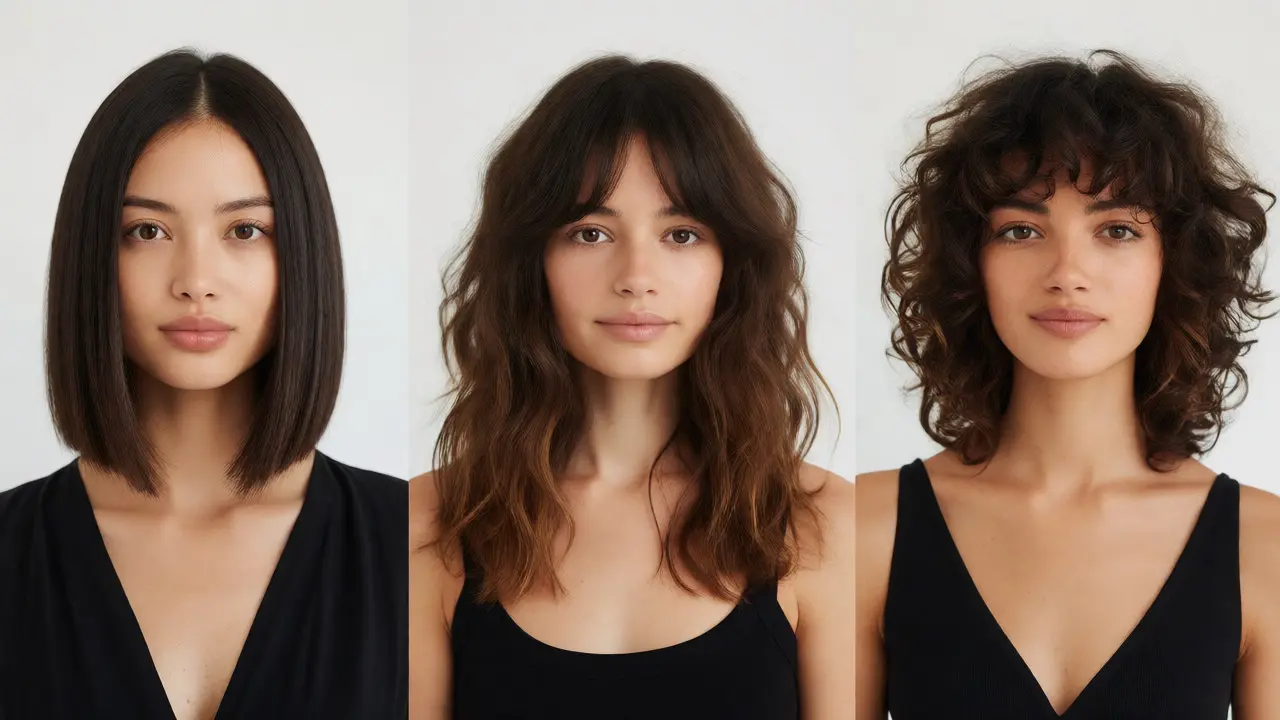
| Texture Type | Recommended Styles | Styles to Avoid | Maintenance Level |
|---|---|---|---|
| Fine/Straight | Blunt bobs, pixie cuts, long layers for movement | Heavy layers (removes density), super long lengths | Low-Medium |
| Wavy | Shags, curtain bangs, collarbone-length lobs | Super straight sleek styles (frizz risk) | Medium |
| Curly/Coily | Layered shags, rounded shapes, curly fringes | One-length blunt cuts (triangle effect) | High |
| Thick/Dense | Debulking layers, undercuts, structured bobs | Too many short layers (poofy halo) | Medium-High |
For those with curly hair, a type of hair texture characterized by spiral or S-shaped strands, the goal is shaping the curl pattern, not just cutting length. A skilled curly specialist uses techniques like DevaCut or Rezo Cut to remove bulk without creating triangular silhouettes. If you have fine hair, keep it simple. Complex layering removes weight, making fine hair look stringy. A sharp, one-length line creates the illusion of thickness.
Lifestyle Reality Check
Be honest about your morning. Do you have five minutes or forty-five? A pixie cut, a very short hairstyle typically worn by women, might seem low-maintenance, but many require daily wax or paste to look intentional. Conversely, a long, layered cut might take thirty minutes to blow-dry properly.
If you hate heat styling, embrace air-drying friendly cuts like the modern shag or a textured lob. These styles rely on natural movement. If you love using a flat iron, ensure your cut has enough length to work with. Short crops limit tool versatility. Also, consider your profession. In conservative offices, extremely short or edgy colors might draw unwanted attention. A polished bob or classic long layers remain safe bets that still look chic.
Top Trends Dominating 2026
Trends shift, but some styles have staying power because they flatter multiple demographics. Here is what is currently working well across diverse client bases:
The Modern Bob
Gone are the stiff, geometric bobs of the past. Today’s versions feature slight internal texturizing and softer edges. The "Italian Bob," which sits just above the shoulders with minimal layering, is huge right now. It adds volume to fine hair and frames the face beautifully without requiring daily brushing.
Curtain Bangs
These blend seamlessly into longer layers, growing out gracefully. They suit almost every face shape except very small faces where they might overwhelm features. Curtain bangs offer the benefit of framing the eyes without committing to a heavy fringe. If you decide you hate them, they tuck behind ears easily.
The Wolf Cut
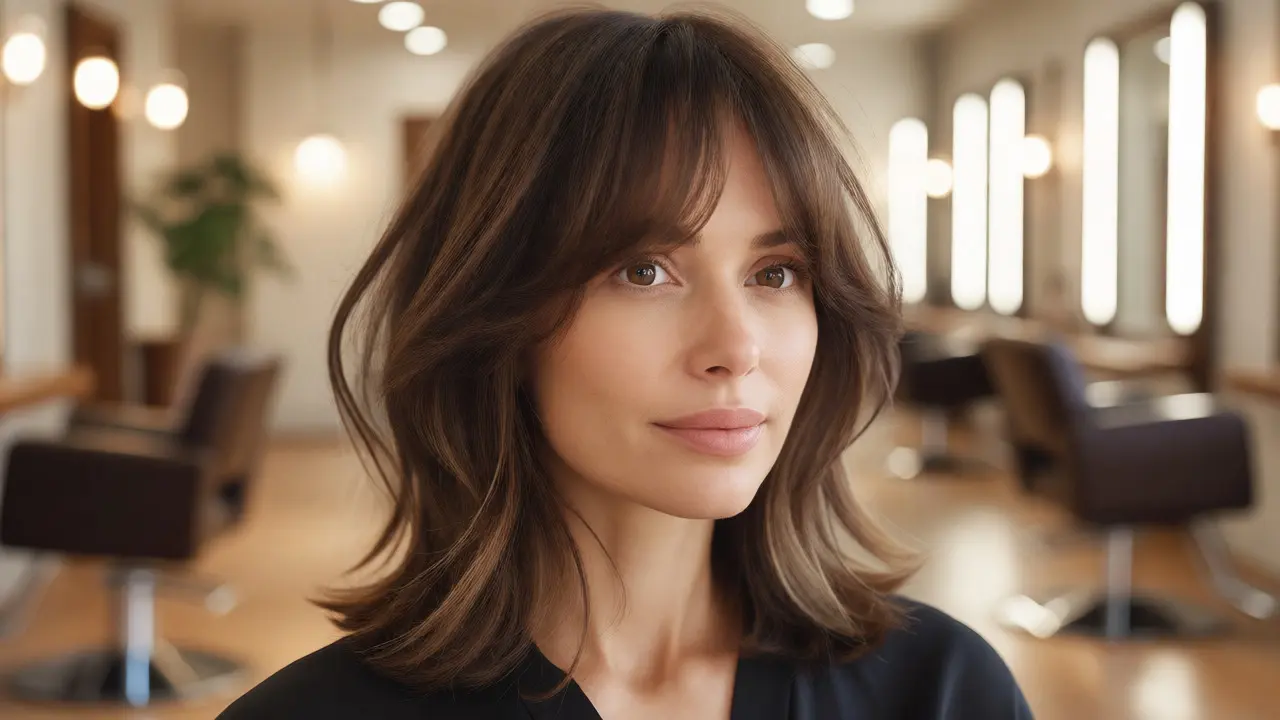
This hybrid of a shag and a mullet remains popular for its effortless, rock-and-roll vibe. It relies heavily on choppy layers throughout the mid-lengths and ends. Best for wavy or thick hair, this cut looks messy on purpose. Fine-haired individuals need careful texturizing to prevent it from looking sparse.
French Bob
A shorter version of the standard bob, usually hitting the lips or chin. Paired with bangs, it exudes Parisian chic. It requires more frequent trims-every six to eight weeks-to maintain its sharp silhouette. Ideal for petite frames and oval or heart-shaped faces.

Consultation Checklist: Talking to Your Stylist
Don’t just show a photo. Communicate constraints. Use this checklist during your appointment to ensure you get the best women's haircut for your needs:
- Show your current state: Come with hair washed and dried as you normally wear it. If you usually air-dry, don’t come with blown-out hair.
- Discuss growth habits: Tell them if your cowlick grows forward or backward. This affects bang placement.
- Set maintenance expectations: Ask explicitly, "How long will this take me to style?" If the answer is "an hour," decide if you’ll actually do it.
- Ask about grow-out: How does this look in six months when roots show or length changes? Some cuts, like blunt bobs, lose shape quickly. Layers grow out more gracefully.
- Product honesty: Will you buy the mousse? If not, ask for a cut that works with drugstore products or water alone.
Remember, trust is built over time. Your first cut with a new stylist might be experimental. Give them two visits to understand your texture and preferences before judging their skill.
Common Mistakes to Avoid
Even with good intentions, certain pitfalls lead to regret. First, ignoring density. Thin hair needs blunt ends for fullness; thick hair needs thinning shears or deep layers to reduce bulk. Second, chasing trends blindly. Just because everyone on Instagram has a micro-bob doesn’t mean it suits your neck length. Short necks look better with longer lengths that create vertical lines.
Another mistake: neglecting the back view. Most people only check their profile and front. Ask to see the back in a hand mirror. Does it sit evenly? Is the neckline flattering? For those with flat backs of heads, a rounded cut adds necessary dimension.
What is the most universally flattering haircut?
The long bob, or "lob," hitting between the chin and shoulders, is widely considered the most versatile. It suits nearly all face shapes and hair textures. It offers enough length to tie up but is short enough to feel fresh. Adding subtle layers allows customization for volume or smoothness.
How often should I trim my hair to maintain a haircut?
It depends on the style. Precision cuts like bobs and pixies need trims every 6-8 weeks to stay sharp. Long layers can wait 10-12 weeks. Curly hair may need less frequent structural cuts but benefits from regular dusting to prevent split ends traveling up the shaft.
Does hair color affect which haircut I should choose?
Yes. Dark solid colors highlight blunt lines and shadows, making precision cuts stand out. Lighter tones or balayage blends hide hard lines, allowing for softer, messier cuts like shags. If you have significant gray coverage needs, shorter cuts reduce the visible root gap frequency.
Can I get a short haircut if I have thin hair?
Absolutely. Short cuts often make thin hair appear thicker because weight is removed, allowing roots to lift. A blunt pixie or a chin-length bob creates a solid visual block of color and density. Avoid excessive layering, which thins out the ends further.
What if I change my mind after the cut?
Give it two weeks. Hair settles, and you adjust to the new reflection. Often, styling techniques learned post-cut improve the look significantly. If you truly dislike it, use accessories like headbands or hats while it grows out. Remember, hair grows approximately half an inch per month, so patience pays off.