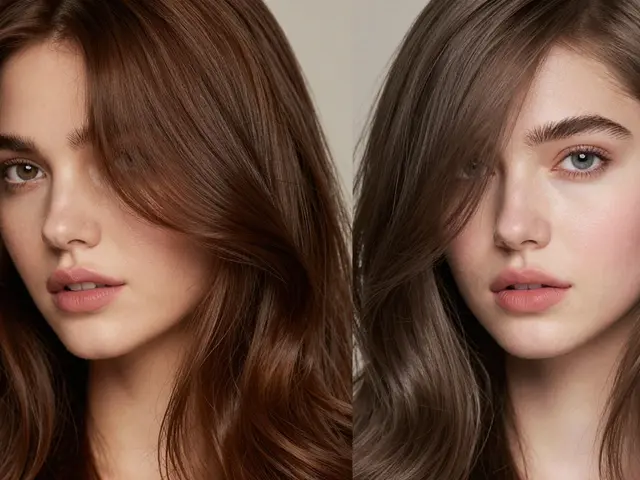
You’re staring at your reflection, wishing for a lighter, sun-kissed look without the commitment of bleach. It’s a common desire: moving from dark brown to light brown. But here is the hard truth that box dyes rarely shout loud enough: if your hair is already dyed dark brown, simply putting a lighter brown on top will do almost nothing. If your hair is natural (virgin), you have options, but picking the wrong shade can leave you with muddy orange or flat ash tones.
So, what dye should you actually use? For most people with natural dark brown hair, the answer is a Level 5 Permanent Light Brown Dye with 20-volume developer. This combination lifts your natural pigment just enough to deposit a visible, realistic light brown. However, if your hair has been colored before, you don’t need a new dye-you likely need a color remover first. Let’s break down exactly how to navigate this, so you don’t end up with a salon bill you didn’t expect.
The Golden Rule: Color Doesn’t Lift Color
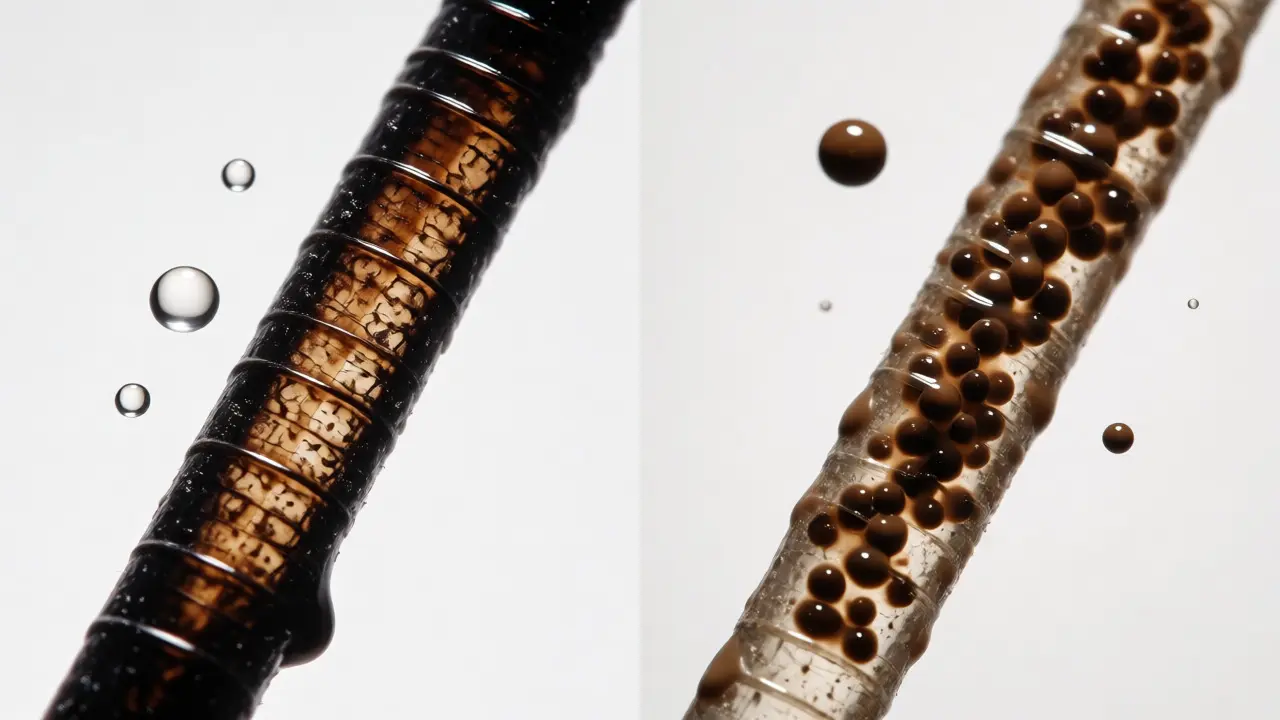
This is the single most important concept in hair coloring, and it trips up more people than anything else. Professional colorists live by the rule: color cannot lift color. If you have previously applied permanent dark brown dye to your hair, that artificial pigment is stuck in the cortex of your hair shaft. Applying a lighter brown dye over it does not act like bleach; it doesn’t eat away the old pigment. Instead, it just adds more pigment on top, often making the hair look darker or creating an uneven, muddy result.
If your hair is virgin (never dyed), your natural melanin is still intact. In this case, a permanent dye mixed with developer can slightly lighten your base while depositing the new color. But even then, there are limits. A standard permanent dye typically lifts natural hair only one to two levels. So, if you start at a Level 3 (Dark Brown), you might reach a Level 4 or 5. You won’t get platinum blonde, but you can definitely hit a nice light brown.
Understanding Hair Levels and Undertones
To pick the right dye, you need to speak the language of hair color. Hair color is measured on a scale from 1 to 10:
- Level 1-2: Black / Very Dark Brown
- Level 3: Dark Brown
- Level 4: Medium Brown
- Level 5: Light Brown (Your Target)
- Level 6: Dark Blonde / Lightest Brown
Most people calling their hair "dark brown" are sitting at a Level 3 or 4. To go to "light brown," you are aiming for Level 5. Here is where undertones matter. When you lift dark hair, you expose underlying warm pigments-red and orange. This is normal chemistry, not a mistake.
| Desired Look | Shade Code Examples | Best For | Risk Factor |
|---|---|---|---|
| Natural Chocolate | 5N, 5.0, 5G | Safe, balanced results | Low |
| Cool/Ashy | 5A, 5.1, 5C | Counteracting strong orange | Medium (Can look green if over-applied) |
| Warm/Caramel | 5W, 5.3, 5.4 | Enhancing warmth intentionally | Low |
A neutral shade (like Garnier Nutrisse 60 Light Natural Brown) is your safest bet if you aren't sure. It balances out the orange warmth that naturally appears when lifting dark hair. Avoid going too ashy unless you know your hair pulls very red, because blue-based ash dyes can turn orange hair greenish-brown if the level isn't light enough.
Scenario A: Your Hair Is Natural (Virgin)
If you’ve never dyed your hair, you are in luck. You can achieve a light brown result at home with relative ease. Here is the step-by-step approach:
- Select a Level 5 Neutral Permanent Dye: Look for boxes labeled "Light Brown," "Natural Brown," or codes ending in N or 0. Brands like L’Oréal Excellence, Garnier Nutrisse, or Clairol Nice 'n Easy offer these shades.
- Use the Included Developer: Most kits come with 20-volume (6%) developer. This is perfect for lifting 1-2 levels. Do not upgrade to 30 or 40 volume yourself; it increases damage risk without guaranteeing a better color result.
- Do a Strand Test: Before covering your whole head, mix a tiny bit of dye and apply it to a hidden section. Leave it for the full processing time. This tells you two things: how much your hair lifts, and what tone emerges. If it turns bright orange, you may need a toner later. If it stays dark, you might need a professional lift.
- Apply Correctly: Apply to dry, unwashed hair. Start at the roots if you have gray coverage needs, otherwise, apply mid-lengths and ends first if your hair is porous, then roots last (since scalp heat processes roots faster).
Remember, leaving the dye on longer than the instructions say will not make your hair lighter. It will only process the pigment further, potentially causing more damage without significant lift.
Scenario B: Your Hair Is Already Dyed Dark Brown
This is where most DIY disasters happen. You bought a Level 5 Light Brown box, applied it to your Level 3 Dyed Dark Brown hair, and walked out looking... exactly the same, or worse. Why? Because the new dye couldn't penetrate the existing artificial pigment to lift it.
Your options here are limited but effective:
Option 1: Color Remover (The Gentle Reset)
Before applying any new color, consider using a Sulfur-Based Color Remover (like Color Oops or Malibu C Un-Do-Goo). These products shrink artificial dye molecules so they can be washed out. They do not remove natural pigment, meaning they won't lighten your hair beyond its natural base, but they strip the dark artificial layer.
- Pros: Less damaging than bleach; restores hair to a warm orange/copper state rather than yellow.
- Cons: Smells like rotten eggs; requires multiple washes; hair must be toned afterward because it will look brassy.
Option 2: Bleach Bath (The Quick Fix)
If a remover doesn't work, a "bleach bath" (bleach powder + shampoo + water) can gently lift the artificial color. This is risky for beginners. It often leaves hair patchy or orange. Use this only if you are comfortable managing uneven results.
Option 3: Professional Correction
Honestly, if you have layers of old dark dye, a stylist can perform a color correction that is safer and more precise than home attempts. They might use a high-lift tint or a controlled bleach application followed by a Level 5 toner.
Managing Orange Warmth and Porosity
When you lift dark brown hair, you inevitably reveal red and orange pigments. This is why many people hate the result-they wanted "cool beige brown" but got "rusty copper."
To combat this, understand the color wheel. Blue cancels orange. If your lifted hair looks too orange, you need a toner or a dye with ash/blue bases. However, do not apply a strong ash dye to hair that is still Level 4 (too dark). The blue pigment on top of orange underneath creates mud. You usually need to lift to at least Level 5 or 6 before ash tones look clean and silvery-brown.
Also, consider porosity. Damaged or previously bleached hair absorbs dye quickly but releases it quickly. This leads to fading and uneven color. If your hair feels gummy or stretches when wet, it is highly porous. In this case, use a protein treatment before dyeing and choose a semi-permanent gloss after reaching your target level to maintain shine.
Safety First: Patch Tests and Health
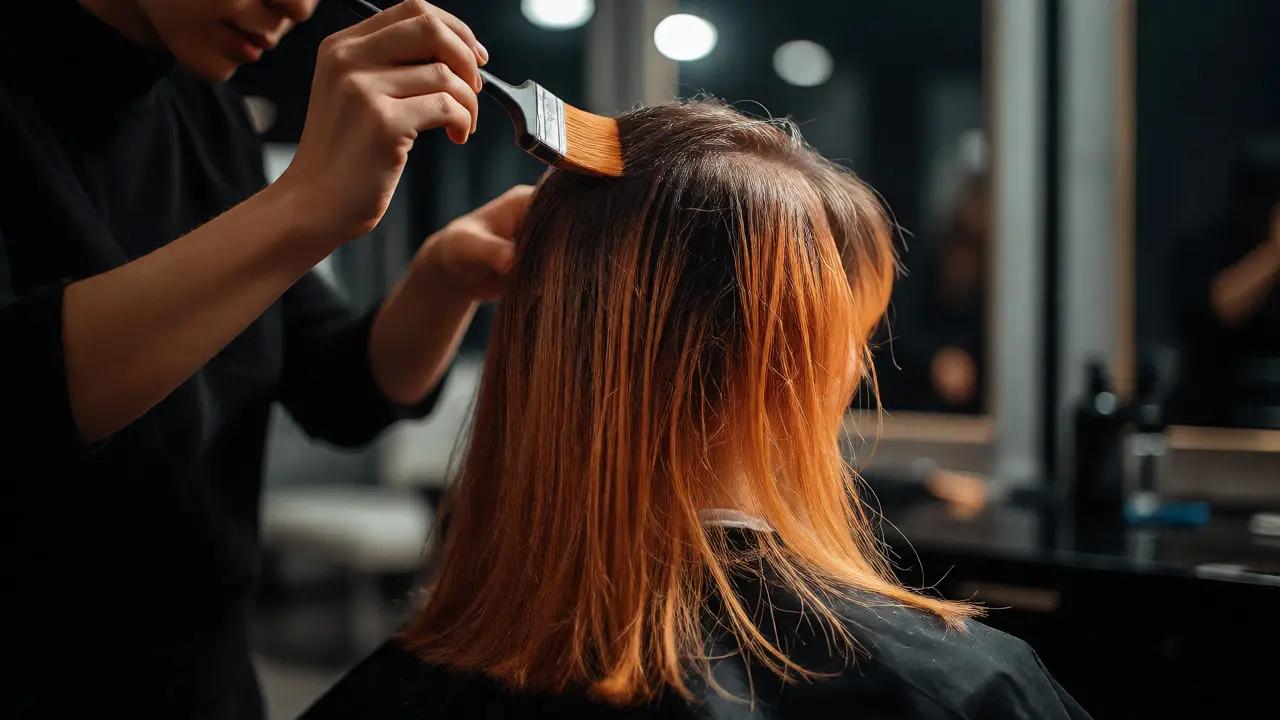
Hair dye contains chemicals like PPD (paraphenylenediamine) that can cause allergic reactions. Even if you've used the same brand for years, allergies can develop suddenly. The FDA recommends a patch test 48 hours before every application. Apply a small amount behind your ear or on your inner elbow. If you see redness, itching, or swelling, do not proceed.
Additionally, wait at least 14 days after relaxing, perming, or bleaching before applying permanent color. Mixing these chemical processes too closely can snap your hair off. If your hair is breaking or feels like straw, skip the home experiment and see a pro.
Frequently Asked Questions
Can I go from dark brown to light brown without bleach?
Yes, but only if your hair is natural (virgin). A permanent Level 5 dye with 20-volume developer can lift natural dark brown hair 1-2 levels. If your hair is already dyed dark brown, you cannot lift it with dye alone; you need a color remover or bleach.
What number is light brown hair dye?
Light brown is typically Level 5 on the universal hair color chart. Codes often include 5N (Neutral), 5A (Ash), or 5G (Golden). Level 6 is considered Dark Blonde or Lightest Brown.
Why did my light brown dye make my hair darker?
This happens when you apply lighter dye over previously dyed hair. Artificial color does not lift artificial color. The new dye simply deposits pigment on top of the existing dark pigment, often resulting in a darker or muddier appearance.
How long does it take for dark brown hair to fade to light brown?
Permanent dye does not fade significantly to a lighter level on its own. Semi-permanent dyes may fade back toward your natural level over 4-6 weeks. To get lighter, you must actively lift the pigment with chemicals (developer/bleach) or grow out your roots.
Should I use ash or golden light brown?
Choose Ash (Cool) if you want to neutralize orange/red warmth, but ensure your hair is lifted enough (Level 5+) to avoid green tones. Choose Golden (Warm) if you want a rich, chocolate, or caramel look, which is often more forgiving on dark bases.