

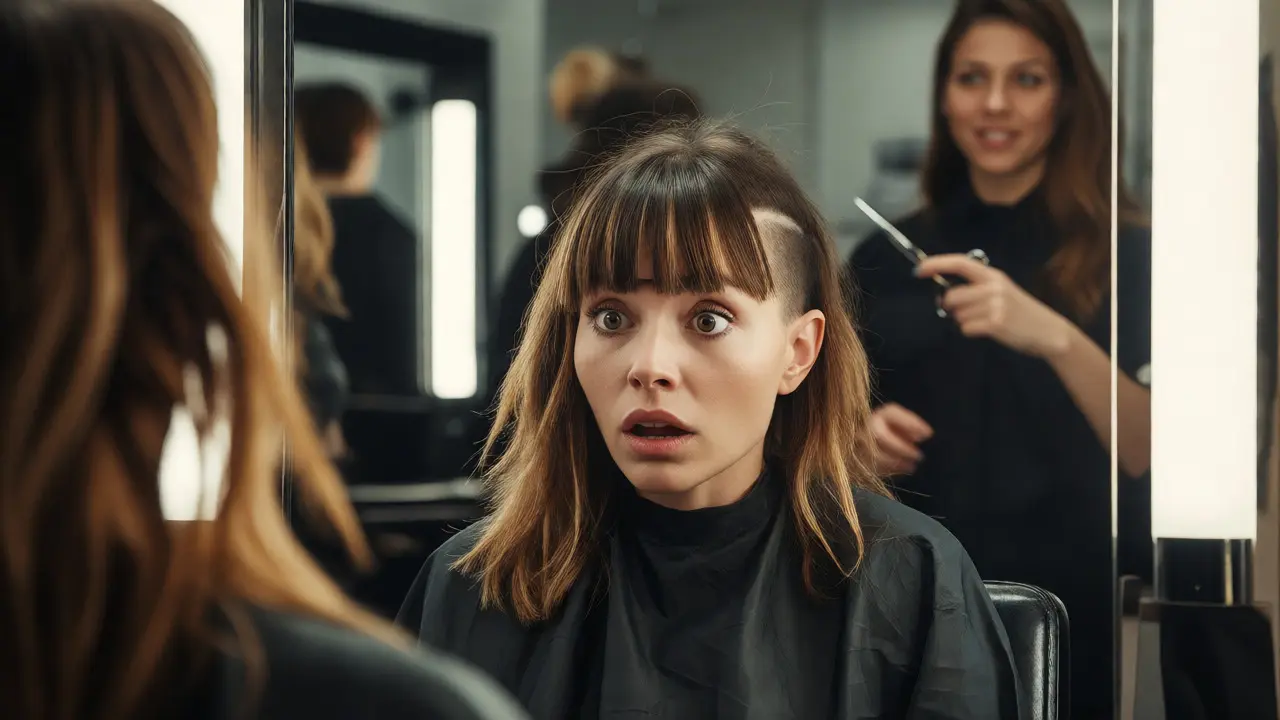
You walk out of the salon with a bad haircut, staring at your reflection in horror. The layers are uneven, the bangs are too short, and you’re pretty sure they missed a spot on the back. Your first instinct? Anger. Your second? Suspicion. Did they do that on purpose?
We’ve all heard the urban legend: stylists intentionally mess up cuts to make you come back more often or to force a product purchase. It feels like a conspiracy, doesn’t it? But is there any truth to it, or is this just our brain trying to rationalize a mistake? Let’s unpack the reality behind those regrettable snips.
The Myth of the Malicious Stylist
Let’s get the big question out of the way first. Do hairdressers deliberately cut your hair poorly to generate repeat business? For the most part, no. Think about it from their perspective. A stylist’s reputation is their currency. In the age of Yelp reviews, Instagram portfolios, and word-of-mouth referrals, a bad haircut isn’t just a minor inconvenience for you; it’s a financial hit for them.
If a stylist gives you a terrible cut, you likely won’t return. You’ll tell your friends, leave a one-star review, and post a crying selfie online. That costs them new clients. Most professionals want you to love your hair so much that you book your next appointment before you even pay. So, while the idea of a revenge-cutting stylist is fun to imagine, it rarely makes economic sense.
Why It Feels Personal (And Why It Isn’t)
If they aren’t doing it on purpose, why does it feel so intentional? This comes down to psychology. When we pay for a service, we expect a specific result. If the outcome deviates from our mental image, we look for a cause. Blaming incompetence is hard because it implies we chose poorly. Blaming malice is easier-it externalizes the fault.
There’s also the issue of communication gaps. You say "trim," they hear "shape." You say "short," they think "chin-length," but you meant "ear-length." These aren’t malicious acts; they’re translation errors. However, when you sit in the chair and watch chunks of hair fall away, it feels like a betrayal. The stylist might be confident, smiling, and chatting away, which can feel dismissive if you’re already panicking about the length.
Common Reasons for "Bad" Haircuts
Instead of evil intent, let’s look at what actually goes wrong. Understanding these factors helps you avoid future disasters.
- Miscommunication: This is the number one culprit. Vague terms like "a little shorter" mean different things to different people. What is "a little" to you might be two inches to them.
- Lack of Experience: Not every stylist is a master. Some are still learning how to handle specific hair textures, such as curly or fine hair. A straight-cut technique on curly hair will always look like a triangle disaster once it dries.
- Pressure and Speed: Salons are busy places. If a stylist is double-booked or running late, they might rush. Rushing leads to uneven sections and missed spots. It’s not personal; it’s poor time management.
- Ignoring Hair History: If you have heavily bleached or damaged hair, cutting it aggressively can lead to breakage that looks like a bad cut. A good stylist assesses condition before cutting; a rushed one might not.

When Is It Actually Their Fault?
While malice is rare, negligence is common. How do you tell the difference between a style choice you dislike and an actual error? Look for objective flaws rather than subjective preferences.
A bad haircut usually has tangible signs: visible steps where there should be blend, uneven lengths when combed straight, or obvious nicks in the neckline. If the cut is technically sound but just not what you wanted, that’s a communication issue. If the cut is messy and unbalanced, that’s a skill or focus issue.
| Scenario | Potential Cause | Actionable Step |
|---|---|---|
| Hair is shorter than expected | Miscommunication | Show photos next time; use finger measurements. |
| Uneven lines or jagged edges | Negligence/Skill Gap | Request a correction immediately or switch stylists. |
| Cut looks great wet, bad dry | Texture Ignorance | Find a stylist specializing in your hair type. |
| Stylist didn't ask questions | Rush/Lack of Interest | Speak up during the consultation phase. |
The Psychology of the Salon Chair
Sitting in a salon chair is vulnerable. You’re trapped, blindfolded by mirrors, and letting someone else change your appearance. This power dynamic amplifies anxiety. If the stylist seems distracted-checking their phone, talking to another client-you feel undervalued. This feeling can color your perception of the final result.
Conversely, some stylists thrive on control. They may push a trend you didn’t ask for because they want to showcase their portfolio. This isn’t necessarily bad intent, but it is self-interest. They prioritize their artistic expression over your comfort. Recognizing this can help you manage expectations. If you go to a high-fashion salon, expect bold choices. If you go to a neighborhood barber, expect consistency.
How to Prevent Future Hair Regret
You don’t need to fear your stylist. You just need to manage them. Here is how to take control of your next appointment.
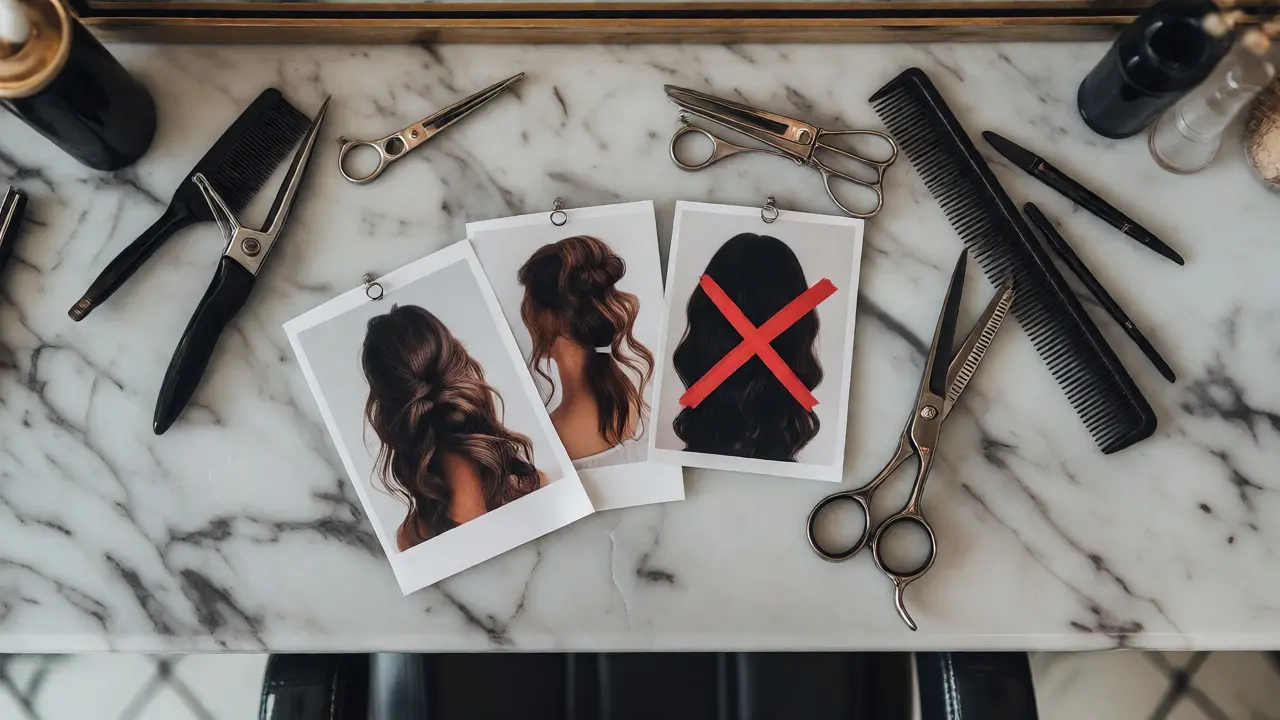
- Bring Visual References: Don’t rely on words. Show three photos: one ideal, one acceptable, and one absolute nope. This sets clear boundaries.
- Discuss Maintenance: Tell them how much time you spend styling. If you only have five minutes in the morning, ask for a wash-and-go cut. A complex layered cut requires effort you might not give.
- Ask for Dry Cuts: For curly or wavy hair, request a dry cut. Cutting curly hair wet hides the true shape until it dries. Seeing it dry ensures the shape is correct before they finish.
- Vocalize Anxiety: It’s okay to say, "I’m nervous about this length." A good stylist will reassure you or adjust. A bad one will ignore you, which tells you everything you need to know.
What To Do If You Hate Your Cut
So, you’re home, and you hate it. Do you march back in? Yes, but strategically. Go back within a week. Most salons offer free corrections for a set period. Approach it calmly. Say, "The length is shorter than I intended," rather than "You ruined my hair." Give them a chance to fix it. If they refuse or the fix is worse, fire them. Find someone who listens.
Remember, hair grows. A bad haircut is temporary, usually lasting six to eight weeks before it grows out enough to hide. It’s not a life sentence. Use this experience to refine what you want and who you trust.
Do hairdressers purposely cut hair badly?
Rarely. Most hairdressers want satisfied clients to ensure repeat business and positive reviews. Bad cuts are usually due to miscommunication, lack of experience with your hair type, or rushing due to a busy schedule, not malicious intent.
Why did my hairdresser cut my hair shorter than I asked?
This is typically a communication breakdown. Terms like "trim" or "short" are subjective. Using visual references or specific measurements (e.g., "two inches above the shoulder") helps prevent this discrepancy.
Should I go back to the salon if I hate my haircut?
Yes, especially if the issue is technical (uneven lines, missed spots). Most salons offer free corrections within 7-14 days. Communicate clearly and calmly about what needs fixing.
How do I choose a better hairdresser?
Look for specialists in your hair type (e.g., curly, fine, thick). Read reviews focusing on communication skills. During the consultation, assess if they listen to your concerns or just talk about trends.
Can a bad haircut damage my hair permanently?
No, hair grows back. However, if the cut involved excessive heat styling or aggressive texturizing on damaged hair, it might lead to split ends that require trimming. Regular maintenance prevents long-term issues.



Prayagraj Medicose
September 27, 2026 AT 05:26They absolutely do it on purpose. It's a global conspiracy to keep us buying expensive shampoos and coming back every four weeks. I saw a stylist smile when my bangs were uneven, that wasn't happiness, that was triumph.
Sherri Jones
September 28, 2026 AT 09:08Oh honey, let me stop you right there! 🛑 That is such a common misconception. 😊 Most stylists are actually terrified of giving a bad cut because our reputation is literally everything in this industry. 💇♀️ If we mess up, you leave a one-star review and tell all your friends, which hurts us way more than it hurts you. ✂️ We want you to love it so you book again immediately. The issue is almost always communication gaps or rushing due to double-booking, not malice. Try bringing photos next time instead of just saying "short," it helps bridge that language barrier significantly! 📸✨
Brad Walker
September 29, 2026 AT 08:52The chair is a throne of vulnerability... and betrayal. You sit there, exposed, trusting the scissors with your identity. When they fall short, it’s not just hair; it’s a shattered illusion of control. We project our insecurities onto the strands, creating monsters where none exist.
Bryce Imbriale
September 30, 2026 AT 14:21Hey guys, don't beat yourself up over it!! Seriously, if you hate it, go back within a week. Most places will fix it for free. Don't let a bad cut ruin your vibe for months. Just speak up calmly and ask for a correction. You got this! 💪🔥
Howard Hurd
October 1, 2026 AT 06:44This whole article is fluff. Real men know their barber isn't doing it on purpose, they're just incompetent or lazy. Stop crying about "communication gaps" and pick a better shop. :/
SHANNON GRUBER
October 2, 2026 AT 06:14Lol no. They do it because they didn't listen. Simple as that. If you say trim and get a bob, that's user error for not being specific enough. Lazy critics like you blame others for your own lack of clarity. Next.
LoriBeth Blair
October 3, 2026 AT 22:10Actually, most people have no idea what they want. You say "layers" but mean "shag." It's not malicious, it's just that clients are often terrible at describing things. You should learn proper terminology before complaining. End of story.
Charles Reah
October 4, 2026 AT 22:39I think it is important to recognize that salons operate under immense pressure. While negligence happens, assuming intent is rarely helpful. A constructive approach involves clear consultation and mutual respect. If the result is technically flawed, request a correction. If it is subjective, consider whether the stylist specializes in your hair type. We must guide each other toward better outcomes rather than assigning blame prematurely.
Manoj Kumar
October 5, 2026 AT 13:16One must consider the economic incentives at play here. It is plausible that some establishments prioritize volume over quality, leading to rushed services. However, attributing this to individual malice is an oversimplification. The system itself encourages speed, which degrades precision. Therefore, the fault lies partly with the business model, not solely the practitioner. One should evaluate the salon's culture before booking.
Sean Eagen
October 6, 2026 AT 19:04Dont blame them. Blame urself for picking cheap place.
Kieran Mitchell
October 7, 2026 AT 13:50It is!!! Absolutely!!! Unacceptable!!! To feel betrayed by someone holding scissors!!! The trust is broken!!! Forever!!! And ever!!! Amen!!!
Darlene Hopkins
October 8, 2026 AT 01:55I hear you. It really does feel personal when you're sitting in that chair.
Hemali Jaiswal
October 8, 2026 AT 18:26My dear friends, hair is merely dead protein, yet we treat it like our soul. Let us nurture our patience. If the cut is wrong, gently guide the artist back to your vision. Kindness yields better results than anger. Embrace the growth process, both literal and metaphorical. 🌿💕
william mcstay
October 10, 2026 AT 15:32Whatever. Just cut it American style. Short on sides, longer on top. No layers, no fuss. These fancy terms are for people who can't make up their minds. Stick to basics and save your money.