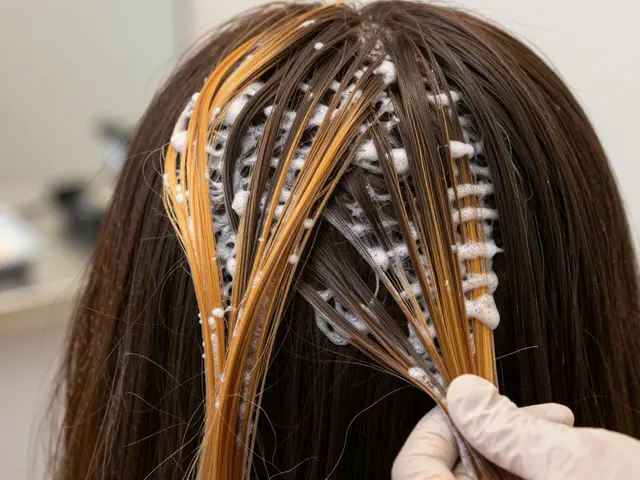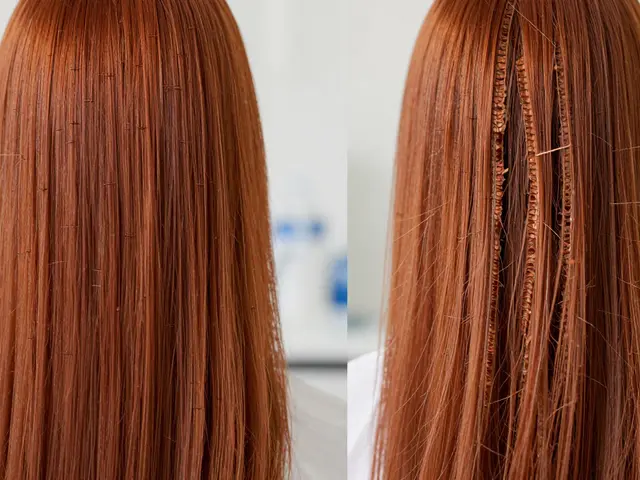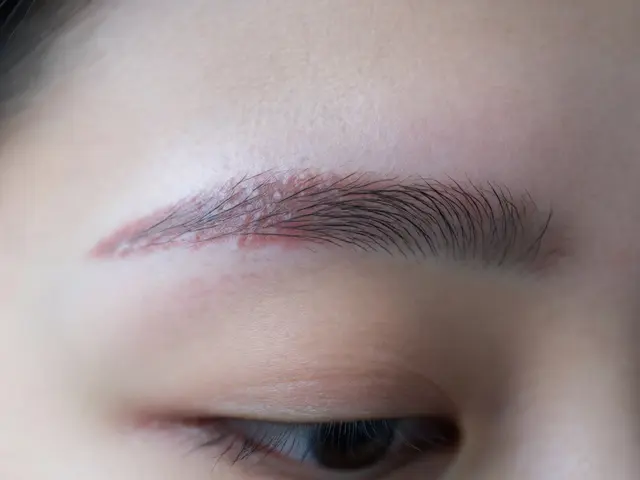
You notice it first when she looks in the mirror before school. A faint shadow of hair on her upper lip that wasn't there last month. Puberty brings changes fast, and for many girls around age 12, facial hair becomes a sudden source of self-consciousness. The question hits you both at once: Is it recommended for a 12-year-old girl to wax their upper lip?
The short answer is yes, but with big caveats. At twelve, skin is still developing, often sensitive, and sometimes reactive to hormonal shifts. You aren't just removing hair; you're managing delicate tissue during a volatile biological phase. This isn't about forcing beauty standards on a child. It's about giving her tools to feel confident without damaging her skin barrier. Let's break down exactly how to do this safely, what products work best, and when you should probably wait.
Understanding Pre-Teen Skin and Hair Growth
Before you buy any supplies, you need to understand why her skin reacts differently than yours. During puberty, increased levels of androgens stimulate hair follicles. This can cause vellus hair (the fine, peach-fuzz kind) to transform into terminal hair (darker, coarser strands). For a 12-year-old, this transition is often uneven.
Pre-teen skin is typically thinner and more permeable than adult skin. It produces less natural oil, making it prone to dryness and irritation. When you apply hot wax or adhesive strips, you are pulling against a barrier that hasn't fully matured. This increases the risk of post-inflammatory hyperpigmentation-those dark spots that linger after irritation-which can be harder to treat than the hair itself.
Furthermore, hormonal fluctuations can make hair growth unpredictable. Removing hair now might not stop it from coming back thicker-looking later due to hormonal surges. Patience is key. If the hair is very fine, consider whether it actually needs removal yet. Sometimes, waiting six months yields better results because the hair grows long enough to grip properly, reducing the number of passes needed.
Choosing the Right Method: Strips vs. Hard Wax
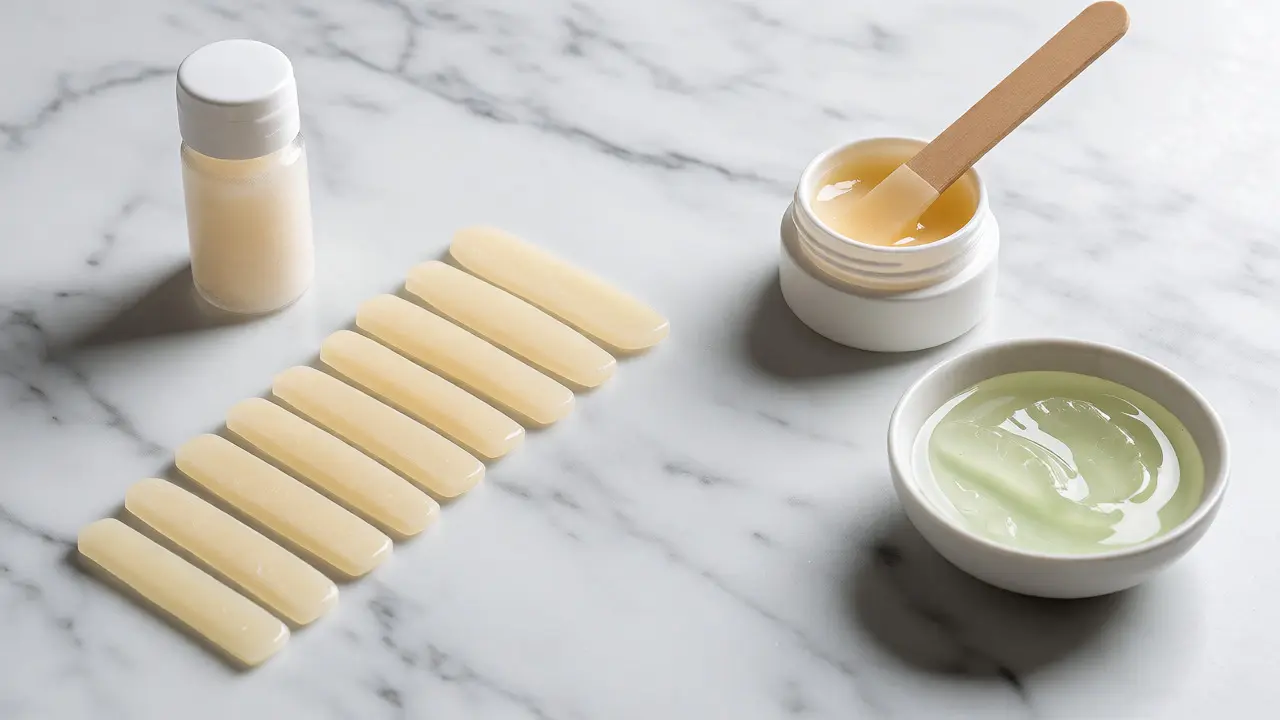
Not all wax is created equal. For a beginner, especially a young teen, the method matters as much as the product. Most parents start with eyebrow wax strips, which are convenient, mess-free, and widely available. These are cold wax preparations where the adhesive is already on paper or cloth backing.
However, hard wax (also known as Brazilian wax or non-strip wax) is often superior for facial areas. Here’s why: hard wax shrinks as it cools and grips only the hair, not the skin. Strip wax adheres to both the hair and the top layer of skin. Pulling strip wax off a sensitive upper lip can cause micro-tears, redness, and bruising if done incorrectly.
| Feature | Cold Wax Strips | Hard Wax (Stripless) | Tweezing |
|---|---|---|---|
| Suitability for Sensitive Skin | Low to Medium | High | Medium |
| Pain Level | Sharp, quick sting | Milder pull sensation | Pinching sensation |
| Risk of Bruising | Higher | Lower | Very Low |
| Cost per Session | $5-$10 (DIY) | $15-$30 (Professional) or $20 (Kit) | Negligible |
| Best For | Quick touch-ups, coarse hair | Fine hair, sensitive areas, beginners | Stray hairs, maintenance |
If you decide to go DIY, look for kits specifically labeled for "sensitive skin" or "face." Avoid large body wax pots designed for legs or arms; they are often too harsh for facial capillaries. Professional estheticians usually prefer hard wax for lips because it allows them to control the temperature and application thickness precisely.
Step-by-Step Guide to Safe Home Waxing
If your daughter insists on trying it at home, preparation prevents disaster. Do not rush this process. Set aside twenty minutes where you won't be interrupted.
- Cleanse and Dry: Wash the face with a gentle cleanser to remove oils and makeup. Ensure the area is completely dry. Moisture prevents wax from adhering properly, leading to repeated pulls.
- Powder Application: Dust a tiny amount of translucent powder on the upper lip. This absorbs residual moisture and protects the skin surface. This step is non-negotiable for teens.
- Test Patch: Apply a small amount of wax to the inner wrist or behind the ear 24 hours prior. Check for allergic reactions or excessive redness.
- Application: If using strips, warm them between palms. Apply in the direction of hair growth. Press firmly but gently. If using hard wax, test the temperature on your own wrist first-it should be warm, not hot.
- The Pull: Hold the skin taut with one hand. With the other, pull the strip parallel to the skin, close to the base, in the opposite direction of hair growth. Never pull upward away from the face; this stretches the skin and causes bruising.
- Soothing: Immediately apply a cool compress or an aloe vera gel without alcohol. Alcohol-based toners will sting and dry out the fresh pores.
Watch her reaction closely. Pain tolerance varies wildly. Some 12-year-olds handle it like pros; others cry. That's normal. Validate her feelings rather than dismissing them. "That stings, I know," works better than "It's not that bad."
When to Say No: Contraindications and Risks
There are specific scenarios where waxing is a bad idea for a 12-year-old. Ignoring these can lead to weeks of discomfort or scarring.
- Active Acne: If she has pimples on or near the upper lip, do not wax over them. Waxing exfoliates the top layer of skin. Pulling wax over a pimple rips off the healing skin, causing bleeding, infection risk, and potential scarring. Wait until the breakout clears.
- Medications: Certain medications thin the skin. Oral isotretinoin (Accutane), used for severe acne, makes skin extremely fragile. Dermatologists generally recommend waiting six months after stopping Accutane before waxing. Topical retinoids (like tretinoin or adapalene) also increase sensitivity. If she uses prescription acne cream, consult her doctor first.
- Moles and Warts: Never wax over moles, warts, or raised skin tags. You risk tearing them off, which requires medical attention.
- Recent Sun Exposure: If she spent time at the beach or pool recently, her skin may be sun-damaged. Waxing sunburned or peeling skin will rip the epidermis off.
Also, consider her emotional readiness. If she is waxing solely because a peer said she "has a mustache," talk to her about body neutrality. Hair is normal. Removal is a choice, not a hygiene requirement. Ensure she understands that regrowth happens in 2-4 weeks, so it's a recurring commitment, not a one-time fix.
Aftercare: Protecting Young Skin
The job isn't done when the hair comes off. Post-wax care is critical for preventing ingrown hairs and pigmentation.
Avoid heat and friction for 24 hours. No hot showers, saunas, or intense sports immediately after waxing. Sweat contains bacteria that can infect open follicles. Keep hands off the face. Touching the area introduces dirt and oils.
Exfoliation helps prevent ingrowns, but timing is everything. Do not scrub the area for the first 48 hours. After that, use a soft washcloth or a mild chemical exfoliant (like lactic acid) twice a week. Physical scrubs with walnut shells or apricot pits are too abrasive for teen skin and can cause micro-tears.
Moisturize daily. Use a fragrance-free lotion. Fragrances are common allergens and can irritate freshly waxed skin. Sunscreen is mandatory. Newly exposed skin is highly susceptible to UV damage, which leads to dark spots. Apply SPF 30+ every morning, even in winter.
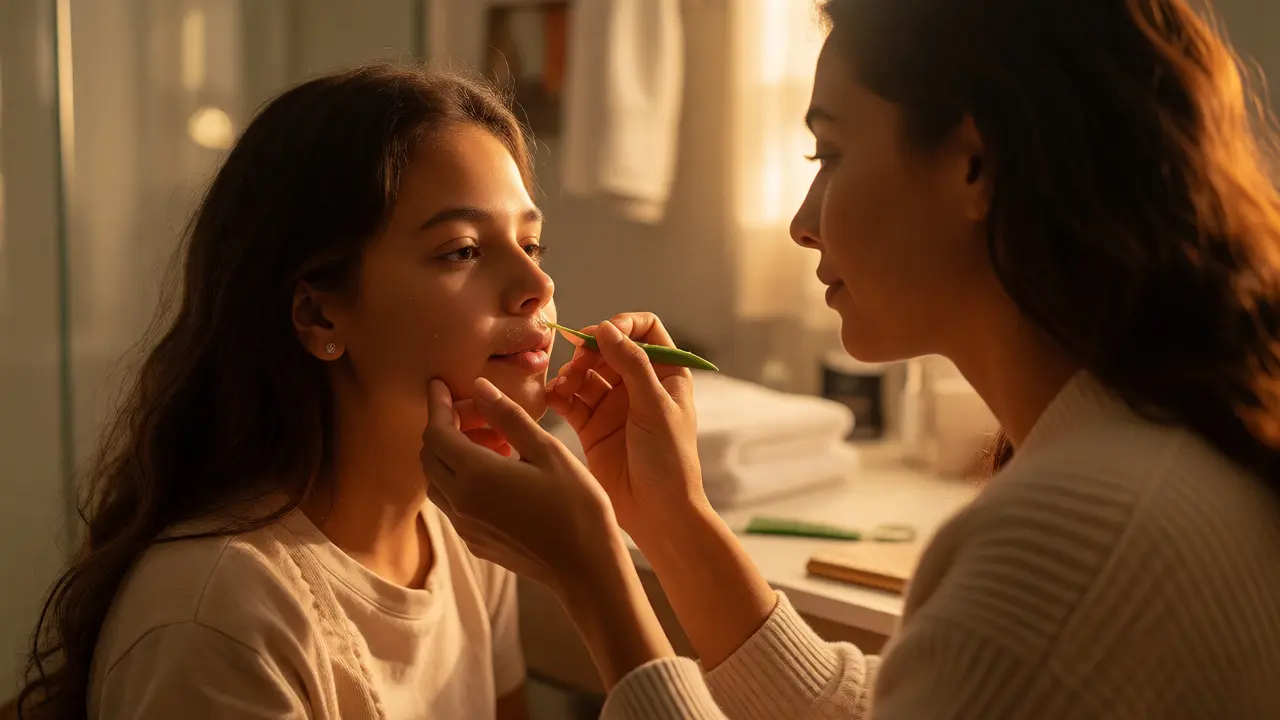
Alternatives to Waxing for Tweens
If waxing seems too painful or risky, consider gentler options. Threading is a popular alternative. It uses cotton thread to twist and pull hair out by the root. Many teens find threading less painful than waxing because it doesn't adhere to the skin. Look for a reputable salon that sanitizes threads and tools visibly.
Tweezing is another option. It takes longer and is tedious for larger areas, but it offers precision. For sparse hair, tweezing might be sufficient. Just ensure she uses high-quality tweezers with slanted tips to avoid breaking the hair, which leads to ingrowns.
Depilatory creams (like Nair or Veet) dissolve hair chemically. However, they smell strong and can cause chemical burns on sensitive facial skin. Always do a patch test. For many 12-year-olds, the risk of irritation outweighs the convenience.
Shaving is controversial. Myth says it makes hair grow back thicker; science says it creates a blunt tip that feels stubbly. Shaving is painless and cheap, but the stubble feeling bothers some people. If she shaves, use a clean, sharp razor and shaving gel. Never dry shave.
Building Confidence Through Choice
Ultimately, the decision rests on comfort, not pressure. If your daughter wants to wax, support her with safe practices and quality products. If she prefers to leave it alone, respect that too. Body hair is natural. Helping her navigate these choices teaches her autonomy and self-care skills that last a lifetime.
Start small. Maybe try threading first to gauge her pain tolerance. Or practice on the eyebrows before tackling the upper lip. Communication is your best tool. Ask her how it feels. Adjust based on her feedback. With patience and the right approach, hair removal can become a routine part of her grooming regimen without drama or damage.
Does waxing make hair grow back thicker?
No, waxing does not change the texture or color of hair. However, because waxing removes hair from the root, the new growth starts with a soft, tapered tip rather than the blunt edge left by shaving. Over time, repeated waxing can damage the follicle, potentially leading to finer regrowth, but it never makes hair thicker or darker.
How often should a 12-year-old wax her upper lip?
Typically every 2 to 4 weeks, depending on her individual hair growth cycle. Hormonal changes during puberty can accelerate growth, so she may need to wax more frequently initially. Wait until the hair is at least 1/4 inch long before re-waxing to ensure the wax can grip it effectively.
Can I use regular leg wax strips on my daughter's face?
It is not recommended. Leg wax strips are formulated for tougher skin on limbs and often have stronger adhesives. Facial skin is thinner and more sensitive. Using leg strips on the upper lip increases the risk of bruising, redness, and skin lifting. Always use strips specifically labeled for facial use.
What should I do if my daughter gets a burn from wax?
Cool the area immediately under cold running water for 10-15 minutes. Do not apply ice directly to the skin. Once cooled, apply a soothing agent like aloe vera gel or a hydrocortisone cream if there is significant inflammation. Avoid picking at any blisters. If the burn appears deep or blistered extensively, seek medical advice.
Is it okay to wax while taking Accutane?
Generally, no. Accutane (isotretinoin) thins the outer layer of the skin significantly. Waxing can tear the skin, leading to raw patches and slow healing. Most dermatologists advise avoiding waxing, dermabrasion, and laser treatments during treatment and for at least six months after finishing the course.