

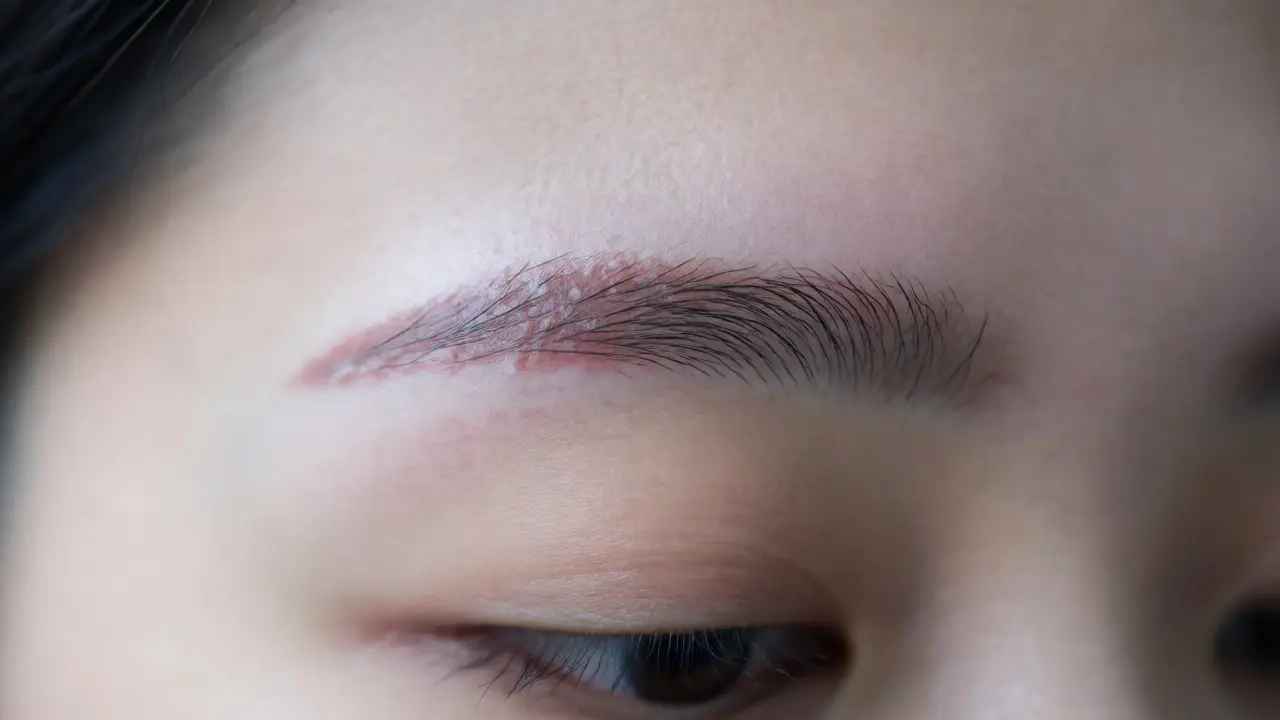
You just walked out of the salon or finished your at-home session, feeling smooth and polished. But an hour later, you catch a glimpse in the mirror and panic. Red dots? Tiny whiteheads? Maybe even a patch of angry, raw skin where your brow arch used to be? If you constantly get post-wax bumps, you aren't alone. It’s one of the most common complaints from people who love the results but hate the reaction.
The culprit is usually twofold: either mechanical irritation causing inflammation (folliculitis) or actual thermal damage if the wax was too hot. Dealing with this requires a shift in routine, not just a quick cover-up. Here is how to calm the chaos, prevent future breakouts, and save your eyebrows from permanent scarring.
Identify What You’re Actually Seeing
Not all redness is created equal. Before you slap on cream, you need to know what you are treating. Are those little raised spots actually pimples, or is it histamine reacting to trauma?
- Folliculitis: These look like small white-headed pimples around the hair follicle. They happen when bacteria enter the open pore immediately after waxing. This is an infection issue, not necessarily an allergy.
- Histamine Reaction: Immediate redness and swelling that fades within 24 hours. Your body is releasing histamines because it thinks the hair removal is an attack. This looks scary but heals fast.
- Ingrown Hairs: These appear days or weeks later. The hair grows back sideways or curls under the skin, creating a hard, painful bump. This is a structural skin issue, often caused by dead skin blocking the exit.
- Wax Burn: This is distinct. If the area feels hot, looks blistered, or peels like a sunburn, you have thermal damage. This requires different care than simple bumps.
Immediate First Aid for Fresh Irritation
If you just waxed and see redness or feel heat, stop touching your face. Seriously. Every time you touch the area, you transfer bacteria from your fingers into pores that are wide open. Instead, cool it down.
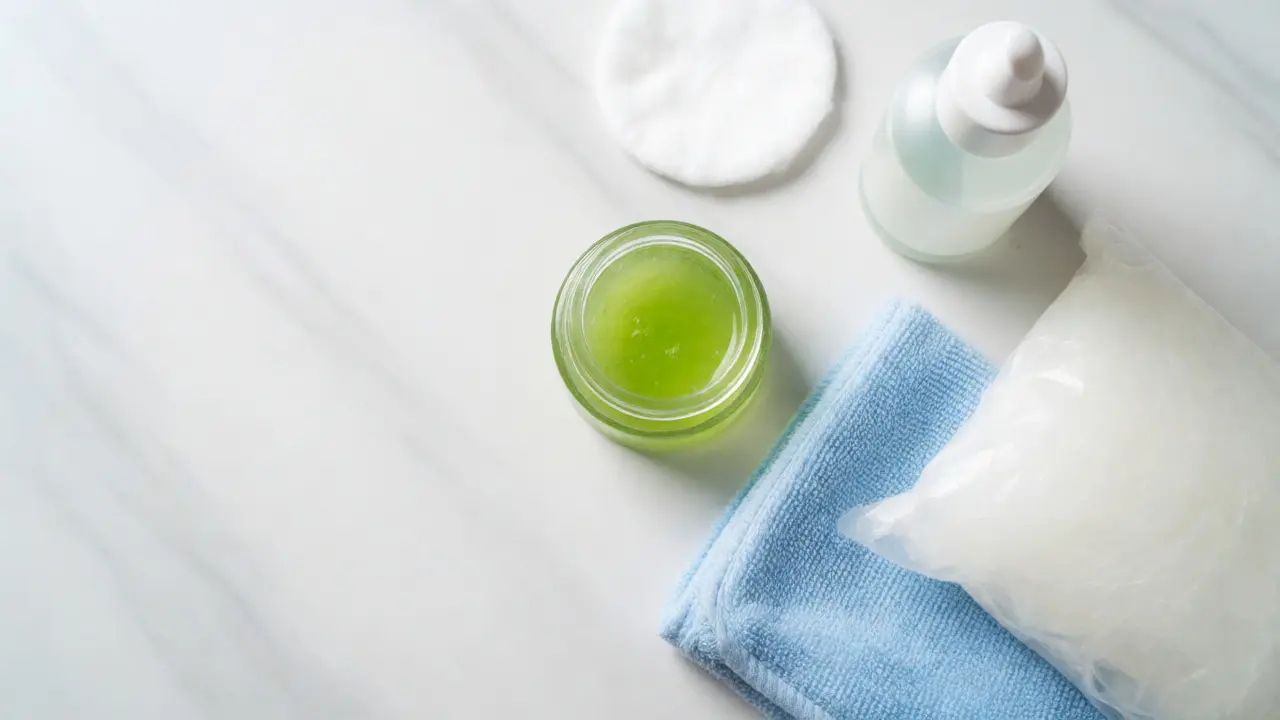
Use a cold compress. Wrap an ice pack in a clean cloth and hold it against the brow area for ten minutes. This constricts blood vessels, reducing the redness and stopping the histamine rush. Avoid alcohol-based toners or heavy makeup for at least 24 hours. Alcohol stings damaged skin and can cause further drying, which makes bumps worse.
For immediate soothing, apply a thin layer of pure aloe vera gel. Look for products with no added fragrance or alcohol. Aloe contains compounds like aloin that reduce inflammation naturally. If you don’t have aloe, a hydrocortisone cream (1%) can help calm severe redness, but use it sparingly and only for a day or two. Long-term use on the face can thin the skin.
Tackling Ingrown Hairs Without Scratching Them Away
Once the initial acute phase passes (usually after 48 hours), the real battle begins: preventing ingrowns. This is where most people go wrong by scrubbing too hard, too soon.
Wait until your skin is no longer sensitive to touch before exfoliating. For the first two days, keep the area clean with a gentle, non-foaming cleanser. After day three, introduce chemical exfoliants rather than physical scrubs. Physical scrubs (like sugar or salt granules) are too harsh for delicate facial skin and can tear micro-abrasions into healing tissue.
Salicylic acid is your best friend here. It is oil-soluble, meaning it penetrates deep into the pore to dissolve the gunk trapping the hair. Use a 2% salicylic acid solution on a cotton pad once a day, starting four days post-wax. Glycolic acid works too, but it is water-soluble and sits more on the surface. If you have sensitive skin, stick to salicylic. If you have oily skin prone to clogging, glycolic might work better.
| Method | Best For | Risk Level | When to Start |
|---|---|---|---|
| Salicylic Acid (BHA) | Oily skin, active acne, deep ingrowns | Low-Medium | Day 3-4 |
| Glycolic Acid (AHA) | Dull skin, surface-level congestion | Medium | Day 4-5 |
| Physical Scrub | Body waxing (legs, arms) | High (for face) | Day 7+ |
| Manual Extraction | Visible looped hairs only | Very High | Never on inflamed skin |
Preventing the Next Round of Bumps
If you get bumps every single time, your prep routine needs tweaking. Waxing removes hair from the root, leaving the follicle open. If that follicle is already clogged with dead skin or oil, bacteria will move in immediately.
Start exfoliating your eyebrows three days before your appointment. Not the day of, and not the night before. Doing it too close to the appointment leaves the skin raw and more prone to lifting during the wax pull. Gentle daily exfoliation beforehand ensures there is less debris for the wax to grab onto.
Also, check your wax temperature. If you do home waxing, test the wax on the inside of your wrist before applying it to your brows. The skin on your face is much thinner than on your legs. What feels warm on your arm might be scalding on your forehead. If you go to a salon, ask them to test the wax on their own hand first. A reputable esthetician won’t mind.
Dealing with Eyebrow Wax Burns Specifically
Sometimes, it isn’t just bumps. Sometimes, the wax is too hot, or the strip is pulled incorrectly, taking off a layer of epidermis along with the hair. This is an eyebrow wax burn. Unlike bumps, burns require wound-care principles, not acne-care principles.
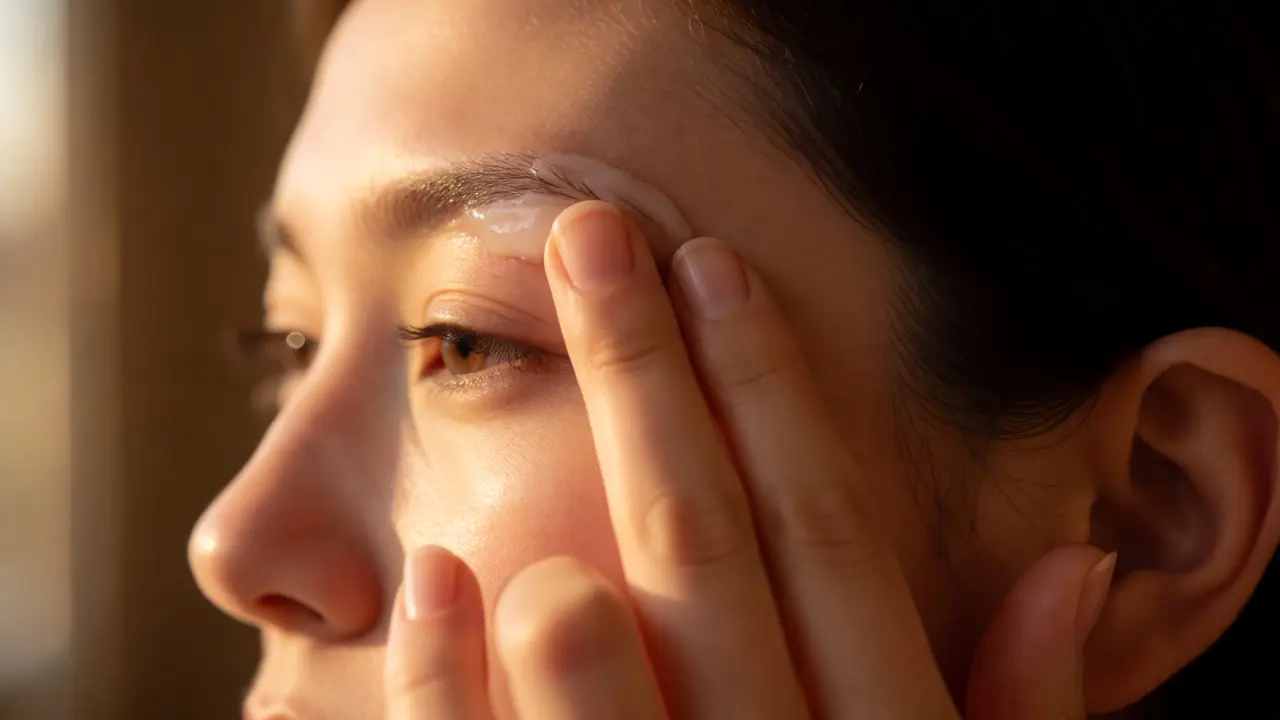
If you notice blisters or raw pink skin, treat it like a minor burn. Keep the area moist. Dry wounds heal slower and scar more easily. Apply a barrier ointment like petroleum jelly (Vaseline) or a healing balm containing panthenol (Vitamin B5). Do not pick at any scabs that form. Picking leads to hyperpigmentation, especially in darker skin tones, which can take months to fade.
Avoid retinoids (Retinol, Tretinoin) and strong acids on burned skin until it is fully healed. Using these actives on compromised skin will sting intensely and delay recovery. Sun protection is critical here. New skin has no defense against UV rays. Wear a hat or apply mineral sunscreen (zinc oxide based) if you must go outside. Chemical sunscreens might sting broken skin.
When to See a Professional
Most bumps clear up in a week with proper care. However, watch for signs of deeper infection. If the redness spreads beyond the waxed area, becomes hot to the touch, or oozes yellow pus, you might have developed cellulitis or a staph infection. This requires antibiotic treatment.
Also, consider if you are allergic to the wax itself. Rosin (colophony) is a common ingredient in many waxes and is a known allergen. If you consistently develop hives or intense itching alongside bumps, switch to resin-free wax options. Many modern hard waxes are formulated without rosin specifically for sensitive faces.
How long do post-wax bumps last?
Typically, mild redness and small bumps subside within 24 to 48 hours. If they persist beyond three days, it may indicate an ingrown hair forming or a mild bacterial infection. Persistent bumps that turn into hard nodules can take weeks to resolve and may require professional extraction or topical antibiotics.
Can I wear makeup over post-wax bumps?
It is best to avoid makeup for at least 24 hours after waxing. Applying foundation or concealer over freshly waxed skin traps bacteria and oils in open pores, which significantly increases the risk of breakouts. If you must wear makeup, use clean brushes and non-comedogenic products, and remove it gently without rubbing.
Why do I get bumps only on my eyebrows and not my legs?
Facial skin, particularly around the eyebrows, is thinner and more vascular than leg skin. It also has a higher density of sebaceous glands, making it more prone to oil buildup and bacterial growth. Additionally, the curvature of the brow bone makes consistent wax application and removal trickier, leading to uneven pulls that irritate the skin more severely.
Is tea tree oil good for post-wax bumps?
Tea tree oil has antibacterial properties that can help fight folliculitis, but it must be diluted. Undiluted tea tree oil can cause contact dermatitis and burn the skin, worsening the irritation. Mix one drop of tea tree oil with a carrier oil like jojoba or coconut oil, or use a pre-formulated spot treatment containing tea tree extract.
What should I avoid after waxing my eyebrows?
Avoid sun exposure, swimming pools (chlorine irritates open pores), saunas, steam rooms, and heavy sweating from exercise for 24-48 hours. Also, skip tight hats or headbands that rub against the brow area. Do not use exfoliating acids or retinoids on the treated area for at least 3-5 days to allow the skin barrier to repair itself.


Deb Kortyna, MBA
August 30, 2026 AT 13:32I am absolutely appalled by the lack of emphasis on professional hygiene standards in this discussion. It is not merely about 'bumps'; it is about respecting one's own physiology and demanding that estheticians adhere to strict sanitation protocols. If a technician does not sanitize their hands or use disposable applicators, they are essentially inviting bacterial colonization into your freshly opened follicles. We must hold these establishments accountable for our skin health.
alex kobri
September 1, 2026 AT 08:55the body is weird man
i used to think waxing was just pain but its actually like a controlled trauma response. histamine release is basically your immune system screaming at you for no reason. i stopped using alcohol toners years ago after reading about how it disrupts the acid mantle. now i just use cold water and let the skin do its thing. less interference more healing. its philosophical really. you cant force biology to cooperate with harsh chemicals.
Zach Loescher
September 3, 2026 AT 02:24This is solid advice. I've always wondered if the type of wax matters as much as the technique. The mention of rosin allergies is something I hadn't considered before. I usually just assume any reaction is due to my sensitive skin, but maybe switching to resin-free hard wax could be the solution. It seems like trial and error is the only way to find what works for individual biology.
Quintin Franzese
September 4, 2026 AT 22:01Oh wow, thanks for reminding me that touching my face is basically signing a contract with bacteria. I'm guilty of poking at those whiteheads immediately. Also, the idea that 'physical scrubs' tear micro-abrasions is hilarious because my scrub brand literally sells itself on 'gentle exfoliation.' Guess I'll stick to the salicylic acid stuff. At least until I run out of patience.
Susan Cole
September 5, 2026 AT 22:45I appreciate the distinction between burns and bumps. It helps reduce the anxiety when looking in the mirror post-wax. Knowing that immediate redness is often just histamine makes it easier to wait it out rather than panicking and applying random creams. I will definitely try the cold compress method next time instead of reaching for concealer right away.
Tamara Miller
September 6, 2026 AT 02:36Frankly, if you're getting bumps every single time, the problem isn't the wax-it's your preparation.!! You people treat skincare like an afterthought.!! Exfoliating three days prior is basic maintenance, not some secret hack.!! And please, stop picking at scabs.!! Hyperpigmentation takes months to fade, so act like an adult and leave your face alone.!!
Savara Gunn
September 7, 2026 AT 01:36Hey everyone, hope this helps! Just wanted to add that consistency is key here. Don't stress too much if you get a few bumps occasionally; it happens. But sticking to a gentle routine with SPF and proper hydration really does make a difference over time. Be kind to your skin, it's been through a lot today!
Chris Neal
September 8, 2026 AT 08:04Actually, the article glosses over the importance of hair length. Wax needs to be at least 1/4 inch long to grip properly. If it's shorter, the wax pulls on the skin rather than the root, causing more trauma and subsequent inflammation. Most people go in too early, which guarantees ingrowns because the follicle is damaged but not fully cleared. Timing is everything in dermal procedures.
Vishnu Vardhan Reddy M S
September 8, 2026 AT 20:20Haha, Deb, you sound like my grandmother yelling at me to wash my hands! But seriously, Vishnu here. I totally agree with Chris about the hair length. In India, we have traditional sugaring methods that require even longer hair, but the principle remains: don't rush the process. Also, turmeric paste is an old-school remedy for those burns that works wonders better than Vaseline sometimes. Try it if you can stomach the yellow stain!