


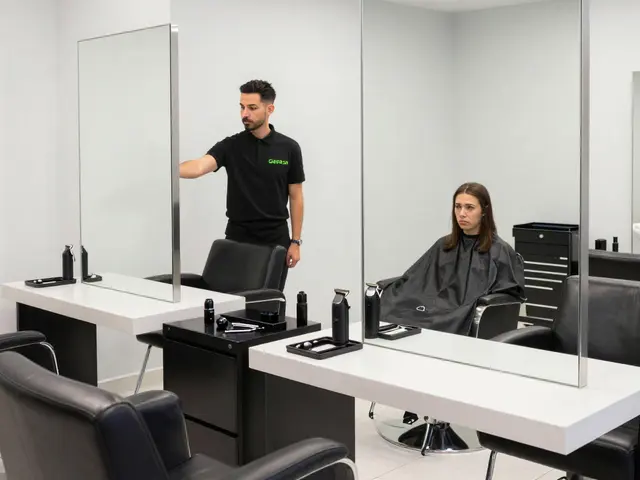
It’s 2:00 PM on a Tuesday. You’re sitting in the chair, watching your stylist take one last pass with the scissors. You smile politely because you think it looks fine. Then you stand up, look in the mirror, and feel your throat tighten. The tears start before you even pay. If this sounds familiar, you aren’t alone. Haircut regret is surprisingly common, affecting an estimated 40% of women who report feeling dissatisfied with their most recent salon visit. But why does a few inches of keratin trigger such a visceral, crying-in-the-parking-lot reaction?
The Psychology Behind the Tears
You might think you’re being dramatic, but science says otherwise. Hair isn’t just dead cells; it’s deeply tied to our identity. For many people, especially women, long hair has been a part of who they are since childhood. Cutting it short can feel like losing a piece of yourself. This phenomenon is often linked to Body Dysmorphia, which is a mental health condition where a person spends a lot of time worrying about flaws in their appearance that are often unnoticeable to others. When the result doesn’t match the vision in your head, your brain interprets the change as a threat to your self-image.
There’s also the element of control. You handed over your autonomy to another person for an hour. If the communication was off-even by a fraction-the loss of control triggers anxiety. Have you ever noticed how you don’t cry when *you* trim your own bangs, even if they’re uneven? That’s because you controlled the outcome. A professional cut removes that safety net, leaving you vulnerable to surprise.
Why Communication Breaks Down
Most bad haircuts aren’t caused by incompetence; they’re caused by translation errors. You say "short," but your stylist hears "chin-length." You say "layers," but they interpret it as "heavy graduation." The vocabulary of hairdressing is nuanced, and what looks good on a celebrity in a magazine might not work with your specific hair density or face shape.
Consultation failures are the primary culprit here. A proper consultation involves assessing hair texture, growth patterns, and lifestyle compatibility before the first snip. Many stylists rush this phase. They rely on visual cues rather than verbal confirmation. If you have thick, wavy hair and ask for a "shag," you need to discuss how much weight will be removed. If you don’t, you’ll end up with a triangle shape that makes you want to hide under a hat for three months.
| Your Request | Stylist’s Likely Interpretation | Potential Outcome |
|---|---|---|
| "Just a trim" | Cut 1-2 inches to remove split ends | Often results in losing more length than expected due to uneven ends |
| "Face-framing layers" | Short pieces starting at cheekbone | Can make round faces appear wider if not blended correctly |
| "Bangs" | Straight across brow line | May curl upward in humidity if not texturized properly |
| "Keep my color natural" | Match current root shade | Can look brassy if previous dye jobs weren't accounted for |

Immediate Fixes for a Bad Cut
So, you’ve cried. Now what? Don’t panic-buy a wig. There are non-committal ways to salvage the situation while you wait for it to grow out. The key is styling, not cutting. More cutting usually leads to more regret.
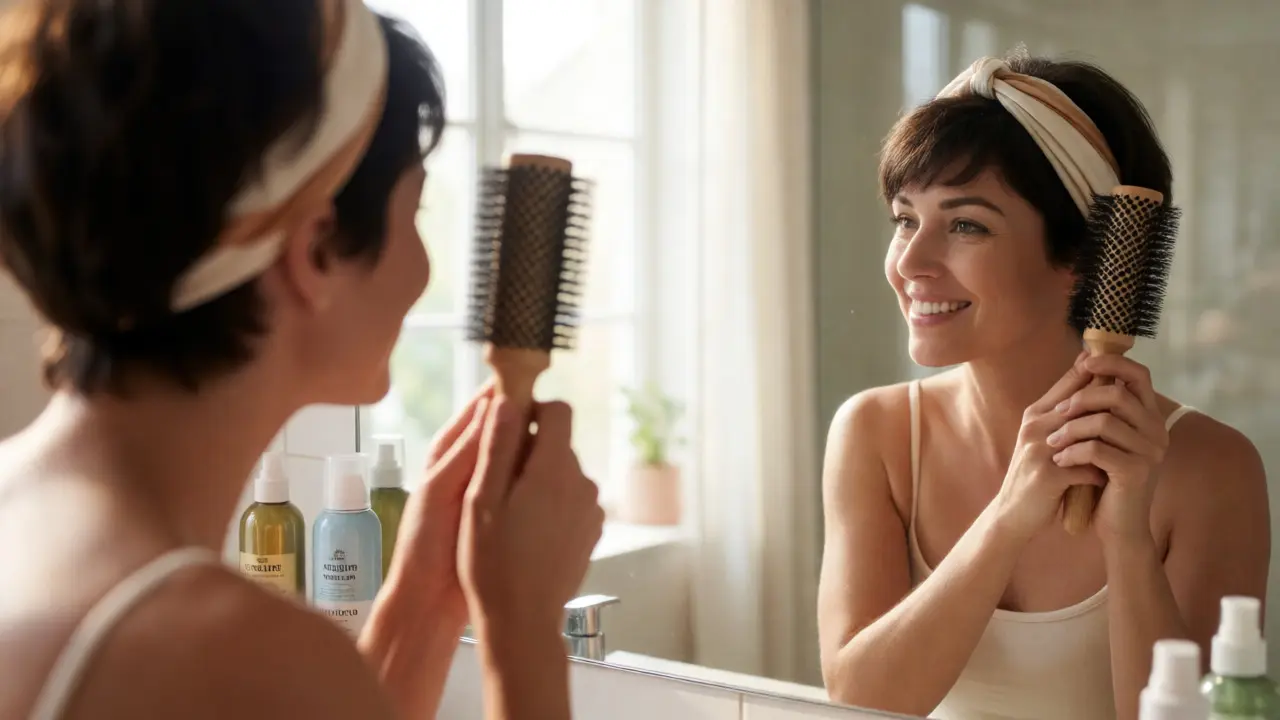
First, assess the damage. Is it too short? Too bulky? Too uneven? If it’s too short, accessories become your best friend. Headbands, scarves, and beanies can blend the transition zone between old and new hair lengths. If it’s too bulky, try using a texturizing spray. These products add grit and separation, helping heavy cuts look intentional rather than blocky.
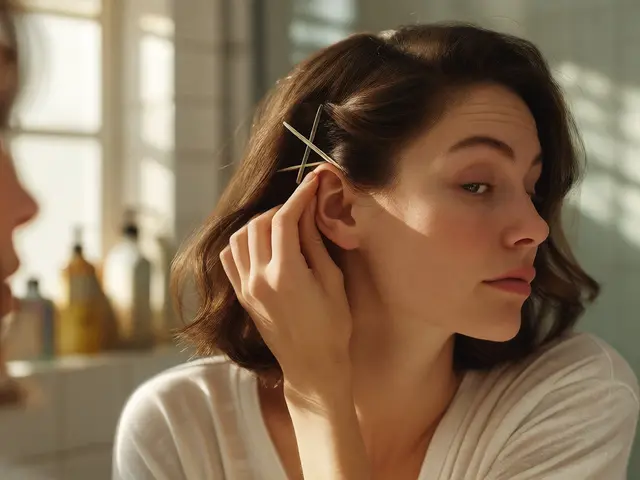
For uneven layers, learn a simple blow-dry technique. Use a round brush to direct hair away from the face. This creates volume and softness, distracting from harsh lines. If the fringe (bangs) is too short, don’t fight it. Pin it back with decorative clips or tuck it behind your ears. Fighting gravity with a too-short fringe only emphasizes the error.
How to Prevent Next Time
You don’t have to give up on salons. You just need to change how you engage with them. Start by finding a stylist who listens. Look for reviews that mention "consultation" positively. Before booking, send photos. Not just one, but five. Show angles. Say explicitly, "I want to keep this much length." Be precise. Vague requests lead to vague results.
Consider the "test drive." Ask for a smaller change first. If you want a big chop, do a mid-length bob first. See how you handle the maintenance and the style. If you hate it, you’ve only lost a few inches. If you love it, you’re ready for the next step. This incremental approach reduces the emotional stakes of each visit.
Also, manage your expectations regarding growth. Hair grows about half an inch per month. A drastic cut takes 6-12 months to fully recover. Knowing this timeline helps you plan for awkward phases. Buy a good quality dry shampoo and hats now, so you’re prepared, not surprised.
When to Seek Professional Help
If your distress lasts longer than a week, or if you find yourself avoiding mirrors entirely, it might be worth digging deeper. Sometimes, a haircut is just the trigger for larger issues around body image or life changes. Did you recently go through a breakup, job loss, or major move? We often use hair changes to signal internal shifts. If the external change feels wrong, it might be because the internal change wasn’t processed yet.
In these cases, talking to a therapist who specializes in body image can help. They can provide tools to rebuild your relationship with your reflection. Remember, hair grows back. Your confidence is more durable than your follicles.
Is it normal to cry after a haircut?
Yes, it is completely normal. Hair is strongly linked to personal identity and self-esteem. A sudden change can trigger feelings of vulnerability, loss of control, or grief for the former version of oneself. Studies suggest that significant hair changes can temporarily impact mood and self-perception.
How long does it take to get used to a new haircut?
Most people adjust within two weeks. The initial shock wears off as you learn to style the new shape. However, if you still dislike it after a month, consider returning to your stylist for minor adjustments or exploring different styling techniques.
What should I do if my stylist cut my hair too short?
Stay calm. Do not let them cut more immediately. Try styling it differently first-use accessories, change the part, or add volume. If it’s truly unfixable, accept the growth period. Most styles grow into something wearable within 3-4 months.
Can stress cause me to dislike my haircut?
Absolutely. High stress levels lower tolerance for unexpected changes. If you are already overwhelmed, a bad haircut can feel catastrophic. Recognize that your reaction may be amplified by external pressures rather than the cut itself.
Should I tip if I hate my haircut?
Standard etiquette suggests tipping based on service effort, not just satisfaction. If the stylist worked hard but misinterpreted your request, a reduced tip (15%) is acceptable. If they were rude or careless, you can withhold the tip. Communicate your dissatisfaction politely but firmly.
Brannen Hall
September 8, 2026 AT 01:11Actually, the article is oversimplifying the neurology here. It's not just "identity," it's a disruption of proprioceptive feedback loops that takes weeks to recalibrate. Most people don't cry because they're sad; they cry because their brain is throwing an error code. Also, 40% seems low if you account for men who just go silent and buy a beanie.
Mark Harvey
September 9, 2026 AT 12:27Love this reminder that hair grows back! 🌱 We get so caught up in the moment but honestly most bad cuts look great after two months. You got this!
Bonnie Watt
September 10, 2026 AT 16:01I hate how everyone treats this like a tragedy. If you can't handle a stylist messing up your hair maybe you need to grow a thicker skin. It's dead cells stop acting like you lost a limb. I cut my own hair last week and it looks fine deal with it.
Sabrina Newland
September 10, 2026 AT 20:07Wait does anyone else feel like it’s actually about control? Like when we’re stressed everything feels out of whack and the haircut is just the straw 😭🥺 I always tell myself it’s temporary but yeah the mirror shock is real 💀
Brenna Gonedrman
September 12, 2026 AT 06:58OMG YES. The parking lot tears are REAL. I literally sobbed in my car last Tuesday because he took off too much length. It felt like he stole my soul. I was a mess for three days until I realized it wasn't that bad. But in the moment? Absolute devastation. 😩💔
alex kobri
September 12, 2026 AT 20:52it’s weird how we attach so much value to something that changes every few months i think it’s more about the ritual than the result though handing over that trust is scary especially if you’ve been burned before
Art HND
September 14, 2026 AT 12:19Bad stylists exist Stop going to them Simple.
Kim Edwards
September 15, 2026 AT 02:22I once cried so hard in the salon that the stylist offered me a tissue and then tried to fix it by cutting MORE. More!! I looked like a mushroom for six months. I had to wear hats to work. Hats! In July! It was a nightmare scenario straight out of a horror movie where the monster is a pair of scissors.
Courtney Wagstaff
September 16, 2026 AT 23:55The tip section is spot on! I always feel guilty tipping less but honestly if they didn't listen to my specific request about keeping the layers long it's on them. I usually leave 15% and just say thanks. No drama needed. Also headbands are life savers during the awkward phase 🎀✨
Joanna Mucha
September 18, 2026 AT 04:33To reduce oneself to tears over mere keratin strands is a testament to our fragile ego structures. We project our entire narrative onto these physical manifestations. When the mirror reflects something other than our idealized self, we experience a form of existential dissonance. It is not merely vanity; it is a crisis of being. One must learn to detach from the ephemeral nature of beauty to find true peace.
Amara Akbar
September 18, 2026 AT 14:53Dear community, please remember that self-compassion is key during these transitions. It is perfectly acceptable to grieve a change in appearance while simultaneously recognizing its temporary nature. Let us support one another through these vulnerable moments with kindness and understanding. You are worthy regardless of your hairstyle. 🌟
Deb Kortyna, MBA
September 19, 2026 AT 00:21I found this analysis somewhat lacking in professional rigor. While emotional responses are valid, the advice regarding 'test drives' is inefficient for those of us with busy schedules. Furthermore, the assertion that body dysmorphia is linked to all haircut regret is a generalization. Many individuals simply have poor communication skills or unrealistic expectations based on edited photographs. Professional consultation should mitigate this entirely.
Quintin Franzese
September 19, 2026 AT 05:43Oh wow, crying in a parking lot because someone shortened your bangs? Groundbreaking. Next you'll tell me water is wet. Maybe try picking a better stylist instead of treating every mistake like a personal betrayal by the universe. Or just accept that hair grows back, which is apparently news to some people.
Elizabeth Brooks
September 19, 2026 AT 11:59This is super helpful! I always forget to send photos beforehand. I usually just say "do what you do best" which is terrible. Sending pics definitely helps align vision. Also learned that texturizing spray is better than just cutting more bulk. Thanks for sharing!
Zach Loescher
September 20, 2026 AT 09:21I've never really experienced this personally since I keep mine very short, but I can see how it would be distressing for others. It seems like a common human reaction to unexpected changes in routine or appearance. Interesting read.