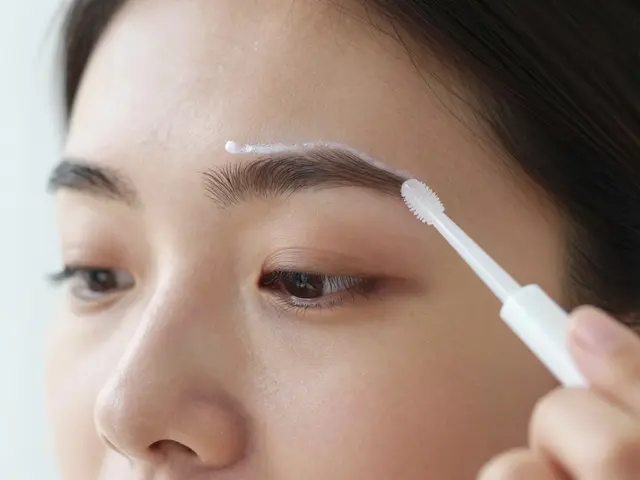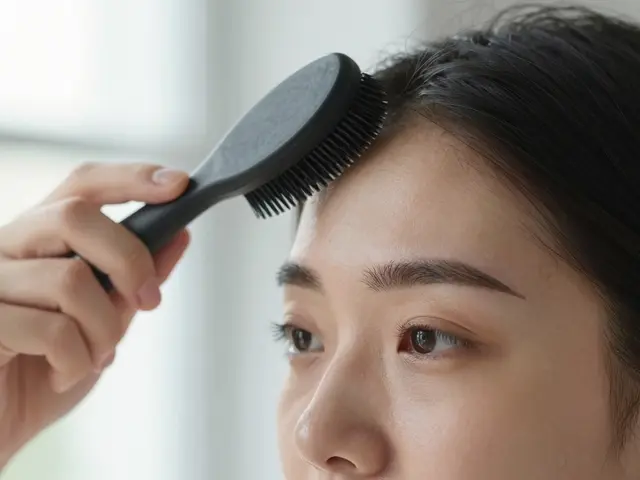

When it comes to shaping your brows, eyebrow threading, a precise hair removal technique using twisted cotton thread. Also known as thread epilation, it pulls hair out strand by strand from the follicle—no chemicals, no heat, just skill. On the other side, eyebrow waxing, a method that uses warm wax to remove multiple hairs at once. Also known as brow waxing, it’s faster and leaves skin smoother for longer. Both are popular, but they’re not the same. One is surgical precision. The other is a broad stroke. Choosing the right one depends on your skin, your pain threshold, and what you want your brows to look like day after day.
Threading is ideal if you have sensitive skin or react badly to chemicals. It’s the go-to for people who get redness or rashes from wax. It’s also better for fine hairs and detailed shaping—like cleaning up the tail of your brow or defining a sharp arch. But it takes time. A full thread session can take 15 to 20 minutes, and if you’re not used to it, it can sting more than you expect. Waxing, on the other hand, is quick. It’s great if you’re in a rush or want to remove a lot of hair at once. But it can be harsh. If the wax is too hot, or pulled wrong, it can rip off skin, cause burns, or leave behind red marks—especially on the delicate skin above your lip or under your eyes. Some people swear by waxing because it lasts longer—up to four weeks. But threading gives you cleaner lines, and since it removes hair from the root like wax, regrowth is just as slow.
Here’s what most people don’t tell you: threading doesn’t thicken your brows. It just makes them look neater. If your brows are thin, threading won’t fix that. Waxing won’t either. Neither method grows hair. For real thickness, you need serums, proper nutrition, or time. And if you’ve tried both and still aren’t happy? You’re not alone. Many clients at Halo Hair North Carolina come in after years of waxing or threading, only to realize they’ve been over-plucking. The goal isn’t to remove every stray hair. It’s to frame your face, not erase it.
Some folks think threading is "more natural" because it doesn’t use wax. But waxing isn’t magic—it’s just heated resin. Neither is inherently safer. The real difference is technique. A bad threader can make your brows uneven. A bad waxer can leave you with a burn. That’s why experience matters more than the method. At Halo Hair North Carolina, we’ve seen both go wrong. We’ve also seen them done perfectly. The right pro makes all the difference.
What you’ll find in the posts below are real stories from people who’ve tried both. Some switched from waxing to threading after a bad burn. Others went back to waxing because threading hurt too much. There are guides on how to do it at home, how to avoid mistakes, and what to do if your skin reacts. You’ll also find advice on what to expect after each method, how long results last, and why some people swear by one while others hate it. No fluff. Just what works—and what doesn’t.
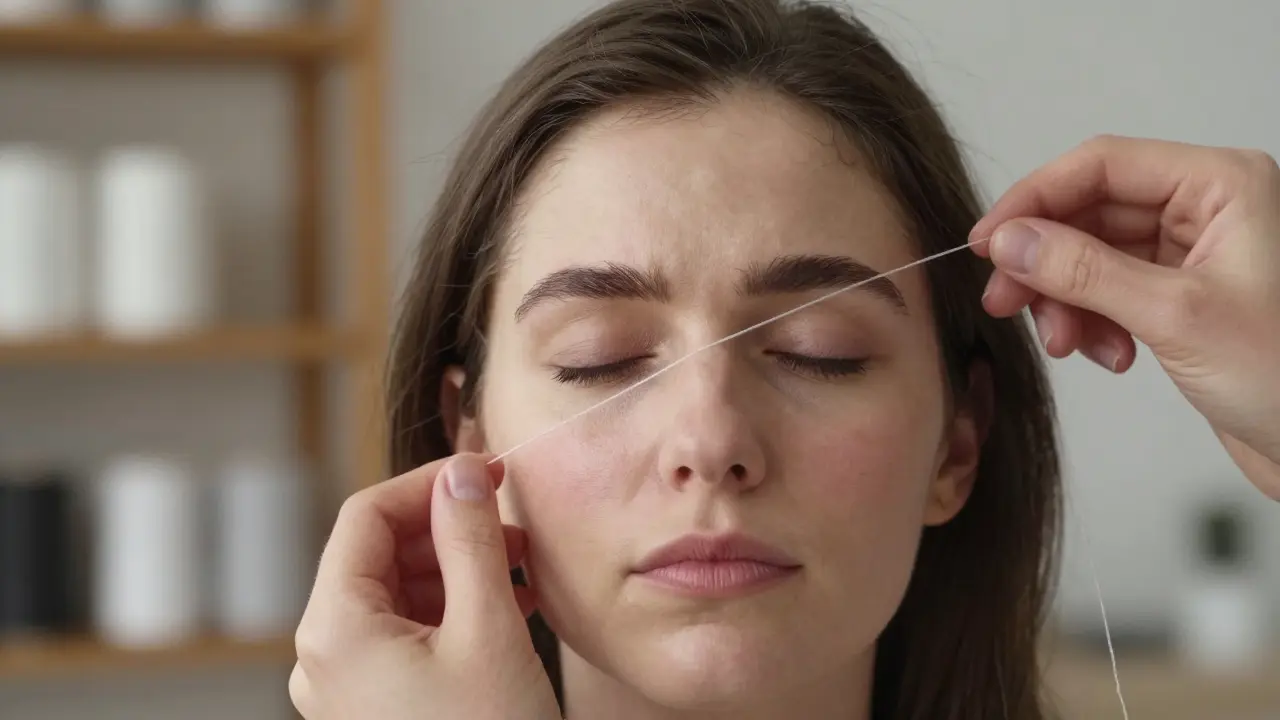
Eyebrow threading hurts less than waxing for most people. It's precise, lasts longer, and causes less redness. Here's what to expect, how to reduce discomfort, and who should avoid it.
 11
11
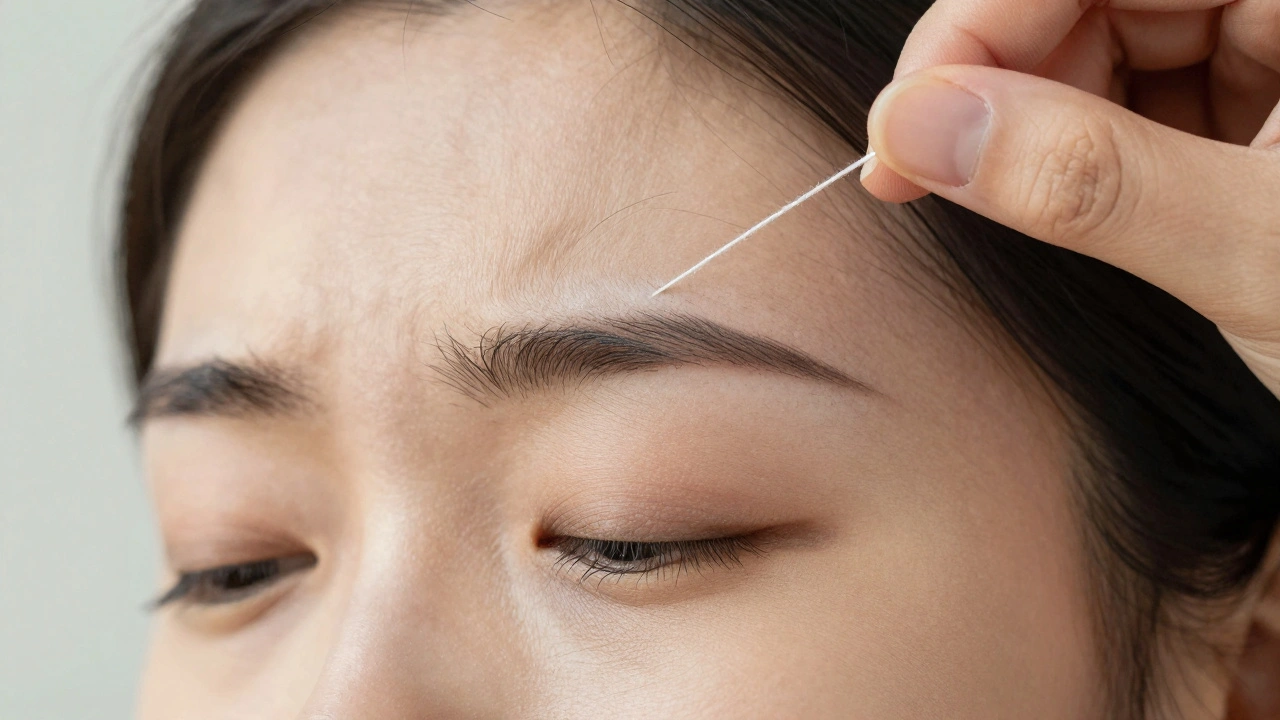
Threading eyebrows hurts because it pulls each hair from the root using a twisted cotton thread. The skin around your brows is packed with nerves, making even small tugs feel sharp. Learn why it stings, how it compares to waxing, and how to make it less painful.
0