


Ever stared at your brows in the mirror, tweezers in hand, wondering if threading or waxing is really worth the cost and discomfort? You’re not alone. Millions of people choose one over the other every year - but most don’t know the real differences until they’ve tried both. And honestly? The answer isn’t one-size-fits-all. It depends on your skin, your hair type, your pain tolerance, and how much time you’re willing to spend maintaining those perfect arches.
What happens when you thread your eyebrows
Threading is ancient - it’s been used in South Asia and the Middle East for over 6,000 years. It uses a thin cotton thread, twisted and rolled along the skin to pluck hairs right from the follicle. No wax, no chemicals, no heat. Just precision.
It’s incredibly detailed. A skilled threader can remove single hairs or shape an entire brow with surgical accuracy. That’s why threading is the go-to for people who want sharp, clean lines - especially if you have sparse or uneven brows. It’s also the only method that can target individual hairs without affecting the surrounding skin.
Because it doesn’t pull on the skin like wax does, threading is often gentler on sensitive skin. If you get redness, breakouts, or irritation from wax, threading might be your best bet. Many people with acne-prone skin or rosacea swear by it.
But here’s the catch: threading hurts. Not in a sharp, sudden way - more like a deep, pulling tug. And it takes time. A good threading session can take 10 to 15 minutes, and finding a truly skilled threader isn’t easy. In some places, you’ll pay $20 to $35 for a session. If you’re doing it yourself, the learning curve is steep. One wrong twist and you’ll end up with uneven brows - or worse, a tiny patch of skin missing.
What happens when you wax your eyebrows
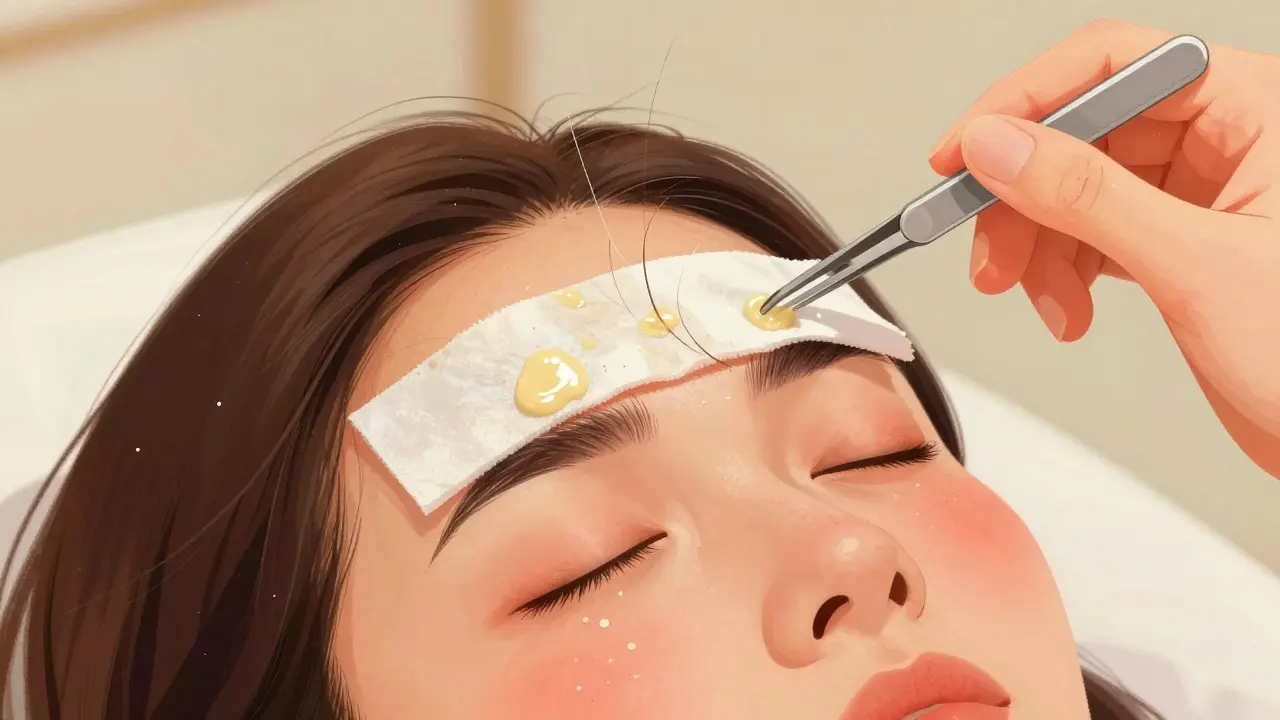
Waxing is faster. Hot or cold wax is applied to the skin, pressed with a cloth strip, then ripped off in one swift motion - taking all the hairs in its path with it. It’s messy, it’s loud, and it’s over in under five minutes.
Waxing removes hair in larger patches, which means it’s great if you have thick, coarse brow hair. It’s also more effective at removing fine, baby hairs that threading might miss. The result? Smoother skin for longer. Most people see results lasting 3 to 6 weeks, depending on their hair growth cycle.
But waxing isn’t kind to everyone. If your skin is sensitive, reactive, or prone to ingrown hairs, waxing can cause redness, swelling, or even small tears. Some people develop bumps or dark spots after waxing, especially if they’re using retinoids or have recently been in the sun. And if the wax is too hot? You risk burns.
Also, waxing isn’t as precise. It’s hard to get that razor-sharp tail or clean upper edge without over-waxing. A bad wax job can leave you with uneven brows that take weeks to grow back. That’s why many salons now combine waxing with tweezing - they wax the bulk, then tweeze the edges for definition.
Which lasts longer: threading or waxing?
Waxing wins here. On average, waxed brows last 4 to 6 weeks. Threading typically lasts 2 to 4 weeks. Why? Because waxing pulls hair out from deeper in the follicle, while threading grabs hair closer to the surface. That doesn’t mean threading is weaker - it just means regrowth shows up sooner.
But longevity isn’t everything. If you like to change your brow shape often - maybe you’re experimenting with trends or adjusting for a new hairstyle - threading gives you more flexibility. You can tweak it every two weeks without stressing your skin. Waxing locks you in for longer, and if you hate the shape, you’re stuck waiting.
Which is better for sensitive skin?
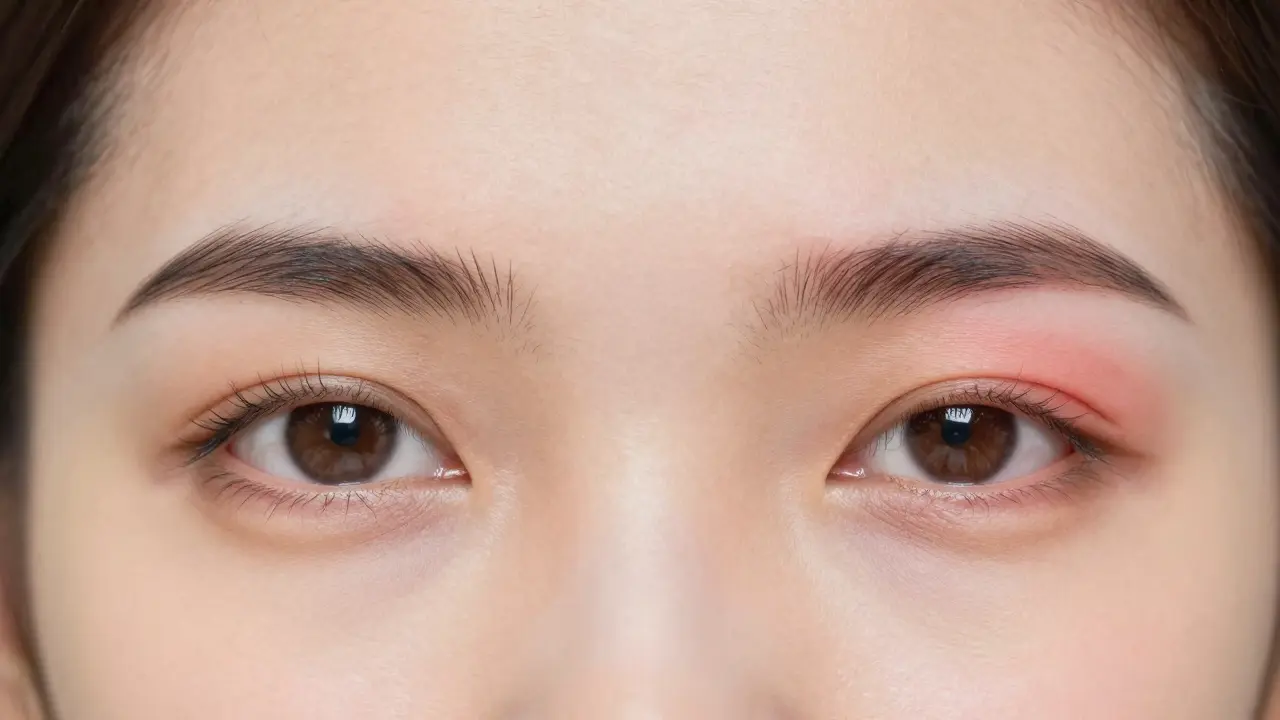
If you have sensitive skin, threading is usually the safer pick. It doesn’t involve chemicals, heat, or adhesive strips that can irritate. Waxing, especially hard wax, can cause micro-tears or allergic reactions to the wax itself. A 2023 study in the Journal of Clinical and Aesthetic Dermatology found that 37% of participants who waxed their brows reported redness lasting more than 24 hours. Only 8% of those who threaded had the same reaction.
That said, threading isn’t perfect. If you have very thin skin around the eyes - common in older adults or people with eczema - the pulling can still cause bruising or swelling. Always ask your threader to use a double-thread technique and go slow.
Cost comparison: threading vs waxing
Threading usually costs $15 to $35. Waxing runs $10 to $25. At first glance, waxing looks cheaper. But here’s the twist: threading lasts longer per session for some people because it’s more precise. If you’re getting waxed every 3 weeks and threading every 4, you might end up spending about the same over time.
Also, threading is often done by the same person every time - you build a relationship. Waxing is more transactional. You might get a different esthetician each visit, which means inconsistent results.
What professionals actually recommend
Most licensed estheticians in Asheville, Charlotte, and Nashville don’t pick one over the other. They ask you three questions:
- Do you have sensitive skin or acne?
- Are your brows thick or fine?
- Do you want precision, or do you want speed?
If you answer “yes” to sensitive skin and precision - threading. If you say “yes” to thick hair and speed - waxing. If you’re in between? Try both. Book a threading session, then a waxing one. See how your skin reacts.
One pro tip: Don’t do either right before a big event. Both can cause swelling or redness. Wait at least 48 hours. And never wax or thread if you’re using retinol, Accutane, or have sunburned skin. That’s a recipe for damage.
What about at-home kits?
There are threading kits on Amazon - but they’re not worth it. Threading requires muscle memory, tension control, and hand-eye coordination. You’ll likely end up with uneven brows and a lot of frustration. Waxing kits are easier to use, but they’re still risky around the eyes. The skin there is thin. One slip, and you’ve got a red, raw patch that takes days to heal.
Stick to professionals for now. If you’re serious about at-home maintenance, buy a good pair of slant-tip tweezers and touch up stray hairs between sessions. It’s cheaper, safer, and gives you control.
Final verdict: which is better?
There’s no universal winner. But here’s how to decide:
- Choose threading if: You have sensitive skin, want precise shaping, or dislike the idea of chemicals and heat. You’re okay with more frequent touch-ups.
- Choose waxing if: You have thick brows, hate frequent appointments, and want smooth skin for longer. You don’t mind a bit of discomfort and can handle occasional redness.
Most people start with waxing because it’s faster and cheaper. Then they switch to threading after a bad reaction. Others stick with threading because they’ve never had a single breakout. Your skin, your rules.
And if you’re still unsure? Book a consultation. A good brow artist will examine your hair texture, skin tone, and growth pattern - then give you a personalized plan. No pressure. Just clarity.




NIKHIL TRIPATHI
March 8, 2026 AT 13:09Shivani Vaidya
March 8, 2026 AT 16:48Rubina Jadhav
March 10, 2026 AT 02:58sumraa hussain
March 11, 2026 AT 14:56Raji viji
March 12, 2026 AT 15:27Rajashree Iyer
March 13, 2026 AT 21:08Parth Haz
March 15, 2026 AT 01:06Vishal Bharadwaj
March 15, 2026 AT 17:10anoushka singh
March 17, 2026 AT 11:36Jitendra Singh
March 17, 2026 AT 13:29Madhuri Pujari
March 19, 2026 AT 10:20Sandeepan Gupta
March 19, 2026 AT 22:29Tarun nahata
March 20, 2026 AT 06:43Aryan Jain
March 21, 2026 AT 21:17