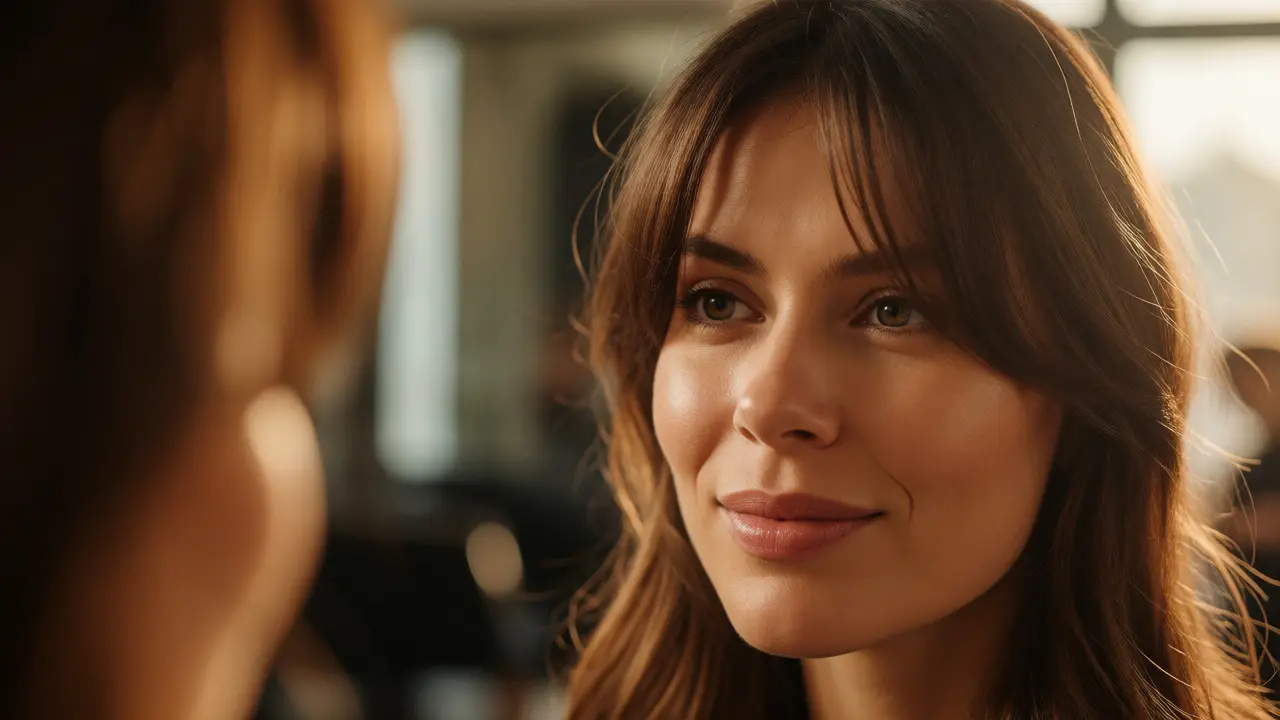
You know that feeling when you walk out of the salon and catch your reflection in the window? It’s not just a new cut; it feels like you’ve swapped faces with someone else. But how much does a haircut actually change your look? The answer isn't simple because hair is one of the most powerful tools we have for shaping perception. A drastic chop can make you look five years younger or ten pounds lighter without you changing a thing about your body. It changes how light hits your cheekbones, where people look when they talk to you, and even how confident you feel walking into a room.
We are going to break down exactly why this happens, using the current obsession with curtain bangs as our main case study. These aren't just another fringe trend; they are a masterclass in visual illusion. By the end of this read, you'll understand which cuts create the biggest impact and how to predict your own transformation before you sit in the chair.
The Psychology of First Impressions
Human brains are wired to scan faces in a specific order. We look at eyes first, then mouth, then overall shape. Hair frames all of these features. When you change your hairline, you are literally changing the boundaries of your face. This is known as facial framing. If you have been hiding behind long, heavy layers for a decade, suddenly exposing your forehead or softening your jawline sends a shockwave through those first-impression algorithms in other people's heads.
Consider the difference between a blunt bob and long waves. A blunt bob creates horizontal lines that widen the face and draw attention directly to the jaw and lips. Long waves create vertical movement, elongating the neck and drawing the eye upward. Neither is "better," but they tell completely different stories. One says sharp and modern; the other says soft and romantic. Your style dictates the narrative others write about you before you even speak.
Why Curtain Bangs Are the Ultimate Transformer
If you want proof of how much a small change can alter your appearance, look no further than curtain bangs. Unlike traditional blunt bangs, which can sometimes look severe or boxy, curtain bangs part in the middle and sweep to the sides. They blend seamlessly into the rest of your hair. This style has exploded in popularity across Asheville salons and Instagram feeds alike for one reason: it mimics the natural way many of us wear our hair when it's grown out, but with intentional precision.
Curtain bangs are a type of fringe that parts down the center, resembling curtains on a window. They typically range from cheekbone length to nose length, depending on the desired effect. Their magic lies in their versatility. For round faces, they create angles that slim the cheeks. For heart-shaped faces, they balance a wider forehead against a narrower chin. For square faces, they soften angular jaws. You don't lose your identity; you just refine it.
| Fringe Style | Face Shape Best For | Perceived Age | Maintenance Level |
|---|---|---|---|
| Curtain Bangs | All (especially Round/Heart) | Younger/Fresh | Medium (needs blow-dry) |
| Blunt Bangs | Oval/Square | Bold/Edgy | High (trim every 3 weeks) |
| Side-Swept Bangs | Square/Round | Classic/Soft | Low (air dry friendly) |
| No Bangs | Long/Oval | Neutral/Mature | Low |
Length vs. Texture: What Changes More?
People often think cutting off six inches is the biggest change. Sometimes, it isn't. Changing texture-going from straight to curly, or adding heavy layers to thick straight hair-can be more dramatic. Length removal is obvious, but texture alters volume and silhouette. If you go from flat, pin-straight hair to voluminous curls, your head size visually increases. This can make your shoulders look broader or your waist look smaller by comparison.
Let's look at two scenarios. Scenario A: You cut three inches off your ends. You look cleaner, perhaps a bit more polished, but you still look like you. Scenario B: You keep the same length but add deep side-parting and face-framing layers. Suddenly, your asymmetry draws attention to your eyes and cheekbones. You look more dynamic. The second scenario changes the *geometry* of your face, which is far more impactful than just removing dead ends.
The Role of Color in Transformation
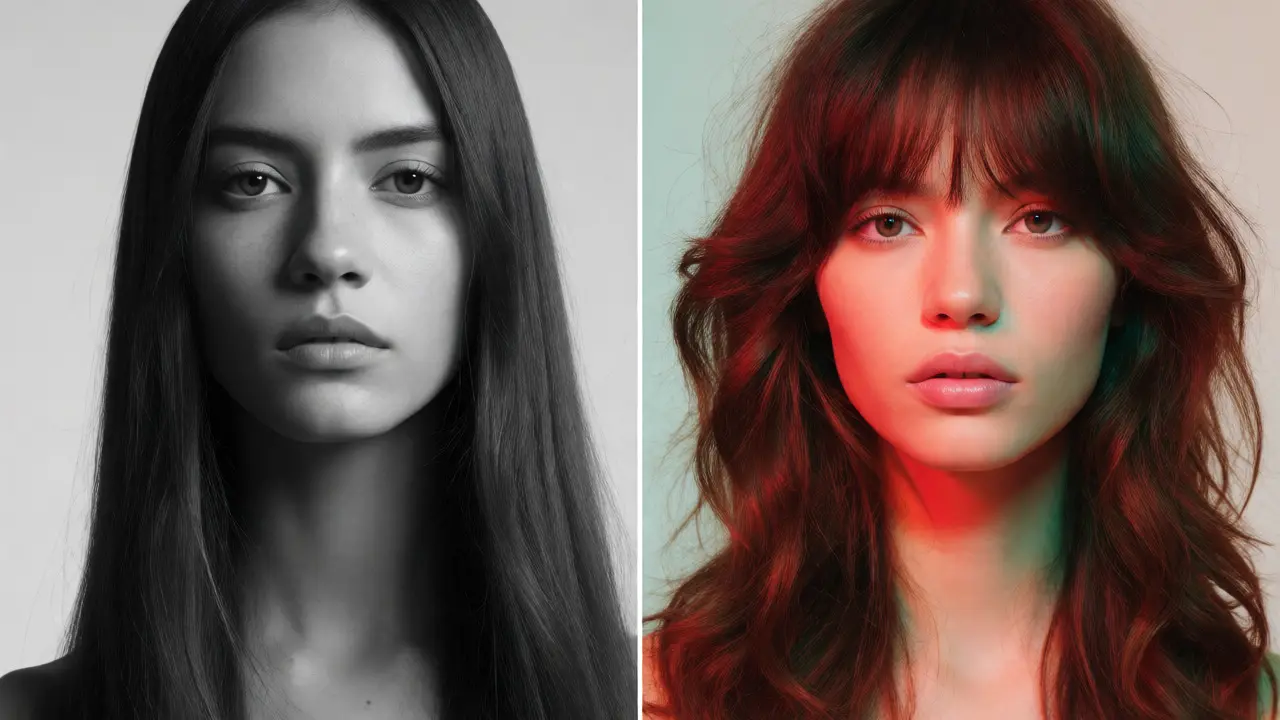
You cannot separate the haircut from color when discussing transformation. A dark brunette who goes platinum blonde with a shag cut looks like a different person. Why? Contrast. Dark hair absorbs light; light hair reflects it. Adding highlights around the face, especially paired with curtain bangs, brightens the complexion. It reduces shadows under the eyes and makes skin look clearer.
If you are hesitant about a big cut, try changing your color first. Or vice versa. Doing both simultaneously is risky if you hate surprises. However, if you commit to a new cut like a lob (long bob), adding subtle balayage can amplify the change by highlighting the new shape. The interplay between shadow (roots) and light (ends) defines depth. Without it, a short cut can look flat and helmet-like.
Predicting Your Outcome: The Face Shape Map
Not every haircut works for everyone. To maximize the positive change, match the cut to your bone structure. Here is a quick heuristic:
- Oval Faces: You hit the genetic lottery. Almost anything works. Curtain bangs will look effortless here because your proportions are already balanced.
- Round Faces: Avoid blunt cuts at the chin, which emphasize width. Go for longer bobs or curtain bangs that start higher up and taper down, creating diagonal lines that slim the face.
- Square Faces: Soften those strong jawlines with wispy ends and side-swept or curtain bangs. Avoid harsh, geometric bobs that mirror your jaw angle too closely.
- Heart-Shaped Faces: Balance a wide forehead with fuller bangs or curtain styles that add weight near the jawline. Avoid heavy volume at the crown.
- Long Faces: Add width with curls or waves. Blunt bangs can shorten the appearance of the face effectively. Curtain bangs work well if they are kept shorter and fluffier.
This map isn't rigid. It's a guide. But ignoring it entirely is why some people leave the salon crying. Your stylist should consult this geometry, not just follow trends.
Emotional Shifts: Confidence and Self-Perception
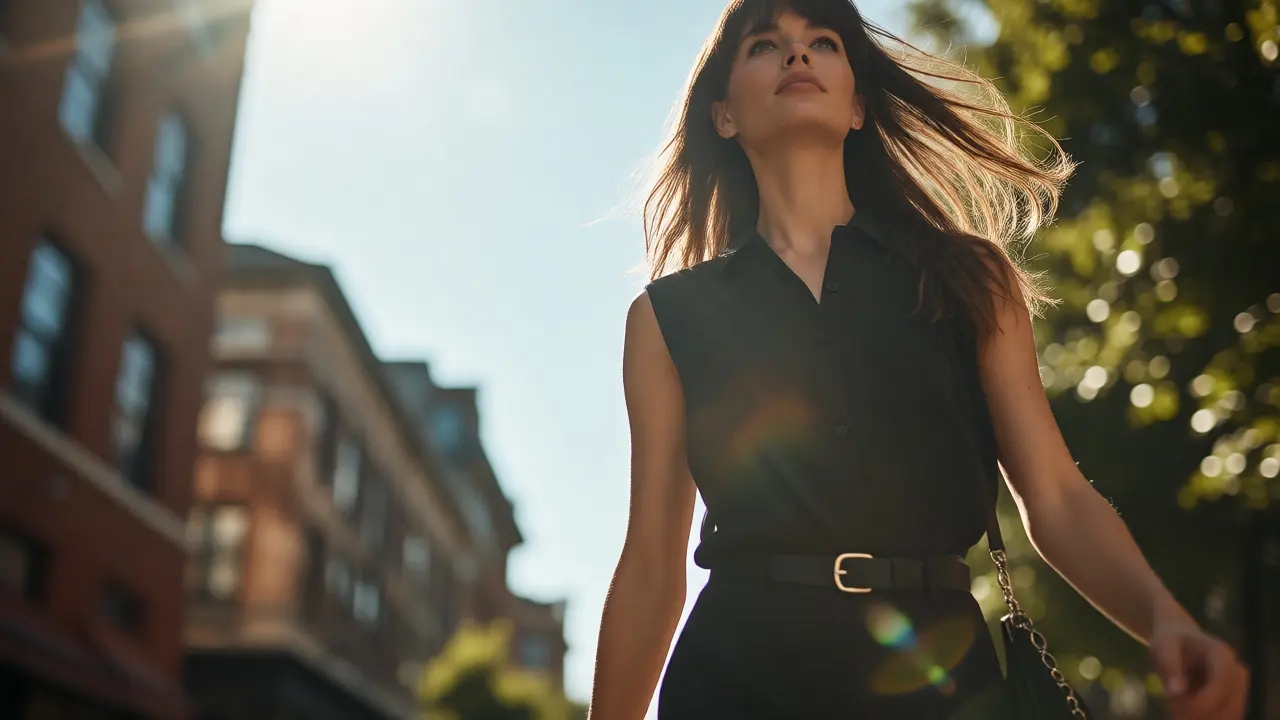
There is a phenomenon called "enclothed cognition," where what we wear affects our psychological state. Hair works similarly. When you feel good about your hair, you stand taller. You make more eye contact. You smile more. These behavioral shifts change how others perceive you, creating a feedback loop. If you hide behind messy hair because you dislike your cut, you appear withdrawn. If you rock a fresh curtain bang style, you appear engaged and approachable.
I've seen clients come in wanting a "change" because they felt invisible. After getting a sharp pixie or a vibrant red lob, they didn't just look different-they acted different. They booked trips, asked for raises, dated again. The haircut was the catalyst, but the internal permission to be bold was the real change.
Common Regrets and How to Fix Them
What if you do the opposite? What if you regret the change? Bangs grow back fastest, usually within 4-6 months. That's the beauty of curtain bangs; they grow out gracefully into standard layers. If you hate them, you can pin them back or let them blend. A bad bob takes longer, maybe 8-12 months to regain length. A bad color correction can take weeks of toning.
To minimize regret, communicate clearly. Bring photos. Be honest about your maintenance habits. If you refuse to use a round brush, don't get a sleek, blunt cut that requires daily styling. Ask for a "test drive." Many stylists will clip bangs to see how you feel wearing them for an hour before making the cut. Take that offer seriously.
Do curtain bangs make you look older or younger?
Generally, curtain bangs make you look younger. They soften facial features, cover forehead lines, and frame the eyes, which are focal points of youthfulness. However, if they are too heavy or poorly blended, they can cast shadows that emphasize under-eye circles, potentially aging you. Proper blending is key.
How long does it take to adjust to a new haircut?
Most people experience "hair regret" for the first 3-5 days. This is normal psychological adjustment. By week two, you usually learn how to style it. Full acceptance often comes after 3-4 weeks, once the hair settles and you become familiar with the new routine. Give it time before judging.
Can a haircut change my face shape permanently?
No, a haircut does not change your actual bone structure or face shape. It only changes the optical illusion of your face shape. Once you grow your hair out or change your style, the underlying face shape remains the same. The change is purely visual and temporary relative to your growth cycle.
Are curtain bangs high maintenance?
Moderately. They require regular trims every 4-6 weeks to maintain the shape. Daily styling usually involves a quick blow-dry with a round brush or diffuser to ensure they curve outward correctly. If you air-dry, they might stick straight down instead of sweeping, so some effort is needed.
Does hair thickness affect how much a haircut changes your look?
Yes, significantly. Thick hair holds shape better, so structural cuts like bobs or blunt fringes have a dramatic impact. Thin hair may lack volume, so layers and texturizing techniques are crucial to avoid a stringy look. The same cut yields different results based on density and texture.