

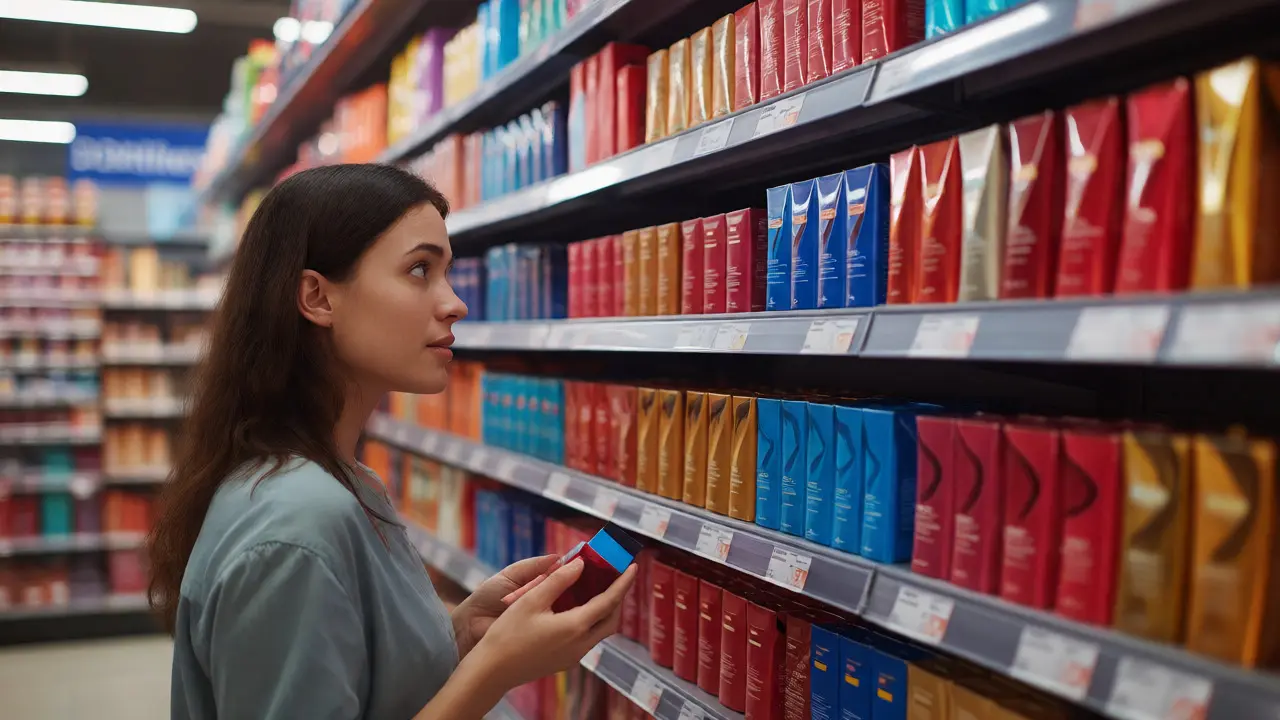
You stand in the aisle of a drugstore, staring at a wall of colorful boxes. One promises permanent coverage, another claims to be a "wash-out" experiment, and a third looks like shaving cream but says it's for hair. It’s overwhelming. You want your grey hairs gone, or maybe you just want a fun red streak for the weekend. But which product actually delivers without frying your ends?
The truth is, there is no single "best" hair colouring format for everyone. The right choice depends entirely on what you value more: lasting power, low damage, natural ingredients, or ease of application. Are you trying to cover stubborn greys completely? Or are you just testing a new shade before committing? This guide breaks down the science behind each format so you can pick the one that fits your life and your hair history.
Understanding the Core Chemical Formats
Hair dyes aren't all created equal. They fall into specific categories based on how they interact with your hair shaft. Knowing these differences saves you from buying the wrong product and regretting it later.
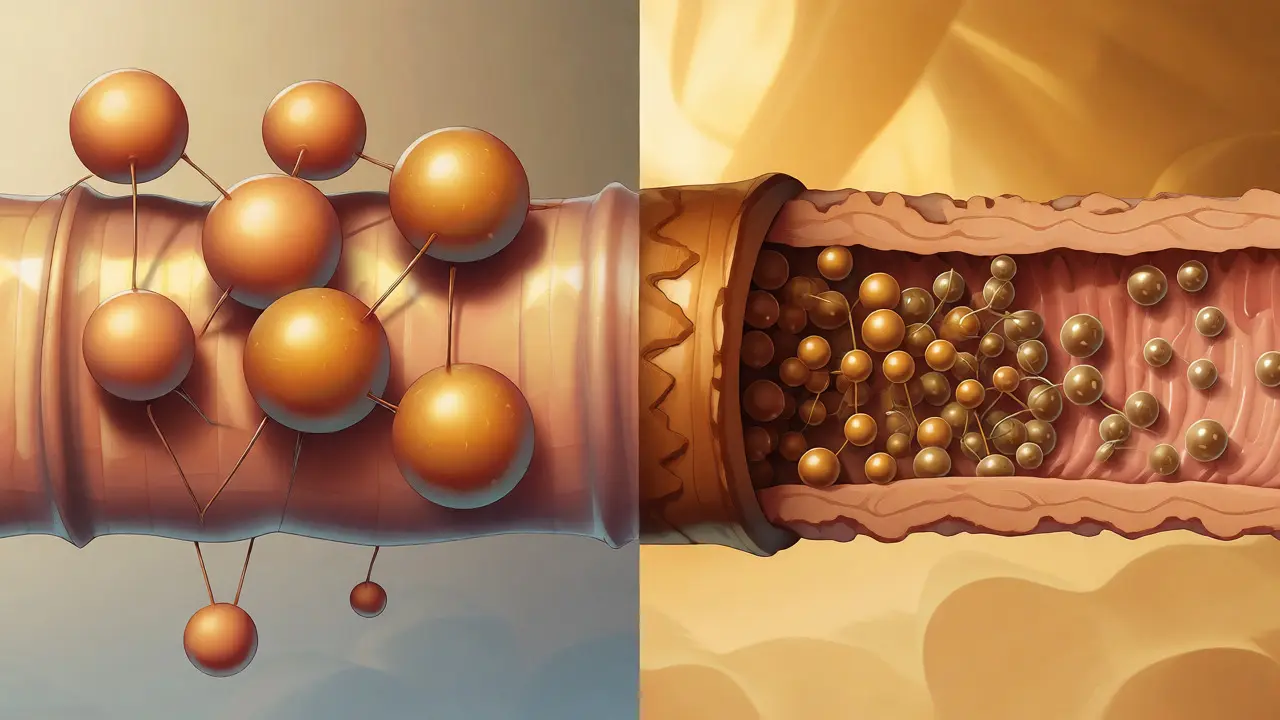
Temporary hair colour is exactly what it sounds like: a surface-level coating. These products use large pigment molecules that sit on top of the cuticle without penetrating the cortex. Think of it as paint on a wall rather than stain soaked into wood. Because they don’t change the hair structure, they cause zero damage. However, they wash out quickly-usually after one or two shampoos. If you shampoo every day, that means your color might last only a few days. They’re great for parties or photoshoots, but they won’t cover grey hair effectively. At best, they blend about 20-30% of scattered greys by adding a temporary veil of tone.
Semi-permanent hair dye takes things a step further. These are ammonia-free formulas that deposit color onto the hair using medium-sized direct dye molecules. They don’t use strong oxidizers like peroxide, so they can’t lighten your hair-you can only go darker or same-tone. Durability varies wildly depending on the brand and your hair’s porosity. Some sources say 4-5 washes; others claim up to 20. In reality, expect it to fade noticeably within a few weeks. They offer better grey blending than temporary colors (around 30-50%) but still lack full coverage. This format is ideal if you want to refresh a faded color or add shine without structural commitment.
Demi-permanent hair dye sits in the sweet spot between semi and permanent. It uses a low-strength developer (usually around 2% hydrogen peroxide) and little to no ammonia. This allows the dye to penetrate slightly into the upper cortex, creating a longer-lasting result than semi-permanent options. Demi-permanent color typically lasts several weeks to a couple of months, fading gradually rather than showing harsh roots. It’s excellent for toning blonde highlights, darkening hair, or blending 30-70% grey hair. Because it doesn’t lift natural pigment aggressively, it causes less damage than permanent dyes. Many stylists call this the "best compromise" for those who want longevity without the risk of severe dryness.
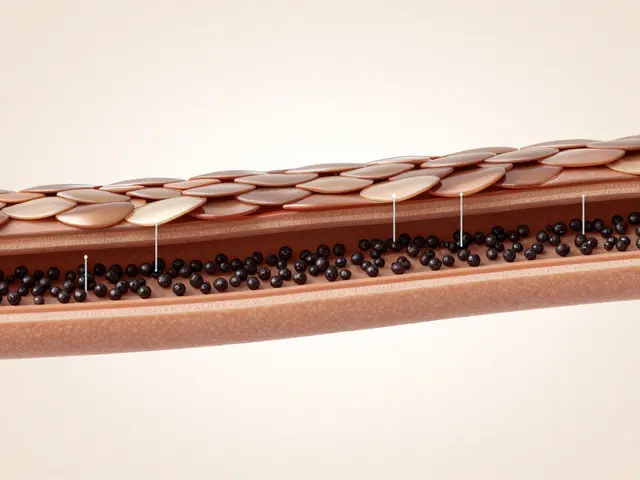
Permanent oxidative hair dye is the heavy hitter. These formulas use alkaline agents (like ammonia or ethanolamine) and stronger developers (often 6% hydrogen peroxide) to open the cuticle, strip natural melanin, and deposit new color deep inside the cortex. Once applied, this color doesn’t wash out-it grows out. Permanent dyes provide the most reliable grey coverage, often hitting close to 100% for resistant hair types. They also allow for lightening (lifting levels). The trade-off? Higher potential for damage. The chemical process can roughen the cuticle and reduce tensile strength. If you have fine, porous, or previously bleached hair, permanent dye requires careful maintenance to avoid breakage.
| Format | Durability | Grey Coverage | Damage Risk | Best For |
|---|---|---|---|---|
| Temporary | 1-2 Washes | Low (Blending only) | None | Events, experiments |
| Semi-Permanent | 4-20 Washes | Moderate (30-50%) | Low | Refreshing color, shine |
| Demi-Permanent | Weeks to Months | Good (30-70%) | Moderate-Low | Toning, root smudging |
| Permanent | Until grown out | Excellent (90-100%) | High | Full coverage, lifting |
Natural Alternatives: Henna and Vegetable Dyes
If synthetic chemicals make you nervous, plant-based options exist. Henna (Lawsonia inermis) is the most common vegetable dye. It binds to keratin in the hair, staining it copper-red tones. When mixed with indigo, it can produce browns and blacks. Unlike oxidative dyes, henna doesn’t contain ammonia or peroxide, making it generally safer for sensitive scalps. However, it’s not without quirks. Henna stains last anywhere from 2 to 6 weeks, but removing it is notoriously difficult. It can also react unpredictably with future chemical treatments, sometimes causing greenish tints if metal salts were present in previous products. Choose henna only if you are committed to red-brown tones and willing to accept limited color range.
Avoid metallic or gradual dyes if you plan to visit a salon later. These legacy products use metal salts (lead, bismuth, silver) to darken hair over time. While they seem gentle, the metal accumulation can interfere with modern peroxide-based services, leading to breakage or weird color shifts. Unless you’re certain you’ll never bleach or perm your hair again, skip these.
Cream vs. Foam: Choosing the Right Texture
Once you’ve picked the chemical type, you need to decide on the application method. This comes down to texture: cream or foam.
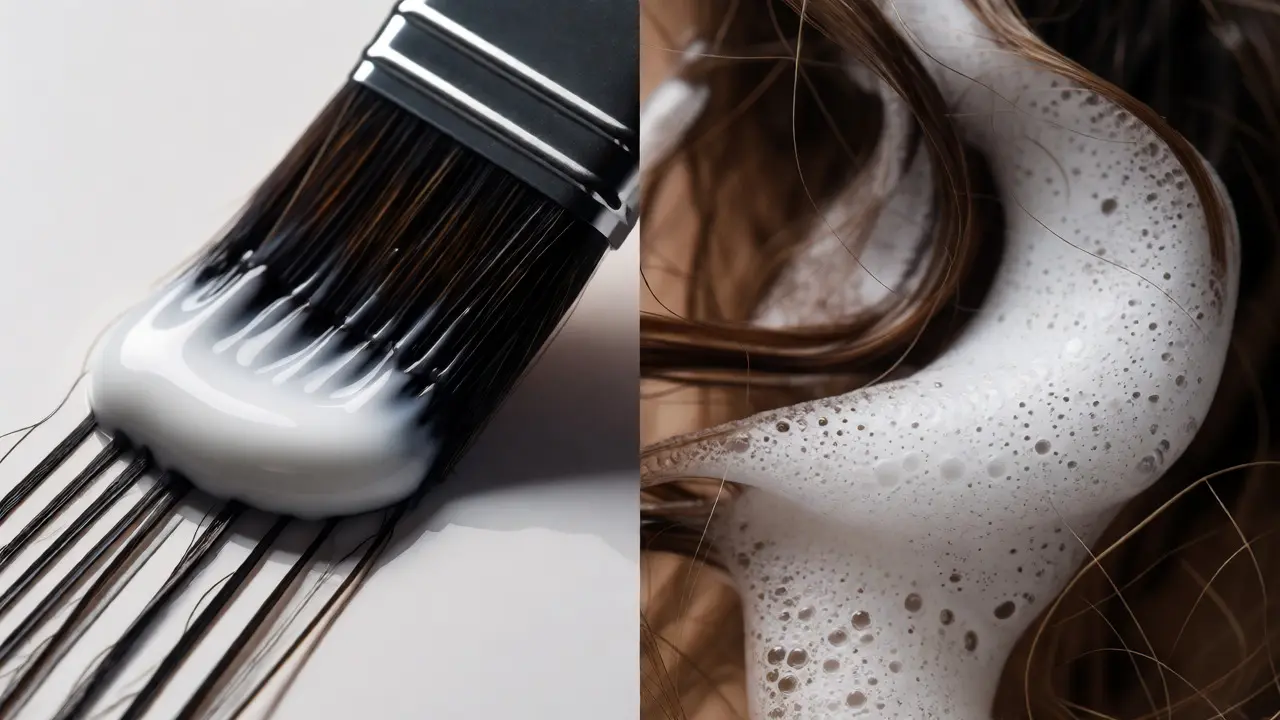
Cream dyes are thick, viscous pastes. They require manual application with a brush and comb. This gives you maximum control. You can section hair precisely, apply color only to roots, or target specific strands for balayage. Creams cling well to coarse or thick hair and reduce dripping compared to watery liquids. However, they demand skill. Uneven sectioning leads to patchy results. If you’re doing a complex correction or high-lift blonde, cream is usually the professional’s choice because it allows for precise saturation.
Foam (mousse) dyes are airy and self-distributing. You massage them into dry hair like shampoo. The bubbles help spread the product evenly across strands, minimizing human error. This makes foam ideal for beginners or quick home touch-ups. It’s less messy and faster to apply. However, foam struggles with very thick, curly, or long hair, where the product might not reach the inner layers effectively. It’s also less suitable for dramatic level changes or precise root-only applications. If you want an easy, even coat for a general refresh, foam wins on convenience.
Box Dye vs. Professional Salon Services
Is it worth paying a stylist, or can you trust the $10 box from the supermarket? The answer depends on your hair history.
Consumer box dyes use standardized developer strengths (usually 20-volume, or 6% peroxide). This one-size-fits-all approach ignores your unique hair condition. If your ends are already porous from previous coloring, applying full-strength peroxide to them will cause significant damage. Stylists often see "hot roots" (brighter roots than lengths) or banding from repeated box dye use because the formula doesn’t adjust for different zones of the head.
In contrast, professional salon colour is customized. Colorists assess your hair’s porosity, density, and existing pigment. They mix developers specifically for your needs-perhaps 10-volume on fragile ends and 20-volume on virgin roots. They also use bond-building additives that protect hair integrity during processing. For major transformations, covering 80-100% grey, or correcting mistakes, professional services are consistently superior. Box dyes work fine for simple, single-process applications on healthy hair, but they carry higher risks for complex cases.
How to Choose Your Best Format
Still unsure? Use this decision framework:
- Do you have more than 60% grey hair? Go with permanent cream dye in a salon. It offers the highest coverage reliability.
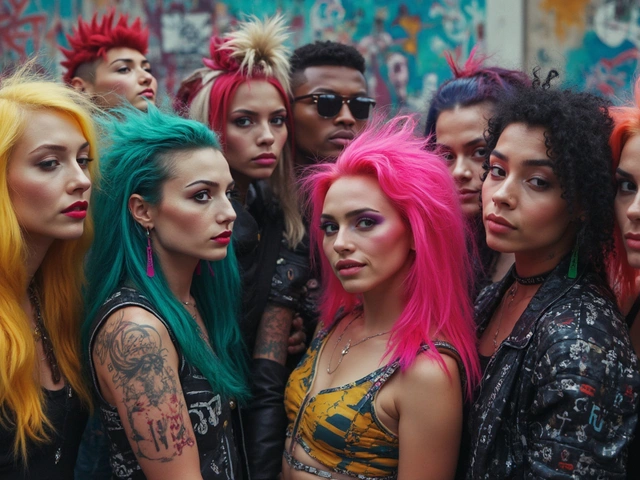
- Are you trying a bold fashion color (blue, pink)? Start with semi-permanent or temporary foam. It fades predictably and causes minimal damage.
- Do you want to tone yellow brassy highlights? Use demi-permanent gloss. It neutralizes unwanted tones without lifting natural color.
- Is your hair damaged or bleached? Avoid permanent ammonia dyes. Opt for demi-permanent or acidic semi-permanent glosses to minimize stress.
- Do you hate mess and want speed? Choose foam formats in semi-permanent or temporary varieties.
- Are you avoiding synthetic chemicals? Try henna, but be prepared for limited color options and difficult removal.
Remember, the "best" format is the one that aligns with your maintenance schedule. Permanent dye looks great initially but requires regular root touch-ups every 4-6 weeks. Semi-permanent fades gracefully but needs reapplication monthly. Pick the routine you can actually stick to.
Does semi-permanent dye cover grey hair?
Semi-permanent dye blends grey hair rather than fully covering it. It typically camouflages 30-50% of greys, making them look like highlights. For complete coverage, especially on resistant grey hair, permanent or demi-permanent formulas are more effective.
Is foam dye worse than cream dye?
No, foam isn't inherently worse, but it serves different purposes. Foam provides even, easy coverage for full-head applications on fine to medium hair. Cream offers precision for root touch-ups, multi-tonal effects, and thick or curly hair where foam might miss spots. Choose based on your application needs, not quality.
Can I switch from henna to permanent dye?
Switching from henna to permanent dye is risky. Traditional henna may contain metallic salts that react with peroxide, causing heat, breakage, or green discoloration. Always do a strand test first. Pure body-art quality henna is safer but still difficult to remove, often requiring cutting off colored sections.
Why does my box dye fade unevenly?
Uneven fading often results from varying hair porosity. Damaged ends absorb more dye initially but release it faster, while healthier roots hold color longer. Box dyes use a single developer strength for the entire head, exacerbating this issue. Professional colorists adjust formulas per section to prevent banding.
Is demi-permanent dye safe for damaged hair?
Yes, demi-permanent dye is generally safer for damaged hair than permanent dye. It uses lower peroxide levels (typically 2%) and lacks harsh ammonia, reducing cuticle stress. It deposits color without lifting natural pigment, making it a good option for refreshing color while maintaining hair health.

Tommy Cahyadi
October 6, 2026 AT 15:26Oh great, another guide telling me what I already know while ignoring the fact that my hair is basically straw. Thanks for the science lesson, but I still can't figure out why the box dye from Walmart costs $5 and the salon charges $200 for the same 'chemical soup'. It's all a scam anyway.
Anthony .
October 6, 2026 AT 17:22I think it’s less about a scam and more about customization 🌟. A stylist isn’t just selling you dye; they’re selling their expertise in reading your specific hair history. If you have porous ends or previous color builds, using a one-size-fits-all developer is like driving with the parking brake on. The damage risk mentioned in the article is real, so paying for precision often saves money on treatments later 💆♂️✨. We should respect both DIY freedom and professional skill!
Marisa Marroquin
October 7, 2026 AT 05:54The distinction between semi-permanent and demi-permanent is frequently glossed over in popular discourse, yet it holds immense significance for those of us who value hair integrity above all else. While the text correctly identifies the role of low-strength developers, I feel it fails to adequately emphasize the sheer unpredictability of henna when mixed with metallic salts found in commercial shampoos. One must approach vegetable dyes with a degree of trepidation, lest one finds oneself adorned in an unintended shade of verdant green rather than the desired auburn glory. It is a perilous path indeed.
Kathy Mccoy
October 7, 2026 AT 11:39You're absolutely right about the risks! 😊 Henna is beautiful but definitely requires patience. For anyone nervous about commitment, starting with a demi-permanent gloss is such a safe way to test the waters without damaging your strands. Remember, healthy hair is always the goal, no matter the color! 💖
Ejike Ugwu
October 7, 2026 AT 12:37They don't tell you the truth about these chemicals. Ammonia? Peroxide? They are stripping your soul along with your melanin. I stopped buying boxed dyes years ago because I saw what happened to my neighbor's hair... it fell out in clumps. Now I only use natural oils and accept the grey. It's a conspiracy by the big brands to keep us dependent on their toxic sludge. Wake up people! 👁️👄👁️
Kathleen Johnson
October 9, 2026 AT 12:13While the anecdotal evidence regarding hair loss is noted, it lacks scientific rigor. The article explicitly states that permanent dyes increase damage risk due to cuticle roughening, not necessarily immediate shedding unless misused. Your paranoia seems to be overriding basic chemical understanding here. Perhaps reading the section on bond-building additives would clarify why professionals use them instead of relying on fear-mongering narratives.
jyotshna Senapati
October 11, 2026 AT 01:43Ugh, finally someone said it. Box dye users really think they are saving money until they walk into a salon with brassy orange roots and fried ends asking for a correction. You aren't saving anything if you have to pay double to fix your mistake. Just go to a professional if you have more than 50% grey or previously colored hair. Stop playing chemist in your bathroom sink! 💅
Sundaraiah Kollipara
October 12, 2026 AT 20:43this is interesting but i wonder about the environmental impact of all this waste from boxes and tubes... also does the foam really work better for curly hair types or does it just sit on top we need more data on texture interaction honestly...
Liam Whelan
October 13, 2026 AT 18:33yeah foam sucks for thick curls fr sure its too airy and dont reach the inside parts well at all 😩 stick to cream or gel if u got volume!!! also stop judging ppl for using box dye sometimes its just easier lol