
You just grabbed a tube of Wella Koleston Perfect or Redken Shades EQ, ready to fix that patchy mess from the drugstore aisle. It feels like a smart upgrade, right? Higher quality pigments, better conditioners, less ammonia. But here is the hard truth from every seasoned colorist in New York: putting professional dye over box dye isn't a simple swap. It is a chemical negotiation. If you get it wrong, you don't just end up with the wrong shade; you risk breaking your hair off at the roots.
The short answer is yes, you can apply professional formula over box color. The longer, more important answer is that doing so without a strategy often leads to unpredictable results. Box dyes are designed as "one-size-fits-all" bombs-they blast pigment into the hair shaft using high-volume developers to ensure coverage regardless of your starting level. This leaves behind heavy metallic salts and artificial pigments that sit stubbornly inside the cortex. When you layer a delicate, custom-mixed salon formula on top, those trapped chemicals interfere. They can cause the new color to grab unevenly, turn muddy, or fail to lift entirely.
Why Box Dye Behaves Differently Than Salon Color
To understand why this transition is tricky, you have to look at what is actually happening inside your hair strand. Box dye is a pre-mixed, mass-market hair color containing fixed ratios of alkaline agents and oxidative dyes. It is engineered for convenience, not precision. Because manufacturers don't know if you have fine Asian hair or coarse Caucasian hair, they use strong developers (often 20 or 30 volume) and potent pigments to guarantee the color shows up. This creates a dense, saturated layer of artificial pigment.
Professional hair dye, by contrast, is a customizable system where stylists adjust developer strength, pigment load, and processing time based on individual hair history. Brands like Wella, Goldwell, and Matrix offer hundreds of shades that can be mixed to neutralize specific unwanted tones. However, these formulas rely on precise chemistry. If your hair is already saturated with box dye, the professional pigment has nowhere to go, or worse, it reacts with residual metallics found in cheaper brands.
| Feature | Box Dye | Professional Color |
|---|---|---|
| Formulation | Fixed, one-size-fits-all mix | Custom-blended per client |
| Developer Strength | High volume (20-40 vol) for guaranteed lift | Tailored (10-40 vol) based on damage/goal |
| Pigment Density | Heavy, opaque coverage | Sheer to opaque, dimensional |
| Additives | May contain metallic salts | Bond builders, oils, low-ammonia |
| Result Predictability | Low on previously colored hair | High when formulated correctly |
The Risk Factor: What Happens When You Layer?
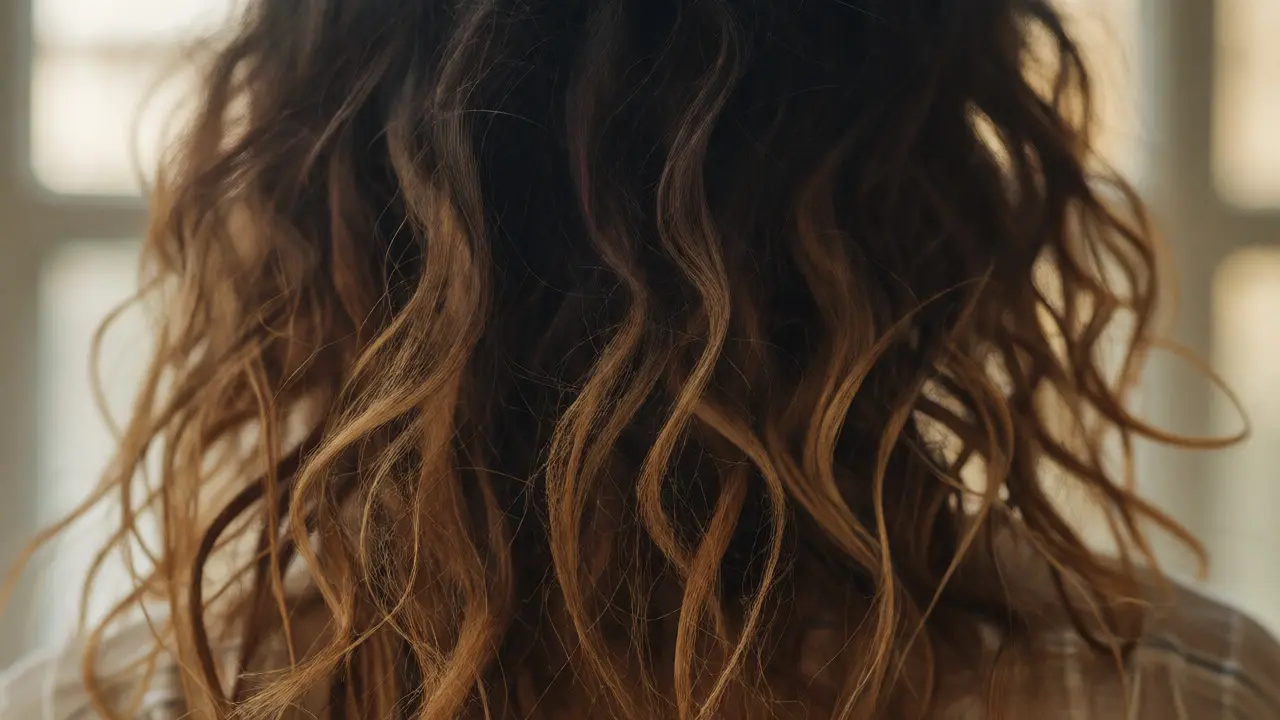
When you apply professional dye over box dye, you are dealing with two main variables: porosity and existing pigment density. Box dye often damages the cuticle, making the ends highly porous while the roots remain resistant. This leads to banding-where the new color grabs intensely on the dry ends but barely touches the healthy mid-lengths.
There is also the issue of metallic buildup. While many modern box dyes claim to be free of metallics, older applications or budget brands may still contain lead acetate or silver nitrate. These metals react violently with peroxide-based professional colors. We've seen cases where applying a standard blonde lightener over old box dye caused the hair to heat up spontaneously, turning green or orange before snapping off. If your hair feels gummy when wet, stop. Do not add more chemicals.
Can You DIY This Transition?
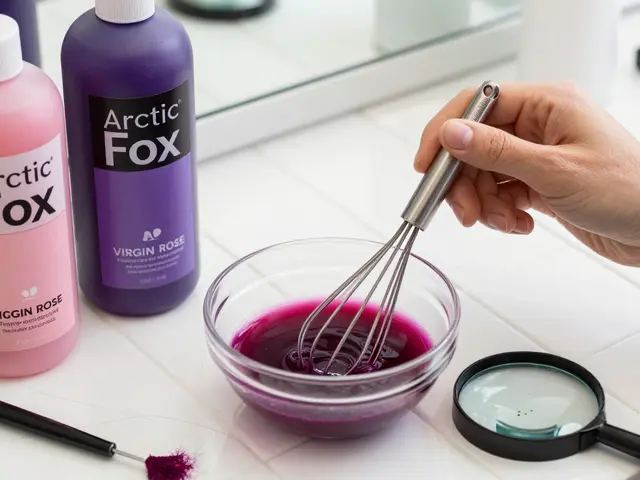
If you are determined to try this at home, treat it as a science experiment, not a beauty routine. Here is the reality check: professional tubes sold online (like Wella or Redken) require you to buy developer separately. Most people guess the wrong volume. Using 20 volume developer on box-dyed hair that is already processed will likely cause breakage. Using 10 volume might not deposit enough color to cover the gray or mask the previous tone.
A safer home approach involves a strand test. Take a small section of hair from underneath, apply your mixed professional formula, and wait the full development time. Rinse and dry. Does it match the swatch? Is the texture intact? If the result is muddy or the hair breaks, you need a professional. Don't gamble with your whole head of hair.
The Professional Correction Process
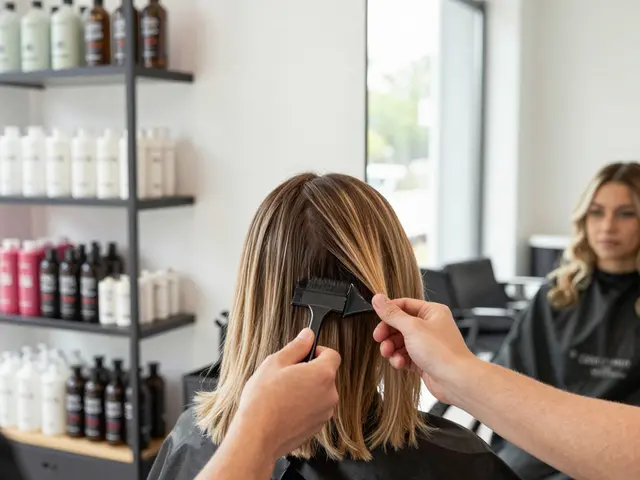
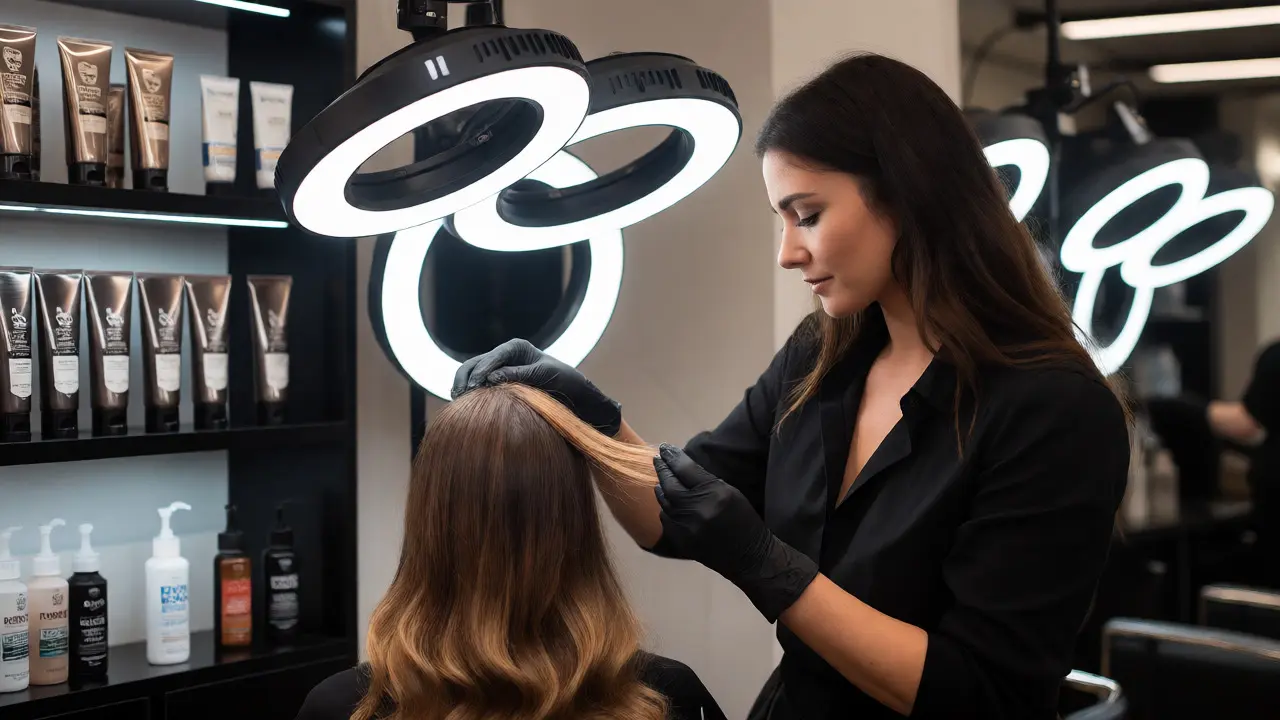
Most salons won't just "dye over" box color. They will perform a color correction. This is a multi-step process that might take three to six hours and cost between $300 and $600 in major cities like New York. Why the premium price? Because the stylist has to undo the past before building the future.
- Consultation: Be honest about every product used in the last year. Did you use henna? Did you use a black box dye? Hiding this info leads to disasters.
- Color Removal: Often, the first step is using a sulfur-based remover (like Joico Color Eraser or Malibu C) to shrink the artificial pigment molecules so they wash out. This doesn't lighten natural hair but lifts the fake color.
- Filling: If you are going from dark box brown to blonde, you must "fill" the hair with warm undertones (red/orange) before applying blonde. Otherwise, you'll end up with a pale, sickly yellow-green.
- Application: Only then is the final professional gloss or permanent color applied to even out the tone.
When to Go to the Salon Immediately
Skip the DIY attempt and book an appointment if any of these apply to you:
- Your hair has been dyed black or very dark brown with box dye.
- You see distinct bands of different colors.
- Your hair feels brittle, straw-like, or stretches like gum when wet.
- You want to go more than two levels lighter.
- You have used henna or progressive color treatments.
In these scenarios, trying to force professional dye over the top usually makes the problem harder and more expensive to fix later. A single correction visit now saves you from needing three visits next month.
Maintaining Your New Color
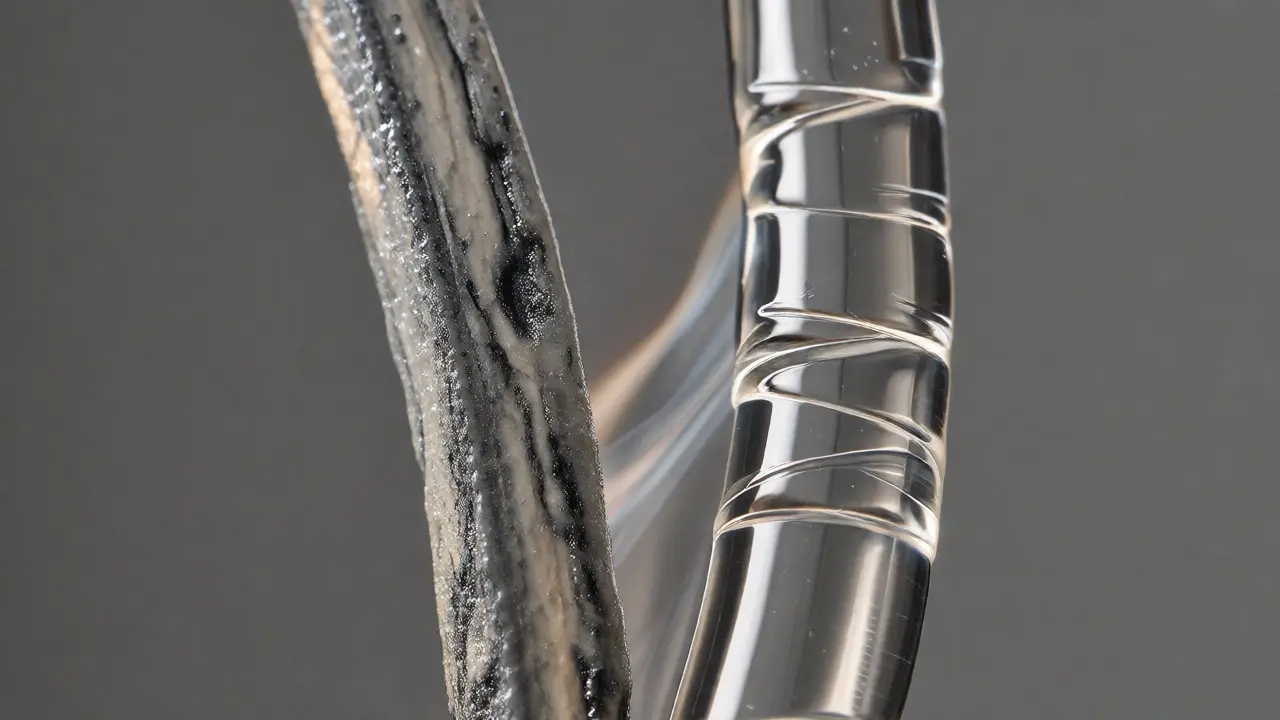
Once you've successfully transitioned to professional color, maintenance changes. Box dye fades quickly because it sits on the surface, requiring touch-ups every 2-3 weeks. Professional color penetrates deeper and fades more gracefully, typically lasting 4-8 weeks depending on your growth rate and shampoo habits.
To protect your investment, switch to sulfate-free shampoos designed for color-treated hair. Use a bond-building treatment like Olaplex No. 3 or K18 once a week to repair the structural integrity compromised by the initial box dye usage. Remember, professional color lasts longer, meaning fewer trips to the sink, which ultimately reduces cumulative damage over time.
Frequently Asked Questions
Will professional dye lift box dye?
Generally, no. As the saying goes, "color does not lift color." Permanent box dye deposits pigment that permanent professional dye cannot lighten further. To go lighter, you must use a bleach or a dedicated color remover first. Applying lighter professional dye over dark box dye will likely do nothing or just darken the ends due to porosity.
How long should I wait after using box dye before seeing a professional?
Ideally, wait 2-4 weeks. This allows your scalp's natural oils to replenish, providing a buffer against chemical irritation. It also gives you time to clarify your hair with a detox shampoo to remove product buildup, giving the colorist a true canvas to work with.
Does all box dye contain metallic salts?
Not all, but many do, especially darker shades and older formulations. Metallic salts create a coating on the hair that prevents professional color from penetrating evenly. If you suspect metallic buildup, a strand test with bleach is crucial; if the hair heats up or turns green, metallics are present.
Can I use semi-permanent professional dye over box dye?
Yes, this is often the safest DIY option. Semi-permanent glosses (like Redken Shades EQ) deposit color without lifting or damaging the hair. They can help blend banding and refresh dull box dye results, though they won't change your base level significantly.
Is it cheaper to fix box dye at home or in a salon?
Home kits are cheaper upfront ($15-$30), but failed corrections double or triple the cost. A salon correction averages $300-$600. If you get it right the first time at home, you save money. If you botch it, you pay for the kit plus the salon bill. Given the unpredictability of box dye, the salon route is often more cost-effective in the long run.