
It sounds like a contradiction. If you are completely bald, there is nothing to attach an extension to. Traditional hair extensions-whether they are clip-ins, tape-ins, or sew-ins-require existing hair strands to anchor onto. Without that foundation, the glue has nowhere to stick, and the clips have nothing to grip. So, how do people with total or near-total hair loss achieve the look of full, thick hair?
The short answer is that they don't use "extensions" in the traditional sense. Instead, they use specialized attachment methods designed for bare scalps or extremely sparse hair. These solutions range from medical-grade adhesives used with hair systems to surgical grafts that create new anchors. Understanding these options is crucial because using standard beauty products on a bald scalp can lead to irritation, infection, or visible damage.
Why Standard Extensions Fail on Bald Scalps
Before looking at what works, it helps to understand why the usual methods fail. Most commercial hair extensions rely on friction or tension. Clip-in extensions need at least three inches of natural hair to clamp securely without slipping off during movement. Tape-in extensions require healthy hair shafts to sandwich the adhesive between; on a bald head, the tape would simply stick to your skin, causing painful removal and potential scarring.
Bonded extensions, which use hot glue or keratin bonds, pose even greater risks. Applying heat-based adhesives directly to a sensitive, exposed scalp can cause burns. Furthermore, the weight of heavy extension bundles can stretch fragile follicles if any miniaturized hair remains, accelerating shedding rather than preventing it. For someone who is bald, the goal isn't just adding volume-it's creating a secure, undetectable base that mimics natural growth.
Hair Systems (Toupees) as the Primary Solution
When people ask about extensions for baldness, they are often referring to Hair Systems. Also known as toupees or wigs, modern hair systems are far removed from the bulky, obvious pieces of the past. Today’s units are custom-made to match your specific hair color, density, and parting style. They sit on a thin base material-usually polyurethane or silk-that blends seamlessly with the scalp.
The key difference here is the attachment method. Instead of attaching to hair, the system attaches directly to the skin. This requires professional installation by a specialist who understands scalp chemistry and adhesion physics. A properly fitted hair system can withstand swimming, sweating, and daily activity without lifting. It offers the most realistic look for those with total alopecia or advanced male pattern baldness.
- Custom Base: The underside is tailored to your head shape, ensuring no gaps or bulges.
- Natural Hair: High-end systems use human hair, allowing you to style, wash, and dye them just like your own.
- Immediate Results: Unlike treatments that take months, a hair system provides instant coverage.
Adhesives and Bonding Techniques for Bare Skin
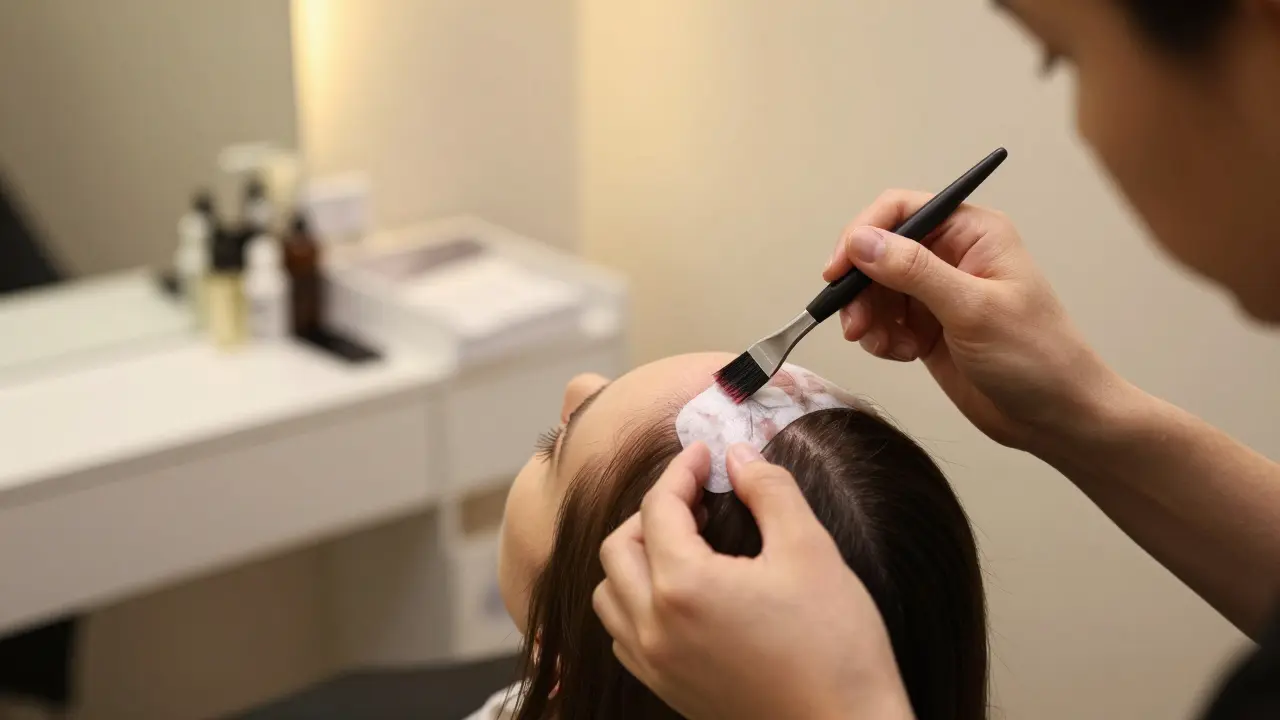
If you opt for a hair system, the adhesive is the unsung hero. You cannot use regular superglue or household tapes. Specialized medical-grade adhesives are formulated to be hypoallergenic and breathable. There are two main types: liquid adhesives and spray adhesives.
Liquid adhesives offer precision. A technician applies a thin layer around the perimeter of the hairline and lets it become tacky before pressing the unit into place. This method is ideal for precise hairlines but requires careful cleanup to avoid residue buildup. Spray adhesives provide broader coverage and are often easier for beginners to manage. They create a uniform bond across the entire surface, reducing the risk of edges lifting unexpectedly.
Maintenance is critical. You typically need to remove and reapply the system every one to two weeks. During this process, you must clean both your scalp and the base of the unit to prevent fungal infections or clogged pores. Using a dedicated adhesive remover ensures you don’t damage the delicate base material during cleaning.
Surgical Options: Creating New Anchors
For those who want a permanent solution rather than a removable one, surgery changes the game entirely. Follicular Unit Transplantation (FUT) and Follicular Unit Extraction (FUE) involve moving hair follicles from the back of your head (the donor area) to the balding regions. Once these grafts heal and grow, you technically have hair again. At that point, you can use traditional extensions sparingly to add extra length or volume, though most patients find their transplanted hair sufficient on its own.
This route is expensive and time-consuming. It takes six to twelve months to see final results. However, it eliminates the need for daily maintenance and adhesives. It is also the only option that addresses the root cause of hair loss by restoring biological function to the scalp. Not everyone is a candidate, as you need enough donor hair to support the procedure.
Scalp Micropigmentation: The Illusion of Density
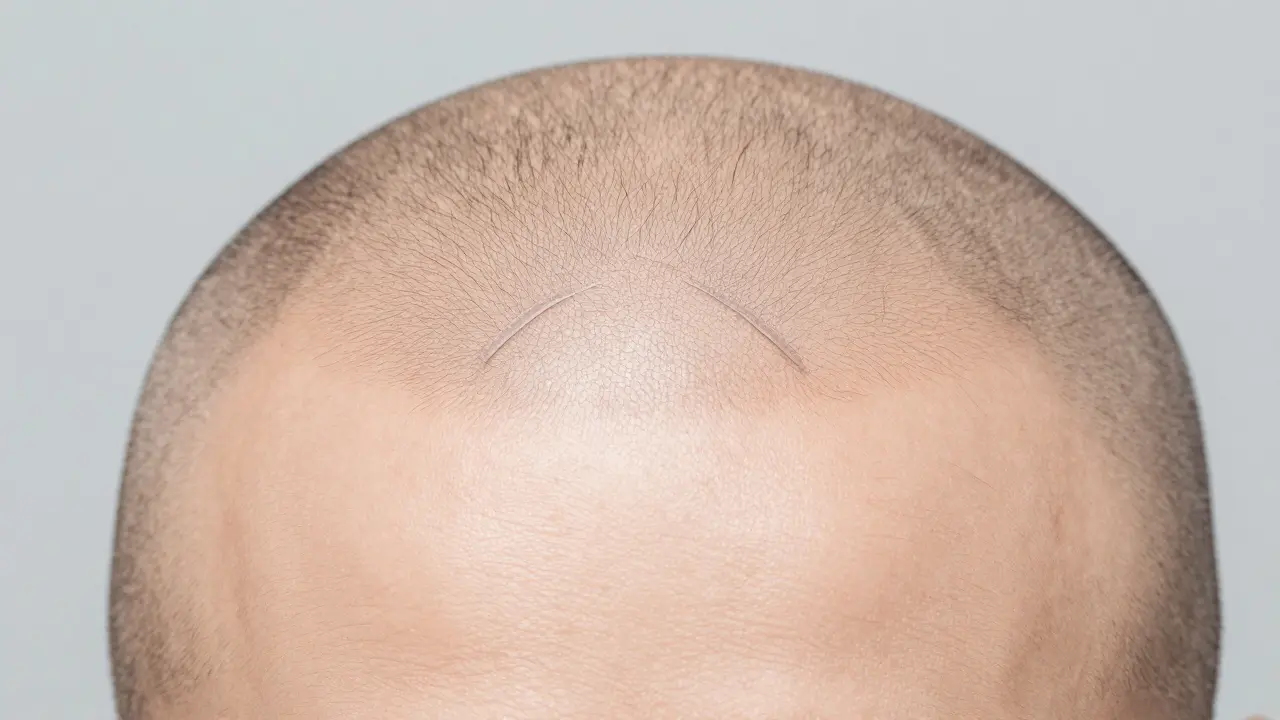
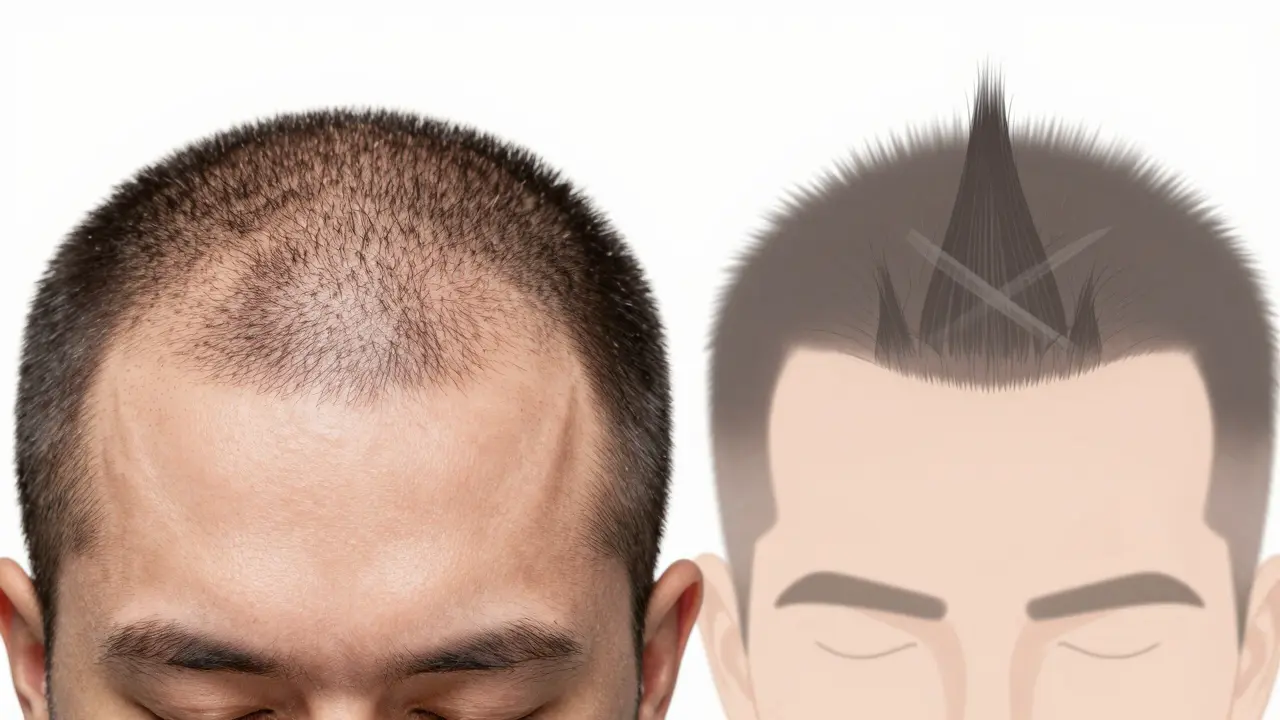
Not everyone wants to wear a wig or undergo surgery. Scalp Micropigmentation (SMP) offers a cosmetic alternative that mimics the appearance of closely shaved hair. Technicians use specialized tattoo needles to deposit pigment into the upper dermis, creating tiny dots that resemble hair follicles. This technique works exceptionally well for men who prefer a buzz-cut look or want to add density to thinning areas.
While SMP doesn’t give you long hair to tie up or style, it creates the visual effect of a fuller head. Many people combine SMP with a few strategic hair plugs or a lightweight hair system for added realism. It is low-maintenance, requiring only touch-ups every few years as the pigment fades naturally.
Non-Surgical Growth Stimulants
If your baldness is recent or partial, you might still have dormant follicles worth saving. Treatments like Minoxidil (Rogaine) and Finasteride (Propecia) are FDA-approved medications that can halt loss and regrow some hair. While they won’t restore a full head of hair overnight, they can thicken existing miniaturized hairs. This new growth might provide enough anchor points for lightweight clip-in extensions or weave tracks, bridging the gap between baldness and full coverage.
Another emerging technology is Low-Level Laser Therapy (LLLT). Devices like laser caps or combs use red light to stimulate cellular activity in the hair follicle. Studies show mixed results, but many users report improved hair thickness after consistent use over several months. Combining LLLT with topical treatments often yields better outcomes than either method alone.
Risks and Safety Considerations
Attempting to bond extensions directly to a bald scalp without professional guidance is dangerous. Improper adhesives can cause contact dermatitis, allergic reactions, and even permanent scarring. The scalp is highly vascular and sensitive; trapping sweat and bacteria under a tight seal can lead to folliculitis or deeper infections.
Always consult a dermatologist before starting any adhesive regimen. They can assess your scalp health and recommend hypoallergenic products. If you experience redness, itching, or pain, remove the product immediately and seek medical advice. Never ignore signs of irritation, as early intervention prevents long-term damage.
| Method | Cost Range | Maintenance Level | Realism | Best For |
|---|---|---|---|---|
| Hair Systems | $500 - $3,000+ | High (Weekly) | Very High | Total baldness, immediate results |
| Hair Transplant | $4,000 - $15,000 | Low | High (Natural) | Permanent solution, sufficient donor hair |
| Scalp Micropigmentation | $1,500 - $4,000 | Low | Medium (Stubble look) | Buzz cuts, adding density |
| Medications (Minoxidil) | $20 - $100/month | Medium | Variable | Early-stage thinning, maintenance |
Choosing the Right Path
Your choice depends on your budget, lifestyle, and expectations. If you want flexibility and don’t mind weekly upkeep, a high-quality hair system is likely your best bet. It offers the closest resemblance to natural hair without surgical risks. If you prefer a set-it-and-forget-it approach and have the financial means, a transplant provides lifelong benefits. For those seeking a low-commitment cosmetic fix, SMP delivers confidence without the hassle of adhesives.
Remember, there is no shame in choosing the path that makes you feel most comfortable. The goal is not just to cover baldness but to enhance your self-esteem. Consult with professionals in each field to get personalized advice based on your unique scalp condition and hair goals.
Can I use clip-in extensions if I am completely bald?
No, clip-in extensions require existing hair to attach to. On a completely bald scalp, they will not stay in place and may slip off, causing frustration and potential damage to the clips themselves. You need a method that adheres to the skin, such as a hair system with medical-grade adhesive.
Is it safe to glue hair extensions directly to my scalp?
Only if you use specialized, hypoallergenic medical adhesives designed for hair systems. Regular glues or tapes can cause severe allergic reactions, skin irritation, and infections. Always consult a dermatologist or a certified hair replacement specialist before applying any adhesive to your scalp.
How much does a custom hair system cost?
Prices vary widely based on quality and customization. Basic synthetic units may start around $100, while high-end human hair systems with custom bases and coloring can range from $500 to over $3,000. Additionally, you must budget for adhesives, removers, and periodic replacements, which add to the ongoing cost.
Can hair transplants help me wear extensions later?
Yes, once the transplanted hair has grown in and matured (typically after 12-18 months), you can use lightweight extensions to add volume or length. However, most people find that the transplanted hair provides sufficient coverage on its own, making additional extensions unnecessary.
What is the maintenance routine for a hair system?
You typically need to remove the system every 1-2 weeks to clean your scalp and the unit. This involves using a specialized adhesive remover, washing the base gently, and reapplying fresh adhesive. Daily care includes brushing carefully and avoiding excessive heat or harsh chemicals that could degrade the hair fibers.