

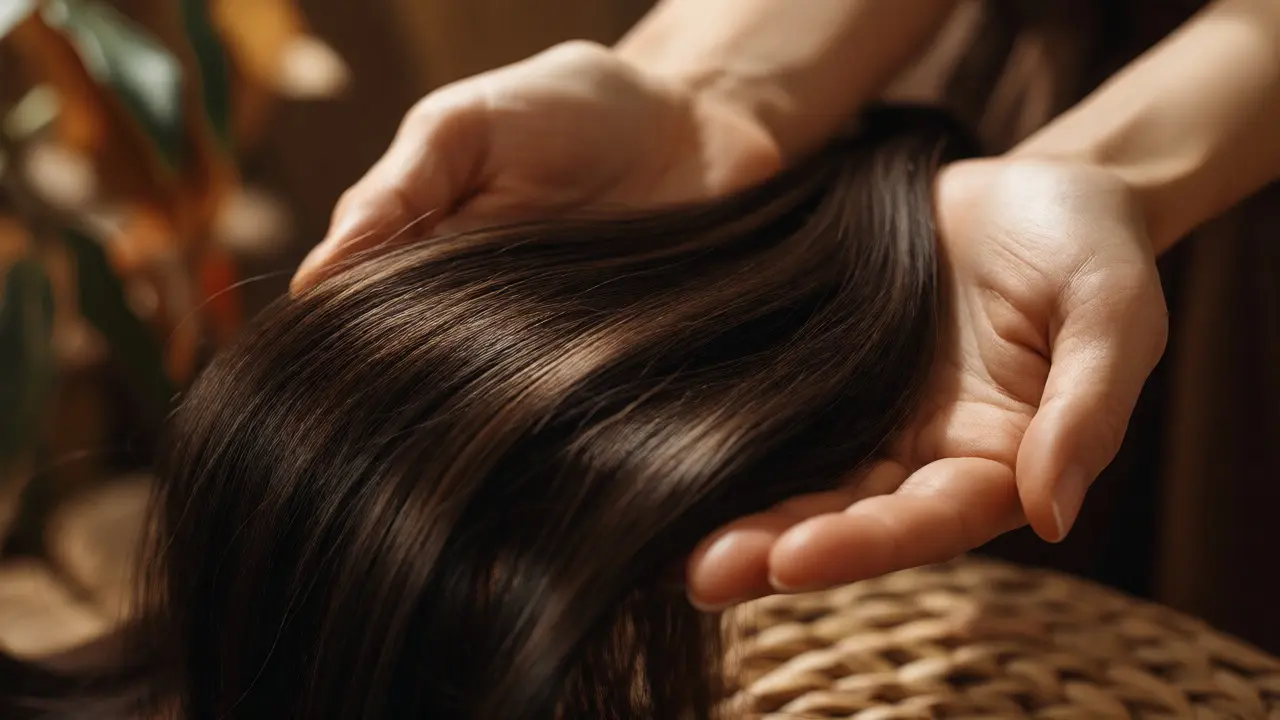
You’re staring at a box of El-Milano Hair Extensions, wondering if that premium price tag actually buys you peace of mind or just fancy packaging. In a market flooded with "virgin" claims that often hide tangled truths, figuring out where your hair really comes from feels like detective work. You want length and volume without the guilt trip, right? That’s exactly why we need to talk about what makes El-Milano stand out-or fall short-when it comes to ethical sourcing. This isn't just about pretty strands; it's about transparency, fair labor, and whether these extensions will actually last past the first wash.
The Real Meaning Behind 'Ethically Sourced'
Let’s cut through the marketing fluff. When a brand says their hair is ethically sourced, they aren’t just saying it smells nice. They are making a specific claim about the supply chain. For El-Milano, this means tracing the journey of the hair from the donor’s head to your salon chair. True ethical sourcing involves three non-negotiables: informed consent, fair compensation, and traceability.
Think about it like buying coffee. You wouldn’t drink cheap instant coffee if you knew the farmers were exploited, right? The same logic applies here. Many vendors buy hair in bulk from temples in India or markets in Vietnam without knowing who actually donated it or if they were paid fairly. El-Milano positions itself by claiming direct relationships with donors. This usually means individual women selling their own hair, rather than middlemen scraping up bundles from temple floors. If you can’t ask "Who did this come from?" and get a clear answer, it’s not truly ethical.
Where Does El-Milano Get Their Hair?
Geography matters more than you think. Most high-quality human hair comes from Asia, specifically India, Vietnam, and China. Each region has different textures and processing methods. El-Milano primarily sources from regions known for strong, coarse hair that holds curls well, typically South Asian origins. But here’s the catch: origin doesn’t automatically equal ethics.
In some parts of India, hair is collected as part of religious offerings (tonsuring). While this is voluntary, the money often goes to the temple, not directly to the woman who grew the hair. Ethical brands like El-Milano aim to bypass this by working with independent collectors who pay donors directly. This ensures the person cutting their hair gets the cash value of their sacrifice. It’s a small detail, but it changes the entire moral landscape of your purchase.

Quality Check: Virgin vs. Remy Hair
Understanding the technical terms helps you spot fakes. Virgin hair means the hair has never been chemically processed-no dye, no bleach, no perms. It’s in its natural state. Remy hair refers to how the cuticles are handled. All cuticles must be intact and aligned in the same direction. If they aren’t, the hair tangles massively after one shower.
| Hair Type | Cuticle Alignment | Processing | Lifespan |
|---|---|---|---|
| Non-Remy | Mixed/Stripped | High Chemical | 3-6 Months |
| Remy | Aligned | Low/None | 1-2 Years |
| Virgin Remy | Aligned & Intact | Zero Chemical | 2+ Years |
El-Milano generally markets its top-tier lines as Virgin Remy. This is the gold standard. Why? Because when cuticles are aligned, the hair slides against itself smoothly instead of catching and matting. If you’ve ever bought cheap extensions that turned into a bird’s nest after two weeks, you bought non-Remy. Always check if the vendor guarantees cuticle alignment. If they can’t show you photos of the raw bundle before processing, be skeptical.
Transparency and Traceability Standards
How do you verify the story? Look for third-party audits. Reputable ethical brands don’t just take our word for it; they invite external organizations to inspect their factories and collection points. Organizations like the Fair Wear Foundation or specific beauty industry certifications provide credibility. El-Milano highlights its supply chain visibility, allowing customers to potentially trace batches back to regional collection centers.
This isn’t just PR. Traceability protects you too. If there’s a quality issue, a transparent company knows exactly which batch came from which region, making returns and quality control much faster. Opaque companies just say "bad luck." When shopping, look for specific details on their website: names of partner villages, average prices paid to donors, or videos of the sorting process. Vague statements like "we care about people" mean nothing without data.
Caring for Your Ethical Investment
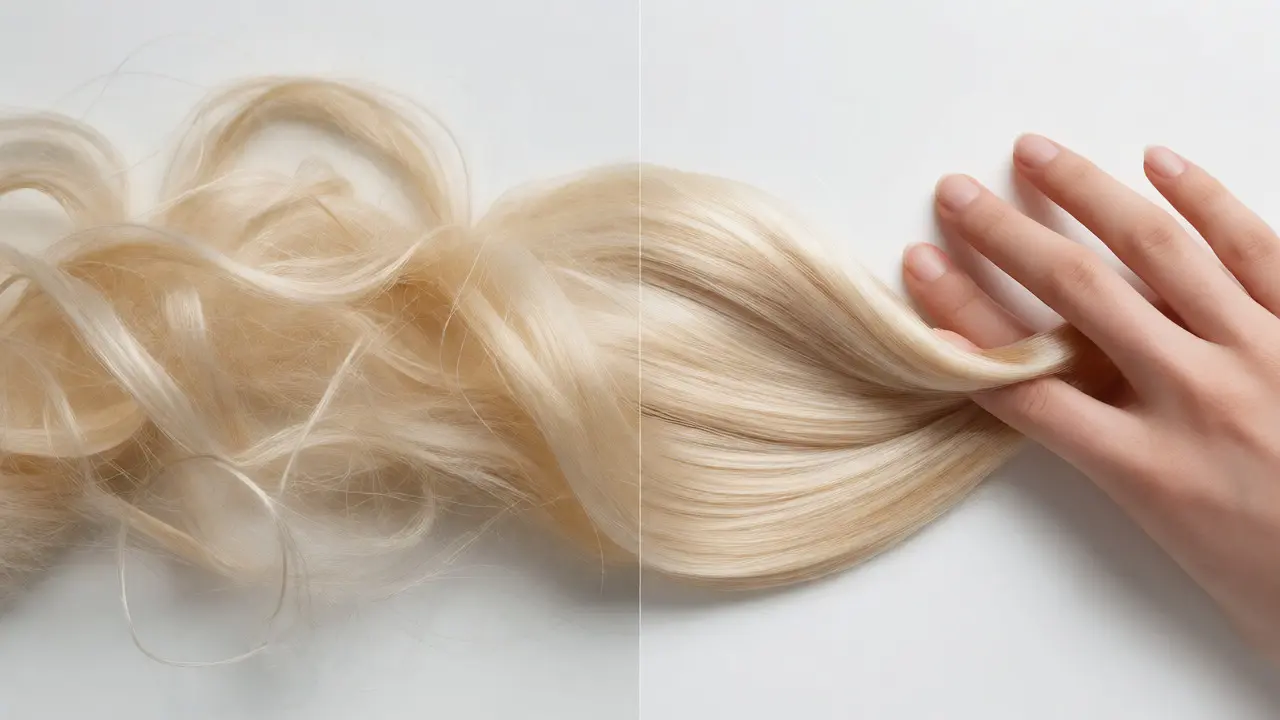
You paid extra for ethics and quality, so don’t ruin it with bad habits. Human hair behaves like your own scalp hair-it needs moisture and gentle handling. Since El-Milano extensions are unprocessed virgin hair, they retain their natural oils longer than synthetic blends, but they also lack the protective coatings that cheaper processed hairs have.
- Sulfate-Free Shampoos: Harsh sulfates strip natural oils, leading to dryness and tangling. Use a moisturizing, sulfate-free formula.
- Cold Water Rinse: Finish your wash with cold water to seal the cuticles. This adds shine and reduces frizz.
- Braiding at Night: Never sleep with loose extensions. A loose braid prevents friction against your pillowcase.
- Heat Protection: Even virgin hair burns. Always use a heat protectant spray before using curling irons or straighteners.
Treat them like fine silk, not cotton t-shirts. Proper care extends the life of the extensions from six months to over two years, amortizing that higher upfront cost significantly.
Is It Worth the Price Tag?
Let’s talk numbers. Standard synthetic extensions might cost $50-$100. Mid-range human hair runs $150-$300. Premium ethical options like El-Milano often sit in the $300-$600 range depending on length and density. Is the difference worth it?
If you wear extensions daily, yes. Cheap hair requires replacement every few months. High-quality virgin hair lasts years. Do the math: replacing $100 bundles four times a year costs $400 annually. A $500 set that lasts two years costs $250 annually. Plus, ethical sourcing supports fair wages, which aligns with conscious consumer values. If you only wear them occasionally, maybe mid-range is fine. But for everyday wear, quality wins on both durability and conscience.
Are El-Milano hair extensions really 100% human hair?
Yes, El-Milano specializes in 100% human hair. Specifically, their premium lines are Virgin Remy hair, meaning no synthetic fibers are blended in. You can test this by burning a small strand: human hair turns to ash and smells like burnt protein, while synthetic melts into a plastic ball.
Can I dye El-Milano extensions?
Absolutely. Because they are virgin hair, they haven't been previously dyed or bleached. This allows you to customize the color to match your natural hair perfectly. However, always do a strand test first and avoid going more than two shades lighter to preserve integrity.
What makes sourcing 'ethical' versus regular sourcing?
Ethical sourcing ensures donors are paid fair market rates directly, work in safe conditions, and provide informed consent. Regular sourcing may involve middlemen taking large cuts, anonymous donations where donors receive little to no money, or poor working conditions in processing factories.
How long do El-Milano extensions last?
With proper care, including sulfate-free products and nightly braiding, El-Milano extensions can last 18 to 24 months. Poor maintenance, such as using alcohol-heavy styling products or excessive heat, can reduce this lifespan to under a year.
Do they offer a warranty?
Most premium vendors, including El-Milano, offer a limited warranty against manufacturing defects like shedding or tangling within the first 30 days. However, damage caused by improper installation or care is typically not covered.


Meagan Mueller
September 25, 2026 AT 09:46its all a big lie the temples arent paying anyone its just middlemen taking cuts while the women get scraps and you pay for the packaging not the hair
Elizabeth Brooks
September 27, 2026 AT 01:23actually if u look at their supply chain reports they do have audits but yeah the temple thing is complicated cause some go to charity funds not direct cash which is still ethical in a way i guess? 🤔
Dave Gibbeson
September 28, 2026 AT 06:20LISTEN UP. If you want longevity you need to stop buying cheap junk immediately.
Here is the truth nobody tells you: The cuticle alignment is EVERYTHING. El-Milano is legit because they align them properly. But you MUST treat them right or they will fail you.
Stop using regular shampoo with sulfates. It strips the natural oils that keep the hair smooth. You need sulfate-free only. Always. No exceptions.
When you wash them, rinse with cold water. This seals the cuticles shut so dirt doesn't get in and shine stays on.
Sleeping with loose extensions is a death sentence for your investment. Braid them up every single night. Friction from the pillowcase causes tangles that you cannot undo without cutting it off.
Use heat protectant. Even virgin hair burns. Do not skip this step or you will have fried ends in three months.
If you follow these rules your extensions will last two years easily. That saves you hundreds of dollars compared to replacing cheap bundles four times a year.
Do the math. Buy quality once cry once. Buy cheap twice cry twice. It is that simple.
I have seen too many people waste money because they thought they could skip maintenance. You cannot. Human hair is alive-ish. It needs care.
Trust me on this. I have helped dozens of clients switch to high-quality Remy hair and their satisfaction rates skyrocketed when they learned proper care.
So go buy the good stuff. Take care of it. Enjoy the volume and length that actually looks real.
You deserve to feel confident without worrying about tangling knots every morning.
Get out there and slay with those extensions!
Let's go team!
Art HND
September 29, 2026 AT 03:51Overpriced hype. Synthetic blends have improved drastically. Most people can't tell the difference anyway. Waste of money.
Mark Harvey
September 29, 2026 AT 17:43hey everyone great discussion here just wanted to add that finding the right match is key so maybe try a small weft first before committing to the full set thats always worked well for my clients
Deb Kortyna, MBA
September 29, 2026 AT 18:57It is absolutely imperative to consider the ethical implications of our consumer choices. The narrative surrounding 'virgin' hair often obscures the labor practices involved in its collection. One must ask whether the premium price truly reflects fair compensation for the donors or merely covers marketing costs. Furthermore, the durability argument holds weight; however, one must also weigh the environmental impact of synthetic alternatives versus human hair sourcing. It is a complex ethical dilemma that requires more than just a superficial glance at branding. We should demand transparency not just as a trend but as a moral obligation. Let us not forget that behind every bundle of hair is a human story often overlooked by the end consumer.
Sabrina Newland
September 30, 2026 AT 16:51omg yes!! 😭🙌 i totally agree w/ deb its like why do we ignore the human cost for vanity?? but also... does anyone else find it weird that 'ethical' becomes a luxury item only rich peeps can afford?? 💸🧠✨ feels kinda dystopian ngl 🤯💕
Brandon Olvera
October 1, 2026 AT 17:21American brands better watch out or we'll take over the market soon enough.
alex kobri
October 2, 2026 AT 00:59the idea of traceability is fascinating but can we really trust any company's word on this without independent verification? its a philosophical problem of knowledge vs belief in commerce
Quintin Franzese
October 3, 2026 AT 19:07sweet summer vibes waiting for you in that box of hair. hope it doesn't turn into a bird's nest before you even open it lol
Amara Akbar
October 5, 2026 AT 16:04Hello dear community members, I hope this message finds you well. I would like to gently suggest that when considering El-Milano, please ensure you review their specific warranty terms carefully. Sometimes fine print regarding installation damage can be quite restrictive. It is always beneficial to consult with a professional stylist who has experience with this specific brand to avoid any unforeseen issues. Your peace of mind is paramount, and ensuring proper application is crucial for long-term satisfaction. Wishing you all beautiful and healthy hair days ahead.
Susan Cole
October 7, 2026 AT 08:55I prefer to stick to what I know works for me personally rather than jumping on trends.
Zach Loescher
October 8, 2026 AT 04:20interesting points raised here about the supply chain complexity.