

You sit on the treatment bed, heart pounding slightly as the esthetician warms up the wax. It’s a routine for millions of people worldwide, but if you are Muslim, there is often a quiet moment of hesitation. Is this act of smoothing your skin actually allowed by your faith? The short answer is yes, waxing is permissible in Islam for both men and women, provided it adheres to specific guidelines regarding modesty, pain tolerance, and the intention behind the act.
This isn't just about aesthetics; it’s about understanding where personal grooming intersects with religious obligation. Many Muslims grow up hearing conflicting advice from relatives or community elders who might conflate cultural preferences with divine law. This guide clears up the confusion by looking directly at the primary sources: the Quran and the Hadith (sayings of the Prophet Muhammad).
The Religious Basis: Sunnah and Cleanliness
To understand why hair removal is encouraged rather than forbidden, we have to look at the concept of Taharah, which means ritual purity and cleanliness. In Islam, maintaining physical hygiene is not just a health recommendation; it is a spiritual duty. The Prophet Muhammad explicitly instructed his followers to remove excess body hair.
A well-known Hadith recorded in Sahih Bukhari states that the Prophet said: "There are two rights of nature (Fitrah) for all people: trimming the moustache and letting the beard grow, and plucking the hair of the armpits and shaving the pubic hair." He further added that these acts should be done within forty-five days.
This instruction applies to both genders, though the specifics differ. For men, the focus is often on the face (beard vs. mustache) and private areas. For women, the scope is broader, encompassing underarms, legs, arms, and the bikini line. The method used-whether it is shaving, plucking, sugaring, or waxing-is generally considered secondary to the act of removal itself, as long as the method does not cause excessive harm.
| Method | Islamic Ruling | Key Considerations |
|---|---|---|
| Shaving | Permissible | Quick regrowth; requires frequent maintenance to stay pure. |
| Waxing/Sugaring | Permissible | Longer-lasting results; involves pulling hair from root. |
| Laser Hair Removal | Debated/Permissible | Permanent reduction; some scholars caution against altering creation permanently. |
| Plucking | Permissible | Mentioned in Hadith; can be painful but effective. |
Women’s Body Hair: Specific Guidelines
For women, the question of waxing usually centers on legs, arms, and the bikini area. Scholars across the four major Sunni schools of thought (Hanafi, Maliki, Shafi'i, and Hanbali) agree that removing hair from these areas is part of Fitrah (natural disposition) and is highly recommended (Mustahabb).
The reasoning here is twofold. First, it maintains cleanliness, especially before prayer (Salah), where bodily impurities can invalidate the state of wudu (ablution). Second, it is considered a form of beautification, which is encouraged for spouses. However, the intention matters. If a woman removes hair solely to imitate non-Muslims in a way that rejects her own identity, some contemporary scholars advise caution. But generally, grooming for hygiene and modest beauty is fully supported.
What about facial hair? This is a nuanced area. Some scholars suggest that removing fine peach fuzz on the upper lip or chin is permissible if it causes distress or affects appearance significantly. Others argue that since the Prophet did not explicitly command women to remove facial hair, it remains neutral (Mubah) unless it becomes thick and resembles male characteristics, at which point removal becomes recommended.
The Issue of Pain and Exaggeration
One common concern among Muslims is whether the pain associated with waxing violates the principle of avoiding unnecessary harm. Islam encourages patience, but it also discourages self-harm. The Prophet Muhammad said, "There should be neither harming nor reciprocating harm."
However, minor pain endured for cleanliness and grooming is not considered "harm" in the legal sense. Think of it like flossing your teeth-it might sting occasionally, but it’s necessary for health. Waxing falls into this category. The key is moderation. If a person has a medical condition that makes waxing dangerous (like severe eczema or blood clotting disorders), then they are exempt and should use alternative methods.
Another point of contention is the duration of hair growth. Since the Hadith mentions a 45-day limit for armpit and pubic hair, many Muslims try to keep their skin smooth within this timeframe. Waxing is actually an excellent choice here because it lasts longer than shaving, helping believers adhere to the 45-day guideline more easily without daily effort.
Modesty and Gender Interactions During Waxing
If the act of waxing is permissible, what about the process? This is where practical application meets strict Islamic etiquette. For a Muslim woman, being seen by a non-mahram man (a man she could potentially marry) is restricted to certain body parts. Generally, the face and hands are visible, but legs, arms, and torso are covered.
This creates a logistical challenge when visiting a salon. Here are the practical steps many Muslim women take:
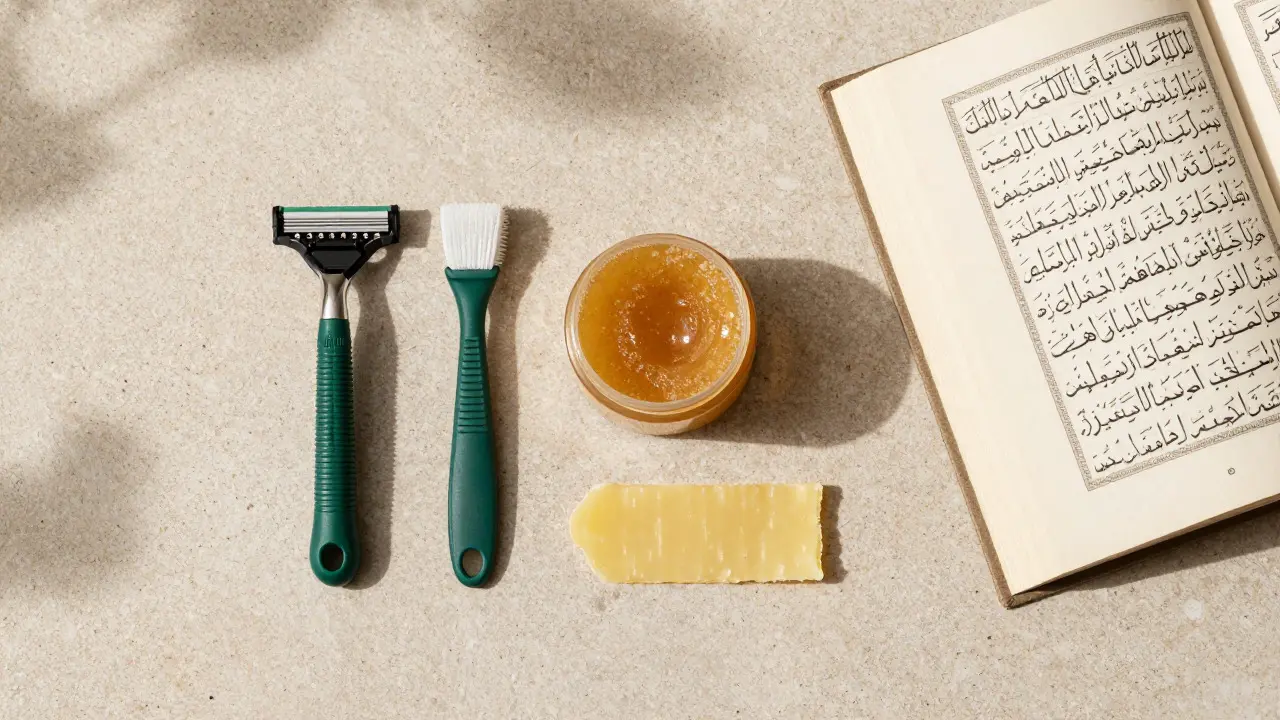
- Choose Female Practitioners: The most straightforward solution is to book appointments with female estheticians. This eliminates any concerns about awrah (parts of the body that must be covered).
- Private Rooms: If only male practitioners are available, ensure the service takes place in a completely private room with no windows or mirrors that reflect other areas.
- Minimal Exposure: Wear loose clothing that can be adjusted to expose only the area being treated. Use towels strategically to cover other parts of the body.
- Home Waxing Kits: Many Muslims opt for DIY waxing kits to maintain complete privacy and control over the environment. This avoids any interaction with opposite-gender staff entirely.
It’s worth noting that in many Western countries, finding female-only spas or practitioners can be difficult. In such cases, scholars often emphasize intent and necessity. If a woman needs to remove hair for hygiene reasons and no female practitioner is accessible, using a male practitioner in a strictly professional, private setting is often viewed as acceptable, though less ideal.
Cultural Myths vs. Religious Facts
One of the biggest hurdles in answering "is waxing halal" is separating culture from religion. In many South Asian and Middle Eastern communities, there are strong cultural taboos around certain types of hair removal. For example, some older generations might view leg waxing as "Western" and therefore haram (forbidden), simply because it wasn’t practiced in their villages decades ago.
This is a logical fallacy. Just because something is new doesn’t make it forbidden. Conversely, just because something is traditional doesn’t make it obligatory. The core Islamic principle is flexibility. As long as the action doesn’t contradict explicit texts from the Quran or authentic Hadith, it is generally permitted.
Consider the ingredient composition of the wax itself. Some Muslims worry about alcohol-based products or animal-derived gelatin. While these are separate issues (halal food/cosmetic standards), they don’t inherently make the *act* of waxing haram. If you are concerned about ingredients, look for vegan wax strips or sugar paste (sugaring), which are naturally derived and free from animal products. Sugaring, in particular, has ancient roots in Persia and Egypt, making it historically compatible with pre-Islamic and early Islamic hygiene practices.
Men’s Grooming and Waxing
While the conversation often focuses on women, men also have grooming obligations. Men are required to trim their mustaches and let their beards grow. But what about chest hair, back hair, or arm hair?
For men, removing hair from the armpits and pubic region is mandatory within the 45-day window. Beyond that, removing chest or back hair is generally considered Mubah (neutral) unless it becomes excessive or unkempt. Some modern Muslim men choose to wax their chests or backs for aesthetic reasons, similar to fitness models. Scholars generally permit this, viewing it as a personal preference rather than a religious violation, provided it doesn’t lead to imitating women (which would be discouraged).
However, men should avoid removing their beards entirely, as this contradicts the clear Sunnah. Waxing off a beard would be considered sinful by most jurists. So, while chest waxing is fine, beard waxing is a big no-no.
Practical Tips for Halal-Friendly Waxing
If you’ve decided to proceed with waxing, here are some tips to ensure the experience aligns with your values and comfort level:
- Check Ingredients: Look for natural waxes like beeswax or sugar paste. Avoid products with questionable additives if you follow strict halal cosmetic guidelines.
- Timing Matters: Try to schedule waxing sessions so that you remain clean and presentable for Friday prayers (Jumu'ah). Many Muslims prefer to wax a few days before Jumu'ah to ensure smoothness during the congregational prayer.
- Pain Management: Take an over-the-counter pain reliever 30 minutes before your appointment if you have a low pain threshold. Patience is virtuous, but managing discomfort helps you stay calm and focused.
- Post-Care Hygiene: After waxing, keep the area clean to prevent infection. This ties back to the core Islamic value of Taharah. Avoid tight synthetic clothing immediately after to reduce irritation.
- DIY Options: Consider learning how to use a hard wax kit at home. Brands like Sugar Off! or Veet offer reliable options. This gives you total control over privacy and product safety.
Conclusion: Confidence in Cleanliness
In summary, waxing is not only permissible in Islam but is often encouraged as part of maintaining personal hygiene and following the Sunnah. The key lies in intention, modesty, and moderation. Whether you are a woman smoothing her legs for confidence or a man keeping his underarms clean for prayer, the act itself is rooted in a tradition of purity.
Don’t let cultural myths or fear of judgment stop you from practicing good hygiene. Islam is a religion of balance and ease. By choosing ethical products, respecting modesty boundaries, and focusing on cleanliness, you can embrace waxing as a positive aspect of your self-care routine.
Is laser hair removal haram in Islam?
Laser hair removal is a subject of debate among scholars. Most contemporary scholars consider it permissible for temporary reduction, especially for medical reasons or significant hygiene benefits. However, some caution against permanent removal if it alters God's creation excessively. It is best to consult a local scholar for your specific situation.
Can a Muslim woman get waxed by a male esthetician?
Ideally, a Muslim woman should seek a female practitioner to maintain modesty (awrah). If no female is available, it may be permissible in cases of necessity, provided the interaction is strictly professional, private, and minimal exposure occurs. Using home waxing kits is often a preferred alternative.
Does waxing break wudu (ablution)?
No, waxing does not break wudu. Wudu is broken by specific actions like using the bathroom, sleeping, or losing consciousness. Removing hair is a grooming activity and does not affect your state of ritual purity. In fact, removing hair helps maintain the cleanliness required for wudu.
Is it haram to remove eyebrow hair?
Trimming eyebrows to neaten them is generally permissible. However, excessive shaping or thinning to change the natural shape significantly was discouraged in some Hadiths. Most modern scholars allow light grooming for neatness, distinguishing it from extreme alteration.
What is the best time to wax according to Islamic teachings?
There is no specific "best time" dictated by religion, but the Hadith suggests removing armpit and pubic hair every 45 days. Many Muslims choose to wax before Friday prayers (Jumu'ah) to ensure they are clean and presentable for the weekly congregational prayer.