
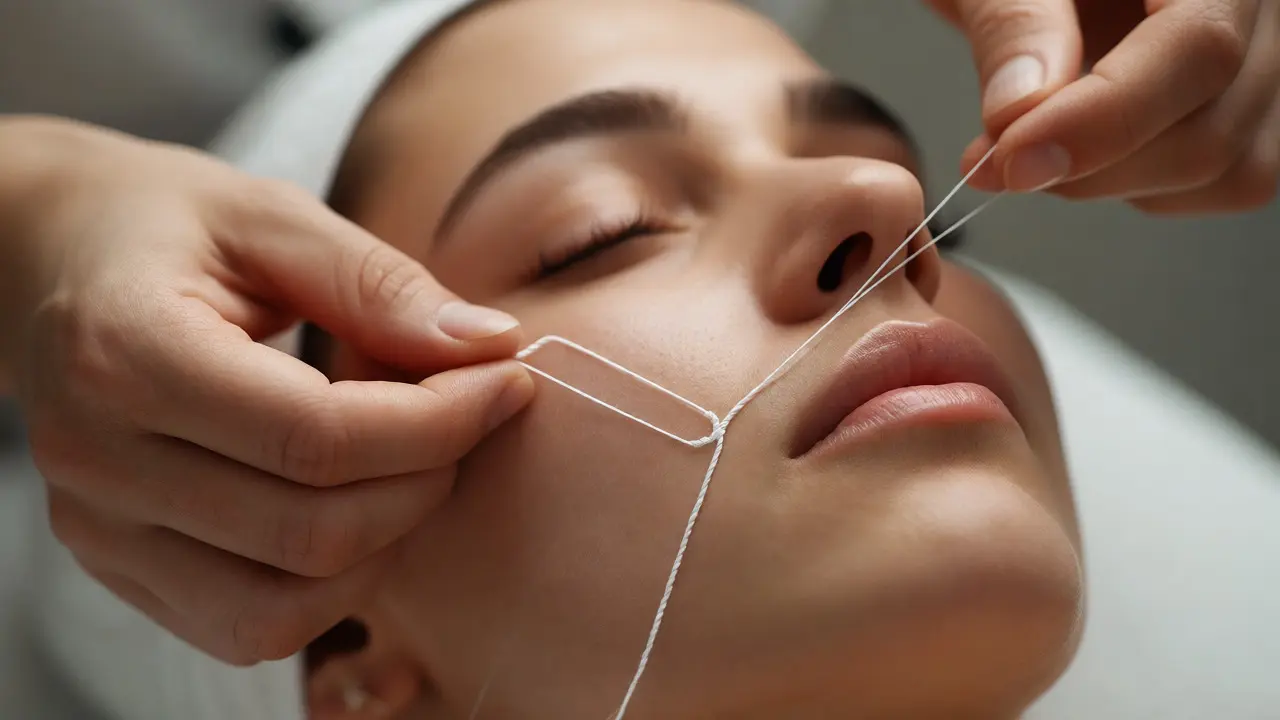
You’ve probably seen it at the mall or your local spa: two threads twisting together, pulling hair out from the root with surgical precision. It looks like magic, but when you consider doing it on your entire face-not just your eyebrows-you might pause. Full face threading is a method of hair removal that uses a twisted cotton thread to lift unwanted hair from the follicle. Unlike waxing, which pulls large patches of skin, or tweezing, which is slow and painful, threading targets individual hairs. But is it safe for sensitive areas like the upper lip, chin, and cheeks? The short answer is yes, for most people, provided you follow strict hygiene protocols and know your skin type.
What Exactly Is Full Face Threading?
Before we talk about safety, let’s make sure we’re all picturing the same thing. Threading originated in South Asia and the Middle East centuries ago. A trained practitioner holds one end of a thin cotton thread between their teeth (or fingers) and twists the other end with their hands. This creates a lasso-like effect that traps hair and yanks it out as the thread moves across the skin.
When applied to the full face, this technique removes hair from:
- The forehead and temples
- The upper lip and chin
- The jawline and neck
- The sideburns area
The goal isn’t just hair removal; it’s exfoliation. Because the thread drags slightly against the skin, it lifts dead skin cells along with the hair. Many clients leave with smoother skin than they had before the appointment. However, that same friction can be a double-edged sword if your skin barrier is compromised.
The Safety Profile: Why Dermatologists Often Prefer It
If you have ever had a bad reaction to wax, you know the horror of burns or lifted skin. Threading avoids these issues entirely because it doesn’t use heat or chemicals. It is purely mechanical. This makes it a safer option for people using retinoids, acids, or acne medications that thin the top layer of skin.
| Method | Mechanism | Risk Level | Best For |
|---|---|---|---|
| Threading | Mechanical pull via thread | Low (if hygienic) | Sensitive skin, precise shaping |
| Waxing | Adhesive strip or hot wax | Medium-High (burns, lifting) | Large areas, quick results |
| Tweezing | Pulling single hairs | Low (but time-consuming) | Stray hairs, maintenance |
| Dermaplaning | Blade scraping | Medium (cuts, infection) | Vellus hair, makeup prep |
Dermatologists often recommend threading over waxing for patients with rosacea or eczema. Why? Wax adheres to live skin cells. When ripped off, it can cause micro-tears. Thread only grabs the hair shaft. If done correctly, the skin remains intact. That said, "correctly" is the key word here.
Potential Risks and Side Effects
No procedure is zero-risk. Here are the specific issues you might encounter with full face threading:
Ingrown Hairs
This is the most common complaint. Because threading pulls hair from the root, the new hair has to grow back through the skin surface. If the hair is curly or coarse, it may curl back into the follicle, causing an ingrown hair. This looks like a small red bump and can become infected if picked.
Folliculitis
If the thread isn’t clean, or if the technician touches the skin with unwashed hands, bacteria can enter the open follicles. Folliculitis presents as small white-headed pimples around the hair roots. It’s usually mild but can spread if ignored.
Bruising and Redness
Aggressive threading can cause minor bruising, especially on delicate areas like under the eyes or near the nose. You might also experience temporary erythema (redness) that lasts a few hours. This is normal inflammation from the trauma of extraction.
Hypopigmentation
In rare cases, particularly with darker skin tones, aggressive manipulation can lead to post-inflammatory hyperpigmentation (dark spots) or hypopigmentation (light spots). This happens when the melanocytes are disturbed by excessive friction.
Who Should Avoid Full Face Threading?
While threading is gentle, it’s not for everyone. Skip the appointment if you fall into these categories:
- Active Acne: Pulling thread over active cysts or pustules can rupture them, spreading bacteria across the face.
- Open Wounds or Sunburn: Any broken skin barrier increases infection risk.
- Recent Chemical Peels: Wait at least 7-10 days after a peel. Your skin is too fragile.
- Rosacea Flare-ups: The friction can trigger flushing and capillary damage during a flare.
If you are using prescription tretinoin or isotretinoin (Accutane), consult your dermatologist first. While threading is generally safer than waxing, the physical stress on the skin might still be too much for heavily medicated skin.
Hygiene: The Make-or-Break Factor
Here is where many salons fail. A shared thread is a vector for bacteria. In some traditional settings, technicians hold the thread in their mouths. While saliva contains enzymes, it also carries oral bacteria. If the thread drops on the floor and gets reused, you’re inviting trouble.
Look for these signs of a safe studio:
- The technician wears gloves.
- A fresh piece of thread is used for every client.
- Tools are disinfected between appointments.
- The area is well-lit and clean.
If you see a technician dipping a used thread back into a communal pot, walk away. Hygiene is non-negotiable when dealing with facial follicles.
Pre- and Post-Care Checklist
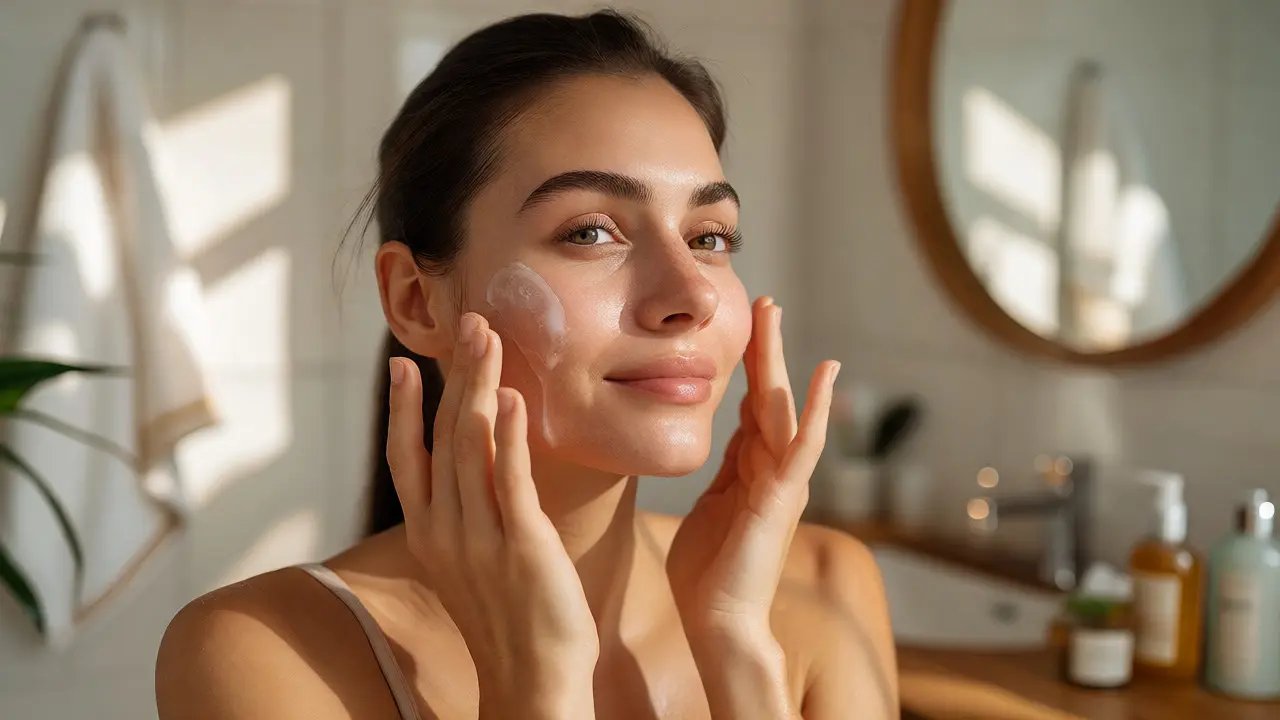
To minimize risks, follow this simple routine. It takes five minutes but saves you days of irritation.
Before Your Appointment
- Cleanse: Arrive with a bare face. No makeup, no sunscreen.
- Exfoliate Gently: Use a mild scrub 24 hours prior to remove dead skin, helping prevent ingrowns.
- Skip Retinol: Stop using strong actives 2-3 days before.
After Your Appointment
- Cool Down: Apply a cold compress or aloe vera gel to reduce redness.
- Avoid Heat: No saunas, hot yoga, or steam rooms for 24 hours. Heat opens pores and encourages bacterial entry.
- No Makeup: Let the skin breathe for at least 6-8 hours.
- Moisturize: Use a fragrance-free, non-comedogenic moisturizer.
Threading vs. Eyebrow Waxing Kits: Which is Better?
You mentioned an eyebrow waxing kit in your research. These kits are popular because they are cheap and convenient. But how do they stack up against professional threading?
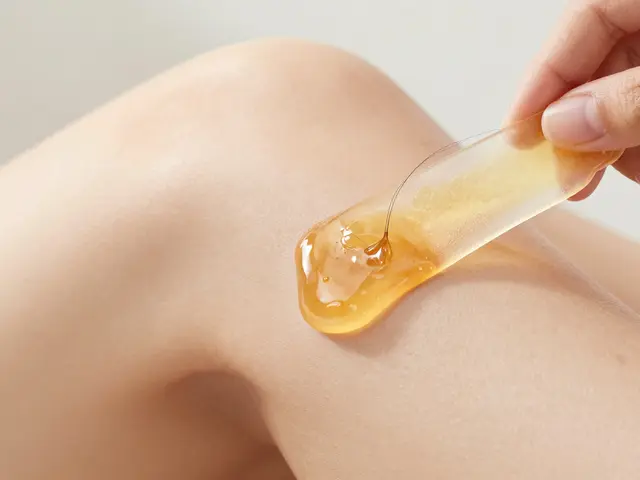
Waxing kits are great for speed. You apply warm wax, press a strip, and rip. It’s fast. But home waxing lacks precision. It’s easy to pull too much skin or miss stray hairs. Threading, even if you buy a DIY kit, requires significant skill. Most people find DIY threading frustrating and inefficient.
Professional threading offers superior definition. It shapes brows symmetrically and removes fine vellus hair that wax misses. If you want crisp lines and minimal irritation, threading wins. If you want a quick fix before a party, a waxing kit might suffice-but test it on a small patch first.
Tips for a Safe Experience
Ready to book your first full-face session? Keep these tips in mind:
- Communicate Pain Levels: Threading hurts more than waxing initially because it’s slower. Tell your esthetician if you need a break.
- Ask About Skin Prep: Some studios use numbing cream. Ask if this is offered and if it suits your skin.
- Check Reviews: Look specifically for comments about hygiene and ingrown hairs.
- Start Small: Try just eyebrows first. If your skin reacts well, expand to the full face next time.
Remember, your face is unique. What works for your friend might irritate your skin. Listen to your body. If redness persists beyond 24 hours, or if you notice pus-filled bumps, see a dermatologist. It could be a sign of staph infection, which requires antibiotics.
Ultimately, full face threading is a safe, effective, and chemical-free way to manage facial hair. It boosts confidence by clearing away peach fuzz and stray hairs that makeup clings to. Just ensure you choose a reputable provider who prioritizes cleanliness. With proper care, you’ll enjoy smooth, radiant skin without the drama of burns or rashes.
Does full face threading hurt?
Yes, it causes brief discomfort. Since the thread pulls hair from the root, you will feel a sharp pinch. However, the pain subsides quickly once the hair is removed. Many people find it less painful than waxing because there is no heat involved, and the sensation is localized rather than widespread.
How long do results last?
Results typically last 2 to 5 weeks, depending on your hair growth cycle. Since threading removes hair from the root, it takes longer for regrowth compared to shaving. Over time, repeated threading can weaken the follicle, leading to finer and sparser hair growth.
Can threading cause wrinkles?
No, threading does not cause wrinkles. The tension is applied to the hair, not the skin. Unlike waxing, which can stretch the skin if pulled incorrectly, threading leaves the skin structure intact. It may actually help maintain skin elasticity by avoiding the harsh chemicals found in depilatory creams.
Is threading safe for sensitive skin?
Generally, yes. Threading is often recommended for sensitive skin types because it avoids the heat and adhesives that trigger reactions in waxing. However, always inform your esthetician about your sensitivity so they can adjust their technique and pressure.
What should I avoid after threading?
Avoid sun exposure, tanning beds, swimming pools, and heavy makeup for at least 24 hours. Also, refrain from touching your face frequently to prevent transferring bacteria to the freshly opened follicles.