

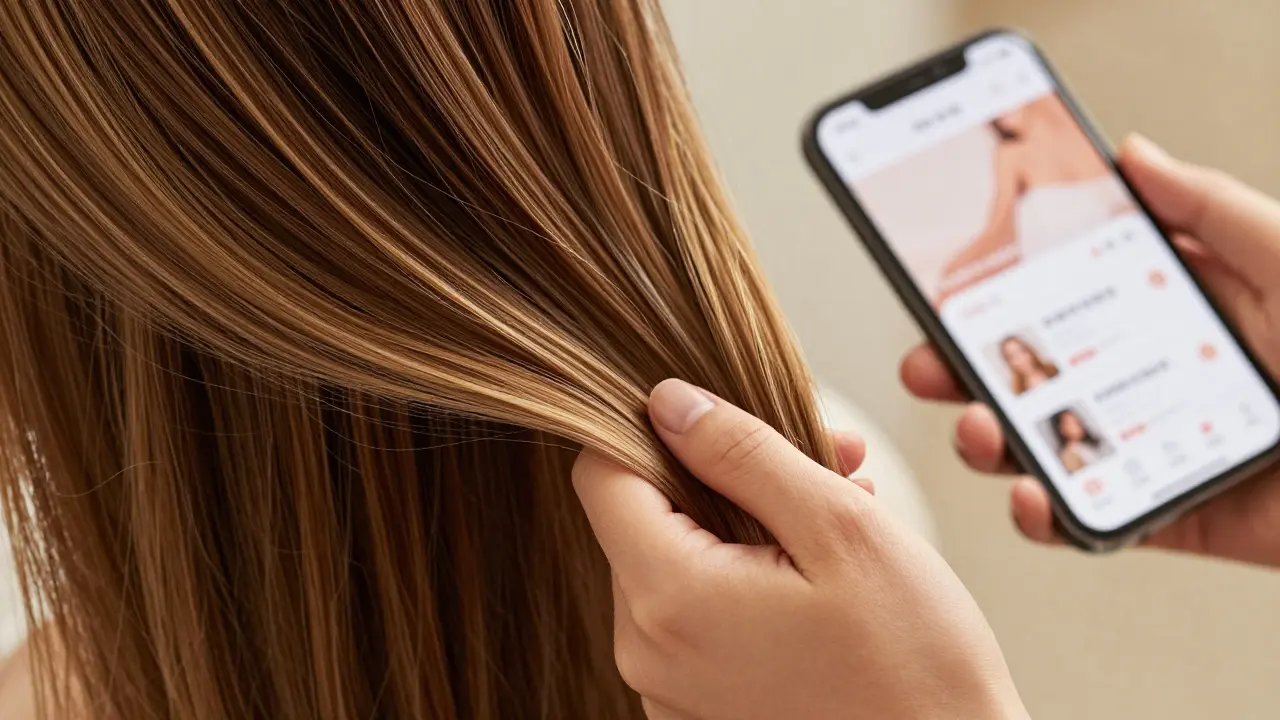
Buying hair extensions online feels like walking a tightrope. You see glossy photos of silky, long locks on social media, but you’ve probably heard the horror stories too-the tangles, the shedding, and that weird chemical smell when you open the package. The gap between what sellers show and what actually arrives is huge. But it doesn’t have to be this way. With the right knowledge about texture, sourcing, and vendor reputation, you can find extensions that look and feel just like your own hair.
The market has changed a lot since 2024. More regulations are in place regarding ethical sourcing, and technology has improved how we verify product quality remotely. If you know exactly what to look for-and where to look-you can skip the trial-and-error phase and go straight to great results. Here is how to navigate the online marketplace safely and effectively in 2026.
Understanding What Makes Hair 'High-Quality'
Before you even look at a website, you need to understand the materials. Not all hair is created equal, and the terminology used by sellers can be confusing. When people talk about high-quality hair extensions, they are usually referring to specific grades and types of hair fibers.
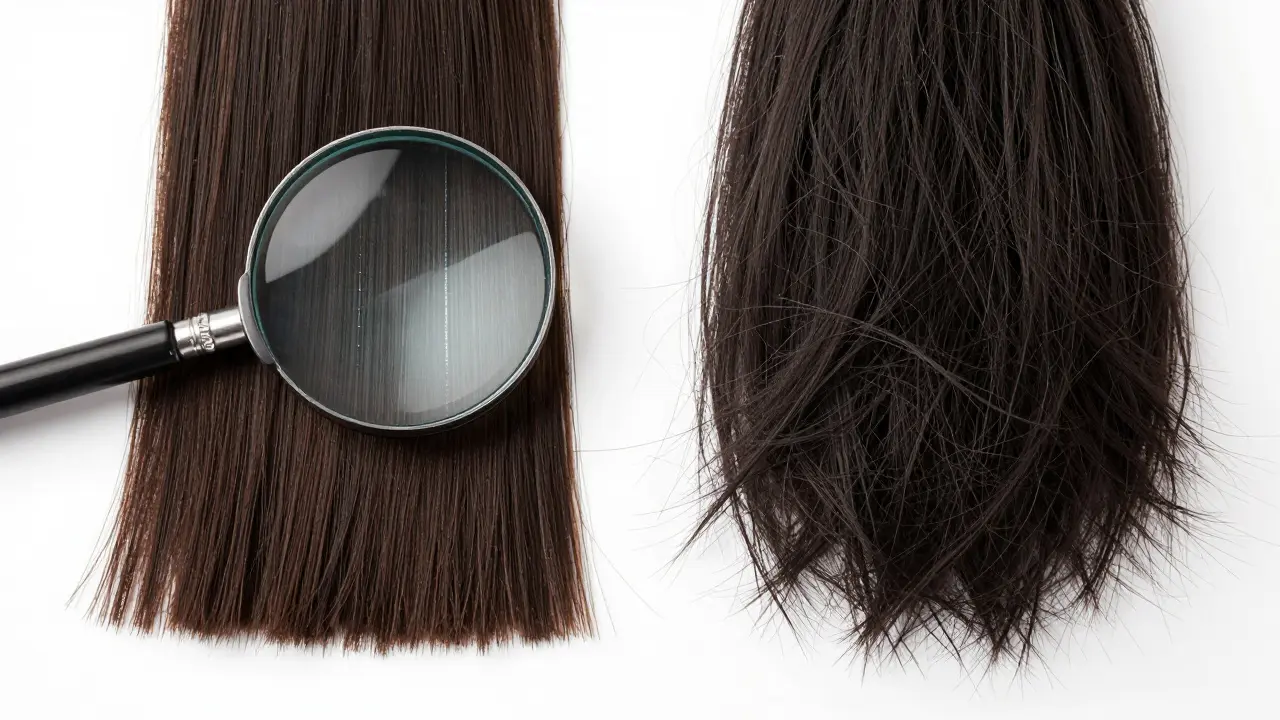
Remy Hair is hair where the cuticles are intact and aligned in the same direction. This is the gold standard. Because the cuticles aren't stripped or mixed up, the hair doesn't tangle as easily and lasts much longer. Non-Remy hair has cuticles that run in different directions, which causes friction and knots.
Then there is the origin. Virgin Hair is hair that has never been chemically processed, dyed, or permed. It retains its natural strength and shine. In 2026, transparency is key. Reputable sellers will tell you exactly where the hair comes from-whether it’s Indian, Brazilian, Peruvian, or European. Each type has a different texture. For example, Brazilian hair tends to be thicker and coarser, while European hair is often finer and silkier.
- Synthetic Hair: Good for temporary styles or cosplay, but cannot withstand heat styling above 350°F (175°C) and looks shiny/plastic-like over time.
- Blended Hair: A mix of human and synthetic fibers. Cheaper, but prone to tangling at the roots.
- 100% Human Remy: The best option for longevity, styling versatility, and natural appearance.
If a listing doesn’t specify "Remy" or "Virgin," assume it’s lower grade. Always check for these keywords first.
Top Trusted Platforms for Buying Extensions
You can find extensions everywhere, from massive general retailers to specialized boutiques. Each platform has pros and cons depending on your budget and risk tolerance.
| Platform Type | Examples | Pros | Cons |
|---|---|---|---|
| Specialized Extension Brands | Great Lengths, Balmain, Raquel Welch | High consistency, professional support, warranty options | Higher price point ($200-$800+) |
| Mid-Range Online Boutiques | BeautyMNL, HairMila, Uptress | Good balance of price and quality, detailed product info | Shipping times vary, limited return policies |
| Marketplaces | Etsy, Amazon | Huge variety, buyer protection programs | Inconsistent quality, hard to verify seller credibility |
| Direct-from-Manufacturer | AliExpress, DHgate | Lowest prices | High risk of scams, poor customer service, long shipping |
For most buyers, mid-range online boutiques offer the best value. They source directly from factories but add a layer of quality control. Specialized brands are worth it if you want salon-grade installations like tape-ins or micro-links. Avoid direct-from-manufacturer sites unless you are an experienced buyer who knows how to spot fakes.
Red Flags to Watch Out For
The internet is full of fake reviews and edited photos. Here is how to protect yourself from bad purchases.
- Pricing That Seems Too Good: Real human hair costs money to collect, sort, and process. If a bundle of 100% human Remy hair is priced under $50, it is likely synthetic, blended, or very low-grade. A reasonable price for good quality ranges from $80 to $200 per bundle, depending on length and thickness.
- Vague Descriptions: Look for specifics. Does the seller mention the country of origin? Do they explain their grading system? If the description just says "beautiful hair" without technical details, walk away.
- No Return Policy: Legitimate businesses stand behind their products. Check if they accept returns for hygiene reasons (some don’t, which is standard, but they should replace defective items). Look for clear contact information-not just a generic form.
- Stock Photos Only: Be wary if every photo looks like it was taken in a studio with perfect lighting. Look for user-generated content, videos showing movement, and close-ups of the weft or bonds.
Also, check the date of reviews. A store might have great reviews from two years ago but terrible service now. Look for recent feedback mentioning shipping speed and current product quality.
How to Verify Quality Before You Click 'Buy'
Since you can’t touch the hair before buying, you need to use other senses and tools. Here is a checklist to evaluate a product page thoroughly.
- Burn Test Videos: Some honest sellers provide videos of burning a small strand of their hair. Human hair burns slowly, turns to ash, and smells like burnt protein (like burning feathers). Synthetic hair melts into a hard plastic ball and smells like chemicals.
- Water Test Info: High-quality human hair absorbs water and dries slower than synthetic hair. Sellers who explain this behavior are usually more transparent.
- Customer Service Interaction: Send them a question before buying. Ask about the texture or color matching. If they respond quickly and professionally, it’s a good sign. Poor communication often leads to poor post-purchase support.
- Sample Bundles: Many reputable shops sell small sample bundles (2-3 inches) for a low cost. This is the safest way to test texture, color, and smell before committing to a full set.
Don’t rush. Take your time to research. The extra hour spent reading reviews and checking policies can save you hundreds of dollars and weeks of frustration.

Installation and Maintenance Tips
Once you get your extensions, how you install and care for them determines their lifespan. Even the best hair will fall apart if treated poorly.
For clip-ins, avoid clipping them onto wet hair or near the scalp where sweat accumulates. Remove them before sleeping to prevent tangling. Use sulfate-free shampoos and conditioners. Sulfates strip natural oils, making both your natural hair and extensions dry and brittle.
If you buy sew-in or tape-in extensions, consider paying a professional stylist for installation. DIY mistakes can lead to traction alopecia (hair loss caused by pulling) or damage to your natural hair. Proper placement ensures even weight distribution and a natural look.
Store your extensions properly when not in use. Lay them flat or hang them on a hook. Never toss them in a drawer where they can get crushed or tangled. A silk or satin pillowcase also helps reduce friction while you sleep.
Frequently Asked Questions
Is it safe to buy hair extensions online?
Yes, it is safe if you buy from reputable sellers with clear return policies and verified reviews. Avoid unknown vendors on social media platforms that lack buyer protection. Stick to established websites or marketplaces with dispute resolution services.
What is the difference between Remy and non-Remy hair?
Remy hair has cuticles that are intact and aligned in the same direction, preventing tangling. Non-Remy hair has cuticles that are stripped or misaligned, leading to faster tangling and a shorter lifespan. Always choose Remy for better quality.
How long do high-quality hair extensions last?
With proper care, 100% human Remy hair extensions can last 6 months to a year or more. Clip-ins may last longer since they are removed daily. Tape-ins and sew-ins typically need replacement every 6-8 weeks due to natural hair growth and adhesive wear.
Can I dye my purchased hair extensions?
You can dye virgin human hair extensions, but it is risky. Once dyed, the hair becomes porous and may shed more. It is best to consult a professional stylist or buy pre-colored extensions if you want a specific shade. Synthetic hair cannot be dyed with regular hair dye.
What is the best way to match extension color to my natural hair?
Order a small sample bundle first. Natural lighting affects how colors appear on screens. Compare the sample to your hair in daylight. Most brands offer color charts, but individual hair tones vary greatly. Samples ensure an accurate match before buying the full set.




mani kandan
June 1, 2026 AT 14:23It is fascinating to observe how the digital marketplace has evolved into a complex ecosystem where trust is both currency and commodity. The distinction between Remy and non-Remy hair is not merely semantic but represents a fundamental difference in structural integrity and longevity of the fiber itself. One must appreciate the nuance that Brazilian hair, with its inherent coarseness, offers a different aesthetic proposition compared to the finer texture of European origins. This guide serves as a valuable compass for those navigating these waters.
The emphasis on ethical sourcing is particularly noteworthy, reflecting a broader societal shift towards transparency in supply chains. It is refreshing to see technology being leveraged to verify quality remotely, bridging the gap between physical inspection and digital convenience. However, the onus remains on the consumer to remain vigilant against the allure of impossibly low prices which often mask inferior materials. A thoughtful approach to purchasing can indeed transform a potentially frustrating experience into one of satisfaction.
Anand Pandit
June 2, 2026 AT 08:26This is such a helpful breakdown! I always get confused by all the different terms like virgin vs remy so this clears it up nicely.
I really think the part about sample bundles is the best advice here because you just cannot judge texture from a photo alone. I learned that the hard way last year when I bought a full set online without checking first. Now I always order a small swatch to feel the weight and shine before committing to the big purchase. It saves so much stress in the long run!
Reshma Jose
June 3, 2026 AT 18:13Let's be real though, most of these 'mid-range boutiques' are just rebranding cheap factory stock and charging you double for a pretty website. You have to dig deep into the reviews to find the truth. If they don't show video evidence of the burn test, they are hiding something. Don't let them fool you with fancy marketing speak.
rahul shrimali
June 4, 2026 AT 16:29burn test is key man. if it melts into a plastic ball its fake. simple as that. dont waste money on synthetic blends unless you just want it for one day event. human hair lasts forever if you treat it right
Eka Prabha
June 5, 2026 AT 19:01The pervasive myth of 'virgin' hair is a testament to the industry's systematic exploitation of linguistic ambiguity to obscure unethical procurement practices. The term itself is biologically nonsensical when applied to post-donation keratin structures, yet it persists as a marketing construct designed to justify exorbitant price premiums. Furthermore, the assertion that mid-range boutiques offer superior value is disingenuous; they merely add a layer of bureaucratic obfuscation between the consumer and the actual manufacturer, thereby inflating costs without enhancing product integrity. One must question the provenance of these fibers, given the well-documented issues regarding consent and compensation in developing regions. The regulatory frameworks mentioned are largely performative, lacking the enforcement mechanisms necessary to ensure genuine ethical compliance. Consumers are thus manipulated into believing they are making an informed choice while remaining ignorant of the true supply chain dynamics.
Bharat Patel
June 7, 2026 AT 08:09There is a profound philosophical implication in our desire to alter our natural appearance through external additions. We seek perfection in a world defined by impermanence, using hair extensions as a temporary shield against the passage of time. Yet, in doing so, we must consider what we are sacrificing. Is the pursuit of an idealized image worth the potential damage to our own hair? Perhaps the true beauty lies in accepting the texture and length nature provided us with, rather than constantly striving for an artificial standard.
Bhagyashri Zokarkar
June 8, 2026 AT 04:05i mean honestly why do we even need this info its so exhausting trying to figure out what is real and what is fake every single time i buy something online i feel like im getting scammed and its just draining my soul completely because nobody cares about quality anymore they just want your money and then they disappear leaving you with tangled messes that smell like chemicals and its just so unfair to people who actually try to look good
Rakesh Dorwal
June 8, 2026 AT 13:06Great guide but I wonder if we should be supporting local Indian manufacturers instead of relying on imported goods. Our country has excellent hair resources and skilled workers. Why send money abroad when we can build our own high-quality brands here at home? Let's support Make in India initiatives for beauty products too.
Vishal Gaur
June 9, 2026 AT 16:37its a bit long winded but yeah basically if it looks to good to be true it probably is. i got burned bad once buying from some random site on facebook ads. the hair was literally sheddding everywhere within a week and customer service ghosted me. now i only buy from places with physical stores or super solid return policies. its annoying having to be so careful but thats just life i guess.
Nikhil Gavhane
June 11, 2026 AT 05:16I can totally understand the frustration of dealing with poor quality products. It is really disheartening when you invest time and money only to receive something that does not meet expectations. Please remember that taking the extra step to verify seller credibility is crucial for your peace of mind. Many people have had similar negative experiences, so you are not alone in feeling cautious. Trust your instincts and prioritize reputable sources to ensure a better outcome.
Rajat Patil
June 11, 2026 AT 17:40Thank you for sharing this informative article. It is important to exercise caution when purchasing items online. The information provided regarding red flags is very useful for consumers. One should always read the return policy carefully before making a purchase. Safety and satisfaction are paramount in any transaction.