

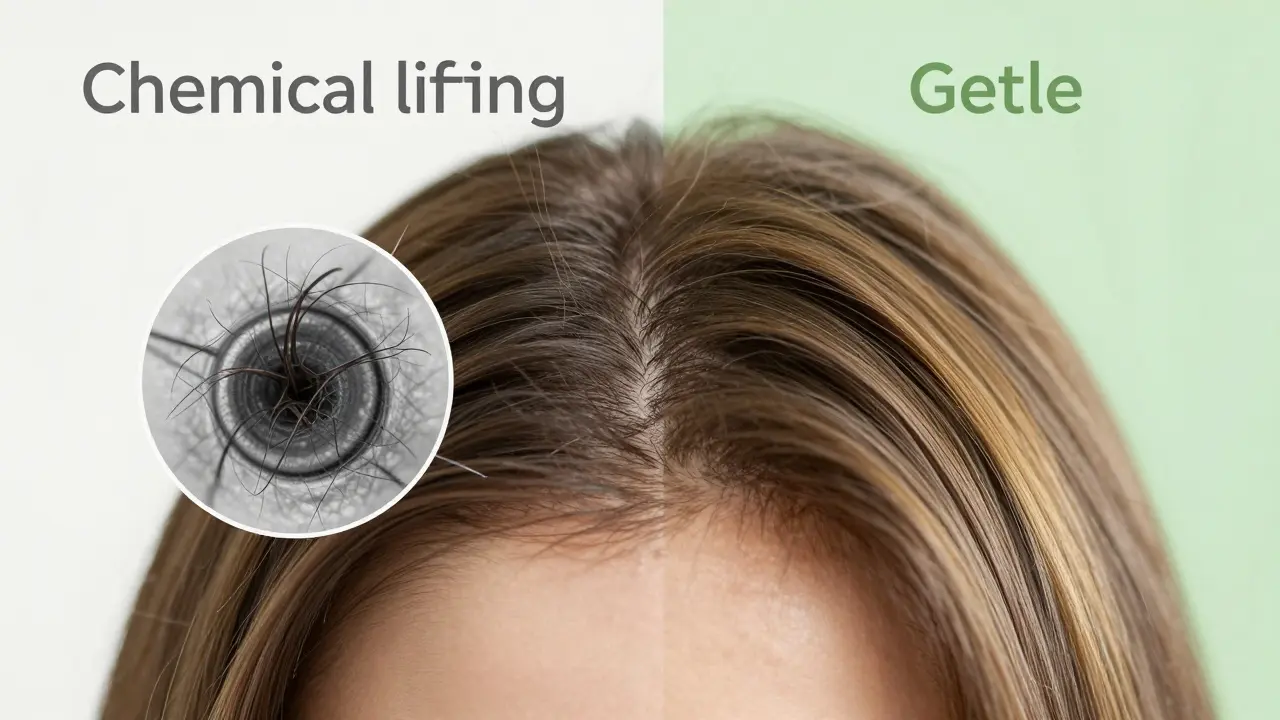
If you've ever felt your scalp burn or noticed your hair becoming brittle after a color session, you know the dread of the "chemical smell." The big question is: does a truly side-effect-free hair dye even exist? To be honest, if a brand claims there is zero risk for every single human on earth, they're probably lying. Everyone's skin reacts differently. However, there is a massive difference between a harsh industrial bleach and a plant-based stain.
The real goal isn't just finding a "magic" brand, but understanding how different dyes work. Most of the side effects we hate-like itching, redness, or thinning hair-come from the process of "lifting." To make hair lighter, chemicals have to force the hair cuticle open and strip away natural pigment. That's where the danger lies. If you can avoid the lift, you drastically reduce the risk.
The Truth About Ammonia-Free Options
You'll see ammonia free hair dye is a category of hair color that replaces ammonia with milder alkaline agents to swell the hair shaft . While these are much gentler on your nose and scalp, they aren't always "natural." Many mainstream brands, such as Garnier Olia or Schwarzkopf Simply Color, remove the ammonia to reduce irritation, but they still use synthetic chemicals to lock in the color. These are great for people who can't stand the fumes, but if you have a severe chemical sensitivity, you might need to go deeper into the organic world.
Plant-Based Stains vs. Chemical Dyes
If you want to avoid the chemical reaction entirely, look into hair stains. Unlike traditional dyes, these don't change the internal structure of your hair; they just coat the outside. GreenHare Mud is a permanent hair stain made from ground plant materials, including herbs, barks, and berries, that covers gray without chemical lifting . Because it uses zero fillers, binders, or preservatives, it removes the risk of the typical allergic reactions associated with synthetic dyes.
The trade-off? You can't use a stain to go from black to blonde. Since there's no "lift," you can only go darker or add richness to your current shade. For many, this is a fair price to pay for a scalp that doesn't feel like it's on fire.
| Method | Key Ingredients | Main Benefit | Best For |
|---|---|---|---|
| Ammonia-Free | Oil-based / Synthetic | Less smell/sting | Mainstream retail users |
| Plant Stains | Herbs, Barks, Teas | No chemical lifting | Gray coverage, naturalists |
| Repigmentation | Food-grade ingredients | Returns original color | Brunettes/Dark hair |
| Organic Professional | Clean-certified dyes | No parabens/sulfates | Salon-quality results |
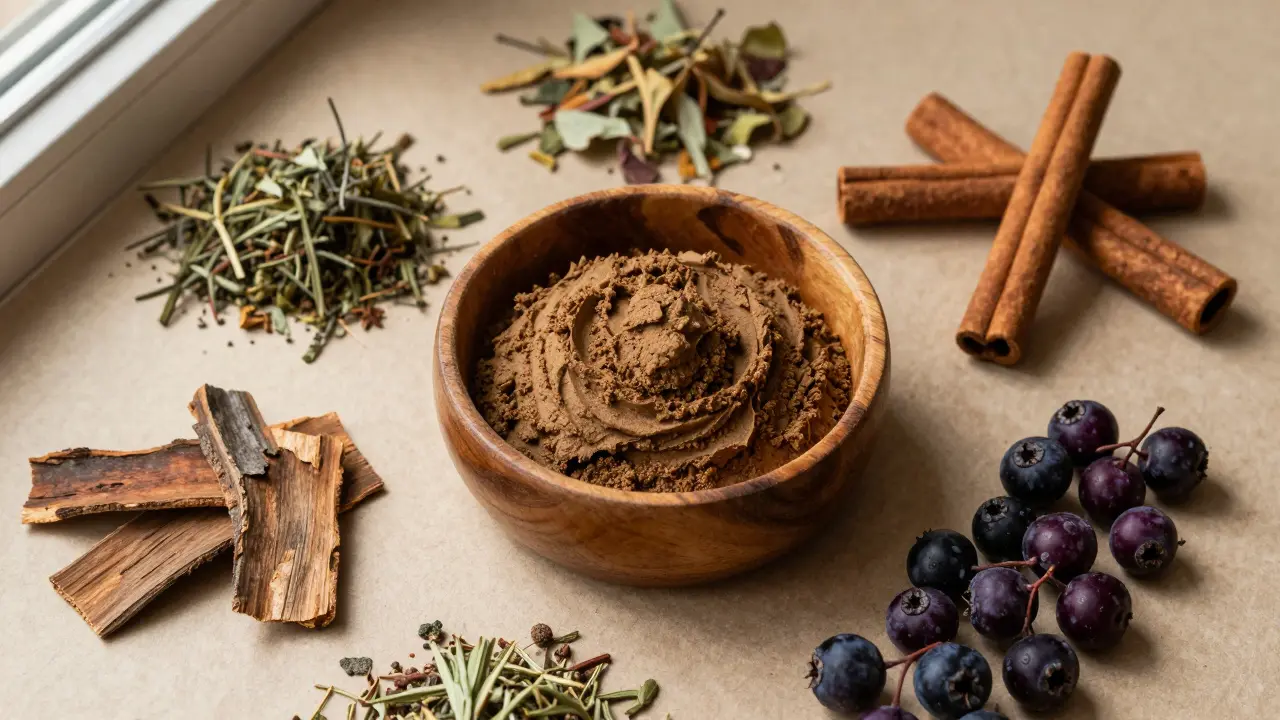
Repigmentation: A New Way to Color
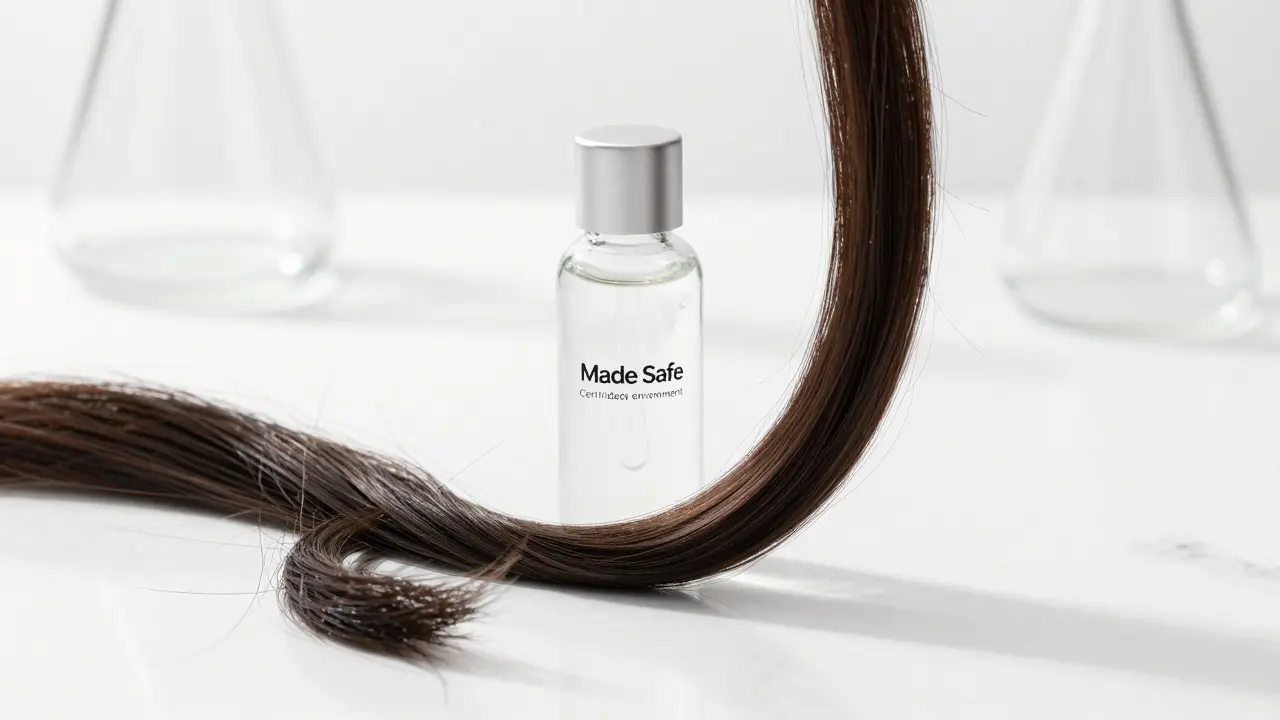
There is a futuristic approach that isn't dyeing at all. Hairprint is a patented repigmentation system that uses food-grade ingredients to return hair to its original color without dyes or toxins . It’s a bit like a skin treatment for your hair. Instead of painting a color on top, it encourages the hair to regain its natural pigment. It holds the "Made Safe" certification, which is one of the toughest standards in the beauty industry. If you're a brunette who wants to get rid of grays without touching a single synthetic dye, this is a game-changer.
Professional Organic Alternatives
If you prefer the salon experience, you don't have to settle for harsh chemicals. Many pros are switching to All-Nutrient is an organic permanent hair color line formulated without sulfates, parabens, formaldehyde, or phthalates . By cutting out the "toxic fillers" like propylene glycol and DEA, these brands reduce the likelihood of contact dermatitis-that itchy, red rash some people get after a salon visit.
When looking for a salon, ask specifically if they carry "clean" lines. Brands like Oway or Original & Mineral are often used by stylists who prioritize scalp health over the fastest possible processing time.
Smart Strategies to Minimize Side Effects
Even with the safest brands, how you dye your hair matters as much as what you use. You can lower your risk by changing your application strategy:
- Go Lighter, Not Darker: Generally, trying to achieve a very dark, saturated color requires more pigment load and longer processing times, which increases exposure to ingredients.
- Partial vs. Full: Instead of a full-head color, try partial highlights or a "balayage" style. Reducing the surface area of the chemicals on your scalp lowers the total toxic load your body has to process.
- The Patch Test: No matter how "organic" a brand is, always do a patch test behind your ear. Even natural herbs like henna or berries can cause reactions in some people.
- Avoid Scalp Contact: If you're using a permanent dye and don't need root coverage, keep the product half an inch away from the skin.
Are ammonia-free dyes completely safe?
Not necessarily. While they remove ammonia, they often replace it with other alkaline agents like MEA (monoethanolamine). They are much better for the smell and scalp irritation, but they are still chemical products. For those with extreme sensitivities, a 100% plant-based stain is a safer bet.
Can natural hair dyes cause allergic reactions?
Yes. It's a common myth that "natural" means "hypoallergenic." Some people are allergic to specific plants, barks, or berries used in organic stains. Always perform a skin patch test 48 hours before applying any product to your whole head.
What is the difference between a dye and a stain?
A dye penetrates the hair shaft and often changes the internal structure (lifting) to alter the color. A stain, like GreenHare Mud, sits more on the surface or fills the gaps in the cuticle, staining the hair without the need for a harsh chemical reaction.
Is Hairprint a permanent solution?
Hairprint is a repigmentation process. Unlike a dye that eventually fades or grows out, Hairprint aims to return the hair to its original natural color using food-grade ingredients. It is specifically designed for those wanting to restore their natural brunette or dark tones.
How can I tell if a brand is actually non-toxic?
Look for third-party certifications like "Made Safe." Also, check the ingredient list for "red flag" chemicals such as parabens, phthalates, formaldehyde, and sulfates. If a brand refuses to list all their ingredients, that's a sign to look elsewhere.
What to Do Next
If you've had a bad reaction in the past, start by auditing your current products. If you're using a drugstore kit with a strong chemical smell, try moving to an ammonia-free version first. If that's still too harsh, look into the "stain" or "repigmentation" options mentioned above.
For those with chronic scalp issues, the best move is to find a salon that uses professional organic lines like All-Nutrient. They can provide a controlled environment and a professional consultation to ensure you don't end up with a chemical burn. Remember, the safest way to color your hair is often the slowest way-avoiding quick-fix kits in favor of high-quality, clean ingredients.

Jeremy Chick
April 9, 2026 AT 05:37Most of these "clean" brands are just overpriced scams to make you feel better while you're still paying double for basically the same result.
Seraphina Nero
April 10, 2026 AT 13:13I totally get why people are scared of the chemicals, it really is scary when your head starts itching like crazy.
E Jones
April 12, 2026 AT 02:29It is absolutely terrifying how these behemoth corporations sneak these nephritogenic toxins into our beauty routines to slowly erode our cognitive functions while we're just trying to cover some gray hairs, and honestly, the whole "Made Safe" thing smells like a corporate front designed to lull us into a false sense of security while they continue their clandestine experiments on the general populace using our scalp as a petri dish for some dystopian nightmare we can't even imagine!
Renea Maxima
April 12, 2026 AT 21:17Why do we even care about the color of our hair in a universe that is expanding into an eternal void anyway 🙃
Sagar Malik
April 13, 2026 AT 19:23The sheer lack of molecular biology understanding here is giffing me. You talk about "plant stains" as if the bio-availability of these compounds isn't subject to the same lability as any other synthetic agent, and quite frankly, the systemic absorption of these所谓的 "safe" barks is a launderd narrative pushed by the bio-pharmaceutical complex to launder their image 🙄
Stephanie Serblowski
April 14, 2026 AT 01:46Oh wow, a "permanent hair stain" sounds just so revolutionary for the organic community, totally a game-changer for the bio-hacking crowd 🙄✨ I'm sure the oxidative stress is just totally nonexistent here!
Christina Kooiman
April 14, 2026 AT 23:16I cannot possibly believe that I am sitting here reading this when the grammar is simply atrocious in some of these discussions, and furthermore, the way people just disregard the basic structure of a sentence while they ramble on about their hair is genuinely making my head spin because if we cannot even maintain a basic level of linguistic integrity then how can we possibly trust anyone's opinion on the safety of chemical compounds in a salon setting, which is just completely ridiculous and frankly insulting to anyone with a basic education!
selma souza
April 15, 2026 AT 16:38The lack of precision in the terminology used across these comments is regrettable. One must adhere to the standards of formal communication if one expects to be taken seriously in a discourse regarding dermatological health.
Frank Piccolo
April 15, 2026 AT 21:19Only in America do we turn a simple dye job into a full-blown political movement. Just buy the cheap stuff and stop whining.
Rahul U.
April 16, 2026 AT 05:38I appreciate the detailed comparison table provided. It helps in making a decision based on specific needs 🌿🙏
Megan Ellaby
April 17, 2026 AT 17:08do any of these work for super curly hair or does the texture make it hard to get the stain to stick?
Gabby Love
April 19, 2026 AT 14:21Generally, stains work well on curls, but you might need a bit more processing time since the cuticle is often more open in curly hair types.
Barbara & Greg
April 20, 2026 AT 12:04It is a moral imperative that we cease the pursuit of artificial beauty if it requires the sacrifice of our biological integrity. The desire to hide age is a symptom of a shallow society.
James Boggs
April 21, 2026 AT 17:01This is very helpful. Thank you.