Walk into any high-end salon or scroll through Instagram, and you will see them everywhere. Hair extensions are no longer just a secret weapon for celebrities; they are a mainstream beauty tool used by millions to add length, volume, and color without the wait. But here is the question that keeps popping up in beauty forums and dinner table conversations: are they actually attractive?
The answer isn't a simple yes or no. It depends entirely on execution, context, and how well the extensions blend with your natural hair. When done right, extensions can enhance your features so subtly that people won't even know you're wearing them. When done wrong, they can look obvious, unnatural, or even damaging. Let's break down what makes hair extensions attractive-or unattractive-and how you can ensure yours pass the test.
The Psychology Behind Long and Voluminous Hair
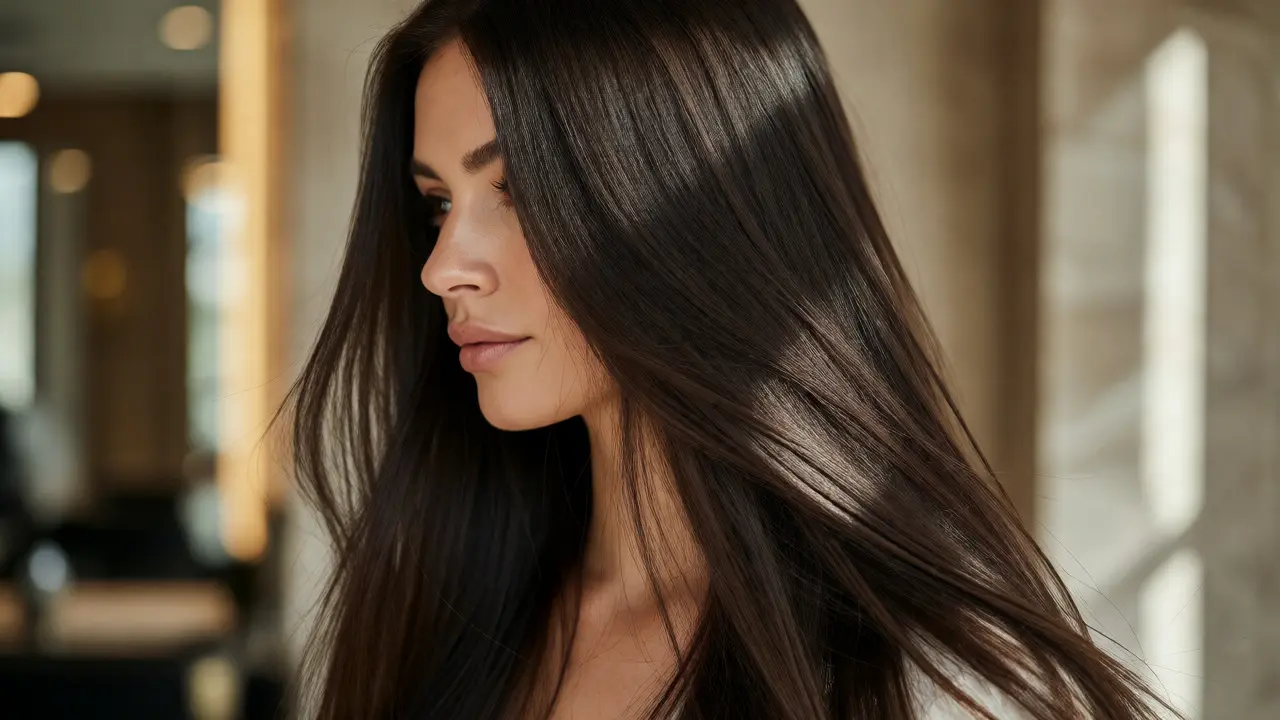
Before we talk about technical application, we need to address why humans find certain hair traits attractive in the first place. Evolutionary psychology suggests that healthy, long hair signals youth, vitality, and good health. In many cultures, thick hair is associated with femininity and strength. This doesn't mean short hair isn't attractive-it absolutely is-but there is a widespread bias toward hair that appears lush and abundant.
Hair extensions tap into this biological preference. They instantly provide the visual cues of health and abundance that natural hair might take years to grow. If your goal is to align with traditional beauty standards, extensions are a shortcut. However, attractiveness is subjective. A sleek, short bob can be just as striking as waist-length waves. The key is whether the hair complements your face shape and personal style, not just its length.
Blending Is Everything: The Difference Between 'Natural' and 'Obvious'
The biggest factor determining whether extensions look attractive is blending. If your natural hair texture doesn't match the extension hair, the result looks fake. Imagine straight human hair attached to tight curls. The line where the two meet becomes a focal point, drawing attention to the seam rather than the overall look.
To achieve an attractive result, you must match three things:
- Texture: Straight, wavy, curly, or coily. Use heat tools to adjust the extension hair if necessary, but starting with a close match saves time and damage.
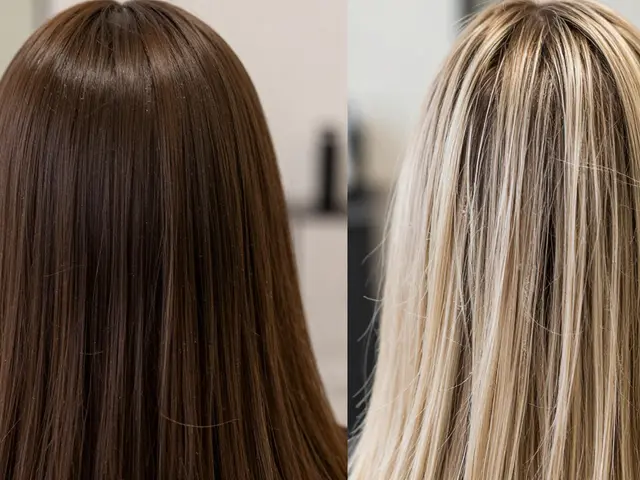
- Color: Even a slight mismatch in tone (warm vs. cool) stands out under natural light. Professional colorists often blend multiple shades to mimic natural dimension.
- Diameter: Thick strands mixed with fine hair can look clumpy. High-quality extensions come in various thicknesses to match your natural strand size.
When these elements align, the eye cannot distinguish between real and added hair. That invisibility is what makes extensions attractive-they enhance your appearance without shouting "I have extensions!"
Types of Extensions and Their Visual Impact
Not all extensions serve the same aesthetic purpose. Choosing the wrong type for your lifestyle or hair density can lead to an unattractive, bulky, or sparse look. Here is how different methods affect visual appeal.
| Extension Type | Best For | Visual Pros | Visual Cons |
|---|---|---|---|
| Tape-In | Fine to medium hair | Lies flat against scalp; very discreet; seamless movement. | Can look thin if over-thinned; requires regular maintenance to avoid visible roots. |
| Keratin Bonded | Medium to thick hair | Durable; allows for precise placement; natural flow. | Bonds can feel heavy; risk of visible beads if not matched to hair color. |
| Clip-In | Occasional wearers | Instant volume; no commitment; easy to remove. | Clips may show at the crown if hair is too short or fine; less secure movement. |
| Sew-In (Weave) | Protective styling | Adds significant bulk; great for braided styles. | Can look bulky if tracks are too wide; limited styling versatility near the part. |
| Halo | Fine hair / Beginners | No attachment points; zero damage; instant length. | Wire may show if hair is parted deeply; less natural movement at the top. |
Tape-ins are currently the gold standard for a natural look because they lie flat. Clip-ins are great for parties but might betray their presence during active days. Sew-ins are fantastic for protective styles but can lack the fluidity of loose hair unless expertly blended.
Quality Matters: Human Hair vs. Synthetic
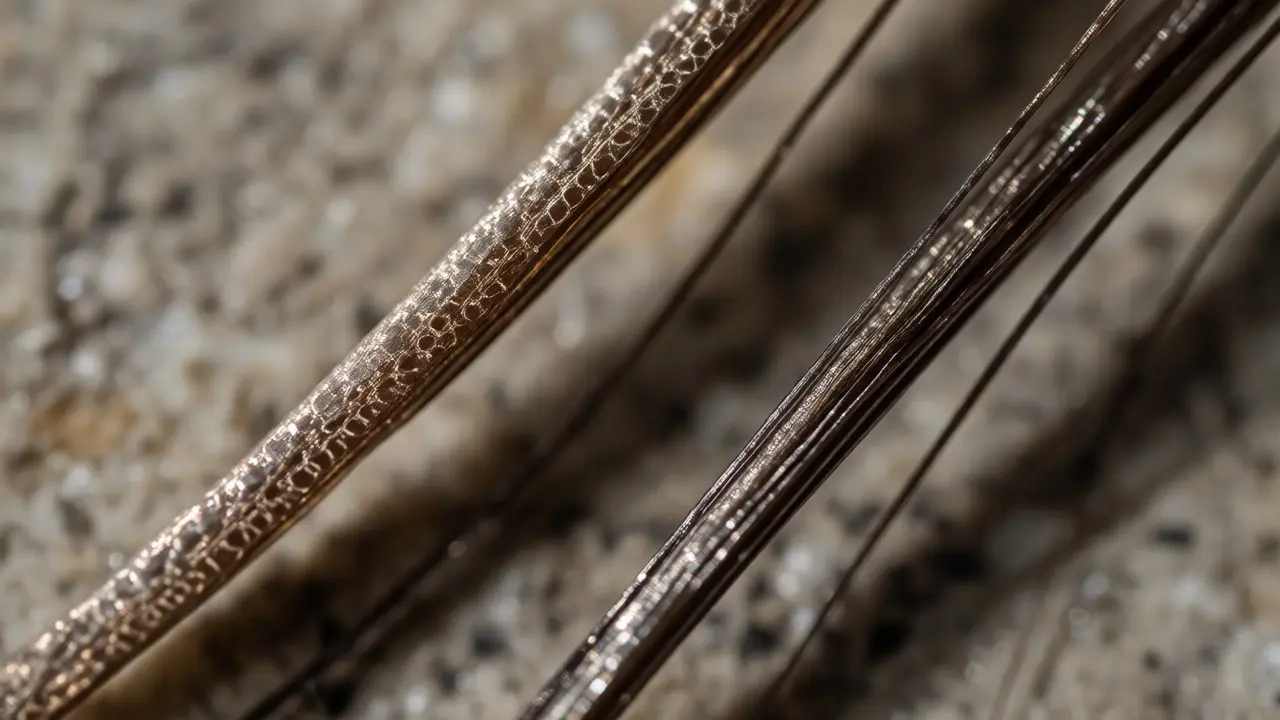
You can spot cheap synthetic extensions from across the room. They tend to shine unnaturally, tangle easily, and don't move like real hair. This stiffness breaks the illusion of authenticity, which directly impacts attractiveness. If people notice your hair doesn't sway naturally when you turn your head, the effect is jarring.
Human hair extensions are superior for attractiveness because they behave exactly like your own hair. You can curl them, straighten them, and wash them just like natural strands. The cuticle layers remain intact, allowing the hair to reflect light realistically. While synthetic options have improved with heat-friendly fibers, they still rarely match the tactile and visual quality of Remy human hair.
If budget is a concern, consider buying fewer pieces of higher-quality human hair rather than a full head of synthetic. Less volume with better blending always looks more expensive and attractive than excessive volume that looks plastic.
Cultural Context and Personal Confidence
Attractiveness is also tied to confidence. If you feel self-conscious about your natural hair-perhaps due to thinning edges, slow growth, or postpartum shedding-extensions can boost your self-esteem significantly. That internal glow translates externally. People perceive confident individuals as more attractive, regardless of the specific hairstyle.
However, cultural perceptions vary. In some communities, natural textures are celebrated, and adding straight extensions might be seen as denying one's heritage. In others, length is prized above all else. Know your audience and your own values. If you wear extensions because you love the way they make you feel, that positivity radiates. If you wear them because you feel pressured to conform, it might show in your posture and expression.
Pitfalls That Kill the Vibe
Even the best extensions can become unattractive if maintained poorly. Here are common mistakes that ruin the look:
- Mismatched Roots: As your natural hair grows, the gap between the scalp and the extension bond becomes visible. If you haven't moved them up in 3-4 months, the regrowth area can look patchy.
- Over-Styling: Constant heat on extensions can dry them out, making them frizzy and dull. Frizz contrasts sharply with smooth natural hair, creating a disjointed appearance.
- Wrong Parting: If you part your hair in a way that exposes the attachment method (like clips or bonds), it breaks immersion. Learn to style around the attachments or choose methods like tape-ins that allow versatile parting.
- Ignoring Condition: Tangled, matted extensions look neglected. Regular detangling with a loop brush prevents matting and keeps the hair looking glossy and healthy.
How to Test If Your Extensions Are Working
Still unsure if your current set is doing you favors? Try this quick audit:
- The Light Test: Stand in direct sunlight. Does the color blend seamlessly, or do you see distinct bands of different tones?
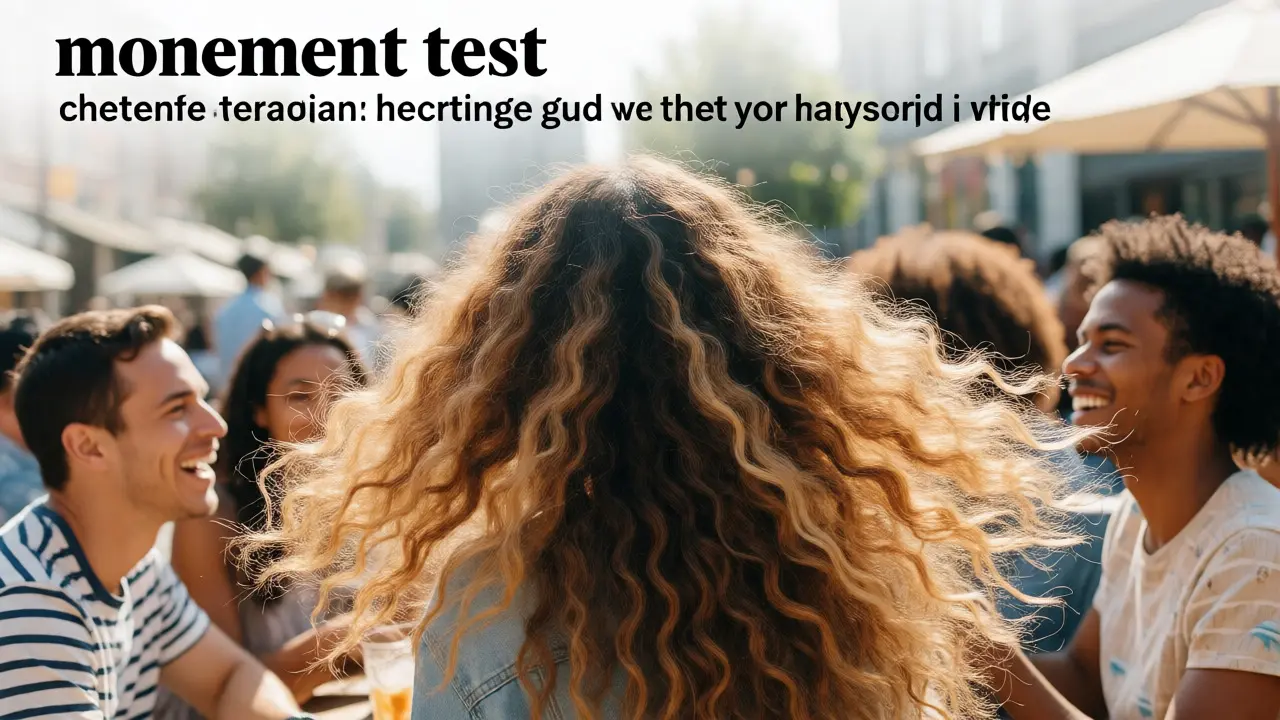
- The Movement Test: Shake your head gently. Do the lengths move together as one unit, or does the extension layer lag behind or swing independently?
- The Touch Test: Run your fingers from root to tip. Can you feel abrupt changes in texture or thickness? Smooth transitions indicate good blending.
- The Feedback Loop: Ask a trusted friend who knows you don't usually have this much hair. If they say, "Your hair looks amazing," without asking "Did you get extensions?", you've succeeded.
Hair extensions are attractive when they enhance your natural features rather than masking them. They are a tool, not a crutch. Used correctly, they offer freedom-to try new colors, gain instant length, or fill in thin spots. Used incorrectly, they become a distraction. Focus on quality, proper installation, and meticulous maintenance, and you'll find that extensions don't just change your hair; they elevate your entire presence.
Do hair extensions look fake?
High-quality human hair extensions applied by a professional rarely look fake. Issues arise primarily from poor color matching, incorrect texture blending, or low-grade synthetic materials. Proper maintenance and regular adjustments also play a crucial role in maintaining a natural appearance.
Which hair extension method looks most natural?
Tape-in extensions are widely considered the most natural-looking option because they lie flat against the scalp and distribute weight evenly. Micro-link or keratin bonded extensions can also look very natural if installed precisely, though they require careful blending to hide the bonds.
Can hair extensions damage my natural hair?
Yes, if installed too tightly, left in too long, or removed improperly. Weight distribution matters; heavy extensions on fine hair can cause traction alopecia. Always consult a specialist to determine the right weight and method for your hair density.
Is it okay to sleep with hair extensions?
Generally, yes, for permanent methods like tape-ins or bonds. However, clip-ins should always be removed before bed to prevent tangling and stress on the natural hair. Sleeping on a silk pillowcase helps reduce friction for all extension types.
How often should I replace hair extensions?
This depends on the method. Tape-ins typically need repositioning every 6-8 weeks. Clip-ins can last 6-12 months with proper care. Permanent bonds may last 3-4 months before needing removal and replacement. Regular check-ups with your stylist are essential to maintain attractiveness and health.