
You’re in the middle of a hair transformation, you’ve got your dye box open, and then you realize: no developer. Panic sets in. Maybe you think conditioner will do the trick, or perhaps you saw a TikTok video suggesting lemon juice works. Before you ruin your strands, let’s get real about what actually happens when you mix permanent dye with anything other than its intended partner.
The short answer is that for permanent hair dye, there is no true "natural" or "conditioner-based" substitute. The chemical reaction required to lift pigment and lock new color into your hair shaft demands an oxidizer. Without it, the dye just sits on the surface, looking patchy and washing out after one shower. However, depending on your goal-whether it’s covering gray, going lighter, or just adding a temporary pop of color-you have specific options. Let’s break down what works, what doesn’t, and how to save your hair from a DIY disaster.
Why Developer Is Non-Negotiable for Permanent Color
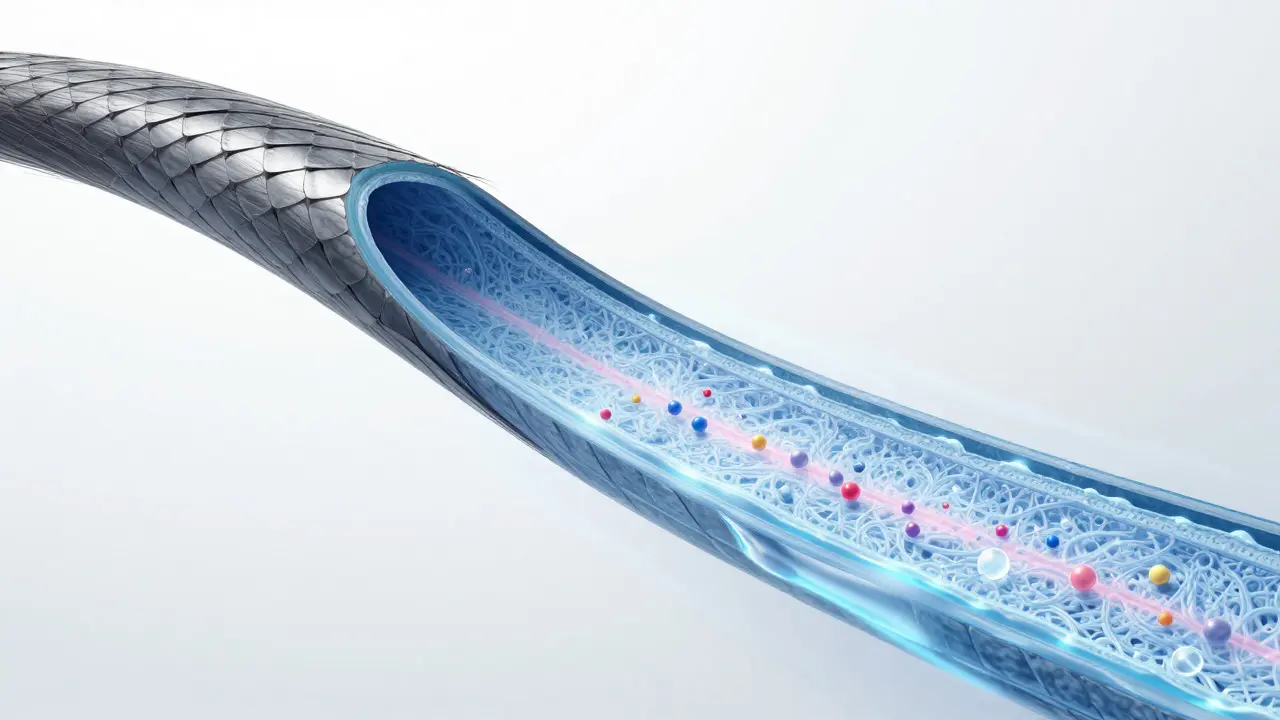
To understand why substitutes fail, you need to know what developer actually does. In professional terms, developer is Hydrogen Peroxide blended with stabilizers and conditioning agents. Its job is twofold: it opens up the cuticle (the outer layer of your hair) so dye molecules can penetrate deep into the cortex, and it triggers the oxidation process that creates larger, permanent color molecules inside the hair.
If you skip this step, here’s what goes wrong:
- No Lift: You cannot go lighter without an oxidizer. Natural melanin stays put.
- Poor Penetration: Dye molecules are too large to enter the closed cuticle effectively.
- Uneven Results: Without the controlled release of oxygen found in formulated developers, the color develops randomly, leading to streaks.
- Short Lifespan: Surface-level dye washes out quickly because it isn’t chemically bonded within the hair structure.
Professional stylists emphasize that using water, oil, or plain conditioner instead of developer in a permanent system is essentially mixing paint without thinner. It might look wet at first, but it won’t dry properly or last.
The Only Real Chemical Substitute: Hydrogen Peroxide
If you absolutely must use permanent dye right now and don’t have commercial developer, the only functional alternative is drugstore 3% Hydrogen Peroxide. This is the same active ingredient used in salon products, just without the extra stabilizers and conditioners.
Here is how to do it safely if you’re in a pinch:
- Dilute It: Mix equal parts 3% hydrogen peroxide and distilled water. This reduces the strength slightly, making it less likely to over-process fragile hair.
- Saturate: Apply the mixture to damp hair before applying the dye cream.
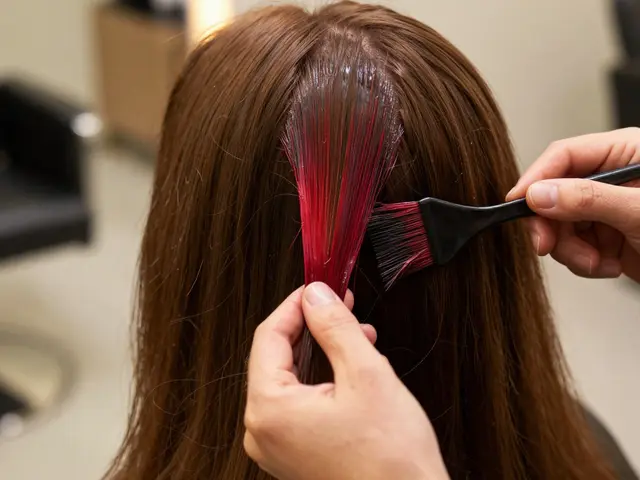
- Mix and Process: Combine your dye with the diluted peroxide as directed by your box instructions. Process for the recommended time (usually 30 minutes).
Warning: Because store-bought peroxide lacks the buffering agents found in professional developers, the mixture may be runnier and less consistent. Your scalp might feel a bit more tingly, and the final color could be slightly uneven compared to using a branded developer. Use this method only when necessary, not as a routine practice.
When You Don’t Need Developer At All
Maybe you don’t need permanent color. If your goal is to refresh your tone, cover minor grays, or add vibrant highlights, you can bypass developer entirely by switching to different types of color products. These systems rely on direct deposition rather than oxidation.
| Type | Requires Developer? | Lifts Natural Color? | Longevity | Best For |
|---|---|---|---|---|
| Permanent Dye | Yes | Yes | Until regrowth | Major color changes, full gray coverage |
| Demi-Permanent Dye | Yes (low volume) | Minimal | 4-6 weeks | Refreshing color, blending grays |
| Semi-Permanent Dye | No | No | 4-8 washes | Vibrant colors, toning, pastel shades |
| Color-Depositing Conditioner | No | No | 1-4 washes | Temporary boost, correcting brassiness |
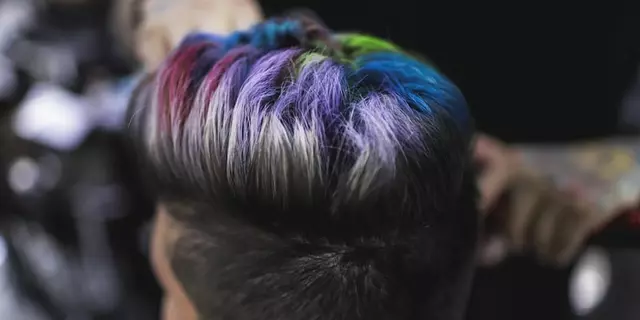
Semi-Permanent Dyes are pre-oxidized, meaning the color is already formed. They simply stain the outside of the hair. You can mix these with conditioner to create softer, pastel tones. This is a safe way to experiment without committing to long-lasting chemical changes. Similarly, Color-Depositing Conditioners work like a tinted mask. They are excellent for blonde users trying to neutralize yellow tones or brunette users wanting to deepen their shade temporarily.
Natural dyes, such as those based on henna or plant pigments, also often require only water. While they don't lighten hair, they deposit rich, earthy tones that last for months. Just keep in mind that natural dyes can be unpredictable and difficult to reverse later.
Common Myths: What Doesn't Work
The internet is full of home remedies that sound plausible but fail chemically. Here is why you should avoid them for permanent color:
- Conditioner: It smooths the cuticle; it doesn't open it. Using it with permanent dye prevents penetration. It only works for diluting semi-permanent dyes.
- Citrus Juice (Lemon/Lime): While acidic, it lacks the oxidative power to change melanin. It might brighten hair slightly over time due to sun exposure, but it won't activate dye.
- Oil (Coconut/Olive): Oils seal the cuticle shut. Applying oil before dyeing actually blocks the color from entering the hair, leading to resistance and patchiness.
- Coffee or Tea: These can add subtle brown or reddish tints to light hair, but they are weak deposits. They do not replace the chemical reaction needed for standard box dyes.
- Vinegar: Sometimes suggested to "close" the cuticle after dyeing, vinegar does not open it or oxidize pigment. It’s a rinse aid, not a developer.
If you see a tutorial claiming that lemon juice turns hair blonde, remember that it’s really the UV rays from the sun doing the work, not the juice alone. And even then, the result is usually brassy and uneven.
How to Choose the Right Path for Your Hair Goal
Your choice depends entirely on what you want to achieve. Ask yourself these questions:
Do I need to go lighter? If yes, you need an oxidizer. There is no workaround. Buy a proper developer or use diluted 3% hydrogen peroxide as a last resort.
Am I covering 100% gray hair? Permanent dye with developer is the most reliable option for opaque coverage. Semi-permanent dyes may fade faster on coarse gray hair, which tends to resist color absorption.
Do I just want a fun color or a tonal shift? Skip the developer. Use a semi-permanent dye or a color-depositing conditioner. You’ll lose the ability to go lighter, but you’ll save your hair from oxidative damage.
Is my hair damaged? If your hair is brittle or porous, high-volume developers can make things worse. Consider a demi-permanent color with a lower volume developer (like 10-volume) or switch to a conditioning treatment with color deposit. This adds moisture while providing temporary color.
Safety Tips for Home Coloring
Whether you use commercial developer or a substitute, safety comes first. Oxidative chemicals can irritate the scalp and weaken hair if misused.
- Always Do a Strand Test: Apply your mixture to a small, hidden section of hair. Wait the full processing time. Check for evenness and hair integrity.
- Check Expiration Dates: Old hydrogen peroxide loses potency. If your bottle has been open for months, it may not lift color effectively.
- Protect Your Skin: Apply petroleum jelly along your hairline and ears to prevent staining from runoff, especially if using liquid peroxide which can be messy.
- Don’t Mix Brands: Unless instructed otherwise, don’t mix developer from one brand with dye from another. Formulations vary in pH and stabilizer content, which can affect results.
Remember, consistency is key. If you improvise today, you might struggle to match the color next month. Keeping records of your formulas and processing times helps maintain uniformity over time.
Frequently Asked Questions
Can I use conditioner instead of developer for permanent hair dye?
No. Conditioner does not contain hydrogen peroxide, so it cannot oxidize the dye or open the cuticle. Using it will result in weak, uneven color that washes out quickly. Conditioner is only useful for diluting semi-permanent dyes to create pastel shades.
Is 3% hydrogen peroxide a good substitute for hair developer?
It is the only functional chemical substitute. However, it lacks the stabilizers and conditioners found in commercial developers. Dilute it with water to reduce intensity, and expect potentially less predictable results. Use it only in emergencies.
What hair dye doesn't require developer?
Semi-permanent dyes, color-depositing conditioners, and many natural plant-based dyes (like henna) do not require developer. These products deposit color on the surface of the hair and are ideal for temporary changes or toning, but they will not lighten your natural base color.
Does lemon juice work as a hair lightener?
Lemon juice alone does not significantly lighten hair. It acts as a catalyst when combined with sunlight (UV exposure), but the process is slow, unpredictable, and often leads to brassy tones. It is not a replacement for developer in a dye box.
Can I mix coffee with hair dye to darken it?
You can add coffee to semi-permanent dye to enhance brown tones, but it won't replace developer in permanent dye. Coffee provides a very subtle, temporary darkening effect that fades quickly. For reliable darkening, use a properly formulated dye with developer.