

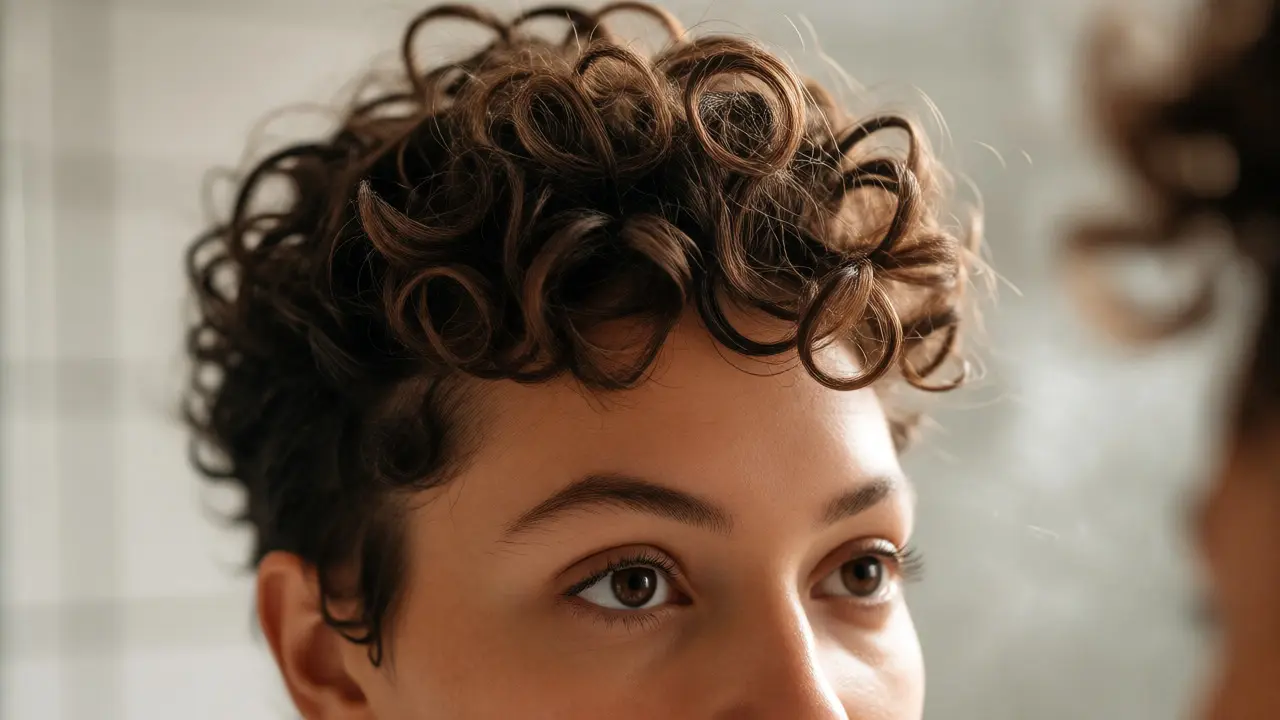
You wake up, look in the mirror, and see a halo of frizz. You spend twenty minutes trying to tame it, only to leave the house looking like you just woke up in a wind tunnel. Sound familiar? If you have curly hair, you know the struggle isn't just about styling; it's about weight. Long curls often pull themselves straight at the roots because gravity wins every time. The solution? Cut it short.
Short hair doesn't mean you lose your curls. In fact, shorter lengths can actually enhance curl definition by removing the weight that stretches out your natural pattern. Whether you want a daring pixie or a chic bob, there is a cut designed specifically to work with your texture, not against it. Here is how to find the right short style for your face shape and curl type, plus how to keep it looking fresh without spending hours on styling.
Why Short Hair Works for Curls
Most people think they need long hair to show off their curls. That’s a myth. When your hair is long, the sheer volume of strands pulls down on the root, creating a triangular shape where the top is flat and the ends are wide. This is often called the "triangle effect." By going short, you remove that gravitational pull. Your curls spring up closer to the scalp, creating rounder, more defined shapes.
Think of your hair like a spring. If you hang a heavy weight on one end, it stretches out and loses its bounce. Remove the weight, and it snaps back into its tightest, most vibrant coil. This principle applies whether you have loose waves or tight coils. The key is choosing a length that supports the density of your hair rather than fighting it.
The Pixie Cut: Bold and Defined
The pixie cut is often misunderstood as a style reserved for straight-haired models. But for curly girls, a textured pixie can be incredibly flattering. It highlights your facial features-eyes, cheekbones, and jawline-without hiding them behind a curtain of hair.
For those with fine curls, a pixie adds instant volume. For thick, coarse curls, it reduces maintenance time significantly. You aren’t dealing with wet hair taking three hours to dry anymore. However, not all pixies are created equal. You need a stylist who understands how to cut curly hair dry. Cutting it wet causes shrinkage surprises. Ask for layers that encourage the curl to form upward, not outward.
- Ideal for: Oval, heart-shaped, and square faces.
- Curl Type: Works best for types 3A through 4C, though 4C may require more product to define individual coils.
- Maintenance: High frequency (trims every 4-6 weeks) but low daily effort.
The Chin-Length Bob: The Sweet Spot
If a pixie feels too drastic, the chin-length bob is your safety net. This cut sits right around the jawline, which is universally flattering. It frames the face while keeping enough length to play with styles like half-up buns or side parts. Unlike blunt cuts that can create a helmet-like appearance, a curly bob needs internal layering. These hidden layers allow the curls to stack on top of each other, creating height rather than width.
A common mistake is asking for a "blunt" bob. On curly hair, blunt means heavy. Instead, ask for a "soft edge." This keeps the silhouette clean but allows the ends to blend naturally. If you have a round face, try an angled bob where the back is slightly shorter than the front. This elongates the neck and balances out fullness in the cheeks.
The Shag: Retro Volume
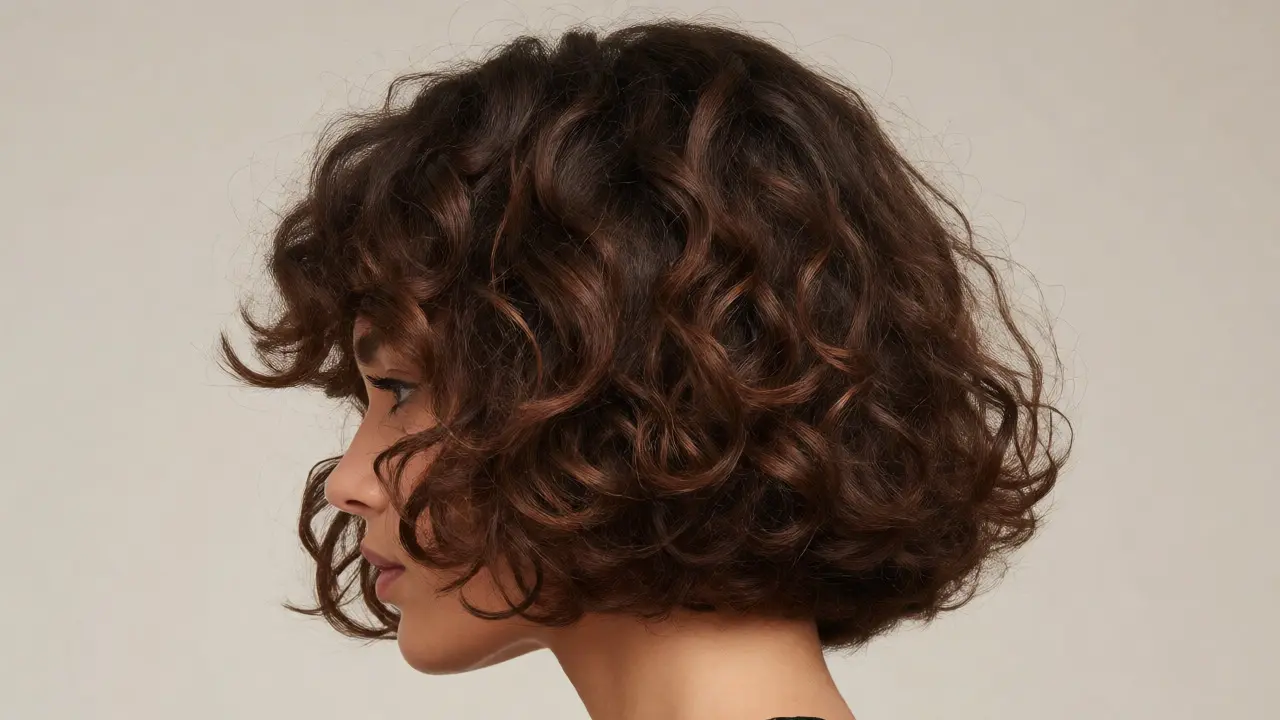
The shag cut has made a massive comeback, and for good reason. It was practically invented for curly hair. Characterized by choppy layers and a fringe, the shag removes bulk from the mid-lengths and ends, allowing the top section to sit high and light. This creates a messy, undone look that looks intentional rather than accidental.
For curly girls, the shag solves the issue of "mushroom head," where the sides puff out wildly. By cutting into the interior structure of the hair, the shag lets the outer layer lay flatter while maintaining overall volume. It pairs exceptionally well with bangs, which draw attention away from forehead lines and toward the eyes. Just be warned: shags grow out quickly. You will need regular trims to keep the layers distinct.
| Style | Best Face Shape | Drying Time | Product Needs |
|---|---|---|---|
| Pixie | Oval, Heart | 10-15 mins | Low (Light cream) |
| Chin Bob | Square, Round | 20-30 mins | Medium (Gel + Oil) |
| Shag | All | 25-40 mins | High (Mousse + Diffuser) |
| Lob (Long Bob) | Oval, Diamond | 30-45 mins | Medium (Leave-in) |
The Lob: Low Maintenance Chic
The Long Bob, or "lob," typically hits between the collarbone and shoulders. It is the perfect compromise if you aren't ready to go super short but hate the triangle effect of waist-length hair. A lob retains enough length to tie back, which is crucial for hot days or active mornings. Because it is longer, it offers more versatility-you can wear it curly, wavy, or pinned back.
To make a lob work for curls, avoid one-length cuts. Opt for graduated layers that start below the chin. This ensures the bottom section doesn't weigh down the top. If you have very tight coils (Type 4), a lob might shrink up to shoulder length when dry, so communicate this with your stylist. Bring photos of your hair in its dried state, not just when it's wet and stretched.
How to Choose Based on Curl Pattern
Your curl pattern dictates the cut. The Andre Walker Hair Typing System is a useful reference here, though not absolute.
- Type 2 (Wavy): Waves lack definition. Short cuts like bobs add body. Avoid heavy products that flatten waves.
- Type 3 (Curly): These form definite S-shapes. Layers are essential to prevent stacking. Pixies and shags shine here.
- Type 4 (Coily/Kinky): Tight zig-zag patterns. These hair types shrink significantly. Go shorter than you think. A TWA (Teeny Weeny Afro) or small afro cut is often easier to manage than long twists.
Remember, porosity matters too. High-porosity hair absorbs water quickly but loses it fast. It needs heavier sealants. Low-porosity hair repels moisture initially. It needs lighter, liquid-based products. Adjust your styling routine based on this, not just the cut itself.
Styling Tips for Short Curls
Getting the cut is only half the battle. Keeping it looking good requires a different approach than long hair. With less surface area, mistakes show up faster. You can't hide a bad day under a ponytail.
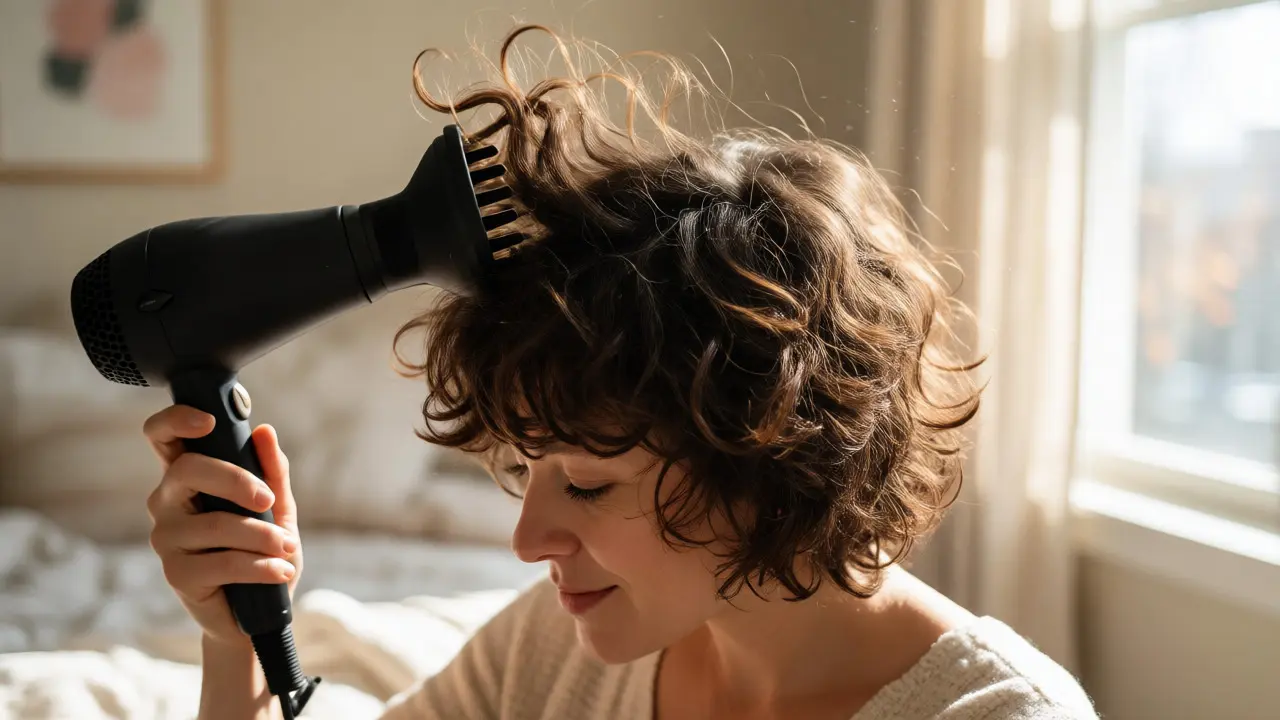
First, stop brushing dry hair. Brushing breaks the curl clumps and creates frizz. Detangle only when wet and coated in conditioner. Use a wide-tooth comb or your fingers. Second, embrace the diffuser. Air-drying short curls can take forever and lead to uneven drying. A diffuser attached to a blow dryer spreads airflow gently, preserving the curl pattern while speeding up the process.
Third, refresh don't re-wash. Washing short hair every day strips natural oils. Instead, mix water and a tiny bit of leave-in conditioner in a spray bottle. Mist your hair in the morning, scrunch gently, and let it air dry. This takes two minutes and brings life back to yesterday's style.
Common Pitfalls to Avoid
One major error is ignoring the neckline. With short hair, the back view is prominent. Ensure your stylist cleans up the nape neatly. Another mistake is using heat tools excessively. While a curling iron can help define specific sections, overusing it on already curly hair leads to damage. If you must use heat, always apply a heat protectant. Never skip this step.
Also, beware of "dry cutting" myths. While many stylists recommend cutting curly hair dry to see the true shape, some prefer damp cutting for precision. Find a specialist who specializes in curly hair, regardless of their method. Generalists often cut curly hair like straight hair, resulting in disappointment.
Will a short cut make my curly hair look bigger?
Not necessarily. While short hair can appear voluminous, proper layering reduces bulk. The goal is to shape the volume, not eliminate it. A skilled stylist will remove weight from the inside, allowing the outside to lie smoother.
How often do I need to trim short curly hair?
Every 8 to 12 weeks. Short styles lose their shape faster than long ones. Regular trims prevent split ends, which travel up the shaft quickly in curly hair due to its fragile structure.
Can I still use a curling iron on short hair?
Yes, but choose a smaller barrel size (0.5 to 0.75 inches). Large barrels won't fit around short strands. Use it sparingly to define specific pieces or smooth edges, rather than curling the entire head.
What is the best product for defining short curls?
Lightweight gels or mousses work best for short styles. Heavy creams can weigh down fine short curls. Look for alcohol-free formulas to prevent dryness. Apply to soaking wet hair for maximum hold.
Does face shape really matter for short curly cuts?
Yes. Round faces benefit from height on top (pixies/shags) to elongate. Square faces soften with wispy bangs and layered bobs. Oval faces are versatile and can pull off almost any short style.


Kendra Edmonds
November 3, 2026 AT 22:14Gravity doesn't win. Your stylist just sucks at cutting dry hair.
Alice Clark
November 5, 2026 AT 12:01The "triangle effect" is real but it's not just gravity its the humidity index shifting globally since 2020 making our cuticles swell differently than they did in the 90s when these guides were written
We are being gaslit by Big Shampoo into thinking we need heavy products to fight physics when really we need to stop trusting generic advice from people who have never touched a type 4 coil
The shrinkage factor mentioned here is wildly underestimated for those of us with high density hair because if you go short without accounting for the 60% shrinkage rule you end up looking like a mushroom cap within three days
I've been saying this for years that the industry pushes long hair because it uses more product per wash cycle so short hair is actually a rebellion against the corporate agenda of keeping us dependent on expensive treatments
If you look closely at the photos used in most articles the models often have their hair stretched or blown out which completely hides the true nature of how a short cut behaves on natural texture
Dry cutting isn't just a preference it's a necessity because wet hair stretches and when it dries it shrinks back to its true length meaning any measurement taken while wet is a lie told by the water molecules themselves
The suggestion to use a diffuser is valid but only if you know what you're doing otherwise you're just frying your ends with hot air which leads to breakage and makes the hair look even frizzier
Face shape matters sure but personality matters more because if you hate maintenance then no amount of face shape analysis will save you from regretting the pixie cut after week two
The comparison table is nice but it ignores the fact that porosity changes with climate and season so a routine that works in summer might fail miserably in winter causing unexpected volume spikes
People forget that curl pattern can change over time due to hormonal shifts so a guide from 2026 might be obsolete for someone whose hair changed during pregnancy or menopause
The idea that short hair enhances definition is true but only if the layers are cut correctly otherwise you get that weird triangular shape where the sides stick out like wings
We need to stop blaming our hair for not behaving and start blaming the lack of education in cosmetology schools regarding textured hair science
Every time I see a guide like this I wonder if the author has ever actually lived with curly hair or if they just copied data from a spreadsheet
The truth is hidden in the details of how each individual strand reacts to moisture and heat which no general guide can fully capture
Gabrielle Gibbons-Irwin
November 6, 2026 AT 00:31This is such a wonderful reminder that shorter lengths can truly celebrate our natural texture! 🌟 It’s empowering to know that removing weight allows our curls to spring back with such vibrant energy. I especially love the tip about refreshing rather than re-washing, as it feels so gentle and sustainable for our scalps. 😊 Embracing the shape that supports our density is key, and this guide does a beautiful job of highlighting options for every face shape. Let’s all support each other in finding cuts that make us feel confident and free! ✨💇♀️
Melissa Emrick
November 6, 2026 AT 01:56While the article is decently informative i found the section on the shag cut to be slightly derivative of trends from 2014 which makes me question the freshness of this 2026 guide honestly speaking
The advice on dry cutting is standard fare for anyone who has browsed r/curlyhair for more than five minutes yet it is presented here as if it were groundbreaking revelation
I personally believe that the emphasis on face shape is somewhat restrictive and fails to account for the artistic expression that comes with ignoring conventional beauty standards entirely
Also the table provided is visually cluttered and could benefit from a more minimalist design approach that aligns with current web aesthetics trends
It feels like this content was churned out by an algorithm trying to hit SEO keywords rather than crafted by someone with genuine expertise in textured hair dynamics
That said the point about avoiding blunt cuts is valid although stating it as obvious wisdom seems patronizing to those of us who already know better
The mention of specific curl types is helpful but lacks nuance regarding subcategories which are crucial for precise styling outcomes
I would have preferred more discussion on the cultural implications of short hair for women of color as it carries different social weights depending on context
Overall a passable read but nothing that would inspire me to book an appointment immediately without further research elsewhere
Nnaemeka Anadu
November 6, 2026 AT 11:08You speak of gravity as if it is a physical law but it is a metaphor for societal pressure to conform to long hair norms
Why do we accept the triangle effect as inevitable when it is merely a failure of imagination and structural understanding of fiber dynamics
The spring analogy is flawed because hair is not a uniform material it is a complex biological structure influenced by diet stress and genetics
To suggest that short hair solves all problems is to ignore the psychological burden of constant visibility and scrutiny that comes with exposed features
We are trapped in a cycle of seeking external validation through hairstyles when true freedom comes from rejecting the need to define ourselves by our follicles
The industry profits from our insecurity by selling us solutions to problems they created through bad marketing and worse products
Every trim is a ritual of submission to the aesthetic ideals imposed upon us by a patriarchal gaze that demands neatness and control
I refuse to believe that a simple cut can liberate us when the system itself is designed to keep us anxious and consuming
True beauty lies in chaos not in the defined coils that this guide worships like idols
We must question why we seek order in our hair when our lives are inherently disorderly and unpredictable
The pursuit of perfect definition is a distraction from deeper existential questions about identity and purpose
Let us embrace the frizz not as a flaw but as a testament to our wild untamed spirits
Do not let stylists dictate your worth based on the bounce of your roots
Freedom is messy and so is life so why should your hair be any different?
Kendra Edmonds
November 7, 2026 AT 18:00Wrong again gravity is real and so is shrinkage stop pretending biology is a social construct
makayla smith
November 8, 2026 AT 09:30Love this vibe 💖 Short hair is freedom!! 🚀 Remember to trust your gut and find a stylist who listens 👂✨ You got this besties! 💪🔥