

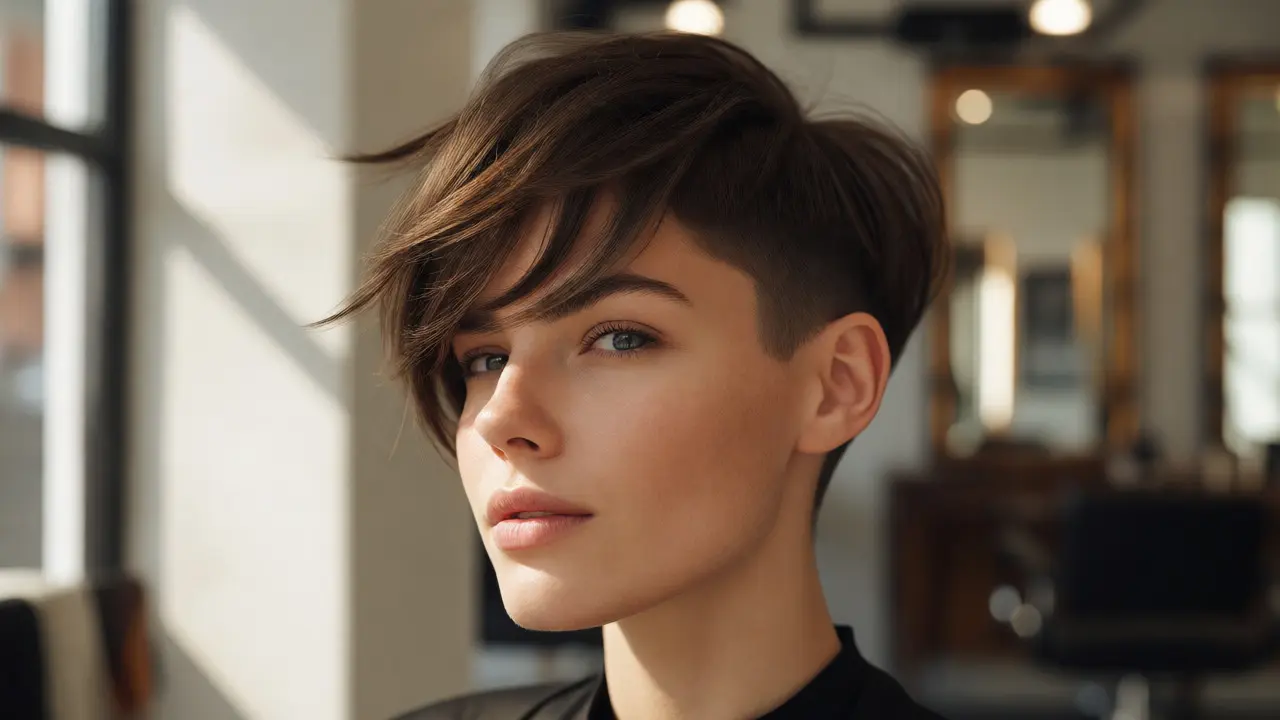
Ever walked out of a salon with a short cut that looked great on the model but made you feel like you were wearing someone else’s head? It’s frustrating. You wanted chic and low-maintenance, but got harsh and boxy. The missing ingredient is often layering. Unlike blunt cuts that sit heavy on your skull, layers remove bulk and create movement. When you pair this technique with side-swept bangs, you get a look that softens angles and highlights your eyes without requiring an hour of styling every morning.
If you’re thinking about chopping it off, you need more than just a Pinterest pin. You need to understand how length interacts with your specific bone structure. A pixie cut isn’t one-size-fits-all. Neither is a bob. Let’s break down the best short, layered options that actually work for real life, not just red carpets.
Why Layers and Side Bangs Work Together
Short hair can sometimes look flat or severe if it lacks dimension. This is where textural layering becomes your best friend. By cutting different lengths throughout the hair, stylists create natural volume at the crown while keeping the ends light. This prevents the "helmet" effect common with single-length bobs.
Side bangs add asymmetry. Human faces are rarely perfectly symmetrical, so asymmetric details tend to be more flattering. They draw attention diagonally across the face, which can minimize the appearance of a wide forehead or soften a strong jawline. Plus, they grow out gracefully. If you hate the awkward phase of bangs growing into your eyes, side-swept styles blend into the rest of your shorter layers much faster than straight-across fringes.
The Classic Pixie with Long Side Sweeps
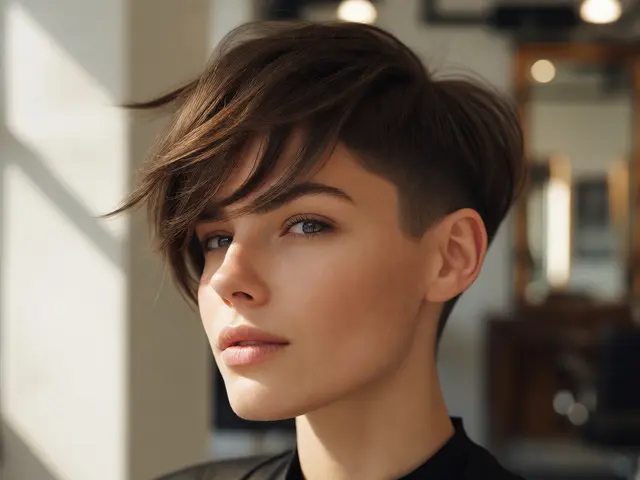
The pixie cut is the ultimate short hairstyle, but the classic version can feel too boyish for some. The fix? Keep the sides and back very short-think tapered or undercut-but leave significant length on top. This long section gets cut into choppy layers that sweep dramatically to one side.
This style works exceptionally well for people with fine hair because the contrast between the ultra-short sides and the longer top creates the illusion of thickness. For thick hair, the stylist will use thinning shears on the top layers to prevent poofiness. If you have a round face, ask for the longest layer to hit just below your cheekbone. This vertical line elongates your face. If you have an oval face, you can play with the length anywhere from ear-level to chin-level.
The Textured Bob with Asymmetric Fringe
A bob haircut doesn’t have to end at your chin. A short textured bob usually hits between the earlobe and the jawline. Adding layers here means the ends aren’t all hitting at once. Instead, they feather out, creating a softer silhouette.
Pair this with side bangs that start near the part and taper down toward the opposite temple. This is ideal for those with square or heart-shaped faces. The diagonal line of the bang breaks up the width of a square jaw, while the layered bob balances a wider forehead associated with heart shapes. Avoid heavy, solid bangs here; they’ll weigh down the delicate layers of the bob. Ask for wispy, point-cut ends instead.

The Shaggy Lob (Long Bob) for Wavy Hair
If you have waves or curls, a super short cut might require too much heat styling to tame. Enter the shaggy lob. This sits just above the shoulders but is heavily layered. The layers are cut vertically rather than horizontally, which encourages your natural curl pattern to clump together beautifully.
Add side bangs that are integrated into the front layers. Don’t isolate them as a separate block. Instead, let them flow seamlessly into the face-framing pieces. This looks effortless and lived-in. It’s perfect for busy mornings when you don’t want to blow-dry your hair perfectly straight. A quick scrunch with sea salt spray and you’re done. This style thrives on imperfection, so embrace the frizz.
| Style Name | Ideal Face Shape | Maintenance Level | Best Hair Texture |
|---|---|---|---|
| Pixie with Side Sweeps | Oval, Round | High (needs frequent trims) | Fine to Medium |
| Textured Bob | Square, Heart | Medium | Straight to Wavy |
| Shaggy Lob | All Shapes | Low | Wavy to Curly |
| French Bob | Oval, Diamond | Medium | Straight, Fine |
Choosing Based on Your Face Shape
Your bone structure dictates where the layers should fall. Think of your face as a canvas. You want to balance proportions, not hide them.
- Round Faces: You want height and length. Go for a pixie with volume on top and side bangs that angle sharply downward. Avoid blunt cuts at cheek level, which emphasize width.
- Square Faces: Soften the jawline. Choose a textured bob with wispy side bangs. The irregular edges of the layers distract from angular features.
- Heart-Shaped Faces: Balance a wider forehead and narrow chin. A shaggy lob with curtain-style side bangs adds width around the jaw, balancing the top half.
- Oval Faces: You hit the genetic jackpot. Almost any short layered cut works. Experiment with edgier, uneven lengths.

Cutting and Styling Tips for Salon Success
Communication is key. Don’t just say "layers." Show photos. But also, talk about your lifestyle. Do you wake up late? Do you own a round brush? If you hate blow-drying, tell your stylist. They might suggest a wet-cut technique that dries naturally into shape.
Ask for point-cutting. This is a technique where the scissors cut into the ends of the hair vertically, rather than straight across. It creates softer, less obvious lines. Blunt cuts on short hair can look chunky. Point-cutting keeps things airy.
For home styling, invest in a good matte pomade or texturizing spray. Glossy products make short hair look greasy. Matte finishes enhance the separation of layers, making the cut look intentional and sharp. Use a small amount on dry hair, rubbing it between your palms first, then scrunching upward.
Maintenance: How Often to Trim?
Short hair grows out fast. What looks chic at week two can look grown-out by week six. Plan for trims every 4 to 6 weeks. This keeps the layers distinct and prevents the bottom weight from dragging the style down. If you let it grow too long, you lose the definition that makes the cut special.
Side bangs require even more attention. They can creep into your eyes quickly. Learn to trim them yourself between salon visits. Cut them dry, not wet. Wet hair stretches and appears longer; cutting it wet leads to accidental micro-bangs. Hold the comb at an angle matching your desired slope and snip carefully.
Do side bangs make you look older?
Not necessarily. Well-cut side bangs can actually reduce the appearance of forehead wrinkles by covering them. However, if they are too heavy or unstyled, they can cast shadows under the eyes, which may accentuate tiredness. Keeping them light and layered helps maintain a youthful vibe.
Can I get side bangs with curly hair?
Yes, but proceed with caution. Curly hair shrinks significantly when dry. Always cut curly bangs dry or when stretched to ensure they don't end up too short. Opt for longer, wispier side bangs that blend into the rest of your curls rather than a defined fringe.
What is the difference between layers and graduation?
Layers involve cutting hair at varying lengths to remove weight and add movement. Graduation involves stacking hair to build weight and shape, often creating a triangular silhouette. For short hair, layers are generally preferred for a modern, textured look, while graduation is used for structured bobs.
How do I stop my side bangs from falling forward?
Use a blow dryer with a concentrator nozzle. Direct the airflow downward along the hair shaft while brushing the bangs to the side. Finish with a light-hold hairspray or a dab of wax on the roots to anchor them in place against gravity and humidity.
Are short layered cuts suitable for thin hair?
Absolutely. In fact, they are often recommended. Long hair weighs thin strands down, making them look sparse. Short layers remove weight, allowing the hair to lift at the roots and appear fuller. Avoid over-thinning, which can make ends look see-through.


Alyson Karson
September 25, 2026 AT 05:36omg YES. the helmet effect is real and i hate it so much!! i tried a blunt bob last year and looked like a sad mushroom for three months. layers are literally life savers. also stop telling stylists just "short" show them pics or they will ruin your face fr.
Chris Neal
September 25, 2026 AT 15:22Technically, the article glosses over the critical importance of hair density when choosing between point-cutting and razoring. Point-cutting removes weight without compromising the structural integrity of the cuticle, whereas razoring can cause split ends in fine hair types within weeks. The comparison table is misleading because it suggests the Shaggy Lob is low maintenance for all curly textures, but type 3C and 4A curls require significantly more hydration and product layering to prevent shrinkage from ruining the intended silhouette. Furthermore, the advice on trimming bangs dry is standard practice, but many stylists argue that cutting at an angle while damp allows for better precision in blending with the front layers, especially for those with cowlicks near the hairline. If you have a strong jawline, as mentioned for square faces, you actually need heavier graduation rather than just wispy layers to create balance; otherwise, the softness disappears after one wash cycle. It is also worth noting that matte pomades work best on coarse hair, while fine hair often benefits from lightweight sea salt sprays to avoid looking greasy by noon. The text fails to address how humidity levels affect these cuts, which is crucial for anyone living in coastal areas where frizz can destroy the separation of layers instantly. Finally, the recommendation for thinning shears on thick hair is outdated; modern techniques prefer slide cutting to maintain length while removing bulk, ensuring the shape holds longer between trims.
Vishnu Vardhan Reddy M S
September 25, 2026 AT 23:42Haha, Chris is absolutely right about the razor damage thing! I learned that the hard way two years ago. My stylist used a razor on my fine hair and it looked great for a week then turned into straw. Totally agree with the sea salt spray tip too. Just remember folks, if you go for the shaggy lob, don't skip the conditioner. Your curls will thank you later!
Kyle Ware
September 26, 2026 AT 18:22good info here. one thing i always tell clients is to be honest about their morning routine. if you won't blow dry your bangs every day don't get side bangs. they will fall forward and annoy you. simple as that. also point cutting is key for softness
Iva Grekova
September 27, 2026 AT 20:25This was super helpful! I've been thinking about getting a textured bob for ages but was scared of the commitment. The part about side bangs growing out gracefully really reassured me. I think I'm going to book an appointment next month. Thanks for breaking down the face shapes, I finally understand why some cuts look weird on me!
Chandan Singh
September 28, 2026 AT 23:16The distinction between layers and graduation is often misunderstood by laypeople. Graduation creates a stacked effect that builds weight at a specific perimeter, which is essential for structured bobs, whereas layers remove weight throughout the head to encourage movement. For Indian hair types, which tend to be thicker and coarser, the recommendation for thinning shears might need adjustment; texturizing scissors or slide cutting are often preferred to avoid the 'choppy' look that thinning shears can sometimes produce on dense hair. Additionally, the maintenance schedule of 4-6 weeks is accurate for maintaining shape, but those with faster growth cycles may need visits every 3-4 weeks to keep the neck area neat. It is also important to consider scalp health; frequent washing required for styling products like pomade can strip natural oils, so balancing shampoo frequency is vital for long-term hair health.
tiffany King
September 29, 2026 AT 08:17I love this idea! I have wavy hair and have always struggled with short cuts looking flat. The shaggy lob sounds perfect for me. Can't wait to try the sea salt spray trick. Feeling so excited to change up my look!
Brenna Gonedrman
September 29, 2026 AT 21:59OH MY GOD. THE HELMET EFFECT IS SO UGLY. IT MAKES YOU LOOK LIKE A TIN CAN. LAYERS ARE MAGIC. THEY MAKE YOUR HAIR DANCE. IF YOU DON'T GET LAYERS YOU ARE DOING IT WRONG. PERIOD. END OF STORY.
Courtney Wagstaff
September 30, 2026 AT 01:52hey everyone, just wanted to add that finding the right stylist is half the battle. look for someone who specializes in short cuts, not just generalists. also, bring photos of people with similar hair texture to yours, not just face shape. makes a huge difference in how they interpret the 'layered' request. stay chill and trust the process!