


There is nothing quite as soul-crushing as walking out of the salon or barbershop, catching your reflection in a store window, and feeling like you’ve been shrunk by three inches. You sit there, waiting for the “new look glow” to kick in, but instead, you just feel exposed. Your ears stick out. Your neck looks longer. The volume is all wrong.
You aren’t imagining it. And you aren’t alone. Most people have experienced that post-haircut dread at least once. But if it happens *every* time, something is fundamentally broken in the process. It’s rarely just bad luck. Usually, it’s a mix of miscommunication, misunderstanding your hair type, or falling into common styling traps.
Let’s figure out why this keeps happening to you and how to stop it from ruining your week-or your self-esteem.
The Communication Gap: Why "Short" Means Different Things
The biggest reason haircuts go wrong isn’t usually technical skill; it’s language. When you say, “Just trim the ends,” your stylist might hear, “Remove two inches.” When you ask for a “fade,” they might give you a gradient that starts at eye level while you wanted it subtle.
Hair terminology is vague. Words like “textured,” “layered,” and “tapered” mean different things to different professionals. If you rely on verbal descriptions alone, you’re playing a guessing game with your appearance.
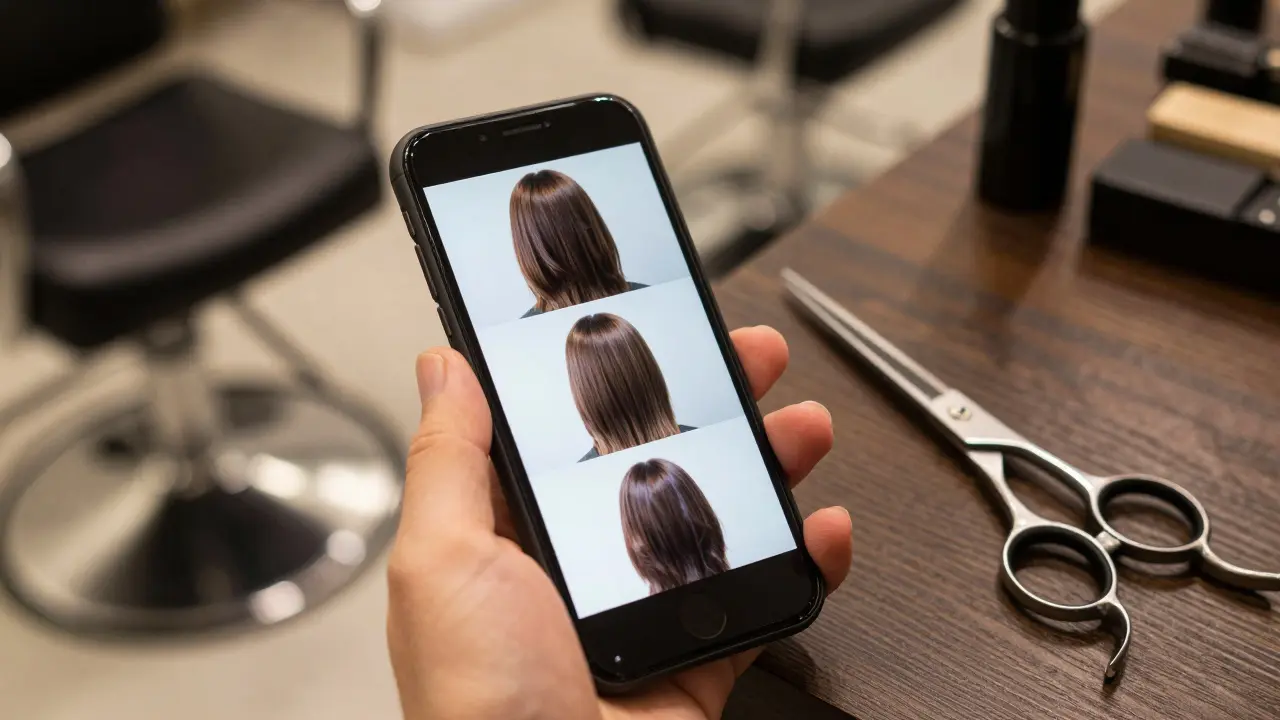
The Fix: Stop talking. Start showing. Save photos of hairstyles you like on your phone. Not just one photo, but three: front, side, and back. Even better, find photos of people who share your specific hair texture and face shape. If you can’t find a reference, use apps that let you overlay styles onto your own selfie. This removes the ambiguity. A picture is worth a thousand words, especially when those words are “make it look cool.”
Your Hair Texture vs. The Cut
Hair doesn’t behave the same way for everyone. A cut that looks sleek and modern on someone with straight, fine hair will look frizzy and uneven on someone with coarse, curly hair. Many stylists are trained on standard models, which often have straight, medium-texture hair. If your hair is naturally wavy, thick, or thin, a generic cut won’t work.
For example, blunt cuts add weight and can make fine hair look limp. Layered cuts remove weight, which helps thick hair move, but can make thin hair look sparse. If your stylist ignores your natural pattern, the result will always fight against you.
Hair Texture Analysis is the process of understanding whether your hair is straight, wavy, curly, or coily, and whether it is fine, medium, or thick. This determines how much length you need to maintain structure.
The Fix: Before you sit in the chair, tell your stylist exactly what your hair does naturally. Does it frizz in humidity? Does it fall flat by noon? Ask them to cut your hair dry (or damp-dry) so they can see how it behaves in real-time, rather than cutting it wet when it stretches and lies differently.
The Face Shape Factor
We often think we want a certain style because we saw it on a celebrity. But celebrities have professional makeup, lighting, and hair teams working around-the-clock. More importantly, they have face shapes that complement those styles.
If you have a round face, a heavy, chin-length bob might emphasize width rather than balance it. If you have a long, oval face, super-short pixie cuts might elongate your features further. A good stylist assesses your bone structure-jawline, cheekbones, forehead-and tailors the cut to frame your best angles.
The Fix: Be honest about your insecurities. If you hate your jawline, ask for layers that draw attention upward toward your eyes. If you have a large forehead, ask for bangs or fringe that breaks up the space. A skilled stylist will adjust the template to fit your face, not force your face to fit the template.
The "Wet vs. Dry" Deception
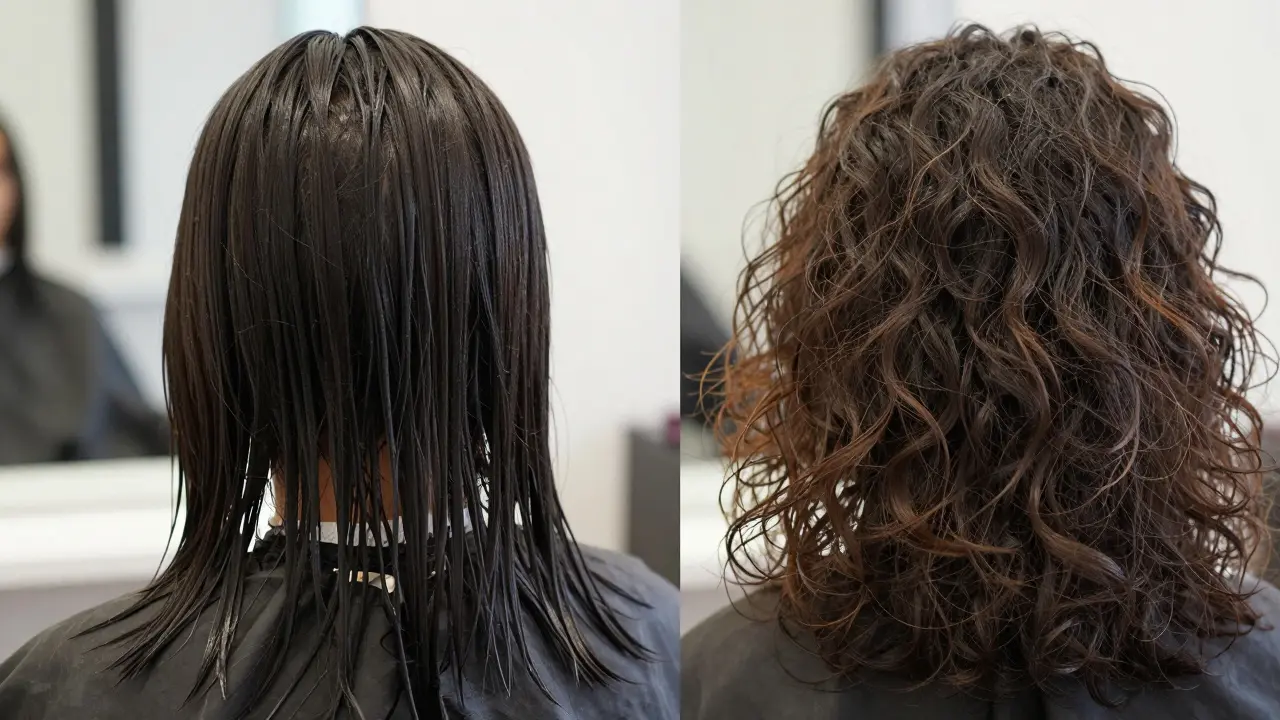
Have you ever left the salon thinking, “Wow, this looks great,” only to get home, wash your hair, and realize it’s a disaster? Wet hair clumps together and hides imperfections. It also appears shorter and smoother. Once it dries, it expands, frizzes, and reveals every uneven chop.
This is especially true for curly and wavy hair types. Cutting curly hair while it’s stretched out (wet) without accounting for shrinkage is a recipe for disaster. When the curls spring back, they might be an inch shorter than expected, losing the intended shape.
The Fix: Insist on seeing your hair dry before you leave. If your stylist refuses, or if they rush you out the door with wet hair, consider finding a new place. A professional should blow-dry or air-dry your hair and check the balance, length, and blend before handing you the mirror.
Lack of Maintenance and Styling Skills
A haircut is only half the battle. The other half is how you style it daily. Many people expect their hair to look like the salon version without doing any work. But salon hair has product, heat tools, and hours of drying time behind it.
If you don’t know how to use a blow dryer, flat iron, or curling wand, your hair will default to its natural state-which might be messy or flat. Furthermore, using the wrong products can weigh hair down or cause buildup, making even a perfect cut look greasy or dull.
The Fix: Ask your stylist for a tutorial. Don’t be shy. Say, “Can you show me how you styled this?” Take notes. Buy the products they recommend, but read the labels. Learn the basics of blow-drying direction (down for smoothness, up for volume). Investing twenty minutes in learning proper technique saves you hours of frustration.
The Wrong Stylist for Your Vibe
Not all stylists are created equal. Some specialize in precision bobs. Others excel at edgy, textured crops. Some are artists who love experimentation; others are technicians who focus on clean lines. If you go to a classic barber for a trendy, textured fade, or to an avant-garde artist for a conservative business cut, you’ll likely be disappointed.
Look at their social media portfolios. Do their recent clients look like you? Do they have similar hair goals? If their feed is full of bright pink colors and you want a natural brown trim, they might not be the right fit.
The Fix: Vet your stylist before booking. Check reviews specifically for comments about communication and consistency. If possible, book a consultation first. A ten-minute chat can reveal if they listen to you or try to sell you on their idea of what you “should” wear.
How to Recover From a Bad Haircut
Sometimes, despite your best efforts, the cut still goes wrong. Here’s how to handle it without hiding under a hat for a month.
- Go Back Immediately: Most salons offer free adjustments within 48-72 hours. Go back, explain calmly what you don’t like, and let them fix it. They want you happy.
- Use Accessories: Hats, headbands, and scarves aren’t just for fashion. They’re strategic tools. A wide-brimmed hat can hide uneven lengths while they grow out.
- Add Volume or Texture: If the cut is too short or flat, use texturizing spray or sea salt spray to create chaos. Controlled messiness distracts from precise errors.
- Change Your Part: Switching from a center part to a side part can instantly change the balance and volume of your hair, sometimes fixing asymmetry issues.
Comparison: Common Mistakes vs. Solutions
| Problem | Why It Happens | Immediate Solution |
|---|---|---|
| Hair looks too short | Stylist cut more than requested; wet hair deception | Use volumizing mousse; avoid tight ponytails |
| Uneven sides | Poor blending; asymmetrical head shape ignored | Ask for adjustment; use side-swept bangs |
| Frizzy/messy look | Cut against natural texture; wrong products | Switch to sulfate-free shampoo; use anti-frizz serum |
| Flat/lifeless | Too much weight; lack of layering | Blow-dry roots upside down; add texturizing powder |
| Doesn't suit face | Generic cut applied without face shape analysis | Consult with specialist; use accessories to frame face |
Frequently Asked Questions
How long does it take for a bad haircut to grow out?
On average, hair grows about half an inch per month. So, a minor trim gone wrong might look acceptable in 4-6 weeks. A major mistake, like cutting off several inches, could take 3-6 months to fully recover. In the meantime, regular trims every 6-8 weeks can help blend the growth line and keep the shape tidy.
Should I cut my own hair to fix a bad cut?
Generally, no. DIY fixes often make things worse because you lack the proper tools, angle, and experience. However, if you have basic scissors and steady hands, you can lightly trim split ends or slightly shorten overly long bangs. For anything structural, go back to a professional.
What should I say if my stylist doesn't listen?
Be firm but polite. Say, “I’m not comfortable with this direction. Can we step back and discuss the reference photo again?” If they dismiss your concerns, ask to speak to the manager. You have the right to be heard. If the environment feels hostile, leave and seek a refund or credit elsewhere.
Can products really save a bad haircut?
Yes, to an extent. Products can add volume, texture, shine, or hold, which can mask unevenness or flatness. For example, texturizing spray can make a blunt cut look softer. Hairspray can hold layers in place. But products can’t add length or completely change the shape. They’re a band-aid, not a cure.
Is it normal to hate your haircut immediately?
It’s common, but not necessarily normal. A slight adjustment period is expected as you get used to the new look. However, immediate hatred often signals a mismatch between expectation and reality. If you feel shocked or upset, trust your instincts. Address it right away rather than waiting to see if you “get used to it.”
How do I choose the right stylist for my hair type?
Look for specialists. If you have curly hair, find a curl specialist. If you have very fine hair, look for stylists who mention “volume” or “fine hair techniques” in their bios. Check Instagram or TikTok for real client results, not just model shots. Read reviews that mention your specific hair concern.
Why does my hair look different at home than in the salon?
Salon lighting is designed to flatter, and stylists use high-heat tools and strong-hold products that aren’t sustainable for daily life. At home, natural light reveals true color and texture, and your hair behaves according to humidity and gravity. Expect some difference, but it shouldn’t be drastic if the cut is well-executed.


Lisa Puster
June 2, 2026 AT 19:14stop whining about your hair and look at the bigger picture. you americans are so obsessed with superficial vanity it makes me sick. while you worry about split ends our infrastructure is crumbling. typical western narcissism. nobody cares about your fade.
Joe Walters
June 3, 2026 AT 00:20omg this article is literally saving my life right now i have been crying in the shower for weeks because my barber chopped off like three inches of my soul. who knew wet hair was a lie?? i feel betrayed by water itself. also why does everyone think they can style their own hair its basically brain surgery but with more grease
Robert Barakat
June 3, 2026 AT 02:05The haircut is merely a metaphor for the transient nature of identity. We seek permanence in strands that are destined to fall, clinging to an image that dissolves with every wash. The stylist is not a creator but a destroyer of potential forms.
Michael Richards
June 4, 2026 AT 03:41You're doing it wrong. Stop blaming the stylist. If you can't communicate clearly then you deserve the bad cut. Show pictures. Be specific. Don't expect mind reading. Most people just want someone to take charge and fix their mess instead of asking endless questions. Take responsibility for your appearance.
Laura Davis
June 5, 2026 AT 12:20I totally get this frustration! It's so important to advocate for yourself in that chair. You deserve to feel confident and if the stylist isn't listening you need to speak up firmly. Remember your worth isn't defined by a bad trim but you should still demand better service. Have you tried bringing a reference photo? It really helps!
Lisa Nally
June 6, 2026 AT 20:42Actually the issue lies in the lack of proper consultation protocols within the industry. Stylists often fail to perform a comprehensive trichological assessment before cutting. This leads to structural integrity issues in the final style. One must insist on a dry-cut technique for curly hair types to account for shrinkage variables.
Edward Gilbreath
June 6, 2026 AT 22:59its all part of the plan. big beauty wants you buying more products. they cut your hair short so you buy volumizing spray. its a conspiracy to keep you poor and insecure. never trust a salon. grow it out and wear a hat. they cant control what they cant see.
kimberly de Bruin
June 7, 2026 AT 02:13the mirror shows truth but we refuse to see it. hair is just protein chains falling away from us. why do we mourn them?
Edward Nigma
June 9, 2026 AT 01:11actually most stylists are overpaid mediocrities who rely on marketing hype. the real secret is learning to cut your own hair with precision tools available online. save money and gain autonomy. dont let society dictate your aesthetic choices through expensive services.
Francis Laquerre
June 10, 2026 AT 03:15In my culture we view hair as a crown. To lose it carelessly is to disrespect one's heritage. I once traveled to Paris and saw how meticulously they approach each client. It is an art form not a transaction. You must find an artist not a technician.
michael rome
June 10, 2026 AT 11:22It is imperative that you understand the technical aspects of hair structure. Keratin bonds break under heat stress. Therefore using high heat without protection causes irreversible damage. Please ensure you use thermal protectants daily.
Andrea Alonzo
June 12, 2026 AT 04:03I completely understand where you are coming from because I have experienced similar feelings of inadequacy after leaving the salon multiple times throughout my life and it is incredibly disheartening to feel like you do not recognize yourself in the reflection when you were expecting a transformation that would boost your confidence levels significantly which is why it is crucial to establish clear communication channels with your stylist beforehand so that there are no misunderstandings regarding the desired outcome and length preferences.