
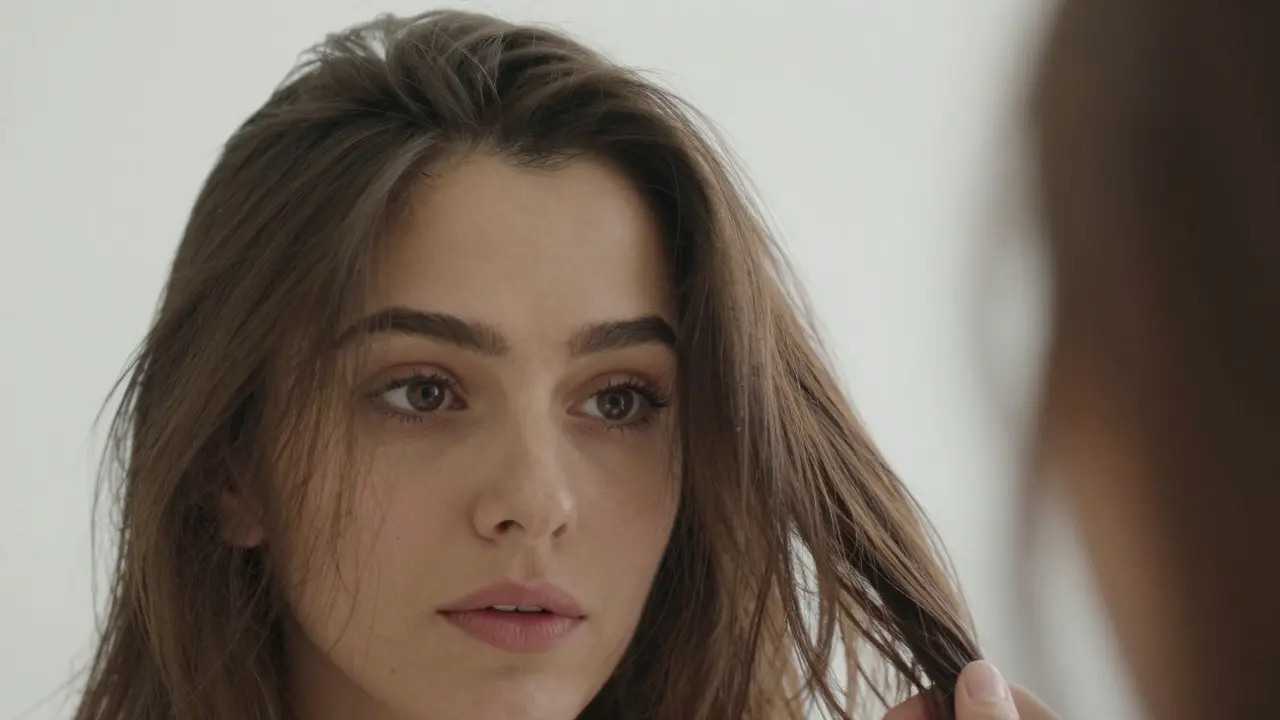
You stare in the mirror. Your hair looks flat, lifeless, and maybe even thinner than it did last month. You’ve heard that layered cuts are the secret to adding movement and volume. But there’s a catch: if you have thin or fine hair, layers can sometimes do more harm than good. They might make your ends look wispy, sparse, or worse-like you’re losing hair faster than you are.
The truth is, layers aren’t inherently bad for thin hair. In fact, done right, they are one of the best ways to create the illusion of fullness. Done wrong, they strip away the weight that keeps your hair looking dense. So, is a layered cut good for thin hair? It depends entirely on how those layers are cut, where they start, and how you style them afterward.
Understanding the Difference Between Fine and Thin Hair
Before we talk about scissors, we need to clear up a common confusion. People often use "fine" and "thin" interchangeably, but they mean two very different things. This distinction matters because it changes how your hair reacts to a layered cut.
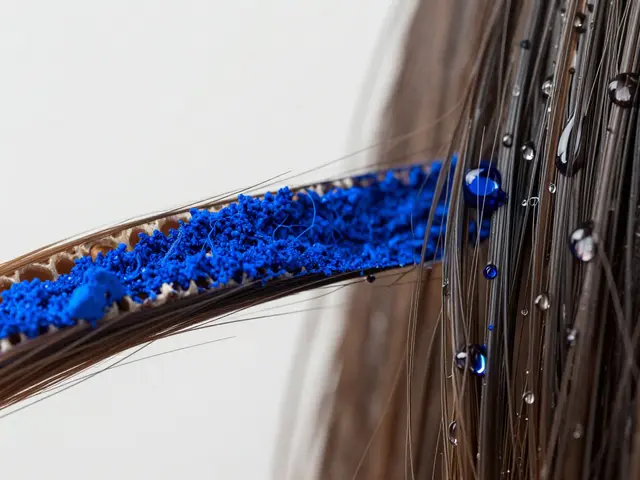
Fine hair refers to the diameter of an individual strand. If you hold a single hair between your fingers and it feels almost invisible or slippery, you have fine hair. It’s delicate and can be easily weighed down by heavy products.
Thin hair, on the other hand, refers to density-the number of strands per square inch on your scalp. You can have thick, coarse strands (not fine) but still have low density (thin). Or you can have fine strands with high density. Most people asking about layers for thin hair actually have a combination of fine texture and low density.
If you have fine hair with low density, removing too much weight through aggressive layering will expose your scalp. The goal isn’t just to add shape; it’s to preserve as much visual mass as possible while creating lift at the roots.
Why Layers Can Be Dangerous for Thin Hair
Let’s play devil’s advocate for a second. Why do stylists warn against layers for thin hair? Because traditional layering techniques involve cutting into the bulk of the hair to remove weight. For someone with thick, heavy hair, this removes bulk and allows the hair to move freely. For someone with thin hair, there is no "bulk" to remove. There’s only length.
When you take out too much length from the top and middle sections of thin hair, you leave behind short, wispy pieces that don’t have enough weight to fall smoothly. Instead of flowing, these short layers stick out or blend into nothingness. The result is a see-through effect where your scalp becomes visible, especially under bright lights or when the wind blows.
This is why many women with thinning hair avoid layers altogether. They opt for a blunt cut-a straight line across the bottom-to keep all the hair together, creating a solid, dense-looking hemline. A blunt cut makes the hair look thicker at the ends because every strand is the same length, maximizing coverage.
When Layers Actually Work for Thin Hair
So, should you never get layers? Not necessarily. The problem isn’t the concept of layers; it’s the *execution*. Modern cutting techniques have evolved to accommodate finer textures. The key is subtlety.
Layers work for thin hair when they are used strategically to:
- Add lift at the crown without sacrificing length at the ends.
- Remove dead weight that pulls the hair flat against the scalp.
- Create the illusion of movement, which makes hair look healthier and fuller.
Think of it like architecture. A building needs a strong foundation (the length at the bottom) and a structured roof (the layers on top). If you remove too much from the roof, the building collapses. If you keep the foundation solid but lighten the roof, the structure stands tall.
For thin hair, the best approach is "long layers" or "hidden layers." These are layers that start much lower on the head-often below the chin or even at the shoulders-so that the majority of the hair remains intact. This preserves the blunt, thick-looking perimeter while allowing the top section to have some shape and bounce.
The Best Layering Techniques for Fine and Thin Hair
If you decide to go ahead with layers, communicate clearly with your stylist. Don’t just say "I want layers." Specify the type of layering that suits your hair type. Here are three techniques that work well for thin hair:
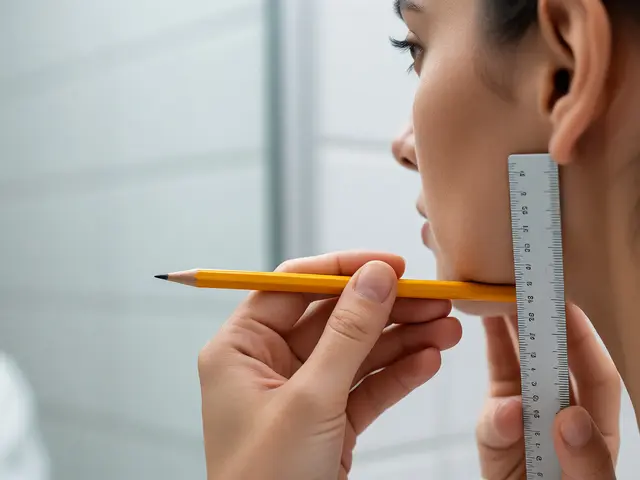
- Long Face-Framing Layers: These layers start around the cheekbones or jawline. They draw attention to your face rather than the thinness of your hair. Because they are long, they don’t compromise the overall density of the hair.
- V-Layer or U-Layer Cuts: Instead of horizontal layers that chop off bulk, ask for a V-shape or U-shape at the back. This creates depth and dimension without removing significant length. It tricks the eye into seeing more volume because the hair falls in different directions.
- Point Cutting: This is a technique where the stylist cuts into the ends of the hair vertically with the tips of the scissors, rather than slicing straight across. It softens the edges and removes minimal weight. For thin hair, point cutting adds texture without making the ends look sparse.
Avoid "shag" cuts or heavily textured, short layers. These styles rely on thick, coarse hair to hold their shape. On fine hair, they tend to look frizzy and unkempt rather than edgy.
Length Matters: Short vs. Long Hair
The length of your hair plays a huge role in whether layers will help or hurt. Generally, shorter hair looks thicker than long hair. Why? Because long hair has more weight pulling it down, stretching the strands and exposing the scalp. Shorter hair bounces up, creating natural volume.
| Hair Length | Best Layering Approach | Why It Works |
|---|---|---|
| Short (Bob/Lob) | Minimal to No Layers | A blunt bob creates a solid line that maximizes perceived thickness. Internal texturizing can add slight movement without reducing density. |
| Medium (Shoulder-Length) | Long, Subtle Layers | Layers starting at the collarbone allow for shape without sacrificing the weight needed to keep the ends from looking wispy. |
| Long (Past Shoulders) | Face-Framing Only | Keep the bulk of the hair blunt. Add only light layers around the face to prevent a triangular, heavy-bottomed look. |
If you have very long, thin hair, be cautious. The longer the hair, the more weight it carries. If you add layers to very long thin hair, you risk making the bottom half look incredibly sparse. In this case, a trim to bring the length up to shoulder-length might be the best way to regain volume, rather than adding layers to the existing length.
Styling Tips to Maximize Volume After a Layered Cut
Getting the right cut is only half the battle. How you style your hair determines whether those layers look voluminous or wispy. Thin hair requires specific products and techniques to maintain body throughout the day.
Blow-Drying Technique: Never let your hair air dry if you want volume. Air drying causes fine hair to lie flat against the scalp. Use a round brush and blow-dry your hair upside down or with the brush lifting the roots away from the head. Focus the heat on the roots first, then smooth the lengths. Cool shot at the end sets the volume.
Product Selection: Avoid heavy creams, oils, or serums near the roots. These weigh fine hair down instantly. Look for volumizing mousses or root-lifting sprays. Apply them to damp hair before blow-drying. For the ends, use a lightweight leave-in conditioner to prevent breakage without adding grease.
Heat Styling: If you use a curling iron, curl your hair away from your face and leave the last inch of the hair uncurled. This prevents tight, springy curls that can look small and emphasize thinness. Loose waves create more width and illusion of fullness than tight curls.
Teasing (Backcombing): Yes, teasing is still a valid technique. Gently backcomb the hair at the crown underneath the top layer. Then, smooth the top layer over it. This creates a hidden cushion of volume that doesn’t look messy. Just be gentle to avoid breakage.
Alternatives to Layers for Adding Volume
If you’re still unsure about layers, or if your hair is extremely fine, there are other ways to add volume without cutting into your length.
Blunt Cuts: As mentioned earlier, a blunt cut is the gold standard for making thin hair look thicker. It creates a clean, heavy line at the bottom that reflects light uniformly, giving the appearance of density.
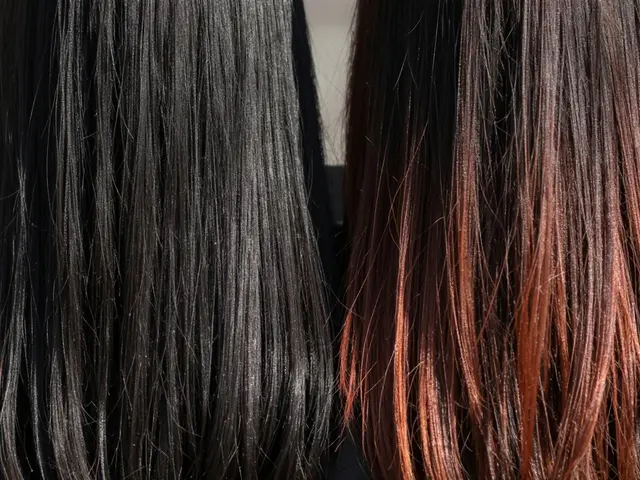
Balayage or Highlights: Color can create dimension. Single-process color can make thin hair look flat and two-dimensional. Strategic highlighting, particularly around the face and crown, creates contrast. Lighter tones reflect more light, making the hair appear fuller. Darker roots with lighter ends also create the illusion of depth.
Hair Fibers and Thickening Sprays: Products containing keratin or wheat protein can coat the hair shaft, temporarily increasing its diameter. While not a permanent solution, they provide immediate visual thickness for special occasions.
Common Mistakes to Avoid
To ensure your layered cut enhances rather than diminishes your hair, watch out for these pitfalls:
- Too Many Layers: More isn’t better. Limit the number of layers to avoid chopping up your hair unnecessarily.
- Starting Too High: Layers that start above the ear or cheekbone will likely look wispy on thin hair. Keep them lower.
- Ignoring Scalp Health: Sometimes thin hair is a sign of underlying health issues. Ensure you’re getting enough protein, iron, and vitamins. A healthy scalp supports stronger, thicker-looking hair.
- Using Heavy Conditioners: Reserve rich conditioners for the ends only. Applying them to the roots will flatten any volume you worked hard to create.
Conclusion: Is It Worth the Risk?
So, is a layered cut good for thin hair? Yes, but with conditions. It is good if you choose long, subtle layers that preserve the weight of your hair. It is good if you commit to proper styling techniques that lift the roots. It is good if your stylist understands the difference between fine texture and low density.
It is not good if you want dramatic, choppy layers that start high on the head. It is not good if you expect the cut alone to fix thinning without addressing styling or hair health.
Ultimately, the best haircut for thin hair is one that makes you feel confident. Whether that’s a sleek, blunt bob or a softly layered lob, the goal is to work with your hair’s natural characteristics, not against them. Bring photos to your stylist, discuss your concerns openly, and ask for a consultation before the scissors touch your hair. Your hair is unique, and your cut should be too.
Do layers make thin hair look thinner?
Yes, if the layers are too short or too numerous. Aggressive layering removes weight and bulk, which can expose the scalp and make the ends look wispy. However, long, subtle layers can add volume and movement without making thin hair look thinner.
What is the best haircut for very thin hair?
A blunt cut is generally considered the best option for very thin hair. It keeps all the hair at one length, creating a solid, dense-looking line at the bottom. This maximizes the appearance of thickness and prevents the ends from looking sparse.
How long should layers be for fine hair?
Layers for fine hair should start no higher than the cheekbones or jawline. Ideally, they should begin at the shoulders or lower. This ensures that the majority of the hair retains its weight and density, while the top layers add shape and lift.
Can I get layers if my hair is thinning due to age?
You can, but caution is advised. Age-related thinning often means less density overall. Stick to very long, subtle layers or face-framing pieces. Avoid internal texturizing that removes bulk. Focus on maintaining length at the bottom to cover the scalp effectively.
Does blowing dry thin hair cause damage?
Blow-drying itself doesn’t cause damage if done correctly. The key is using a heat protectant spray and keeping the dryer moving. For thin hair, blow-drying is essential for creating volume. Letting hair air dry often results in flat, lifeless strands.