
Buying hair extensions is a profitable business if you source them correctly. Many new resellers fail not because of marketing, but because they buy from the wrong suppliers and end up with tangled, thin, or synthetic-looking stock. The difference between a one-time sale and a repeat customer often comes down to where you source your inventory. If you want to build a sustainable brand, you need to understand the supply chain, identify reliable human hair vendors, and know exactly how to vet their quality before spending a dime.
The Core Problem: Why Sourcing Matters More Than Marketing
You can have the best Instagram strategy in the world, but if your extensions shed after two washes, your reputation dies. In the beauty industry, product consistency is king. When you resell hair, you are selling trust. Your customers expect the hair to look natural, last for months, and hold styles well. This means your primary job as a buyer is quality control, not just finding the cheapest price per bundle.
Most beginners make the mistake of looking at price first. They see a $15 bundle online and think they found a deal. But when they open it, the hair feels like plastic, the weft is loose, and the length is short. That “deal” actually costs you more in returns, refunds, and lost trust. To avoid this, you must shift your mindset from “finding cheap hair” to “finding reliable partners.”
Understanding the Global Supply Chain
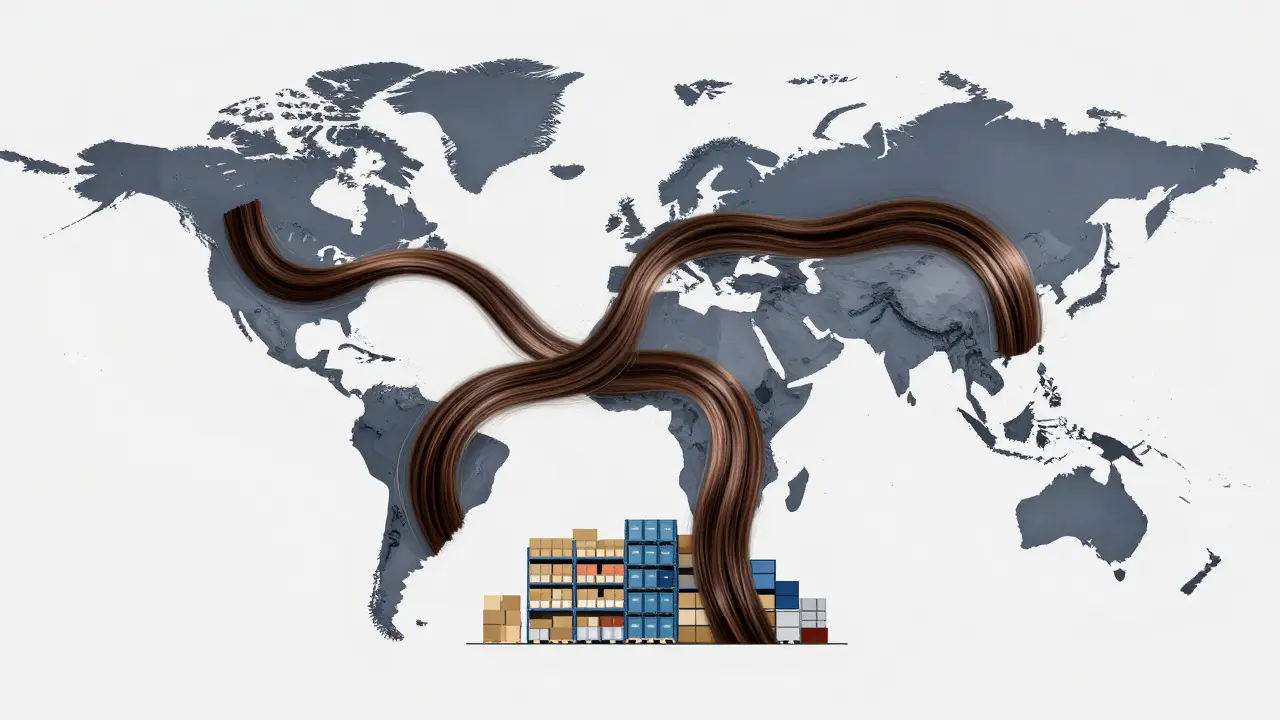
To find the best sources, you need to know where the hair comes from. The global hair trade is complex, but it generally flows through three main hubs:
- Asia (Vietnam, China, India): These countries are the largest producers of raw human hair. Vietnam, in particular, has become a top destination for high-quality virgin hair due to its ethical collection methods and skilled processing facilities.
- Eastern Europe (Ukraine, Romania): Known for blonde and light brown tones, these regions offer hair that is naturally lighter and often requires less chemical processing.
- North America & Europe (Wholesalers): These are middlemen who buy from Asia or Europe and sell to local businesses. They offer convenience but usually charge a premium for the markup.
For a reseller starting out, balancing cost and reliability is crucial. Buying directly from Asian manufacturers offers the lowest cost but requires higher minimum order quantities (MOQs) and longer shipping times. Buying from local wholesalers is faster and easier but reduces your profit margin. Most successful small-to-mid-sized brands start with local wholesalers to test the market, then move to direct sourcing once they have consistent sales.
Top Regions for Sourcing High-Quality Hair
Not all hair is created equal. The origin of the hair dictates its texture, durability, and price point. Here is a breakdown of the most popular sourcing regions and what they offer:
| Region | Hair Type | Average Cost per Bundle | Pros | Cons |
|---|---|---|---|---|
| Vietnam | Virgin Human Hair | $30 - $60 | Ethical sourcing, long-lasting, smooth texture | Longer shipping times, higher MOQs |
| China | Processed/Synthetic Blend | $15 - $40 | Wide variety, fast shipping, low MOQs | Inconsistent quality, potential mixing |
| India | Raw Unprocessed Hair | $25 - $50 | Natural texture, good for curly types | Can be coarse, requires heavy processing |
| USA/Europe | Retail Grade | $60 - $100+ | Immediate availability, easy returns | Low profit margins, limited customization |
Vietnamese hair is particularly prized for its fine, silky texture and ability to hold color. It is often collected from temples or via consent-based donations, making it an ethically sound choice for modern consumers who care about sustainability. Chinese suppliers offer the widest range of options, including pre-colored and heat-treated bundles, which is great for beginners who don’t want to handle raw processing. However, you must be vigilant about mixed hair, where lower-grade strands are hidden among premium ones.
How to Vet a Supplier Before You Buy
Finding a supplier is easy; finding a *good* supplier is hard. Here is a step-by-step process to protect your investment:
- Request Video Samples: Don’t rely on photos. Ask the vendor to send a video of the specific lot you are interested in. Watch for shine, tangle resistance, and cuticle alignment. If the hair looks dull or frizzy in the video, skip it.
- Order a Sample Pack: Never commit to a bulk order without testing a single bundle first. Wash it, dry it, and style it. Check if the weft holds up under tension. A good sample should feel soft immediately and remain manageable after washing.
- Check Communication Speed: How quickly do they reply? Do they answer technical questions about density and length accurately? Poor communication is a red flag for future issues with shipping or defects.
- Verify Certifications: Look for vendors who provide certificates of authenticity or ethical sourcing documents. While not always available, they add a layer of credibility.
- Read Reviews Beyond the Website: Search for the vendor’s name on forums like Reddit’s r/hairextensions or Facebook groups dedicated to hair buyers. Real user experiences are far more valuable than polished testimonials.
Quality Control Metrics You Must Know
When evaluating hair, use these specific metrics to ensure consistency across your inventory:
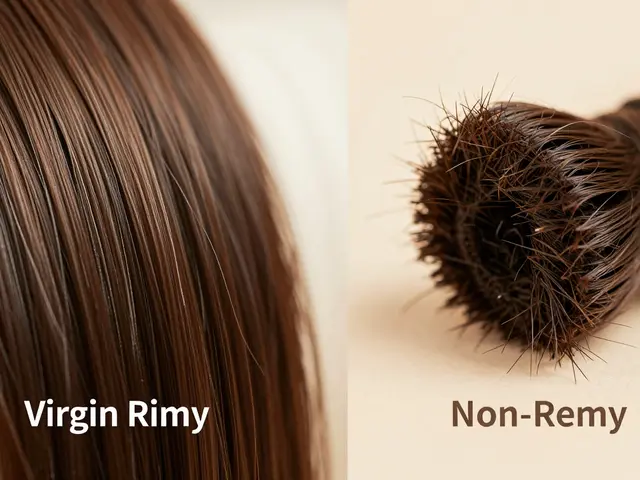
- Cuticle Alignment: Premium hair has intact cuticles that all face the same direction. This prevents tangling and adds natural shine. If the cuticles are stripped (common in cheaper processed hair), the extensions will tangle within weeks.
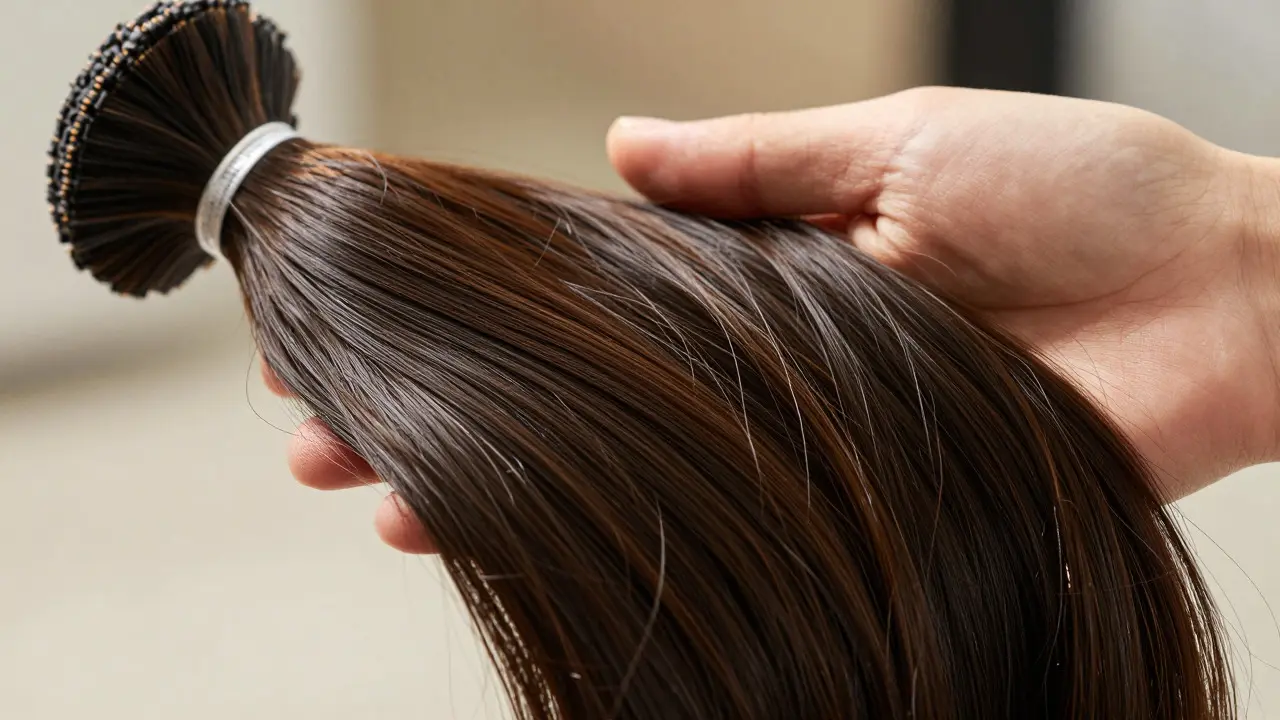
- Density: Standard bundles are usually 100g to 150g. Weigh your samples. If a “150g” bundle weighs only 120g, you are being overcharged for air.
- Weft Strength: Pull gently on the weft. It should be tight and secure. Loose wefts unravel easily, leading to customer complaints.
- Length Accuracy: Measure the hair from root to tip. Some vendors stretch the hair during photos. Ensure the actual length matches the listing.
Pricing Strategy for Resellers
Your profit margin depends on how well you calculate your total landed cost. This isn’t just the price of the hair. It includes shipping, customs duties, packaging, and potential return rates. A common rule of thumb in the hair industry is to aim for a 50% gross margin on retail sales. If your total cost per bundle is $40, you should aim to sell it for at least $80 to cover overhead and still make a healthy profit.
Don’t forget to factor in storage and handling. Human hair is delicate. It needs to be stored in a cool, dry place away from direct sunlight. If you are buying in bulk, invest in proper storage solutions to prevent mold or brittleness, which can ruin unsold inventory.

Common Pitfalls to Avoid
Even experienced buyers make mistakes. Here are the most common traps that hurt new resellers:
- Ignoring Shipping Times: International shipping can take 2-4 weeks. If you run out of stock, you lose sales. Always keep a buffer inventory.
- Buying Mixed Lots: Sometimes vendors mix different grades of hair in the same batch. Inspect every bundle upon arrival. If you spot inconsistencies, document them immediately for a refund.
- Underestimating Customs Fees: Depending on your country, importing large quantities of hair may incur taxes. Calculate these fees upfront so they don’t eat into your profits unexpectedly.
- Skipping Branding: Even if you buy generic hair, package it beautifully. Include a care guide and a thank-you note. Customers remember the experience, not just the product.
Building Long-Term Relationships
The best deals often come from relationships, not cold inquiries. Once you find a vendor who delivers consistently, try to negotiate better terms. As your order volume increases, ask for discounts, free samples of new colors, or extended payment terms. Many vendors prefer loyal clients who order regularly over one-off buyers. Show them you are serious by paying on time and providing feedback. This mutual respect can lead to exclusive access to new lots or custom lengths that aren’t available to the public.
Frequently Asked Questions
What is the minimum order quantity (MOQ) for wholesale hair?
MOQs vary by vendor. Direct factories in Asia often require 10-20 bundles minimum, while local wholesalers might allow orders as small as 1-3 bundles. For beginners, starting with a smaller MOQ from a local supplier is safer to test market demand.
How do I verify if hair is truly virgin human hair?
Perform a burn test. Cut a small strand and burn it. Human hair smells like burnt protein (like burning fingernails) and turns to ash. Synthetic hair smells like plastic and melts into a bead. Also, check for cuticle integrity under a magnifying glass.
Which region offers the best value for money for reselling?
Vietnam currently offers the best balance of quality and ethics for mid-range pricing. Chinese suppliers are cheaper but require stricter quality control. European suppliers are the most expensive but offer the fastest turnaround for US-based resellers.
Should I buy pre-colored hair or raw hair?
Pre-colored hair is easier to resell because customers can see the exact result. Raw hair allows you to customize colors for specific client requests but requires expertise in dyeing. If you are new, stick to pre-colored bundles in popular shades like jet black, dark brown, and honey blonde.
How long does it take to receive international hair shipments?
Sea freight takes 4-8 weeks but is cheaper for large volumes. Air freight takes 7-14 days and is suitable for urgent restocks. Express courier services can deliver in 3-5 days but are significantly more expensive per unit.