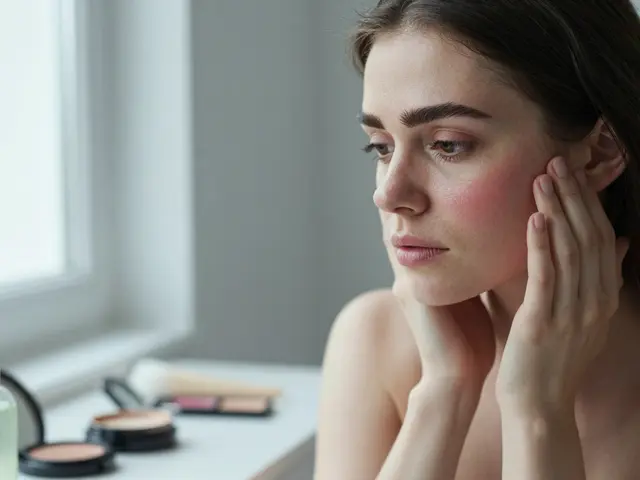

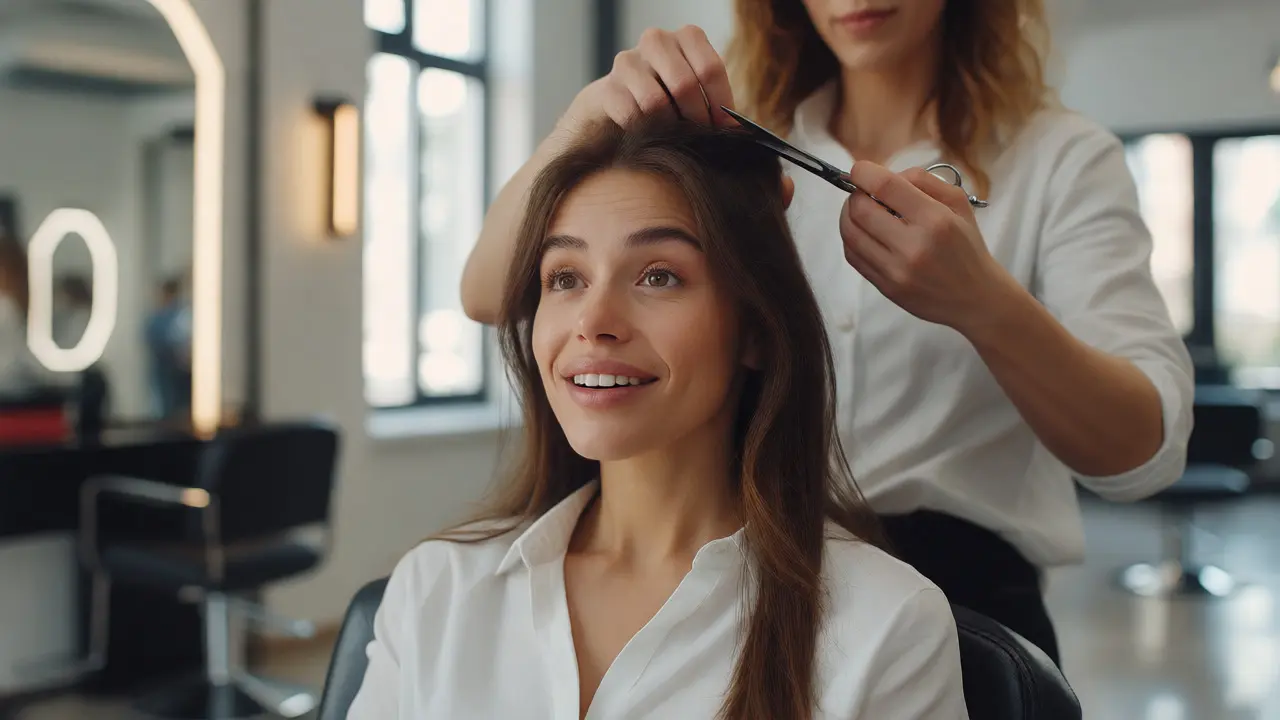
There is a specific kind of terror that hits when you sit in the salon chair and tell your stylist, "I want it short." You watch the first chunk of length fall to the floor and wonder if you just made the biggest mistake of your life. But here is the truth: short hair is not just a trend; it is a liberation. It cuts down drying time by half, saves money on shampoo, and can completely change how people perceive your confidence. The problem isn't the cut itself-it’s the execution. Most women fail at short hair because they treat it like long hair that got chopped off. They ignore their face shape, skip the right products, and expect their bedhead to look like a Pinterest board without any effort.
If you are thinking about taking the plunge, or if you already have the chop and feel lost trying to style it, this guide breaks down exactly how to make short hair work for you. We aren’t talking about vague advice. We are talking about concrete strategies based on bone structure, hair texture, and real-world maintenance.
Know Your Face Shape Before You Book the Appointment
You cannot pull off a short cut if you haven’t done the math on your face geometry. This is where most people go wrong. They see a pixie cut on a celebrity with an oval face and assume it will look identical on their round face. It won’t. The goal of a short haircut is balance. You want to create the illusion of an oval shape, which is considered the ideal proportion in styling theory.
- Oval Faces: You hit the jackpot. Almost any short cut works-pixies, bobs, shags. You have the flexibility to play with fringe or leave the sides tucked behind your ears.
- Round Faces: Avoid blunt cuts that end right at the jawline. Instead, ask for height at the crown and longer layers around the face to elongate your features. An asymmetric bob or a textured crop with volume on top works wonders.
- Square Faces: You have strong jawlines. Soften them with wispy bangs or side-swept fringes. Avoid harsh, straight lines. A layered lob (long bob) that grazes the collarbone can soften angular features.
- Heart-Shaped Faces: You likely have a wider forehead and a narrower chin. Balance this out with volume at the jawline. Chin-length bobs with waves or curls add width where you need it, drawing attention away from the forehead.
The Texture Factor: Curly vs. Straight vs. Wavy
Your hair type dictates the cut more than your face shape does. A stylist who ignores your curl pattern is setting you up for failure. If you have tight coils, a standard pixie might shrink into a helmet if not cut correctly. If you have fine, straight hair, a heavy blunt cut might look flat and lifeless.
| Hair Texture | Best Cut Styles | Styling Pitfall to Avoid | Key Product |
|---|---|---|---|
| Fine/Straight | Blunt Bob, Pixie with Bangs | Over-conditioning (weighs hair down) | Volumizing Mousse |
| Wavy | Shag, Textured Lob | Brushing out natural wave | Sea Salt Spray |
| Curly/Coily | Rounded Afro, Curly Pixie | Cutting dry without considering shrinkage | Leave-in Conditioner |
| Thick/Heavy | Layered Undercut, Long Bob | Leaving too much bulk at the bottom | Smoothing Serum |
For those with thick hair, the secret is removal of weight, not length. Ask your stylist to use thinning shears or point-cutting techniques to remove bulk while keeping the silhouette clean. For fine hair, the opposite applies. You need structure. Blunt ends actually help fine hair appear thicker because they don’t taper off into nothingness.
Mastering the Morning Routine
Here is the misconception: short hair takes less time. Yes, washing is faster. But styling? That can take longer if you don’t know what you’re doing. Long hair hides mistakes. Short hair exposes every bad part and every unblown section. You need a routine that builds shape quickly.
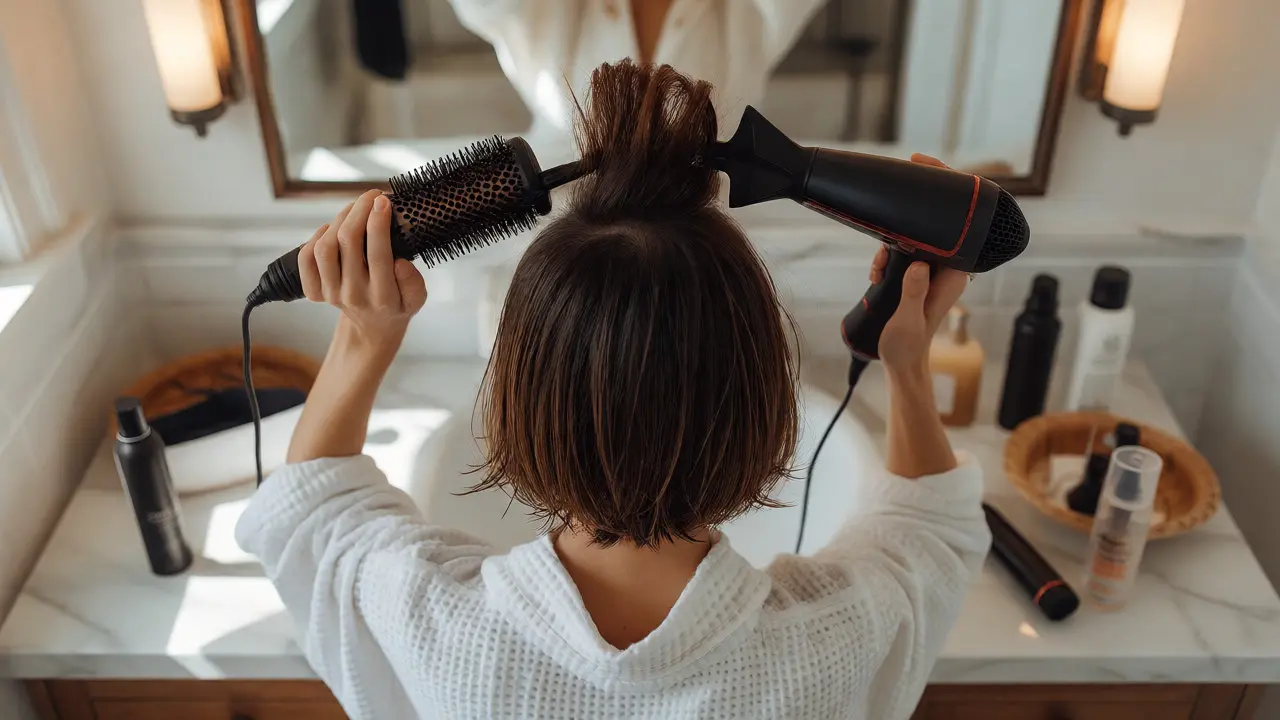
Start with damp hair. Never try to style bone-dry short hair unless you are using a wax paste for a messy look. Apply a heat protectant and a light mousse. Use a round brush for blow-drying. This is non-negotiable for bobs and lobs. The round brush creates tension and curves, giving you that salon bounce. If you have a pixie, focus on directing airflow downward to smooth the cuticle, then use your fingers to lift roots for volume.
Once dry, switch tools. A small barrel curling iron (under 1 inch) is your best friend for adding texture to short layers. Don’t curl everything. Just twist random sections for two seconds each. This creates movement without looking like you spent an hour curling. Finish with a texturizing spray or a matte pomade. Avoid shiny gels unless you want a wet-look aesthetic, which is high-maintenance.
The Maintenance Math: Why Short Hair Costs More
Let’s be real about the economics. When you have long hair, you can get away with cutting it every three months. With short hair, growth shows immediately. A quarter-inch of growth on a pixie changes the entire shape. You lose the definition of the nape and the precision of the bangs.
Plan for trims every four to six weeks. This keeps the shape sharp. If you stretch it to eight weeks, you’ll likely hate it. Budget accordingly. Also, consider the cost of products. You need better quality styling products because there is less hair to hide behind. Cheap aerosol hairspray will make short hair look crunchy and artificial. Invest in professional-grade creams and pastes.
Another hidden cost? Sleep. Short hair gets messed up easily. If you wake up with a cowlick sticking out in the back, you have to deal with it before you leave the house. Keep a travel-size water spray bottle by your bed to dampen trouble spots, or sleep on a silk pillowcase to reduce friction and frizz.
Embracing the Awkward Phase
Every woman who goes short experiences the awkward phase. This is the period where the hair is too short to tie up but too long to look polished. It usually happens between week two and week four after a big chop. During this time, your hair might stick out sideways or look uneven.
Don’t panic. This is temporary. Use accessories to bridge the gap. Headbands, scarves, and hats are your safety net. A wide headband can push unruly sides back while adding a stylish touch. If you have bangs that are getting in your eyes, learn to pin them back with decorative clips instead of cutting them yourself. Cutting bangs is risky business; let a professional handle the trim.
Confidence plays a huge role here. If you walk into a room hunched over, hiding your new cut, people notice the insecurity. If you own it, people notice the style. Short hair demands posture. Stand up straight. It frames your neck and shoulders, so good posture enhances the overall look significantly.

Color and Highlights: Adding Dimension
Short hair benefits immensely from color dimension. Because there is less surface area, solid single-process color can look flat and helmet-like. Ask your stylist for balayage or babylights. These techniques mimic natural sun exposure and add depth to the cut.
Contrast helps define the shape. If you have a pixie, slightly darker roots can add shadow and contour to the skull, making the cut look more intentional. If you have a bob, lighter ends can make the hair look lighter and airier. Be cautious with bleaching short hair, though. Damaged short hair looks worse than damaged long hair because you can’t trim off the split ends as easily without losing the whole style. Keep up with deep conditioning treatments weekly.
When to Say No to the Cut
Not everyone should go super short. If you have extremely fragile hair due to chemical damage, going short might expose weak ends everywhere. Fix the health first. If you are going through a major life transition, remember that hair grows back, but the psychological adjustment takes time. Make sure you are ready for the daily styling commitment.
Also, consider your workplace culture. While short hair is widely accepted, some conservative environments still associate long hair with femininity. If you work in a traditional corporate setting, start with a lob rather than a buzz cut. Ease into it. You can always go shorter later.
Will a short haircut make me look older?
Not necessarily. In fact, well-styled short hair often makes women look younger and more vibrant. The key is avoiding styles that drag the face down. Volume at the crown lifts facial features. However, very severe, slicked-back short cuts can emphasize wrinkles or a receding hairline. Consult your stylist about softening edges with layers or bangs to maintain a youthful appearance.
How do I style short hair for curly textures?
Curly short hair requires moisture and definition. Apply a leave-in conditioner to damp hair, followed by a curl-defining cream. Scrunch gently to encourage curl formation. Diffuse on low heat to avoid frizz. Once dry, apply a small amount of oil to the ends to seal moisture. Avoid brushing curly hair when dry, as this disrupts the curl pattern and causes poofiness.
What is the best product for fine, short hair?
Volumizing mousse applied to damp roots before blow-drying is essential. After drying, use a lightweight texturizing powder or sea salt spray at the roots for lift. Avoid heavy oils or waxes near the scalp, as they weigh fine hair down quickly. Dry shampoo is also a great tool for adding grit and volume between washes.
Can I wear my short hair wet?
Yes, the wet-look is chic for short cuts. Use a strong-hold gel or pomade to slick hair back or create defined pieces. Ensure your hair is thoroughly wet before applying product to achieve that uniform shine. This style works particularly well for pixies and sleek bobs, but keep in mind it can highlight scalp issues like dandruff, so ensure your scalp is healthy.
How often should I trim my short hair?
Every four to six weeks is the standard recommendation. Short hair loses its shape rapidly as it grows. Regular trims prevent the style from becoming bulky or uneven. If you have bangs, you may need to trim them every two to three weeks to keep them out of your eyes.