
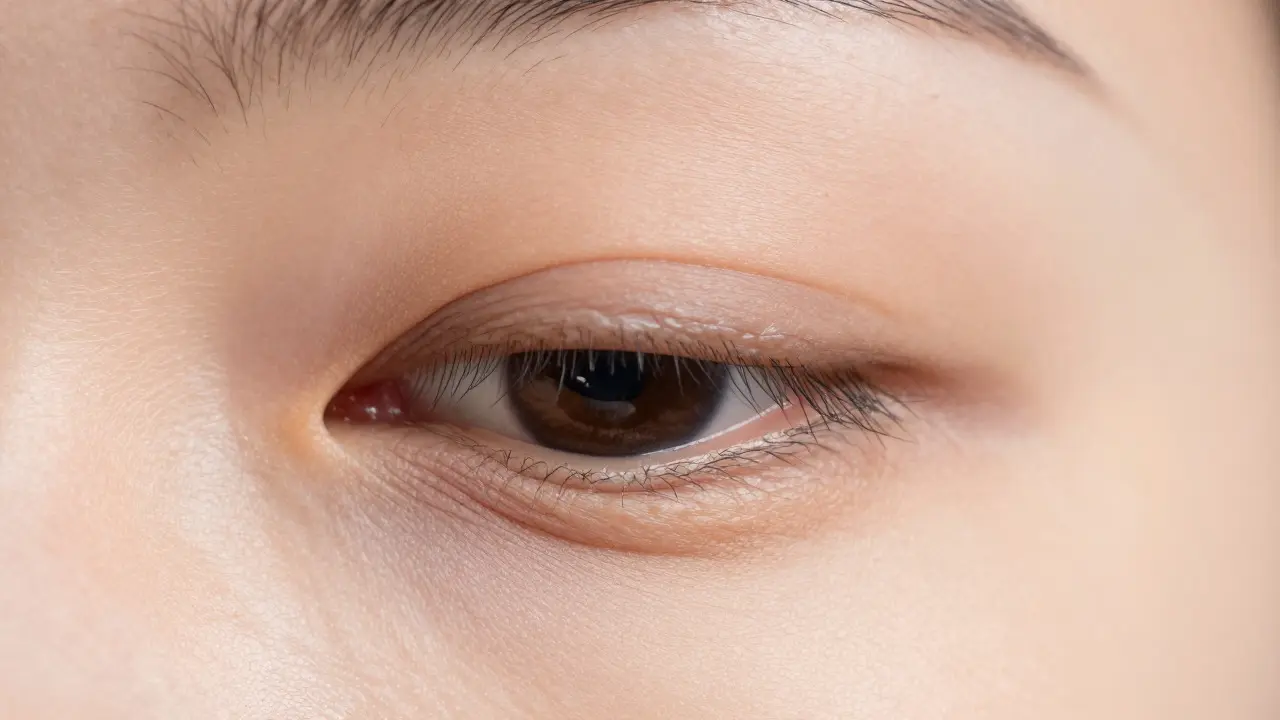
Your skin is the thinnest on your body right around your eyes. That’s why asking if face waxing is safe feels less like a beauty question and more like a medical one. The short answer? Yes, it is generally safe for most people, provided you respect the rules of the trade. But "safe" doesn't mean "risk-free." If you have reactive skin, certain medications, or a history of ingrown hairs, the outcome can range from minor redness to painful blistering.
This guide breaks down exactly what happens under the surface when you pull a strip of wax off your face. We’ll look at who should skip the appointment, how to prep your skin so it doesn’t rebel, and why those tiny bumps that appear three days later aren’t actually pimples. Whether you’re using professional eyebrow wax strips in a salon or trying a DIY kit at home, understanding the biology behind the process is the only way to keep your skin barrier intact.
The Science of Adhesion: Why It Hurts Less Than You Think
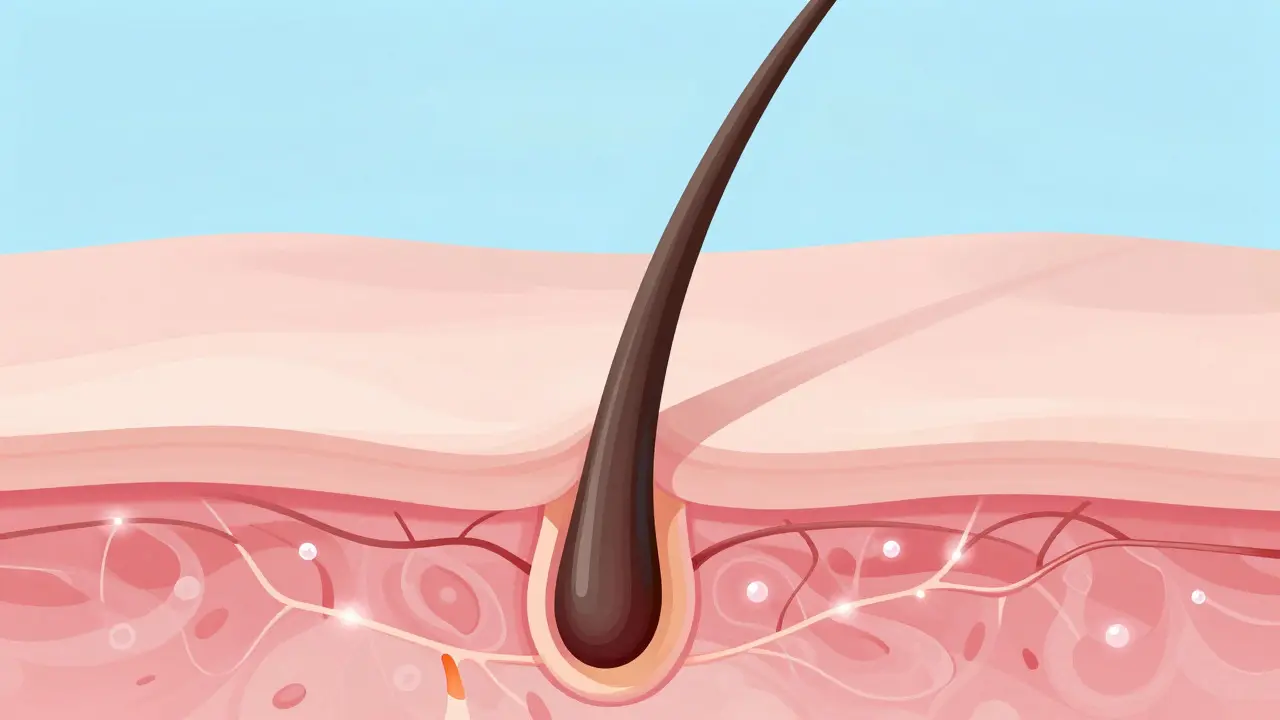
Waxing works by adhering to the hair shaft, not the skin itself-ideally. When applied correctly, the wax grips the keratin protein in the hair. As it cools and hardens (or as you pull a strip), it exerts force on the follicle root. This action pulls the hair out from the bulb, which takes about 30 to 45 days to regrow. Because you are removing the hair from the source rather than cutting it at the surface like shaving, the new growth is finer and slower.
The pain comes from the sudden stretch of the nerve endings surrounding the follicle. However, facial skin has fewer sweat glands and thinner epidermis compared to legs or arms. This means two things: first, the wax needs to be very precise to avoid sticking to the skin; second, the heat tolerance is lower. If the wax is too hot, it doesn't just hurt-it damages the top layer of cells, leading to inflammation that lasts much longer than the initial sting.
Who Should Avoid Facial Waxing?
While most people can handle a brow shaping session, specific conditions make facial waxing risky. Here is who needs to think twice before booking an appointment:
- Retinoid Users: If you use tretinoin, retinol, or prescription Retin-A within 72 hours before waxing, your skin turnover is accelerated. The top layer is fragile and may tear when the wax is pulled. Wait at least three days after your last application.
- AHA/BHA Enthusiasts: Chemical exfoliants like glycolic acid or salicylic acid thin the stratum corneum. Using them within 48 hours prior increases the risk of micro-tears and prolonged redness.
- Active Rosacea or Eczema Flares: Inflammation is already present. Adding mechanical stress from waxing can trigger a severe flare-up that takes weeks to calm down.
- Recent Sunburn: Never wax sun-damaged skin. The barrier is compromised, and the heat from the wax will cause immediate pain and potential blistering.
- Blood Thinners: Medications like warfarin or daily aspirin can lead to excessive bruising or pinpoint bleeding at the follicle sites.
Common Myths vs. Medical Reality
There are plenty of horror stories floating around social media. Let’s separate fact from fiction based on dermatological consensus.
| Myth | Reality |
|---|---|
| Hair grows back thicker | Fine hairs often appear darker because they are shorter, but the diameter does not change. Over time, repeated waxing can weaken the follicle. |
| You can get infections easily | Infections are rare if tools are sanitized. The main risk is bacterial entry through micro-tears if hygiene is poor. |
| It causes permanent scarring | Scarring is extremely rare. What looks like scarring is usually post-inflammatory hyperpigmentation (dark spots) that fades over months. |
| It’s bad for aging skin | Actually, gentle waxing can remove dead skin cells. However, aggressive pulling can stretch loose skin, so technique matters. |
Preparation: The 72-Hour Rule
Safety starts before you even touch the wax. Your goal is to ensure the skin is strong, clean, and dry. Here is the protocol I recommend for anyone considering facial hair removal:
- Stop Exfoliating (72 Hours Before): Pause physical scrubs and chemical acids. You want the skin barrier to be thick and resilient.
- Keep Hair Length Correct: Hair should be about 1/4 inch long. Too short, and the wax won’t grip; too long, and it causes unnecessary tugging and breakage.
- Cleanse Thoroughly: On the day of waxing, wash the area with a mild, fragrance-free cleanser. Oil blocks adhesion, so ensure the skin is completely dry and oil-free. Do not apply moisturizer beforehand.
- Manage Expectations: If you have a scheduled event, do your wax at least 3-5 days prior. Immediate redness is normal, but it subsides significantly after 24 hours.
Post-Wax Care: Preventing Irritation and Ingrowns
The damage control phase is just as important as the waxing itself. Immediately after the strip is pulled, the pores are open and the skin is sensitive. This is the window where mistakes happen.
Do this:
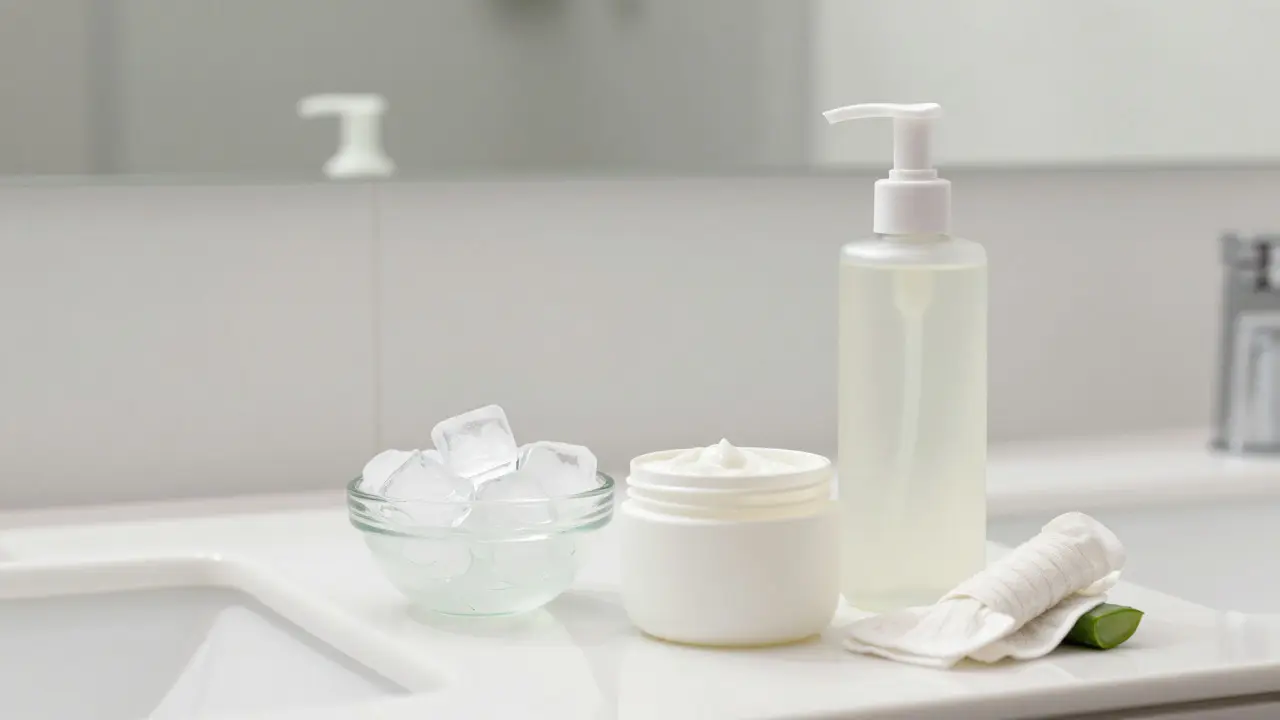
- Apply a cool compress or a soothing gel containing aloe vera or chamomile for 10 minutes to reduce swelling.
- Wait 24 hours before applying any active ingredients (retinoids, acids).
- Start gentle exfoliation after 48 hours. Use a soft washcloth or a low-concentration salicylic acid product to prevent dead skin from trapping new hairs.
Avoid this:
- Hot showers, saunas, or intense exercise for 12-24 hours. Heat opens pores and introduces bacteria.
- Sun exposure. UV rays hit sensitized skin harder, leading to dark spots. Wear SPF 30+ if you must go outside.
- Tight clothing or friction on the waxed area. For eyebrows, this means avoiding heavy eye creams that might clog pores immediately.
DIY vs. Professional: Where Does Safety Lie?
Many people buy eyebrow wax strips for home use because they are cheaper and convenient. Is it safe? Yes, but with caveats. Professional estheticians know the angle of pull, the temperature of the wax, and the anatomy of your brow bone. At home, you are guessing.
If you choose DIY, follow these strict safety checks:
- Test First: Apply a small amount of wax to your inner arm and wait 24 hours. Check for reaction before touching your face.
- Temperature Control: If using heated wax, test it on your wrist. It should feel warm, not hot. Burned skin heals slowly and scars easily.
- Direction Matters: Always pull the wax in the direction of hair growth. Pulling against the grain causes hair to snap beneath the skin, leading to ingrowns.
- Hygiene: Sanitize tweezers and spatulas with rubbing alcohol between uses. Reusing unclean tools is the #1 cause of post-wax breakouts.
When to See a Doctor
Most redness fades within 24 hours. If it persists beyond 48 hours, or if you see yellow crusting, spreading redness, or pus, you may have a secondary infection. While rare, contact dermatitis from the wax ingredients (like beeswax or fragrances) can also occur. If your skin feels hot to the touch or you develop fever-like symptoms, seek medical attention. These are signs that the immune system is reacting aggressively to the trauma or a foreign substance.
Frequently Asked Questions
Can face waxing cause blindness?
No. This is a myth. The risk is limited to the skin surface. However, if wax gets into the eye, it can cause temporary irritation or a corneal abrasion, which requires prompt rinsing with water and possibly a doctor's visit if vision is affected.
How long should I wait between facial waxing sessions?
You should wait until the hair reaches about 1/4 inch in length, which typically takes 3 to 4 weeks. Waxing too early leads to broken hairs and increased ingrown hairs because the follicle hasn't fully recovered.
Is it safe to wax eyebrows during pregnancy?
Generally, yes. Most dermatologists consider waxing safe during pregnancy since it doesn't involve chemicals absorbed into the bloodstream. However, sensitivity to pain may increase, and hormonal changes can make skin more reactive. Consult your OB-GYN if you have pre-eclampsia or high blood pressure.
Why do I get bumps three days after waxing?
These are likely ingrown hairs or folliculitis. As the hair grows back, it curls inward and gets trapped under the skin. Gentle exfoliation starting 48 hours post-wax helps keep the pore clear so the hair can exit properly.
Does face waxing remove pores permanently?
No, pores are part of your skin structure and don't disappear. However, regular waxing can make them appear smaller over time because the hair becomes finer and the skin is exfoliated, reducing debris buildup inside the pore.