You’ve decided you want longer, thicker hair. Maybe it’s for a wedding, maybe it’s just because your natural growth has hit a wall, or maybe you’re curious about a new look without committing to scissors. The excitement is real, but then comes the panic: where do I actually buy good hair extensions?
If you’ve spent five minutes on social media, you know the horror stories. You see someone with $500 bundles looking like a shampoo commercial, and then there’s you, staring at a $20 pack of "virgin hair" that looks like straw after one wash. Finding the right place to buy isn't just about price; it's about matching the source to your budget and skill level.
The Big Three: Online Marketplaces, Specialty Retailers, and Local Salons
There are really only three main avenues for buying extensions, and each serves a different type of buyer. Knowing which lane you belong in saves you money and headaches.
Online Marketplaces (Amazon, eBay, AliExpress) are where most beginners start. The appeal is obvious: low prices, fast shipping, and easy returns. If you want to try clip-ins for a weekend event without breaking the bank, this is your zone. However, quality control is a gamble. You’re often buying based on photos that may have been filtered or taken by models who aren’t even wearing the product you receive. Look for sellers with high review counts and specific comments about tangling and shedding.
Specialty Hair Brands operate their own websites. Companies like Bellami, Luxy Hair, or CROWN Hair sell directly to consumers. These brands curate their stock, meaning what you see is generally what you get. They offer better customer service, clearer return policies, and consistent quality. Yes, you’ll pay more-often double or triple the marketplace price-but you’re paying for reliability and ethical sourcing verification.
Local Salons and Distributors are the premium tier. Here, you’re not just buying hair; you’re buying expertise. A stylist will match the texture and color perfectly before you leave the chair. This is ideal for permanent methods like tape-ins or micro-links, where improper application can damage your natural hair. While you can sometimes buy the hair separately, most salons require you to use their products for installation guarantees.
Understanding Hair Types Before You Click "Buy"
You can’t choose a vendor until you know what you’re looking for. The term "human hair" covers a massive spectrum of quality. Using vague terms leads to bad purchases.
- Synthetic Hair: Made from plastic fibers (kanekalon or toyokalon). It’s cheap ($10-$30), holds curls well if heat-resistant, but melts if you touch it with a hot iron. Great for braids and wigs, terrible for daily styling versatility.
- Remy Human Hair: The cuticles are kept intact and aligned in the same direction. This prevents tangling. It’s the standard for quality extensions. Expect to pay $80-$150 per bundle depending on length.
- Non-Remy Human Hair: Cuticles are stripped or mixed. It tangles easily and requires heavy silicone coatings to feel smooth. When you wash off the coating, it feels rough. Avoid this unless you’re on an extreme budget and don’t plan to keep the hair long-term.
- Virgin Hair: Unprocessed human hair. No chemical treatments, no dyeing. It’s the highest quality but also the most expensive. Be skeptical of "virgin" claims on cheap sites; true virgin hair rarely costs less than $100 per bundle.
Where to Find Specific Extension Styles
Different vendors excel at different types of extensions. Don’t expect a wig store to have great tape-ins, or vice versa.
| Extension Type | Best Place to Buy | Average Cost (USD) | Why |
|---|---|---|---|
| Clip-Ins | Amazon / Specialty Brands | $50 - $200 | Easy to install yourself; wide variety of colors online. |
| Tape-Ins | Salon / Professional Suppliers | $200 - $400+ | Requires professional removal/reapplication; consistency matters. |
| Wefts/Bundles | Wholesale Vendors / AliExpress | $60 - $150/bundle | For sew-ins; bulk buying lowers cost per gram. |
| Lace Front Wigs | Specialty Wig Shops | $150 - $500 | Complex construction needs precise lace quality. |

Red Flags When Shopping Online
If you’re shopping on platforms like Amazon or independent Shopify stores, watch out for these common traps.
The "Virgin Remy" Paradox: If a site claims their hair is both "virgin" and "dyed," ask questions. Virgin hair is unprocessed. Once you dye it, it’s no longer virgin. Many sellers use this buzzword loosely. Check reviews for mentions of dryness or matting after washing.
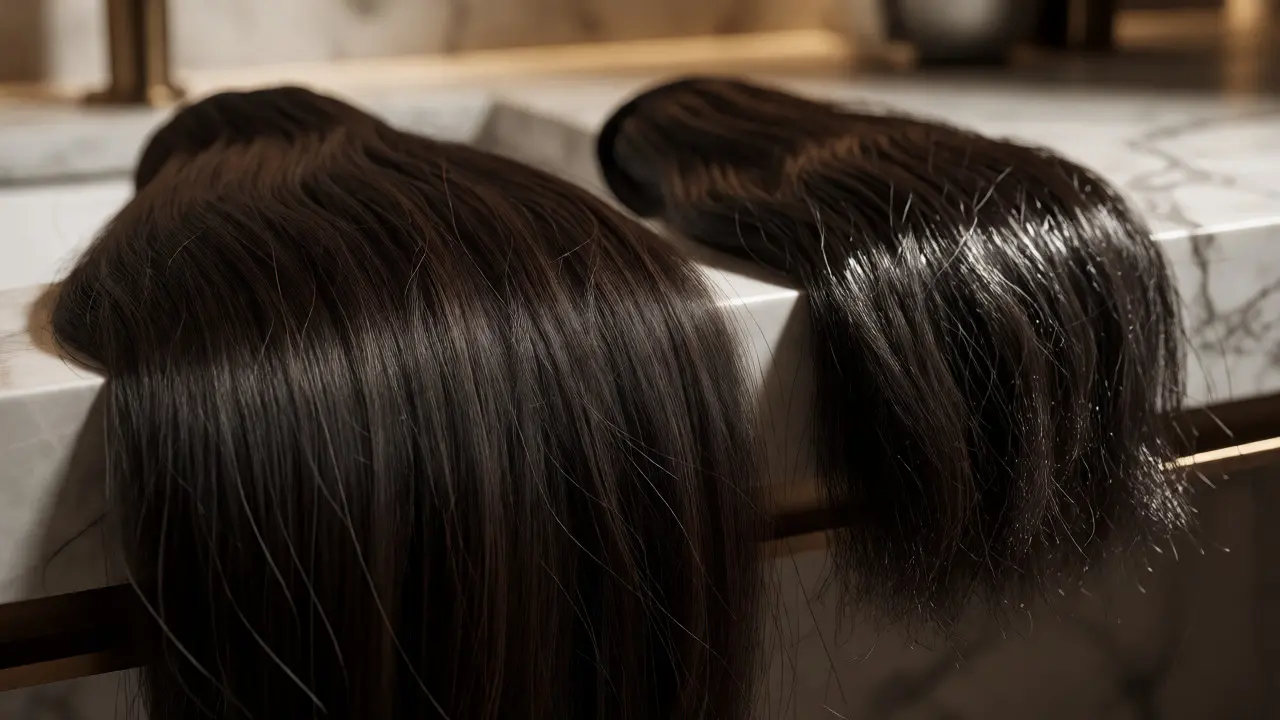
Photo Discrepancies: Zoom in on product images. Can you see individual strands? Does the shine look natural or oily? Oily shine often indicates a silicone coating used to hide poor quality. Real Remy hair has a matte-to-satin finish, not a plastic glare.
Return Policy Fine Print: Some retailers charge a restocking fee for opened packages. Others won’t accept returns once the protective strip is removed. For tape-ins, this is critical-if the adhesive fails within a week, you need a guarantee. Always screenshot the policy before checking out.
How to Test Quality Upon Arrival
You got the package. Now, before you install it, run these quick tests to ensure you didn’t just waste your money.
- The Burn Test (Optional but Effective): Take a few stray hairs and hold a lighter flame near them. Human hair burns slowly, smells like burning feathers, and turns to ash. Synthetic hair melts into a hard ball and smells like plastic.
- The Water Test: Dip a small section in water. High-quality human hair absorbs moisture evenly and feels soft when wet. Low-quality hair might repel water due to heavy silicones or feel brittle.
- The Tangle Test: Comb through a small section while dry. It should glide smoothly. If it snags repeatedly, the cuticles are likely misaligned or damaged.

Ethical Sourcing Matters
Not all hair is created equal, and neither is its origin. The global hair trade is complex. Much of the world’s human hair comes from India and China. In India, hair is often donated as part of religious rituals (tonsuring) at temples, which is considered ethical. In other regions, hair might be collected from individuals in economic distress, raising concerns about fair compensation.
Brands that highlight "Ethically Sourced" or provide transparency about their supply chain are worth supporting. It ensures that the person whose hair became your extension was paid fairly. Plus, ethically sourced hair is often processed with fewer harsh chemicals, making it healthier for your scalp.
Frequently Asked Questions
Can I buy hair extensions on Amazon?
Yes, Amazon is a popular place for buying clip-in extensions and synthetic wigs. However, quality varies wildly. Stick to brands with thousands of reviews and look for verified purchase photos. Avoid listings with generic names and no brand identity.
Is it cheaper to buy extensions online or at a salon?
Buying online is usually cheaper for the hair itself, especially for clip-ins or wefts. Salons charge a markup for the convenience and the guarantee that the hair matches your texture. However, for permanent styles like tape-ins, the salon cost includes labor, so comparing raw hair prices to salon packages isn't always apples-to-apples.
How many packs of extensions do I need?
It depends on your natural hair thickness and desired volume. For fine hair adding slight volume, 1-2 packs of clip-ins might suffice. For thick hair wanting significant length and fullness, you may need 3-5 packs. Most specialty brands offer a quiz or consultation to help estimate this.
What is the difference between Remy and Virgin hair?
Remy refers to the alignment of the hair cuticles (all pointing in the same direction), which prevents tangling. Virgin refers to the hair being unprocessed (no bleach, dye, or perm). All virgin hair is Remy, but not all Remy hair is virgin. Remy hair can be dyed or chemically treated, whereas virgin hair cannot.
Do hair extensions ruin your natural hair?
Not if installed and maintained correctly. Clip-ins cause minimal damage because they are removed daily. Permanent methods like tape-ins or bonds can cause breakage if left in too long, applied too tightly, or removed improperly. Always follow maintenance schedules.