

You’ve seen that perfect shade on Instagram. Maybe it’s a sun-kissed balayage or a rich, dimensional brunette. You book an appointment, sit in the chair, and hope for the best. Three weeks later, your hair feels like straw, or worse, it’s the wrong tone entirely. Finding the best salon for hair color isn’t about picking the place with the nicest lobby or the most expensive price tag. It’s about finding a technician who understands chemistry, artistry, and your specific hair history.
There is no single "world's best" salon. Excellence in hair color is local, personal, and constantly evolving. What works for a fine-haired client in New York might fail miserably for a curly-haired client in London. The goal here isn't to hand you a static list of names that will change next month. Instead, we’re going to break down exactly how to identify top-tier colorists, what questions to ask during a consultation, and which red flags should send you running for the exit. By September 2026, the industry has shifted toward transparency and technical expertise over flashy branding. Here is how you navigate it.
Why There Is No Single "Best" Salon
If you search for "best salon," you’ll find lists from Allure or One100s. These are useful starting points, but they are snapshots. Allure’s November 2025 list for Los Angeles highlights salons with strong editorial reputations, while One100s relies on community voting as of May 2026. Both are valid, but neither guarantees a match for *you*.
Hair color is highly dependent on individual variables: hair texture (fine, coarse, curly), previous chemical services (box dye, keratin treatments), and lifestyle (how often you can wash or style your hair). A salon renowned for vivid fashion colors might struggle with natural gray blending if their staff lacks training in resistant hair types. Therefore, the "best" salon is simply the one whose specialists have proven success with your specific combination of needs.
Credentials That Actually Matter
Anyone with a cosmetology license can legally put color on your head. But there is a massive gap between a generalist stylist and a dedicated color specialist. When vetting a salon, look for specific educational markers rather than just years of experience.
- Board Certification: In the United States, certification from the American Board of Certified Haircolorists is a gold standard. It indicates advanced knowledge in formulation and corrective work.
- Educator Status: Many top colorists teach other professionals. If a stylist runs workshops or trains new hires, they likely stay current with trends and techniques better than those who only work behind the chair.
- Specialized Training Hours: Some studios require their colorists to complete over 1,000 hours of additional training beyond basic licensing. This isn’t always advertised, so ask directly.
Don’t be shy about asking, "Who trained you?" or "Do you take advanced classes?" A confident expert will answer proudly. A hesitant one might be learning on your dime.
The Consultation: Your Diagnostic Tool
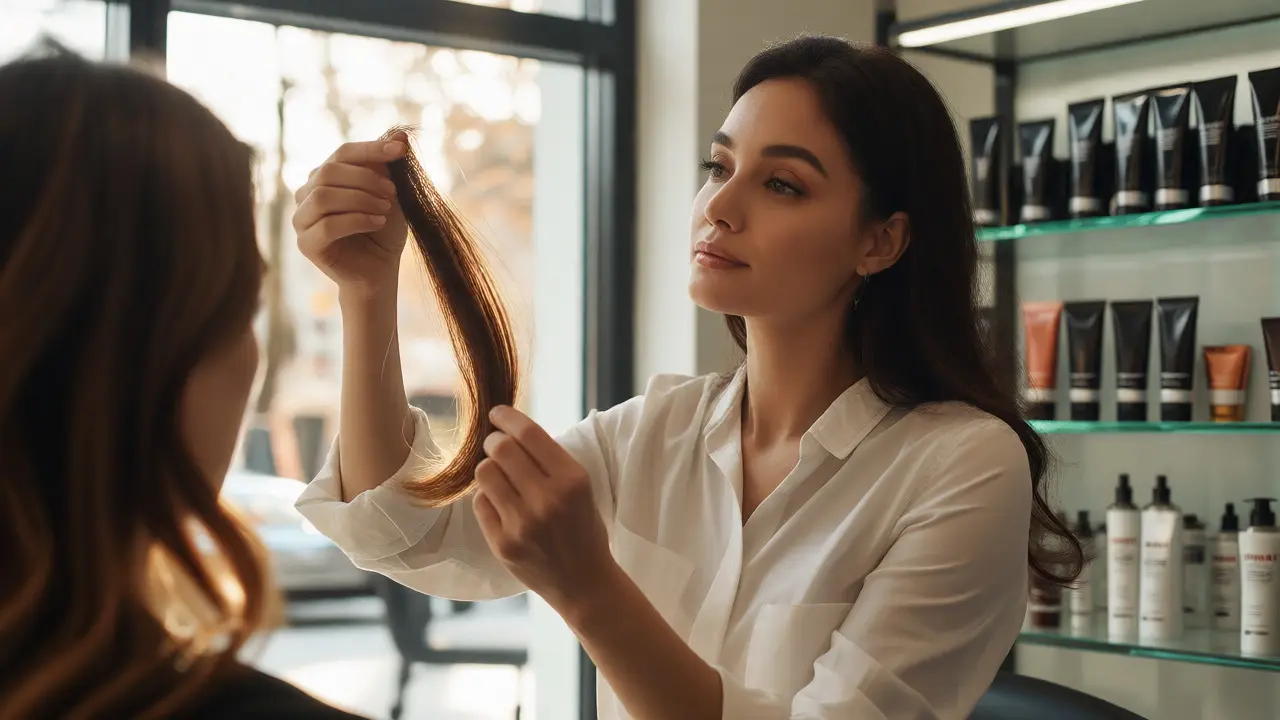
Never skip the consultation. For complex services like going blonde or correcting banding, a rushed five-minute chat is a warning sign. A quality colorist treats this phase as a diagnostic process. They need to assess your hair’s porosity, elasticity, and existing pigment.
Bring reference photos, but also bring honesty. Tell them about every box dye, henna treatment, or smoothing service you’ve used in the last two years. Chemical history dictates what is possible. If a stylist promises you platinum blonde in one session without mentioning damage risks, be skeptical. Realistic planning involves discussing timelines. Will this take one four-hour appointment or three shorter sessions spread over a month? Knowing this upfront prevents budget shocks.
Questions to Ask During Your Visit
- What products do you use? (Look for brands known for integrity, like Olaplex or K18, though product choice varies by preference.)
- Can I see before-and-after photos of clients with my hair type?
- What is the maintenance schedule? (Balayage might need refreshes every 4-6 months; all-over color every 4-6 weeks.)
- Are there hidden costs for toners, bond builders, or blow-dries?
Pricing Benchmarks and Red Flags
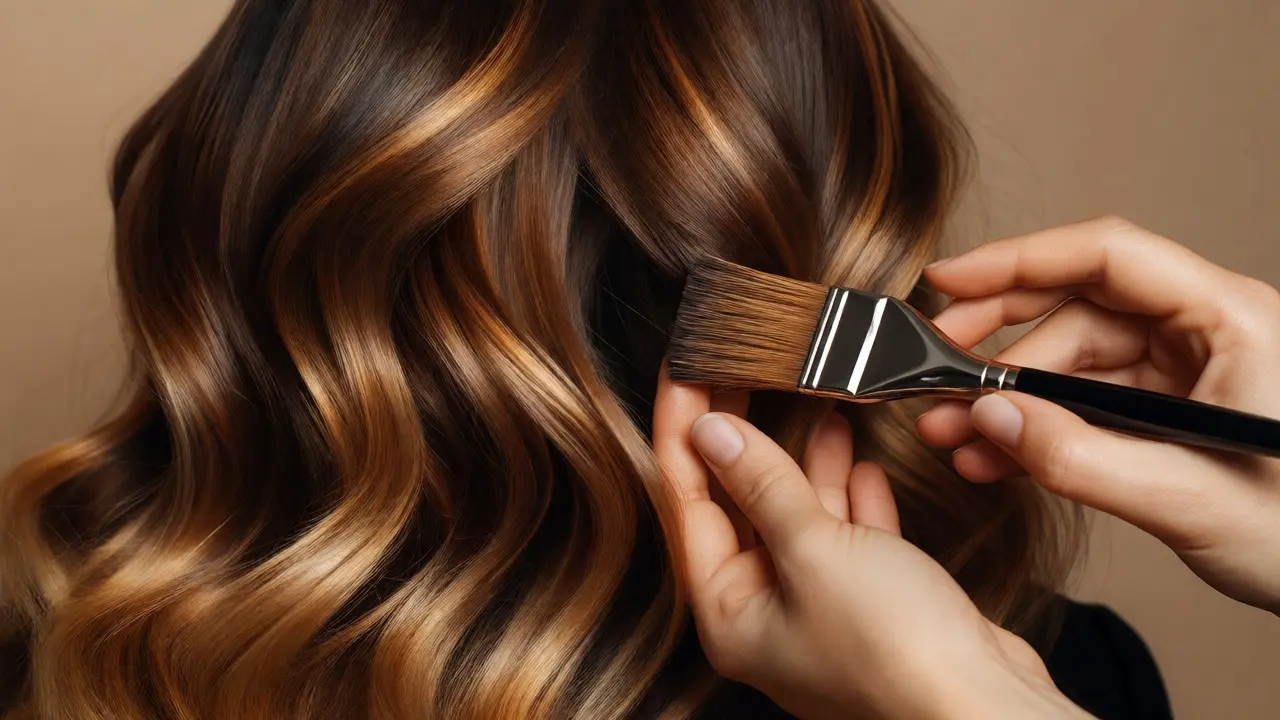
Price doesn’t always equal quality, but extremely low prices often signal shortcuts. According to aggregated booking data from platforms like Booksy in early 2026, a standard full-color service in major US cities ranges from $90 to $180, taking 90 to 150 minutes. If a salon quotes $50 for a full head of highlights including a cut and style, ask yourself how they are achieving that speed and cost efficiency.
| Service Type | Expected Time | Typical Price Range (US) | Red Flag Indicators |
|---|---|---|---|
| Root Touch-Up | 45-60 mins | $60-$100 | No patch test offered; vague pricing. |
| Full Color | 90-150 mins | $90-$180 | Promise of "perfect" result in under 60 mins. |
| Balayage/Ombre | 2-4 hours | $150-$300+ | Lack of portfolio showing similar hair textures. |
| Color Correction | Multi-session | $200-$500+ | Stylist refuses to discuss past chemical history. |
Transparency is key. The quote you get at the consultation should match the final bill within 10%. If add-ons like toner or gloss aren’t mentioned until you’re in the chair, that’s poor communication.
Reading Reviews Like a Pro
Star ratings are blunt instruments. A five-star review saying "Great vibe!" tells you nothing about technical skill. You need detailed feedback. Look for keywords related to your goals: "corrective," "brassy," "toner," "curly," "fine."
Platforms like Google Reviews and Yelp are useful, but social media portfolios on Instagram are often more revealing. Scroll through a colorist’s grid. Do they post raw, unedited results? Are the lighting conditions consistent? A professional portfolio shows variety-blondes, brunettes, reds-and includes close-ups of root melt and ends. If every photo looks heavily filtered or staged, proceed with caution.
Word-of-mouth remains powerful. If a friend has beautiful, healthy-looking color that has lasted months, ask who did it. Long-term satisfaction is a better metric than immediate wow-factor.
Independent Studios vs. Large Chains
Should you go to a boutique studio or a national chain? Both have pros and cons.
- Large Chains: Often offer consistency and standardized protocols. However, staff turnover can be high, meaning your favorite colorist might leave after six months. Prices may be higher due to overhead.
- Independent Studios: Often specialize in niche areas (e.g., curly hair, vegan color). You might build a deeper relationship with the owner-operator. However, availability can be limited, and waitlists may be long.
Brands like Madison Reed have influenced the market by emphasizing safe, ammonia-free options and clear ingredient lists, pushing even traditional salons to be more transparent about what they put on your scalp. Whether you choose a chain or a solo artist, ensure they align with your values regarding product safety and cruelty-free practices.
Making the Final Decision
Trust your gut. Did the colorist listen? Did they explain the process clearly? Did they make you feel comfortable asking questions? The best salon for hair color is where you feel respected as a partner in the process, not just a customer being processed.
Start small. Book a minor service first-a gloss, a root touch-up, or a few face-framing highlights. Use this appointment to evaluate their punctuality, cleanliness, and communication skills. If the experience goes well, plan your bigger transformation for the next visit. This low-risk approach saves you money and heartache.
How much does hair color cost at a top-rated salon?
In 2026, expect to pay between $90 and $180 for a standard full-color service in major US metropolitan areas. Complex services like balayage or color corrections can range from $150 to over $500 depending on hair length, density, and the number of sessions required. Always request a written estimate during your consultation.
What certifications should I look for in a hair colorist?
While state licensure is mandatory, look for advanced credentials such as board certification from the American Board of Certified Haircolorists or status as an educator/trainer for major brands. Additional specialized training in techniques like balayage, vivids, or corrective color is also a strong indicator of expertise.
How long does a typical hair color appointment take?
A simple root touch-up usually takes 45 to 60 minutes. Full color typically requires 90 to 150 minutes. Highlighting techniques like balayage or foilayage often take 2 to 4 hours. Color corrections may require multiple appointments spaced weeks apart to maintain hair health.
Is it better to go to a chain salon or an independent studio?
It depends on your priorities. Chain salons offer convenience and consistent protocols but may have higher staff turnover. Independent studios often provide personalized attention and specialized expertise but may have longer wait times. Choose based on whether you value brand consistency or individualized technical care.
What are the biggest red flags when choosing a colorist?
Major red flags include promising unrealistic results in too little time, refusing to discuss your chemical history, opaque pricing that changes at checkout, and a lack of portfolio evidence for your specific hair type. Also, be wary of stylists who dismiss concerns about hair damage.

Prayagraj Medicose
September 28, 2026 AT 08:22It is all a conspiracy to make you buy overpriced shampoo. The salons are in bed with the chemical companies.
Howard Hurd
September 29, 2026 AT 21:10American salons are the best in the world period 🇺🇸. We have the strictest licensing and the highest standards. Don't listen to anyone telling you otherwise. It's just jealousy of our excellence.
Sherri Jones
September 30, 2026 AT 06:24This is such helpful advice! 💡 I wish more people understood that "cheap" color often means using box dye mixed with developer, which destroys hair bonds.
When looking for a specialist, definitely check if they use bond builders like Olaplex or K18 during lightening services. It makes a huge difference in long-term hair health. Also, don't be afraid to ask for a patch test if you have sensitive skin. Safety first! 🧪✨
SHANNON GRUBER
September 30, 2026 AT 16:13Boring. Everyone already knows this stuff. If you can't spot a bad stylist by their Instagram feed, you deserve the damage.
Brad Walker
October 1, 2026 AT 11:48We are all just strands of keratin drifting through a void of judgment. The salon chair is merely a throne of temporary identity. Why do we seek validation from another human being's hands? It is tragic, really.
Darlene Hopkins
October 2, 2026 AT 12:17I love the emphasis on consultation. It builds trust.
Manoj Kumar
October 3, 2026 AT 13:37The data presented here is superficial at best. One must consider the geopolitical implications of supply chain disruptions on professional-grade pigments. Furthermore, the assertion regarding 'transparency' ignores the corporate lobbying efforts to obscure ingredient safety profiles. It is highly probable that these 'certifications' are nothing more than marketing ploys designed to inflate service costs without guaranteeing technical proficiency. A truly rigorous analysis would require peer-reviewed studies on porosity retention rates post-service, not anecdotal evidence from social media portfolios.
Charles Reah
October 4, 2026 AT 15:27Great guide. For those new to coloring, remember that communication is key. If you feel rushed, speak up. Your comfort matters as much as the result.
Sean Eagen
October 5, 2026 AT 22:59Stop wasting money on fancy lobbies. Focus on the chemist.
Kieran Mitchell
October 6, 2026 AT 06:59Oh my god, finally someone said it!!! The industry is SO saturated with mediocrity. You walk in expecting artistry and get... what? A rinse? It’s infuriating!! We need to demand better because our hair deserves respect!!! 😤💅🏻✨
Bryce Imbriale
October 8, 2026 AT 02:22Love this energy Go find your person! Don't settle for average when you deserve amazing Your hair is your crown so treat it like royalty 👑💪🏼
william mcstay
October 9, 2026 AT 11:19US standards are superior. Foreign techniques lack consistency.
LoriBeth Blair
October 9, 2026 AT 21:48If you have to ask about credentials, you're doing it wrong. Real experts show their work. Simple as that.
Kyle Ware
October 11, 2026 AT 20:04Good points on the red flags. Always check the portfolio for your specific hair texture before booking
Hemali Jaiswal
October 12, 2026 AT 07:35This article paints a vivid picture of the modern beauty landscape. While I appreciate the focus on chemistry, let us not forget the cultural significance of hair rituals across different communities. A skilled colorist acts as a confidant and artist, weaving confidence into every strand. The journey to finding the right salon is indeed a personal odyssey, one that requires patience, discernment, and a willingness to advocate for one's own aesthetic vision.