
You want longer, thicker hair without watching your natural strands snap off in the shower. It’s a common fear, and honestly, it’s justified. Bad extensions can wreck your hairline faster than you can say "bonding glue." But here’s the good news: not all extensions are created equal. The difference between a healthy head of hair and a thinning mess often comes down to one thing-the attachment method.
| Method | Tension Level | Damage Risk | Lifespan |
|---|---|---|---|
| Tape-In | Low | Minimal if removed correctly | 6-8 weeks |
| Micro-Link (Beaded) | Medium | Low with proper spacing | 3-4 months |
| Clip-In | None | Negligible | Daily use only |
| Halo | None | Zero | Daily use only |
Why Some Extensions Hurt More Than Others
Think of your hair like a rope. If you tie a heavy weight to a single strand, that strand bears all the stress. Over time, it frays or snaps. This is called traction alopecia. The safest methods distribute weight across multiple strands or avoid pulling on the root entirely. When stylists talk about "safe" extensions, they’re really talking about minimizing tension and avoiding harsh chemicals near your scalp.
Your scalp health matters just as much as the hair itself. Tight braids or glued wefts can block airflow, leading to itching, buildup, and even fungal issues. So, when choosing an extension type, ask yourself: Can my scalp breathe? Can I wash my hair normally? Will this pull when I turn my head?
The Top Contenders for Low Damage
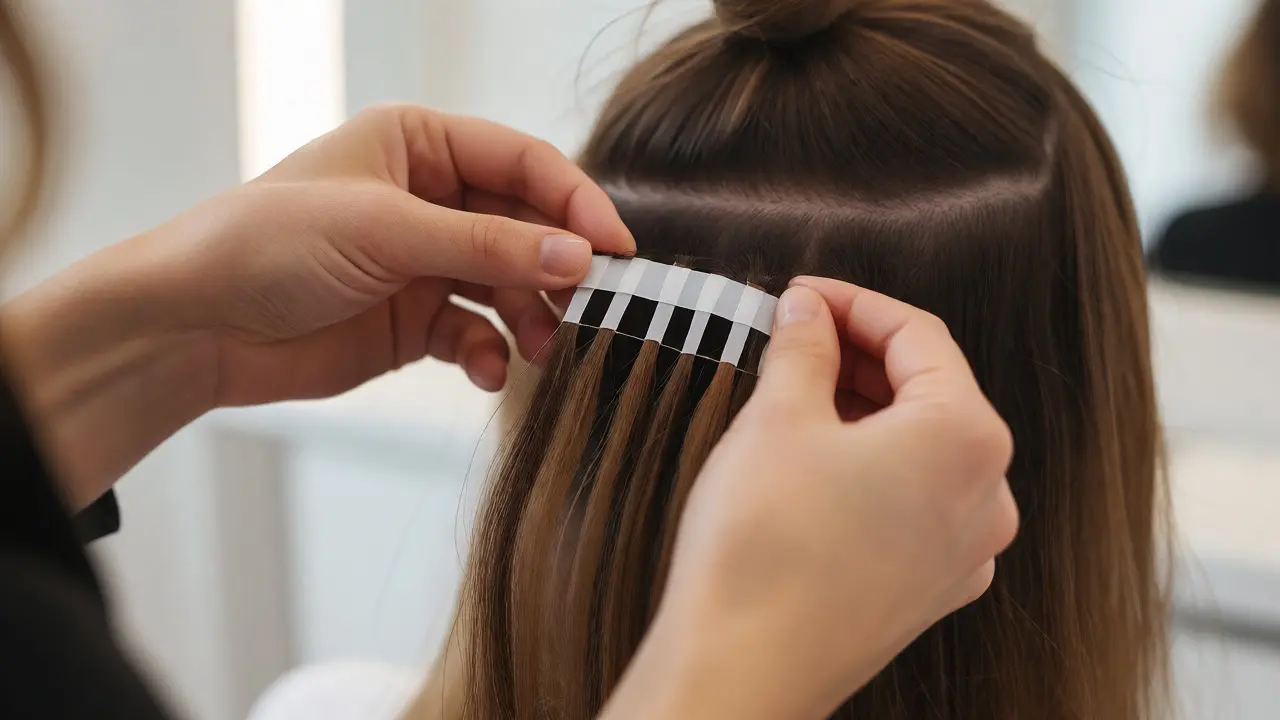
If you want something semi-permanent but gentle, tape-in extensions are currently the gold standard for many stylists. They use medical-grade adhesive strips sandwiched between two small sections of your hair. No heat, no glue pots, no drilling holes in your hair shafts. The key? They lie flat against the head, so they don’t snag on pillows or clothes. Removal is simple-just apply a solvent oil, slide them apart, and wash. Done.
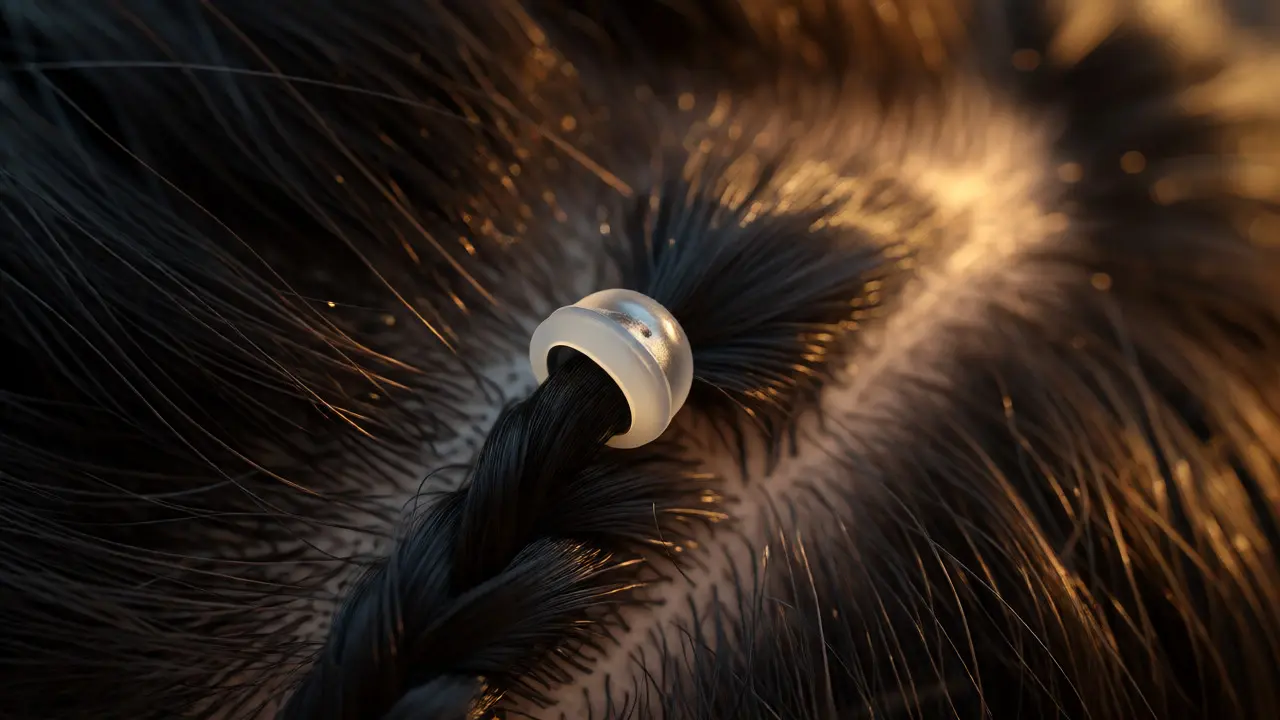
Another strong option is micro-link extensions, also known as micro-beads or I-tips. These involve clamping a small silicone-lined bead onto a tiny section of your hair. Because there’s no glue or heat involved, the bond is purely mechanical. The risk here isn’t the method itself-it’s the installation. If the stylist uses too large a bead or pulls too tight, you’ll feel it. But done right by a pro who respects your hair density, these last up to four months with minimal slippage.
When Temporary Is Better Than Permanent
Not everyone needs extensions that stay in for months. Sometimes, you just want volume for a weekend event or a photoshoot. That’s where non-committal options shine. Clip-ins have been around forever, but modern versions are lighter and flatter than their ancestors. They attach via small combs, which grip the hair rather than pulling from the root. As long as you take them out before bed, they won’t cause breakage.
For those who hate clips digging into their scalp, try a halo extension. It sits on top of your head like a crown, resting on the perimeter of your hairline. Zero attachment to your actual strands means zero damage. You can put it on in ten seconds and take it off just as fast. It’s not secure enough for dancing at a club, but for a dinner date? Perfect.
Material Matters: Human vs. Synthetic
The material affects safety too. Human hair extensions blend seamlessly and can be styled with heat tools, making them versatile. However, they require more care. If you neglect them, they tangle, and detangling pulls on your natural hair. Synthetic fibers hold curls well but can feel heavier and less breathable. They also melt under high heat, limiting styling options. For most people seeking safety and longevity, high-quality human hair is worth the investment because it moves naturally and reduces friction.

Maintenance Tips to Prevent Breakage
Even the safest extensions need love. Here’s how to keep your hair intact:
- Sleep smart: Braid your hair loosely or wear a silk bonnet. Friction against cotton pillowcases causes matting.
- Wash gently: Use sulfate-free shampoo. Focus on the scalp, not the bonds. Condition mid-lengths to ends, avoiding the roots where tapes or beads sit.
- Brush correctly: Start from the tips and work upward. Never yank through knots near the attachment points.
- Visit your stylist: Get maintenance appointments every 6-8 weeks. Ignoring grown-out roots increases tension on the follicles.
Avoid products with alcohol or sulfates near the bonds. Alcohol dries out the adhesive on tape-ins, causing them to slip early. Sulfates strip moisture from both your hair and the extensions, leading to brittleness.
Who Should Avoid Certain Types?
If you have fine or thinning hair, skip sew-in wefts or heavy fusion bonds. The weight will stretch your roots. Stick to tape-ins or clip-ins. If you have very curly or coily hair, ensure the extension texture matches yours closely. Mismatched textures lead to tangling at the blend point, which requires aggressive brushing-and that’s where breakage happens.
Also, consider your lifestyle. Do you swim regularly? Chlorine damages adhesives and alters synthetic fibers. If you hit the pool weekly, clip-ins or halo styles are safer bets than permanent installations.
Do tape-in extensions ruin your hair?
No, not if installed and removed properly. Tape-ins are considered one of the least damaging methods because they distribute weight evenly and don’t use heat or glue directly on the scalp. Damage usually occurs from improper removal (pulling instead of dissolving) or leaving them in too long, which causes matting.
Which extensions are best for fine hair?
Tape-ins and halo extensions are ideal for fine hair. They add volume without adding significant weight. Micro-links can work if the stylist uses smaller beads and avoids overloading each strand, but caution is needed to prevent slipping or breakage due to lack of grip.
Can I sleep in my extensions?
Yes, but preparation is key. For permanent extensions, braid your hair loosely or use a silk scarf/pillowcase to reduce friction. Clip-ins should always be removed before sleeping to prevent tension and tangling during movement.
How long do safe extensions last?
It depends on the method. Tape-ins typically last 6-8 weeks before needing repositioning. Micro-links can last 3-4 months with regular maintenance. Clip-ins and halos are reusable for up to a year with proper care but are designed for daily wear and removal.
Are keratin bonds safe?
Keratin bonds are generally safe but carry higher risks than tape-ins or micro-links. The heat required for application can weaken hair if not done precisely, and removal involves solvents that must be fully rinsed out. They are durable but require expert handling to minimize damage.