
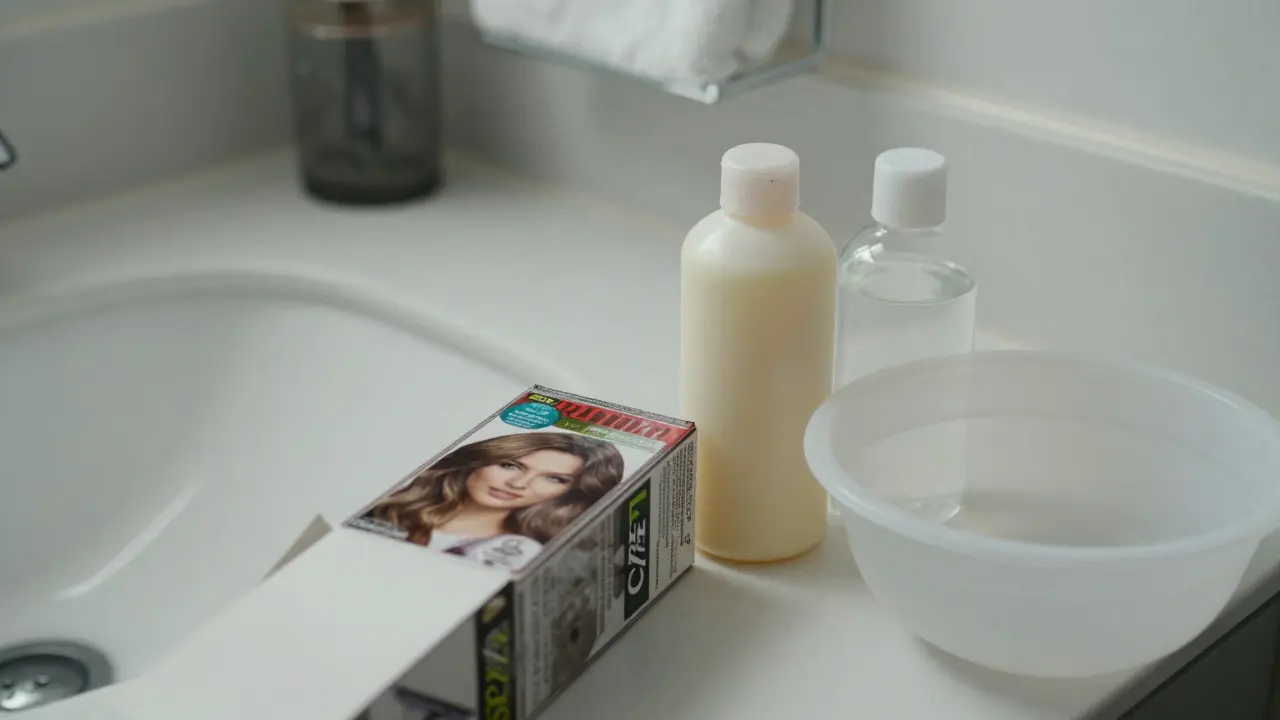
You just finished coloring your hair, and there’s still a good amount of hair dye is a cosmetic product used to change the color of hair sitting in the bowl. It feels wasteful to throw it away, but you also don’t want to risk ruining your next touch-up or clogging your drains. So, what do you actually do with that leftover mixture? The answer depends entirely on whether the dye was mixed or not, and what type of formula you used.
Handling leftover dye correctly isn't just about saving money; it's about protecting your plumbing and the environment. Many modern formulations, especially those labeled as ammonia free is hair dye formulas that use alternative alkalizing agents instead of ammonia, are gentler on the scalp but still contain chemicals that require careful handling. Let’s break down exactly how to store, reuse, or dispose of these products safely.
Can You Save Unmixed Hair Dye?
If you opened the box but didn’t mix the color cream with the developer, you’re in luck. Unmixed dye is stable and can often be saved for later. This applies to both permanent and semi-permanent colors. The key here is preventing air exposure, which causes oxidation and ruins the pigment.
- Seal it tightly: Make sure the cap is screwed on as tight as possible. For extra protection, wrap the bottle in plastic wrap before putting the cap back on.
- Store in the right place: Keep the bottle in a cool, dark, and dry place. A bathroom cabinet might seem convenient, but the humidity from showers can degrade the product faster. A closet or bedroom drawer is better.
- Refrigeration option: Some experts suggest storing unmixed dye in the refrigerator to extend its shelf life. Just make sure it’s sealed well so it doesn’t absorb food odors.
However, check the expiration date on the box. Even if stored perfectly, most hair dyes have a limited lifespan once opened. If it’s been more than six months since you first opened it, it’s safer to toss it rather than risk an uneven color result.
The Truth About Mixed Hair Dye
Once you combine the color cream with the developer (the peroxide solution), the chemical reaction begins immediately. This is where things get tricky. Most professional stylists and manufacturers agree on one major rule: do not store mixed oxidative hair dye.
Here’s why: The developer activates the dye molecules to penetrate the hair shaft. Once activated, this mixture starts to lose its potency within hours. If you try to save it for a second application days later, it likely won’t develop properly, leading to patchy or faded results. Worse, the chemical stability changes, which could potentially irritate your scalp.
There is one exception: some plant-based or herbal dyes, like certain henna mixes, can sometimes be frozen for future use. But for standard permanent, demi-permanent, or even many ammonia-free commercial brands, once it’s mixed, it’s meant for single-use only. If you have leftover mixed dye, your best bet is to let it dry out completely before disposing of it, rather than trying to save it.
How to Dispose of Leftover Dye Safely
So, you have dried-out mixed dye or an old bottle you’re ready to part with. Don’t just toss it in the trash or pour it down the sink. Hair dye contains synthetic pigments and chemicals that can harm aquatic life and disrupt wastewater treatment processes. In many areas, it is classified as household hazardous waste is non-biodegradable waste generated by households that poses a threat to human health or the environment.
| Disposal Method | Best For | Instructions |
|---|---|---|
| Hazardous Waste Facility | Larger quantities, empty bottles | Take sealed containers to your local HHW drop-off center. Check municipal websites for schedules. |
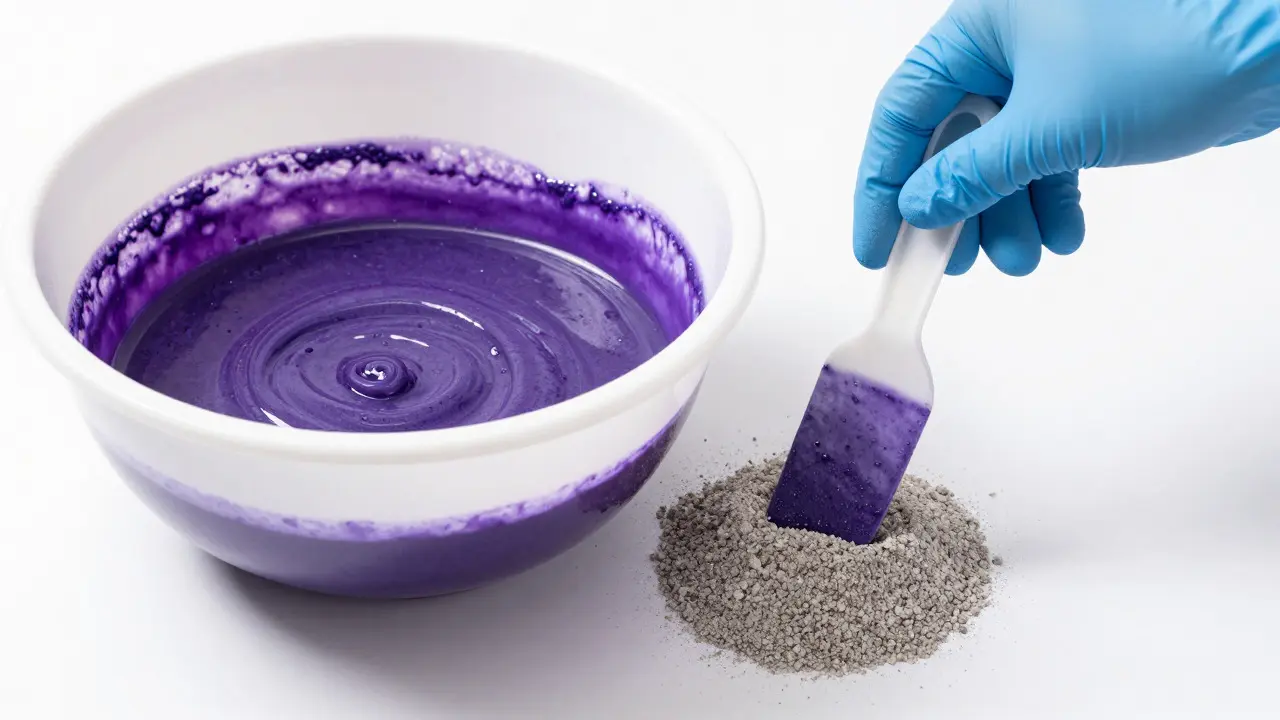
| Solidification (Trash) | Small amounts of mixed dye | Mix with cat litter, sawdust, or baking soda until solid. Seal in a bag and throw in regular trash. |
| Dilution (Last Resort) | Very small amounts only | Dilute heavily with water and pour down the drain while running the faucet. Avoid if you have a septic system. |
If you live in an area with strict environmental regulations, pouring dye down the drain-even diluted-can be discouraged because it affects septic tanks and local water systems. Always check your local city guidelines. Some cities, like Calgary, allow rinsing bottles after pouring residue down the drain, while others mandate HHW disposal for all contents and containers.
Donating and Sharing Options
Before you head to the trash or the hazardous waste facility, consider if someone else can use your leftover product. If the dye is unopened and within its expiration date, it’s a valuable resource for someone else.
- Friends and Family: Does anyone in your circle need a touch-up or a fun color change? Passing along unused dye saves them money and reduces waste.
- Local Salons or Beauty Schools: Call around to nearby salons. They might accept donations for student practice sessions or for clients who need emergency color corrections.
- Theater Groups or Community Centers: Local drama clubs often use hair dye for costumes and performances. They may appreciate the donation.
Just remember to clearly label the shade and note when you originally bought it so the recipient knows its freshness.
Recycling the Containers
Once the dye is gone, what about the plastic bottles and tubes? Recycling rules vary wildly by location. Generally, you need to rinse the container thoroughly to remove any residual chemical traces. If your local recycling program accepts rigid plastics (like HDPE or PET), clean hair dye bottles often qualify.
However, soft squeeze tubes and applicator brushes usually end up in the general trash because they are difficult to recycle mechanically. Always look for the recycling symbol on the bottom of the bottle and cross-reference it with your local municipality’s accepted materials list. When in doubt, throwing it in the trash is better than contaminating a batch of recyclables at the sorting facility.
Frequently Asked Questions
Can I put leftover hair dye in the fridge?
Yes, but only if the dye is unmixed. Storing unopened or partially used bottles in the refrigerator can help preserve the chemical integrity of the dye for longer periods. Ensure the lid is tightly sealed to prevent odor absorption. Never refrigerate mixed dye, as it will spoil quickly.
Is ammonia-free hair dye safer to dispose of?
While ammonia-free dyes are generally less harsh on the hair and scalp, they still contain other chemicals like ethanolamine or resorcinol derivatives. These can still be harmful to aquatic environments and septic systems. Therefore, they should still be treated with caution and ideally disposed of as household hazardous waste or solidified before trashing.
How long does mixed hair dye last?
Mixed hair dye is designed for immediate use. The chemical reaction between the dye and developer begins as soon as they are combined. Most professionals recommend using the mixture within 30 to 60 minutes. After that, the effectiveness drops significantly, making it unsuitable for storage or later use.
Can I pour hair dye down the toilet?
It is generally recommended to avoid pouring large amounts of hair dye down the toilet or sink. The chemicals can stain pipes, clog drains, and harm wastewater treatment bacteria. If you must dispose of a small amount, dilute it heavily with water and run the tap for several minutes afterward. However, solidifying the dye and trashing it is a safer eco-friendly alternative.
Where can I donate unused hair dye?
You can donate unopened, unused hair dye to local beauty schools, community theaters, or friends and family. Contact local salons to see if they accept donations for student training. Ensure the product is within its expiration date and clearly labeled with the shade number.